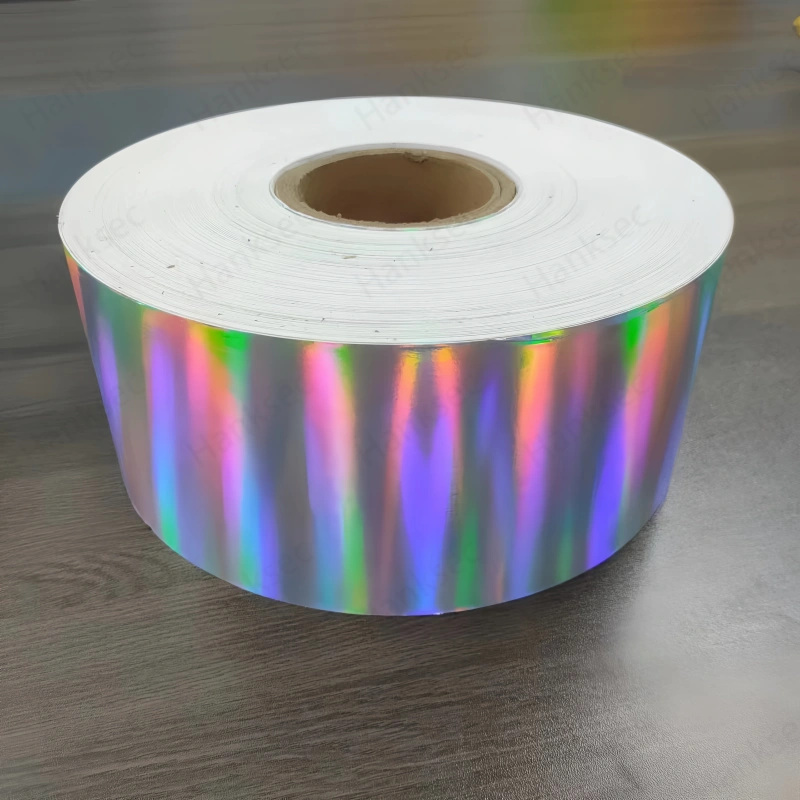
مادة لاصقة أمان من الألياف قابلة للتمزق لتوفير دليل مرئي على عدم إمكانية إزالتها
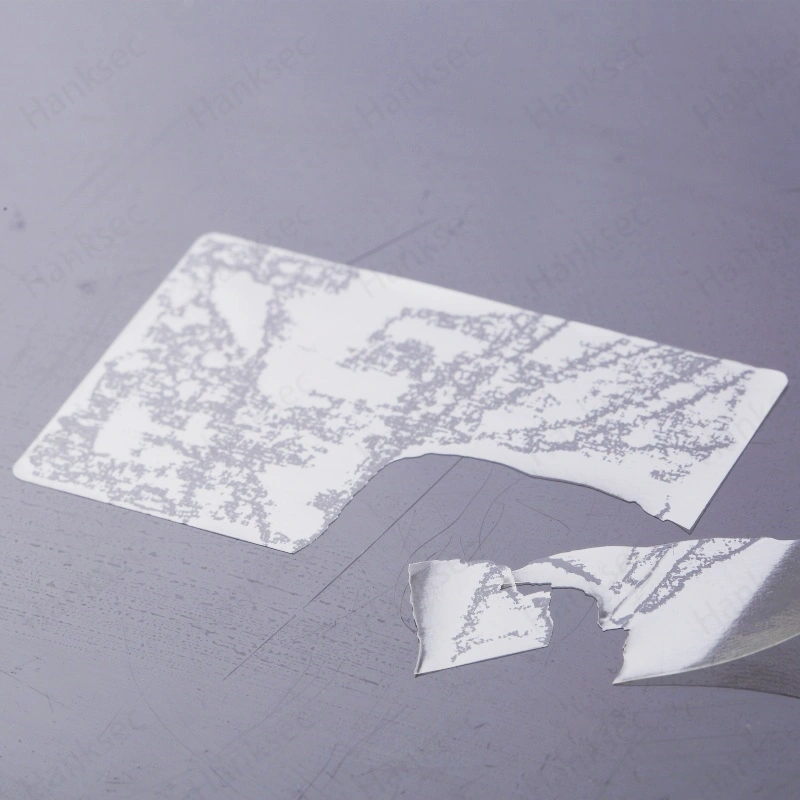
مادة لاصقة أمان قابلة للتمزق مصنوعة من الألياف هي مادة لاصقة قابلة للتلف ومقاومة للعبث، مصممة لتكوين آثار تمزق مرئية تشبه الألياف عند محاولة إزالتها. وهي مناسبة لأختام الضمان، وحماية المستندات، والشهادات، وملصقات الفحص، وملصقات الأصول، ومشاريع ملصقات الأمان الخاصة بالمصنعين الأصليين.
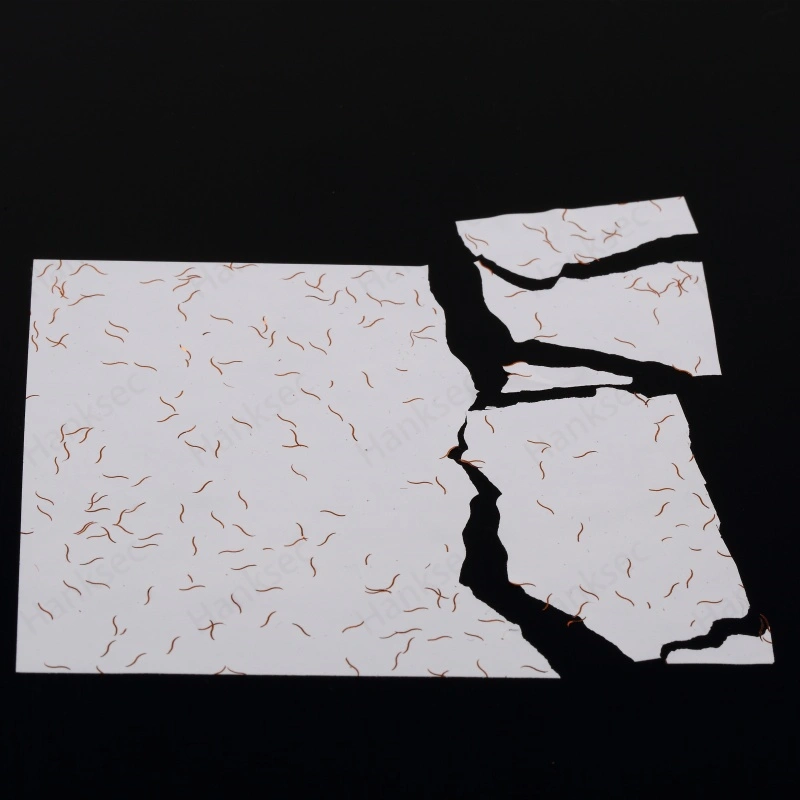
على عكس ملصقات البولي إيثيلين تيريفثالات (PET) أو البولي بروبيلين (PP) العادية التي يمكن إزالتها بسهولة، فإن مادة ملصقات الأمان المصنوعة من الألياف القابلة للتمزق تنكسر وتتمزق أثناء الإزالة. وبمجرد تلف الملصق، يصبح من الصعب إصلاحه أو إعادة استخدامه أو إعادة لصقه، مما يساعد المفتشين على كشف أي فتح أو استبدال أو عبث غير مصرح به.
هذه المادة مناسبة للتغليف الصناعي، والأغلفة البلاستيكية، والمعادن المطلية، وملصقات المعدات، والكرتون الخشن، والأسطح المزخرفة، وتغليف الخدمات اللوجستية، ومشاريع ملصقات الحماية من العبث الخاصة بمصنّعي المعدات الأصلية. وبالمقارنة مع الأغشية الرقيقة القياسية القابلة للتلف، توفر مادة ملصقات الأمان المصنوعة من الرغوة أداءً أفضل في التلامس على الأسطح غير المستوية تمامًا.
يُعد تأثير التدمير من نوع الألياف هذا مفيدًا للشهادات، وأختام المستندات، وملصقات الضمان، وملصقات المعدات، وملصقات الفحص، وملصقات الأصول، والتغليف الأمني، وتطبيقات مكافحة التزييف حيث يحتاج العملاء إلى دليل مرئي على محاولات الإزالة أو الاستبدال.
كيف تعمل مادة ملصقات الأمان المصنوعة من الألياف القابلة للتمزق
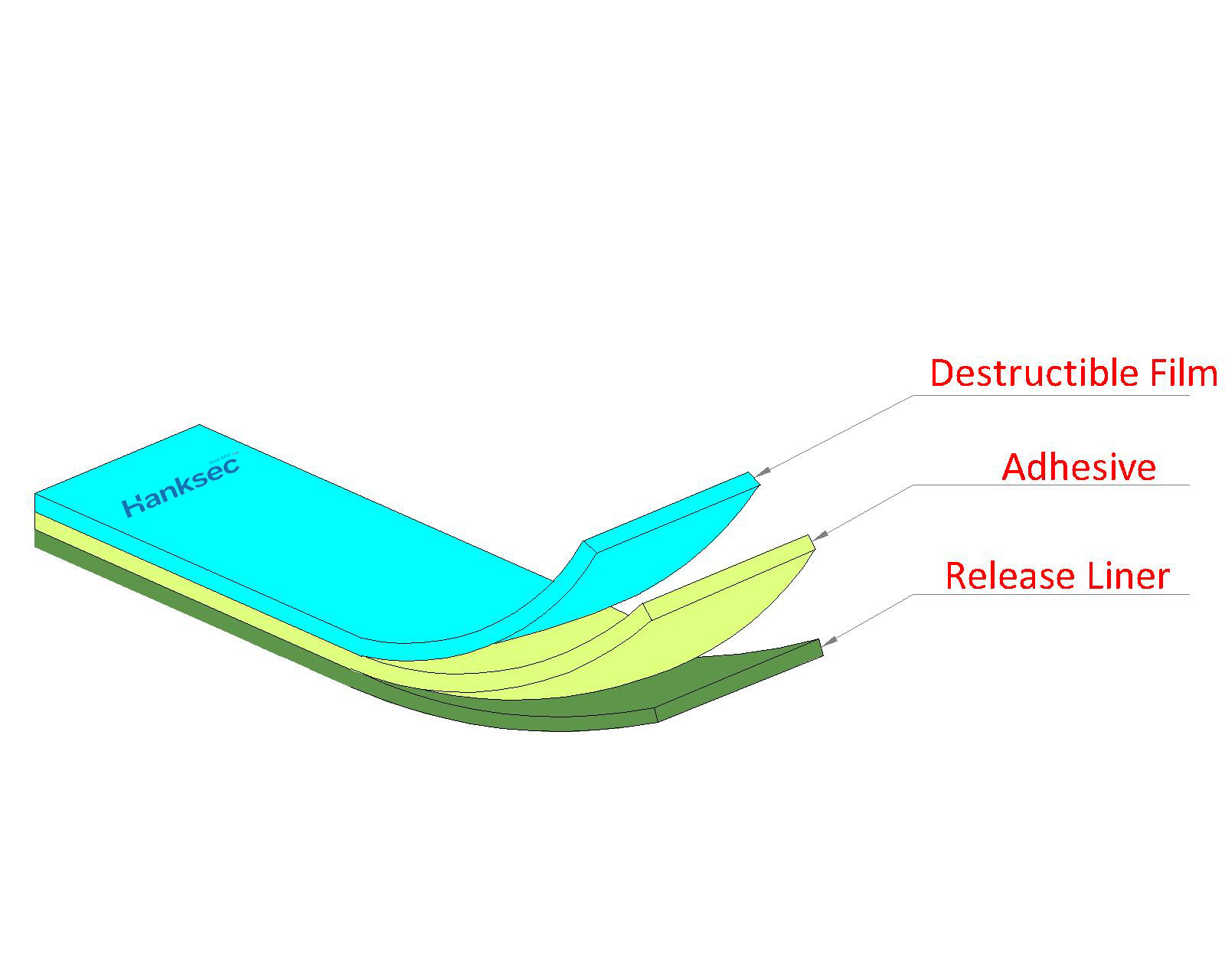
تعمل مادة الملصقات القابلة للتلف من نوع الألياف من خلال عملية تمزق داخلي مُتحكم بها. فبعد لصق الملصق على السطح، تصبح الرابطة اللاصقة أقوى من مادة الوجه الهشة. وعند محاولة إزالته، يتمزق وجه الملصق إلى قطع مرئية تشبه الألياف بدلاً من أن ينفصل كطبقة واحدة متكاملة.
يُصعّب هذا التمزق المادي إعادة استخدام الملصق أو إصلاحه أو إعادة لصقه. وبمجرد تلف المادة، يستطيع المفتشون تحديد ما إذا كان قد تم العبث بمستند أو عبوة أو بطاقة تعريف أصول أو ختم ضمان أو ملصق شهادة.
لماذا تختار مادة ملصقات الأمان المصنوعة من الألياف القابلة للتمزق؟
تُعدّ الملصقات القابلة للتلف المصنوعة من الألياف مناسبة عندما يحتاج العملاء إلى تأثير تمزيق يُشبه الورق أكثر من تأثير التمزق التقليدي الناتج عن قطع البلاستيك. يُسهّل شكل الحافة التالفة والمظهر الشبيه بالألياف ملاحظة أي محاولة للتلاعب على ورق المستندات والشهادات والكرتون والتغليف فاتح اللون وملصقات الفحص.
بالمقارنة مع الفينيل القابل للتلف التقليدي، تُضفي المواد الليفية مظهرًا طبيعيًا أكثر للألياف الممزقة. وبالمقارنة مع ملصقات نقل البيانات، تعتمد هذه المواد بشكل أساسي على التلف المادي بدلًا من نقل الرسائل المخفية، مما يجعلها مناسبة للتطبيقات التي يُفضّل فيها إتلاف المواد بشكل مباشر.
الميزات الرئيسية لمادة ملصق الأمان الليفي القابل للتمزق
- تأثير تمزق يشبه الألياف بعد محاولة الإزالة
- يتفتت إلى أجزاء مرئية بدلاً من أن يتقشر بشكل نظيف
- يساعد على منع إعادة استخدام الملصقات واستبدال المستندات والاحتيال في الضمان
- مناسبة للشهادات والوثائق وملصقات الضمان وعلامات الأصول والأختام الأمنية.
- شعار مخصص، رقم تسلسلي، رمز الاستجابة السريعة، باركود، نص تحذيري، وشكل مقطوع بالقالب متوفرة
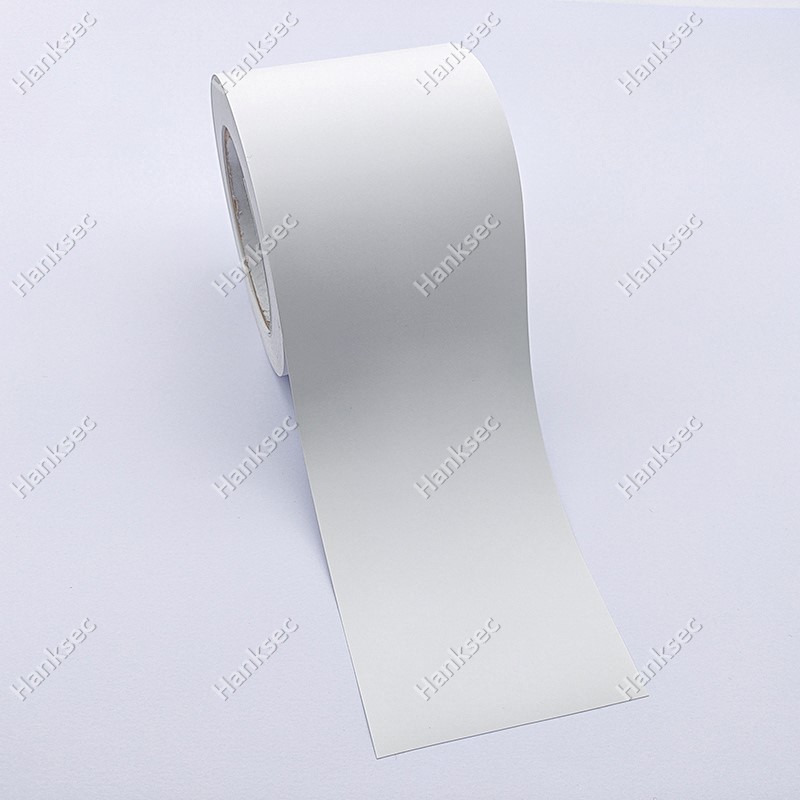
- يمكن توفيرها على شكل لفائف جامبو، أو لفائف مقطعة، أو صفائح، أو ملصقات جاهزة حسب الطلب.
- دعم تصنيع المعدات الأصلية (OEM) وتصميمها (ODM) لمحولات الملصقات والطابعات والموزعين وأصحاب العلامات التجارية
التطبيقات الموصى بها لمادة ملصقات الأمان الليفية القابلة للتمزق
تُستخدم مادة الملصقات القابلة للتلف من نوع الألياف بشكل شائع في ملصقات الشهادات، وأختام أمان المستندات، وملصقات ضمان الإلكترونيات، وملصقات الفحص، وملصقات الأصول، وأختام المعدات، وملصقات التحقق من صحة البيع بالتجزئة، ومجلدات المستندات، وأختام التعبئة والتغليف، وتحديد المنتجات المضادة للتزييف.
بالنسبة للوثائق والشهادات، يُساعد تأثير التمزق الناتج عن الألياف على حماية أصالتها دون الاعتماد فقط على المعلومات المطبوعة. أما بالنسبة لملصقات الضمان وملصقات الأصول، فيُساعد هذا التأثير فرق الصيانة على تحديد ما إذا كان الملصق قد أُزيل أو استُبدل أو تم التلاعب به أثناء الاستخدام.
نوع الألياف مقابل الفينيل فائق التلف
يُختار الفينيل فائق التلف عادةً عندما يحتاج العملاء إلى شظايا صغيرة للغاية ومقاومة عالية للإزالة. أما المواد الليفية القابلة للتلف فهي أنسب عندما يرغب العملاء في الحصول على تأثير ألياف ممزقة مرئي، خاصةً في التطبيقات الورقية أو المتعلقة بالشهادات أو المستندات.
إذا كان التطبيق يتطلب ختم أمان صغيرًا على الأجهزة الإلكترونية أو المعدات، فقد يكون الفينيل فائق التلف أكثر ملاءمة. أما إذا كان التطبيق يتطلب دليلًا مرئيًا على التمزق على مستند أو كرتون أو شهادة أو سطح ورق مقوى مسطح، فإن مادة الملصقات الليفية القابلة للتلف توفر تأثيرًا بصريًا أفضل.
توافق الطباعة والتحويل
يمكن لمادة الملصقات القابلة للتلف من نوع الألياف أن تدعم الطباعة المخصصة، مثل شعارات الشركات، والأرقام التسلسلية، ورموز الاستجابة السريعة، والباركود، ونصوص التحذير، وعلامات الفحص، وأنماط الأمان. ونظرًا لهشاشة المادة الخارجية، يجب اختبار ضغط الطباعة، وعمق القطع، وقوة تحرير البطانة، وسرعة إزالة المصفوفة قبل بدء الإنتاج بكميات كبيرة.
بالنسبة لشركات تحويل الملصقات ومصانع الطباعة، تشمل نقاط المعالجة الرئيسية ثبات الحواف، والتحكم في التمزق، وقوة اللصق، ومتانة الطباعة، وسهولة قراءة الرموز الشريطية، وأداء توزيع الملصقات. ويمكن لشركة هانكسيك تقديم دعم لاختبار العينات وفقًا لعملية التحويل الخاصة بالعميل وسطح التطبيق النهائي.
التوافق السطحي والاختبار
قبل بدء الإنتاج بكميات كبيرة، ينبغي على العملاء اختبار المادة على سطح الاستخدام الفعلي. قد تُظهر أنواع مختلفة من المواد، مثل ورق المستندات، والكرتون المطلي، والكرتون المصفح، والعلب البلاستيكية، والمعادن المطلية، والزجاج، وورق الشهادات، والتغليف ذي الملمس الخاص، أداءً مختلفًا في التماسك والتمزق.
يمكن أن يؤثر الغبار السطحي والزيوت ومعالجة الطلاء وضغط التطبيق ودرجة الحرارة والرطوبة ووقت تصلب المادة اللاصقة على النتيجة النهائية القابلة للتلف. بالنسبة لتطبيقات أمان الشهادات أو المستندات، يجب على العملاء أيضًا التحقق من وضوح الطباعة ومسح الرموز الشريطية ونقل المادة اللاصقة والمظهر النهائي بعد التطبيق.
مواد هانكسيك ذات الصلة القابلة للتدمير وملصقات الأمان
يمكن للعملاء أيضًا استكشاف مواد هانكسيك ذات الصلة، بما في ذلك destructible label materials, مواد ملصقات VOID, أشرطة أمنية مقاومة للعبث, أشرطة أمان باطلة غير قابلة للنقل، و منتجات أمنية مقاومة للعبث.
مراجع الطباعة للاختبار والأمان
بالنسبة لمواد الملصقات القابلة للتلف من نوع الألياف، غالبًا ما يُقيّم العملاء قوة الالتصاق عند التقشير، ومقاومة التمزق، وقوة الترابط اللاصق، ومتانة الطباعة، وسهولة قراءة الرموز الشريطية، والتحكم في الطباعة الأمنية. تشمل المراجع الخارجية المفيدة ما يلي: اختبار الالتصاق بالتقشير وفقًا لمعيار ASTM D3330, موارد صناعة الملصقات ذاتية اللصق من شركة فينات، و إدارة الطباعة الأمنية وفقًا لمعيار ISO 14298.
كيفية اختيار مادة الملصقات القابلة للتلف المناسبة
| مستوى قابل للتدمير |
الخيار الأمثل لـ |
الميزة الرئيسية |
| سهل التدمير |
أعلى مستويات الأمان والحماية من الإزالة |
يتفتت إلى قطع صغيرة جداً على الفور |
| متوسطة التدمير |
ملصقات الأمان العامة وملصقات التغليف |
توازن جيد بين الأمن واستقرار الإنتاج |
| صلب وقابل للتدمير |
ملصقات كبيرة، ملصقات معدات، وضع الملصقات الآلي |
سهولة أكبر في التعامل والطباعة والقطع والتطبيق |
ثلاثة خيارات لمواد الملصقات القابلة للتلف لتلبية الاحتياجات الأمنية المختلفة
مواصفة
|
صورة شخصية |
فيلم قابل للتدمير تم تطويره ذاتيًا |
|
سمك وجه الورق |
50 - 110 ميكرون أو حسب الطلب |
|
لون |
أبيض مطفي أو حسب الطلب |
|
لاصق |
أكريليك حساس للضغط أو حسب الطلب |
|
لون نهائي |
مات |
|
درجة التدمير |
سهل/متوسط/صعب |
|
الحد الأدنى للطلب |
530 مم × 500 م أو حسب الطلب |
|
بطانة |
60/80 جم ورق زجاجي أو ورق كرافت |
|
المقاس العرض |
100 / 200 / 300 / 530 / 1060 مم أو حسب الطلب |
|
المقاس الطول |
400 / 500 / 1000 / 2000 متر أو حسب الطلب |
|
حجم النواة القياسي |
3 بوصة أو حسب الطلب |
|
نطاق درجة الحرارة |
-20 درجة مئوية - 80 درجة مئوية |
|
مهلة |
3-7 أيام |
|
مدة الصلاحية |
سنة واحدة في الظروف العادية، تجنب أشعة الشمس المباشرة والرطوبة العالية |
|
طرق الطباعة: |
الطباعة الرقمية، الطباعة بالأشعة فوق البنفسجية، الطباعة الحريرية، الطباعة الغائرة، الطباعة الدوارة، الطباعة الأوفست، الطباعة الحرارية، الطباعة النافثة للحبر، إلخ. |
هيكل المنتج