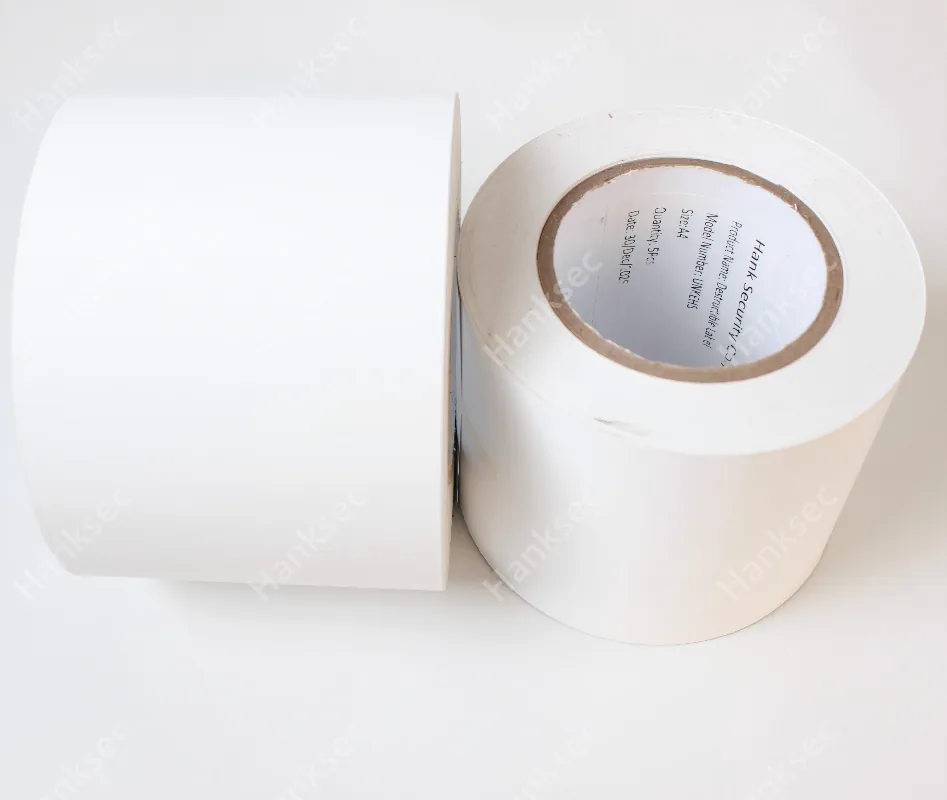
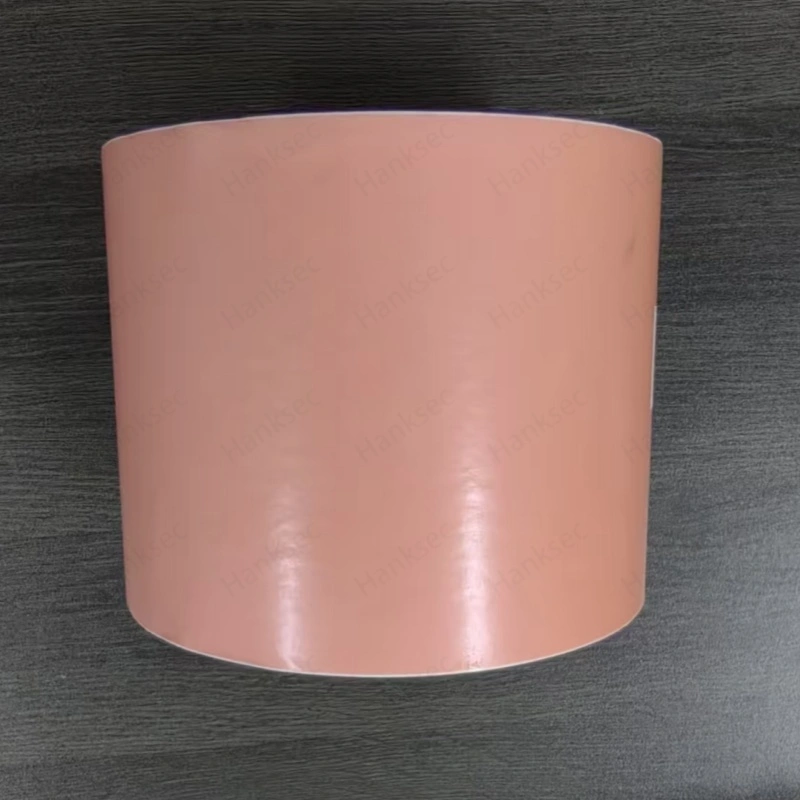
Materiale per etichette di sicurezza antistrappo in fibra per una prova visibile contro la rimozione.
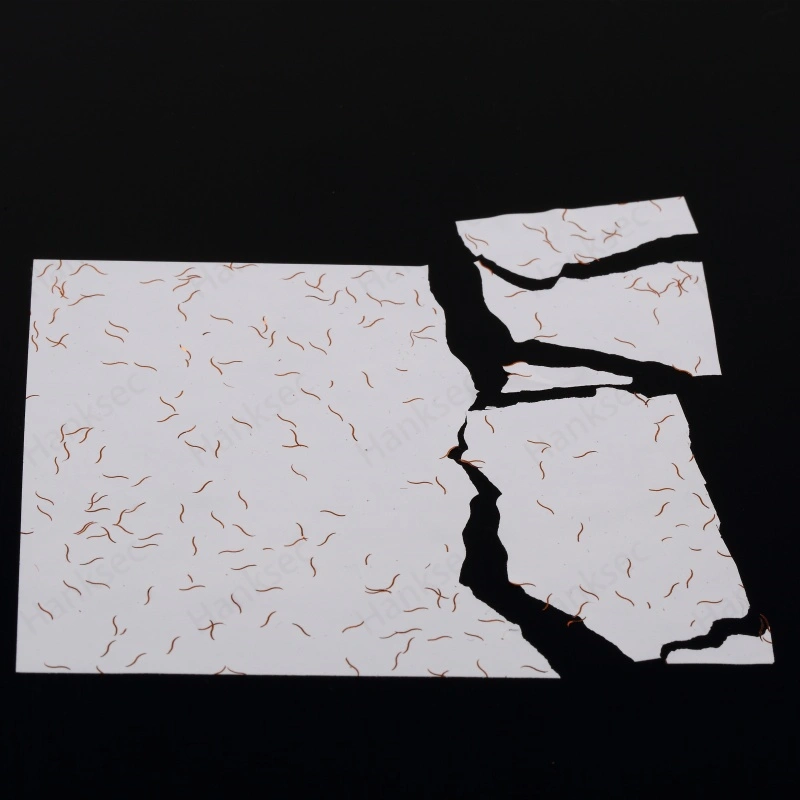
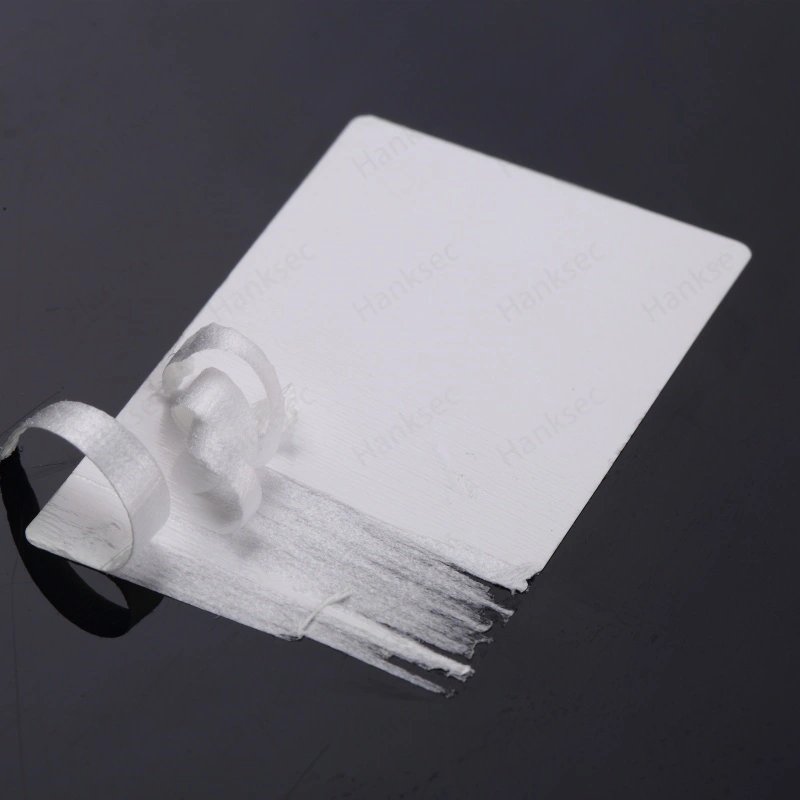
Materiale per etichette di sicurezza a strappo in fibra Si tratta di un materiale per etichette antimanomissione distruttibile, progettato per creare lamelle visibili simili a fibre quando si tenta di rimuoverlo. È adatto per sigilli di garanzia, protezione di documenti, certificati, etichette di ispezione, etichette di inventario e progetti di etichette di sicurezza OEM.
A differenza delle normali etichette in PET o PP che si staccano facilmente, il materiale delle etichette di sicurezza a strappo fibroso si rompe e si lacera durante la rimozione. Una volta danneggiata, l'etichetta diventa difficile da ripristinare, riutilizzare o riapplicare, aiutando gli ispettori a identificare aperture, sostituzioni o manomissioni non autorizzate.
Questo materiale è adatto per imballaggi industriali, involucri in plastica, metallo verniciato, etichette per apparecchiature, cartoni ruvidi, superfici ruvide, imballaggi logistici e progetti di etichette antimanomissione OEM. Rispetto alle pellicole distruttibili sottili standard, il materiale per etichette di sicurezza a base di schiuma offre migliori prestazioni di contatto su superfici non perfettamente piane.
Questo effetto di distruzione a base di fibre è utile per certificati, sigilli per documenti, etichette di garanzia, etichette per apparecchiature, adesivi di ispezione, etichette per beni, imballaggi di sicurezza e applicazioni anticontraffazione in cui i clienti necessitano di una prova visibile dei tentativi di rimozione o sostituzione.
Come funziona il materiale per etichette di sicurezza a strappo in fibra
Il materiale per etichette distruttibili a base di fibre funziona tramite una rottura interna controllata. Dopo l'applicazione sulla superficie, il legame adesivo diventa più forte del fragile materiale di rivestimento. Quando qualcuno tenta di rimuoverla, la superficie dell'etichetta si lacera in frammenti visibili simili a fibre, anziché staccarsi in un unico strato.
Questo effetto di lacerazione fisica rende difficile il riutilizzo, la riparazione o la riapplicazione dell'etichetta. Una volta danneggiato il materiale, gli ispettori possono identificare rapidamente se un documento, un imballaggio, un'etichetta di inventario, un sigillo di garanzia o un'etichetta di certificato sono stati manomessi.
Perché scegliere etichette di sicurezza con strappo in fibra?
Le etichette distruttibili in fibra sono adatte quando i clienti desiderano un effetto di strappo più simile alla carta rispetto alla rottura standard con frammenti di plastica. Il bordo danneggiato e l'aspetto fibroso rendono più facile individuare le prove di manomissione su carta per documenti, certificati, cartoni, imballaggi di colore chiaro ed etichette di ispezione.
Rispetto al vinile distruttibile standard, i materiali in fibra possono creare un effetto di fibra strappata più naturale. Rispetto alle etichette transfer VOID, si basano principalmente sulla distruzione fisica anziché sul trasferimento nascosto del messaggio, risultando adatti ad applicazioni in cui si preferisce un danno diretto al materiale.
Caratteristiche principali del materiale per etichette di sicurezza antistrappo in fibra
- Effetto lacerante simile a una fibra dopo il tentativo di rimozione
- Si rompe in frammenti visibili invece di staccarsi in modo netto
- Aiuta a prevenire il riutilizzo delle etichette, la sostituzione dei documenti e le frodi in materia di garanzia.
- Adatto per certificati, documenti, etichette di garanzia, targhette identificative e sigilli di sicurezza.
- Disponibili logo personalizzato, numero di serie, codice QR, codice a barre, testo di avvertenza e forma fustellata.
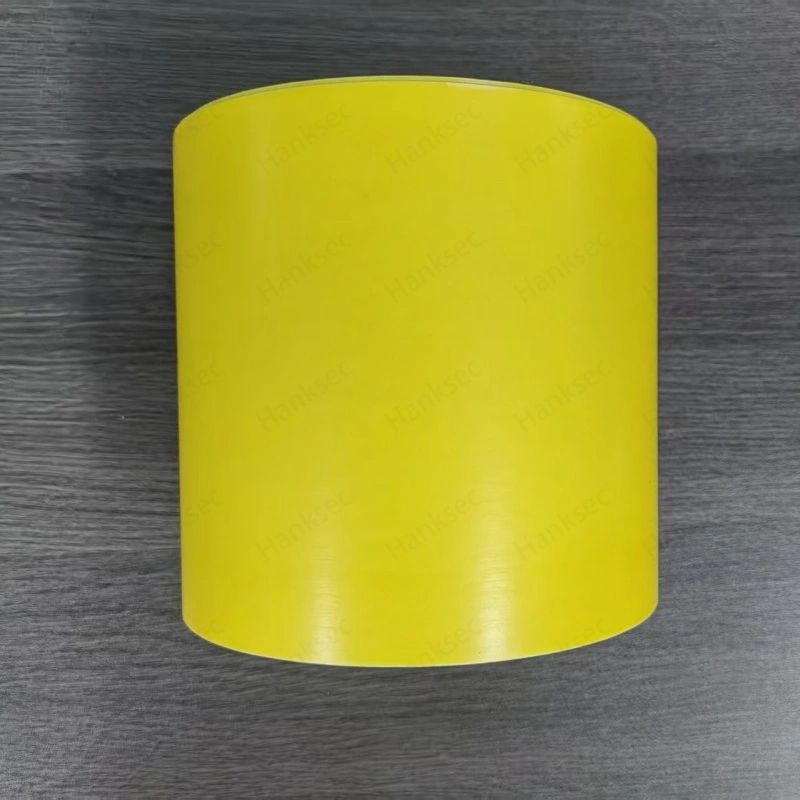
- Disponibili in rotoli jumbo, rotoli tagliati a misura, fogli o etichette personalizzate finite.
- Supporto OEM e ODM per convertitori di etichette, stampatori, distributori e proprietari di marchi.
Applicazioni consigliate per il materiale per etichette di sicurezza a strappo in fibra
Il materiale per etichette distruttibili in fibra è comunemente utilizzato per etichette di certificati, sigilli di sicurezza per documenti, etichette di garanzia per dispositivi elettronici, etichette di ispezione, etichette per beni, sigilli per apparecchiature, etichette di autenticazione per la vendita al dettaglio, cartelle portadocumenti, sigilli per imballaggi e identificazione anticontraffazione dei prodotti.
Per documenti e certificati, l'effetto di lacerazione a fibra può contribuire a proteggere l'autenticità senza dover fare affidamento esclusivamente sulle informazioni stampate. Per le etichette di garanzia e di inventario, aiuta i team di assistenza a identificare se un'etichetta è stata rimossa, sostituita o manomessa durante l'uso.
Tipo di fibra vs vinile ultra distruttibile
Il vinile ultra distruttibile viene solitamente scelto quando i clienti necessitano di frammenti estremamente piccoli e di un'elevata resistenza alla rimozione. Il materiale distruttibile a base di fibre è più adatto quando i clienti desiderano un effetto visibile di fibre strappate, soprattutto per applicazioni su carta, certificati o documenti.
Se l'applicazione richiede un piccolo sigillo di sicurezza su dispositivi elettronici o apparecchiature, il vinile ultra distruttibile potrebbe essere più adatto. Se invece l'applicazione richiede una prova di strappo visibile su un documento, una scatola, un certificato o una superficie piana di cartone, un materiale per etichette distruttibili in fibra può fornire un effetto visivo più adeguato.
Compatibilità di stampa e conversione
Il materiale per etichette distruttibili in fibra può supportare la stampa personalizzata di loghi aziendali, numeri di serie, codici QR, codici a barre, testi di avvertenza, marchi di ispezione e motivi di sicurezza. Data la fragilità del materiale di superficie, prima della produzione in serie è necessario testare la pressione di stampa, la profondità di fustellatura, la forza di distacco del liner e la velocità di rimozione della matrice.
Per i trasformatori di etichette e le tipografie, i principali punti di processo includono la stabilità dei bordi, il controllo dello strappo, l'adesione, la durata della stampa, la leggibilità del codice a barre e le prestazioni di erogazione delle etichette. Hanksec può fornire supporto per i test sui campioni in base al processo di trasformazione del cliente e alla superficie di applicazione finale.
Compatibilità e test delle superfici
Prima della produzione in serie, i clienti dovrebbero testare il materiale sulla superficie di applicazione reale. Carta per documenti, cartone patinato, astucci laminati, custodie in plastica, metallo verniciato, vetro, carta per certificati e imballaggi con superficie ruvida possono presentare diverse caratteristiche di adesione e resistenza allo strappo.
Polvere superficiale, olio, trattamento del rivestimento, pressione di applicazione, temperatura, umidità e tempo di polimerizzazione dell'adesivo possono influenzare il risultato finale della distruggibilità. Per le applicazioni di sicurezza di certificati o documenti, i clienti dovrebbero inoltre verificare la leggibilità della stampa, la scansione del codice a barre, il trasferimento dell'adesivo e l'aspetto finale dopo l'applicazione.
Materiali correlati per etichette distruttibili e di sicurezza Hanksec
I clienti possono anche esplorare materiali correlati di Hanksec, tra cui: materiali per etichette distruttibili, Materiali con etichetta VOID, nastri di sicurezza antimanomissione, nastri di sicurezza VOID non trasferibili, E prodotti di sicurezza antimanomissione.
Riferimenti per test e sicurezza di stampa
Per i materiali per etichette distruttibili di tipo fibroso, i clienti valutano spesso l'adesione allo strappo, il comportamento allo strappo, il legame adesivo, la durata della stampa, la leggibilità del codice a barre e il controllo della stampa di sicurezza. Utili riferimenti esterni includono Test di adesione per pelatura ASTM D3330, Risorse FINAT per il settore delle etichette autoadesive, E Gestione della stampa di sicurezza ISO 14298.
Come scegliere il materiale giusto per le etichette distruttibili
| Livello distruttibile |
La scelta migliore per |
Vantaggio principale |
| Facile da distruggere |
Massima sicurezza e protezione anti-rimozione. |
Si frantuma immediatamente in piccolissimi pezzi |
| Distruttibile di media potenza |
Etichette di sicurezza generali ed etichette per imballaggi |
Un buon equilibrio tra sicurezza e stabilità della produzione. |
| Difficile da distruggere |
Etichette di grandi dimensioni, etichette per attrezzature, etichettatura automatica |
Più facile da maneggiare, stampare, fustellare e applicare |
Tre opzioni di materiale per etichette distruttibili per diverse esigenze di sicurezza.
Specifiche
|
Facestock |
Pellicola distruttibile autoprodotta |
|
Spessore della superficie |
50 - 110 micron o personalizzato |
|
Colore |
Bianco opaco o personalizzato |
|
Adesivo |
Acrilico sensibile alla pressione o personalizzato |
|
Finitura a colori |
Opaco |
|
Grado di distruttibilità |
Facile/Medio/Difficile |
|
MOQ |
530 mm*500 m o personalizzato |
|
Fodera |
Carta glassine o carta Kraft da 60/80 g |
|
Larghezza della taglia |
100 / 200 / 300 / 530 / 1060 mm o personalizzato |
|
Dimensioni Lunghezza |
400 / 500 / 1000 / 2000 metri o personalizzato |
|
Dimensioni standard del nucleo |
3 pollici o personalizzato |
|
Intervallo di temperatura |
-20°C - 80℃ |
|
Tempi di consegna |
3-7 giorni |
|
Durata di conservazione |
1 anno in condizioni normali, evitare la luce solare diretta e l'umidità elevata |
|
Metodi di stampa: |
Stampa digitale, stampa UV, serigrafia, stampa calcografica, stampa rotativa, stampa offset, stampa a trasferimento termico, stampa a getto d'inchiostro, ecc. |
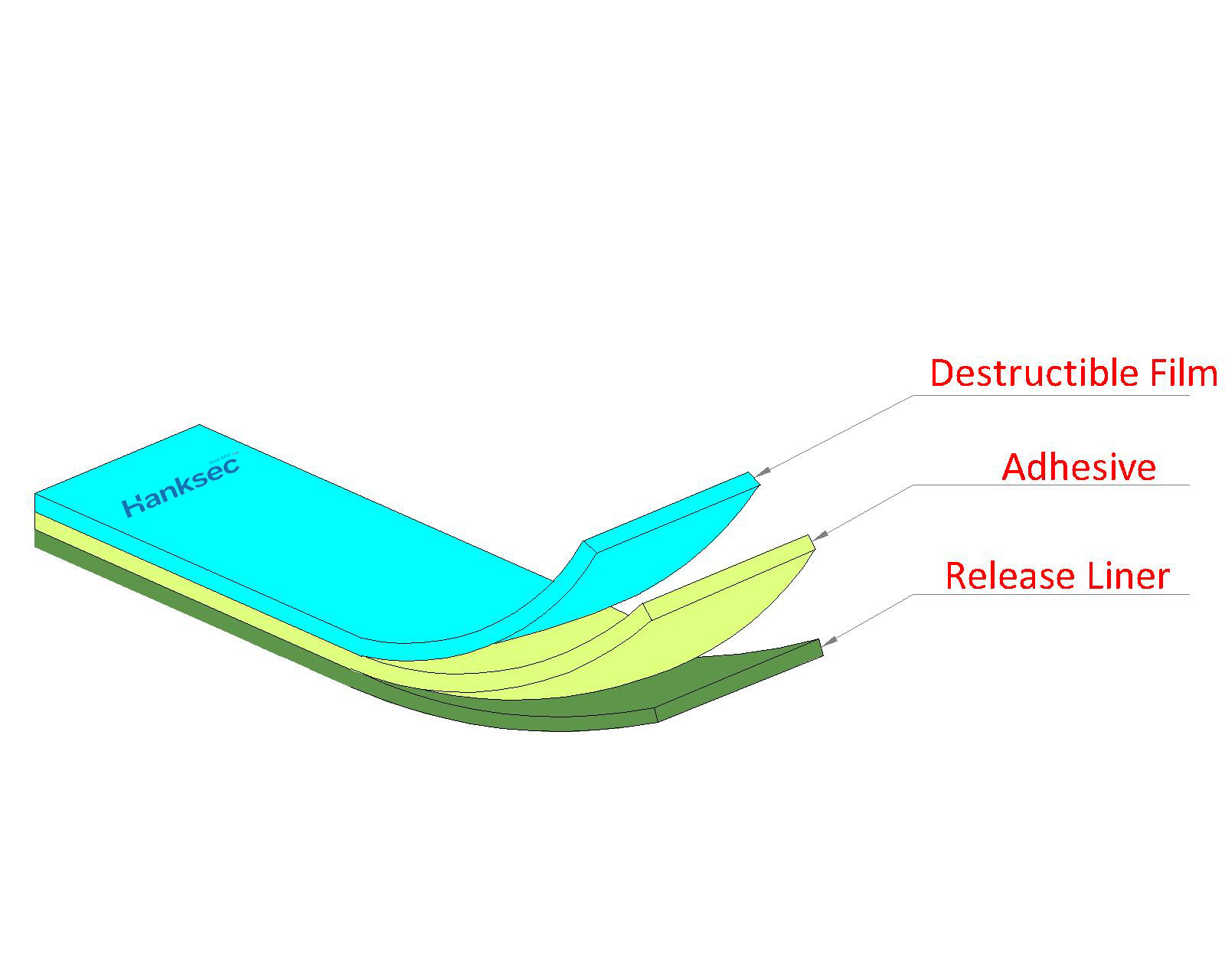
Struttura del prodotto