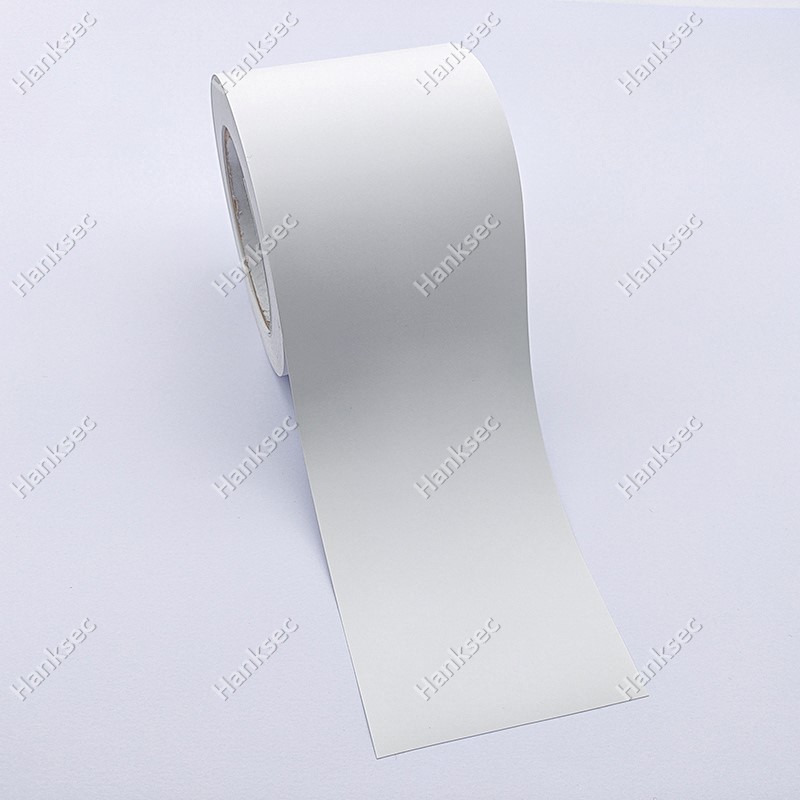
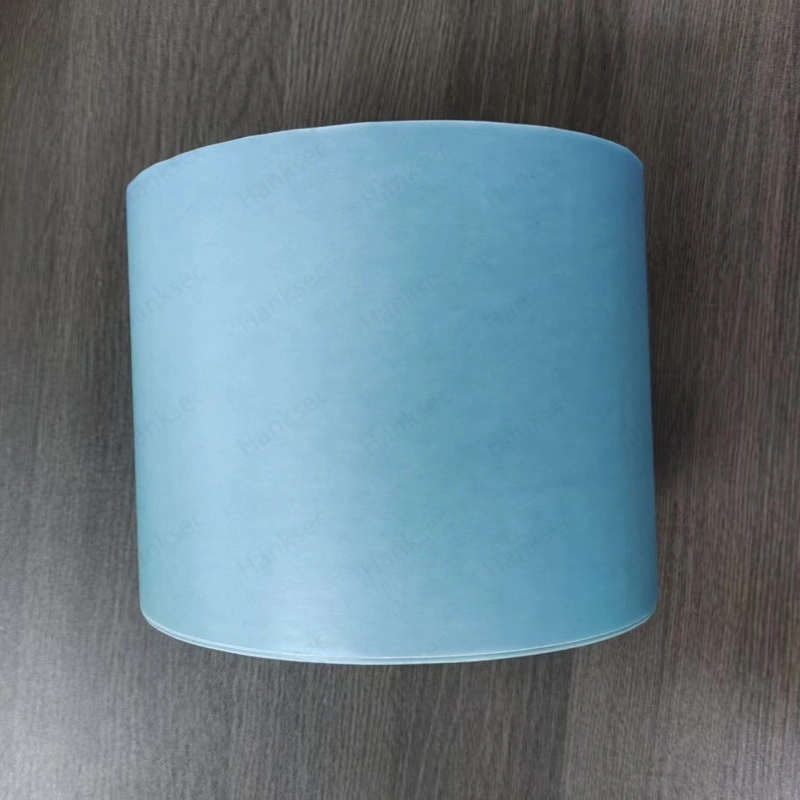
Material de etiqueta de segurança resistente a rasgos em fibra para evidências visíveis de remoção.
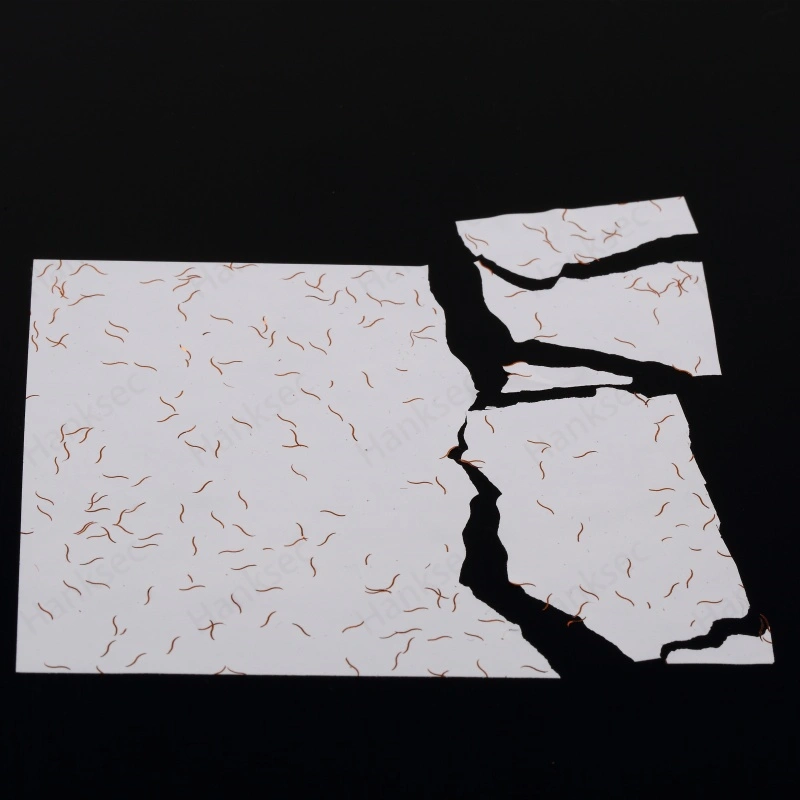
Material para etiqueta de segurança resistente a rasgos em fibra É um material de etiqueta inviolável e destrutível, projetado para criar evidências visíveis de rasgo, semelhantes a fibras, quando a remoção é tentada. É adequado para selos de garantia, proteção de documentos, certificados, etiquetas de inspeção, etiquetas de ativos e projetos de etiquetas de segurança OEM.
Ao contrário das etiquetas comuns de PET ou PP, que podem ser removidas facilmente, o material das etiquetas de segurança de fibra se rompe e rasga durante a remoção. Uma vez danificada, a etiqueta torna-se difícil de restaurar, reutilizar ou reaplicar, auxiliando os inspetores a identificar aberturas, substituições ou adulterações não autorizadas.
Este material é adequado para embalagens industriais, invólucros plásticos, metal pintado, etiquetas de equipamentos, caixas de papelão resistentes, superfícies texturizadas, embalagens logísticas e projetos de etiquetas anti-violação OEM. Comparado com filmes finos destrutíveis padrão, o material para etiquetas de segurança à base de espuma proporciona melhor contato em superfícies que não são perfeitamente planas.
Esse efeito de destruição por fibras é útil para certificados, selos de documentos, etiquetas de garantia, etiquetas de equipamentos, adesivos de inspeção, etiquetas de ativos, embalagens de segurança e aplicações antifalsificação, onde os clientes precisam de comprovação visível de tentativas de remoção ou substituição.
Como funciona o material da etiqueta de segurança resistente a rasgos de fibra
O material de etiqueta destrutível do tipo fibra funciona através de falha interna controlada. Após a aplicação da etiqueta na superfície, a ligação adesiva torna-se mais forte do que o material frágil da superfície. Quando alguém tenta removê-la, a superfície da etiqueta se rasga em pedaços visíveis semelhantes a fibras, em vez de se desprender em uma única camada.
Esse efeito de rasgo físico dificulta a reutilização, o reparo ou a reaplicação da etiqueta. Uma vez que o material é danificado, os inspetores podem identificar rapidamente se um documento, embalagem, etiqueta de ativo, selo de garantia ou etiqueta de certificado foi violado.
Por que escolher etiquetas de segurança resistentes a rasgos feitas de fibra?
Etiquetas destrutíveis do tipo fibra são adequadas quando os clientes precisam de um efeito de rasgo mais semelhante ao do papel, em vez da quebra em fragmentos de plástico padrão. A borda danificada e a aparência semelhante à fibra facilitam a identificação da evidência de violação em documentos, certificados, caixas de papelão, embalagens de cores claras e etiquetas de inspeção.
Em comparação com o vinil destrutível padrão, os materiais do tipo fibra podem criar uma aparência de fibra rasgada mais natural. Em comparação com as etiquetas de transferência VOID, eles dependem principalmente da destruição física em vez da transferência de mensagens ocultas, tornando-os adequados para aplicações em que o dano direto ao material é preferido.
Principais características do material da etiqueta de segurança resistente a rasgos de fibra
- Efeito de rasgamento semelhante a fibras após tentativa de remoção
- Quebra-se em fragmentos visíveis em vez de descascar completamente.
- Ajuda a prevenir a reutilização de etiquetas, a substituição de documentos e a fraude de garantia.
- Adequado para certificados, documentos, etiquetas de garantia, etiquetas de identificação de ativos e selos de segurança.
- Logotipo personalizado, número de série, código QR, código de barras, texto de aviso e formato recortado disponíveis.
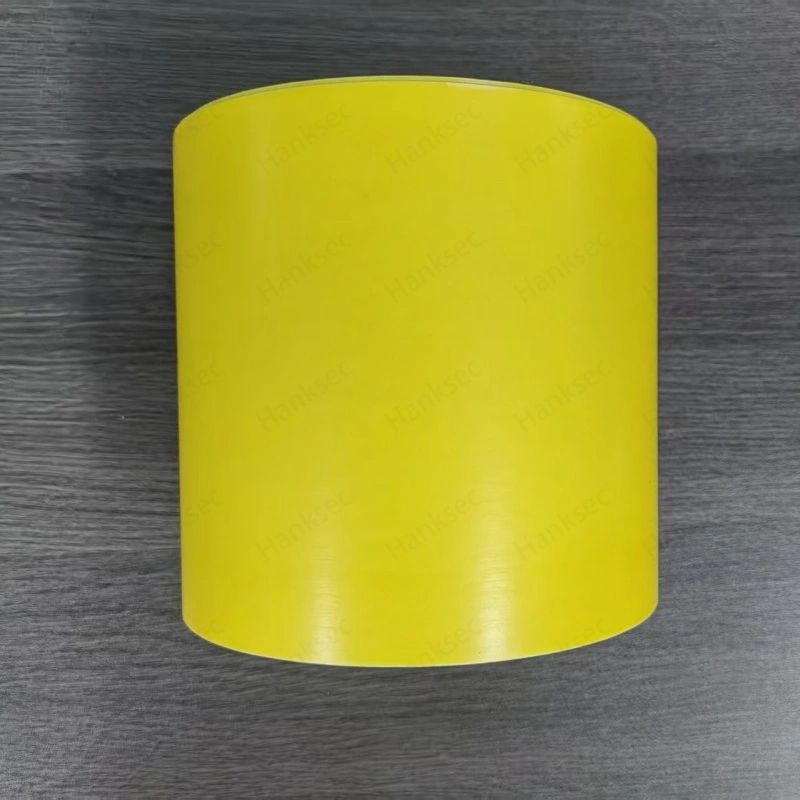
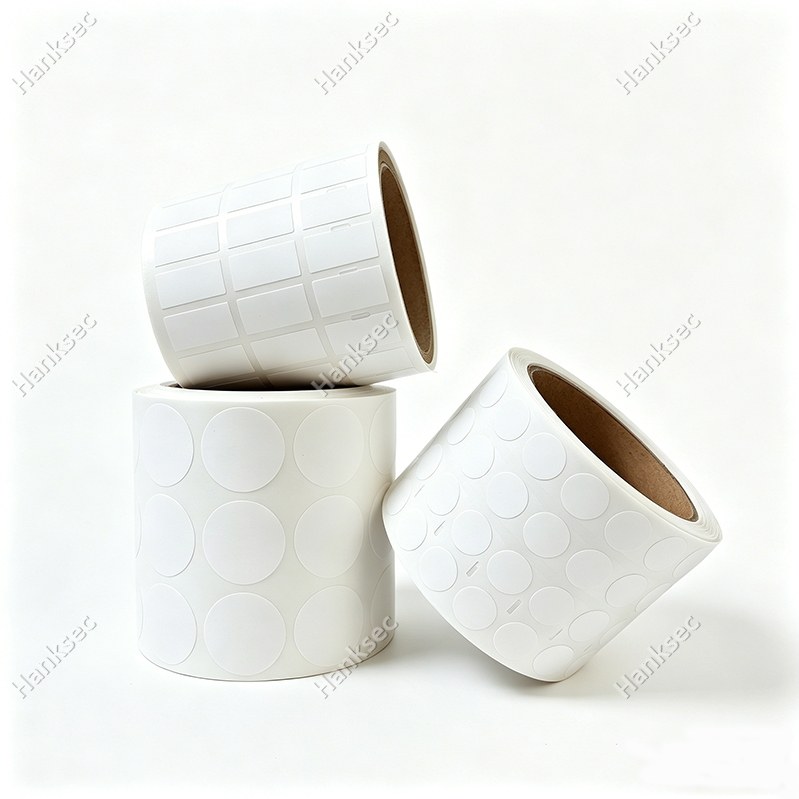
- Podem ser fornecidas em rolos jumbo, rolos cortados, folhas ou etiquetas personalizadas acabadas.
- Suporte OEM e ODM para convertedores de etiquetas, gráficas, distribuidores e proprietários de marcas.
Aplicações recomendadas para o material de etiqueta de segurança resistente a rasgos de fibra
O material de etiqueta destrutível do tipo fibra é comumente usado para etiquetas de certificado, selos de segurança de documentos, etiquetas de garantia de eletrônicos, etiquetas de inspeção, etiquetas de ativos, selos de equipamentos, etiquetas de autenticação de varejo, pastas de documentos, selos de embalagens e identificação de produtos antifalsificação.
Para documentos e certificados, o efeito de rasgamento por fibra pode ajudar a proteger a autenticidade sem depender apenas de informações impressas. Para etiquetas de garantia e de ativos, auxilia as equipes de serviço a identificar se uma etiqueta foi removida, substituída ou adulterada durante o uso.
Tipo de fibra versus vinil ultradestrutível
O vinil ultradestrutível é geralmente escolhido quando os clientes precisam de fragmentos extremamente pequenos e alta resistência à remoção. O material destrutível do tipo fibra é mais adequado quando os clientes desejam um efeito visível de fibra rasgada, especialmente para aplicações em papel, certificados ou documentos.
Se a aplicação exigir um pequeno lacre de segurança em componentes eletrônicos ou equipamentos, o vinil ultradestrutível pode ser mais adequado. Se a aplicação exigir evidências visíveis de rasgo em um documento, caixa, certificado ou superfície plana de papelão, o material de etiqueta destrutível à base de fibra pode proporcionar um efeito visual mais apropriado.
Compatibilidade de impressão e conversão
O material de fibra para etiquetas destrutíveis permite impressão personalizada, como logotipos de empresas, números de série, códigos QR, códigos de barras, textos de advertência, marcas de inspeção e padrões de segurança. Devido à fragilidade do material, a pressão de impressão, a profundidade de corte, a força de liberação do liner e a velocidade de remoção da matriz devem ser testadas antes da produção em massa.
Para convertedores de etiquetas e gráficas, os principais pontos de processamento incluem estabilidade de borda, controle de rasgo, adesão, durabilidade da impressão, legibilidade de código de barras e desempenho de dispensação de etiquetas. A Hanksec oferece suporte para testes de amostras de acordo com o processo de conversão e a superfície de aplicação final do cliente.
Compatibilidade e testes de superfície
Antes da produção em massa, os clientes devem testar o material na superfície de aplicação real. Papel para documentos, cartão revestido, caixas laminadas, estojos de plástico, metal pintado, vidro, papel para certificados e embalagens texturizadas podem apresentar diferentes desempenhos de adesão e resistência ao rasgo.
Poeira na superfície, óleo, tratamento de revestimento, pressão de aplicação, temperatura, umidade e tempo de cura do adesivo podem afetar o resultado final de segurança. Para aplicações de segurança de certificados ou documentos, os clientes também devem verificar a legibilidade da impressão, a leitura do código de barras, a transferência do adesivo e a aparência final após a aplicação.
Materiais relacionados para etiquetas destrutíveis e de segurança da Hanksec
Os clientes também podem explorar materiais relacionados da Hanksec, incluindo materiais de etiquetas destrutíveis, materiais de etiqueta VOID, fitas de segurança invioláveis, fitas de segurança VOID não transferíveis, e produtos de segurança invioláveis.
Referências para testes e impressão de segurança
Para materiais de etiquetas destrutíveis do tipo fibra, os clientes geralmente avaliam a adesão ao descascamento, o comportamento ao rasgo, a adesão, a durabilidade da impressão, a legibilidade do código de barras e o controle de impressão de segurança. Referências externas úteis incluem: Teste de adesão por descascamento ASTM D3330, Recursos da FINAT para a indústria de etiquetas autoadesivas, e Gestão de impressão de segurança ISO 14298.
Como escolher o material certo para etiquetas destrutíveis
| Nível destrutível |
Melhor escolha para |
Principal vantagem |
| Fácil de destruir |
Máxima segurança e proteção contra remoção. |
Quebra-se em pedaços muito pequenos imediatamente. |
| Médio Destrutível |
Etiquetas de segurança gerais e etiquetas de embalagem |
Bom equilíbrio entre segurança e estabilidade de produção. |
| Difícil de destruir |
Etiquetas grandes, etiquetas para equipamentos, etiquetagem automática |
Manuseio, impressão, corte e aplicação mais fáceis. |
Três opções de materiais para etiquetas destrutíveis para diferentes necessidades de segurança.
Especificação
|
Facestock |
Película destrutível desenvolvida internamente |
|
Espessura da face do material |
50 a 110 mícrons ou personalizado |
|
Cor |
Branco fosco ou personalizado |
|
Adesivo |
Acrílico sensível à pressão ou personalizado |
|
Acabamento em cor |
Matt |
|
Grau destrutivo |
Fácil/Médio/Difícil |
|
MOQ |
530 mm * 500 m ou personalizado |
|
Forro |
Papel Glassine 60/80g ou Papel Kraft |
|
Tamanho Largura |
100 / 200 / 300 / 530 / 1060 mm ou personalizado |
|
Tamanho Comprimento |
400 / 500 / 1000 / 2000M ou personalizado |
|
Tamanho padrão do núcleo |
3 polegadas ou personalizado |
|
Faixa de temperatura |
-20°C - 80℃ |
|
Tempo de espera |
3 a 7 dias |
|
Prazo de validade |
1 ano em condições normais. Evite luz solar direta e alta umidade. |
|
Métodos de impressão: |
Impressão digital, impressão UV, serigrafia, impressão em talho-doce, impressão rotativa, impressão offset, impressão por transferência térmica, impressão a jato de tinta, etc. |
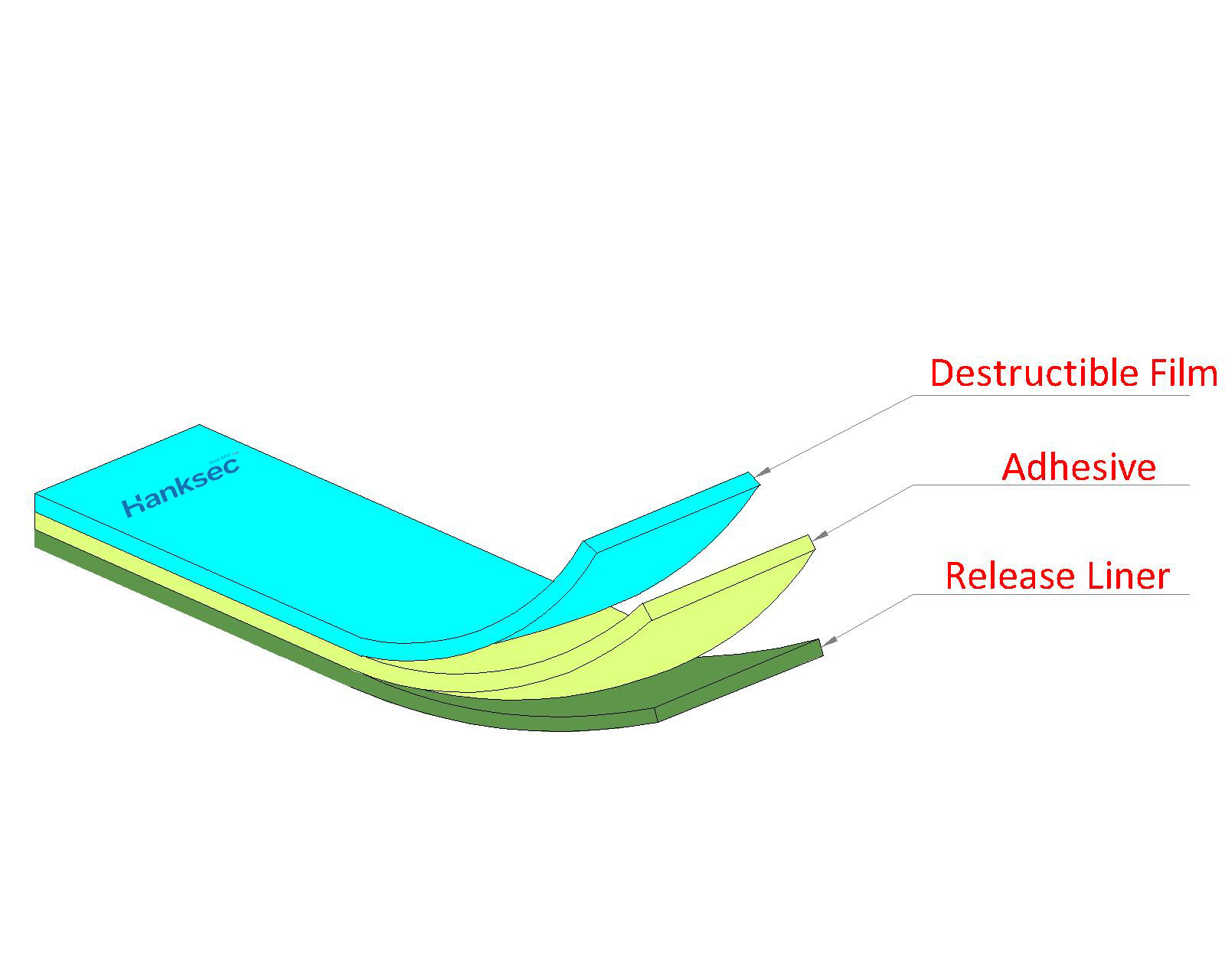
Estrutura do produto