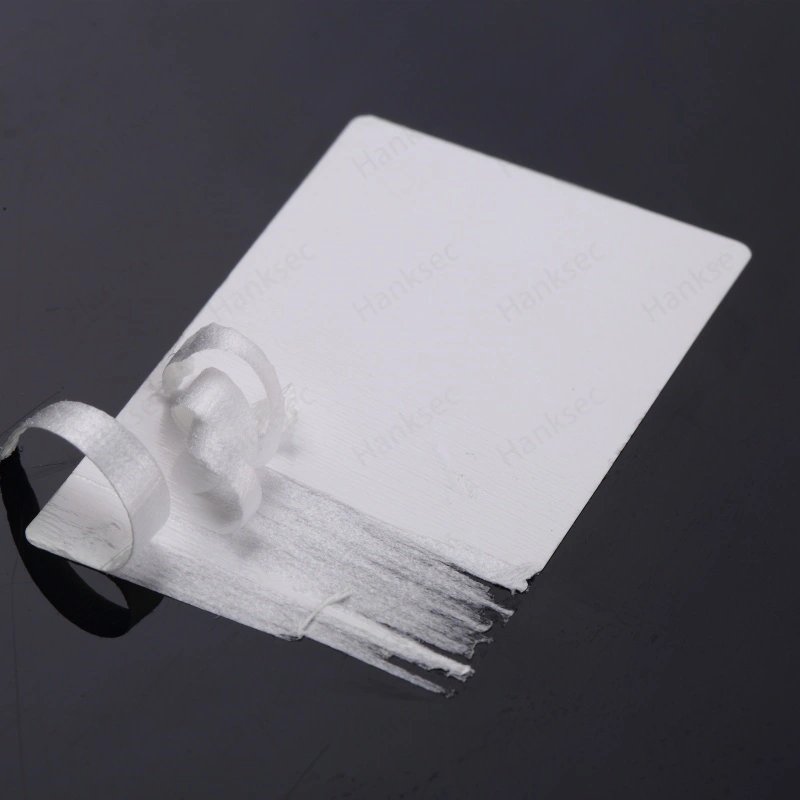
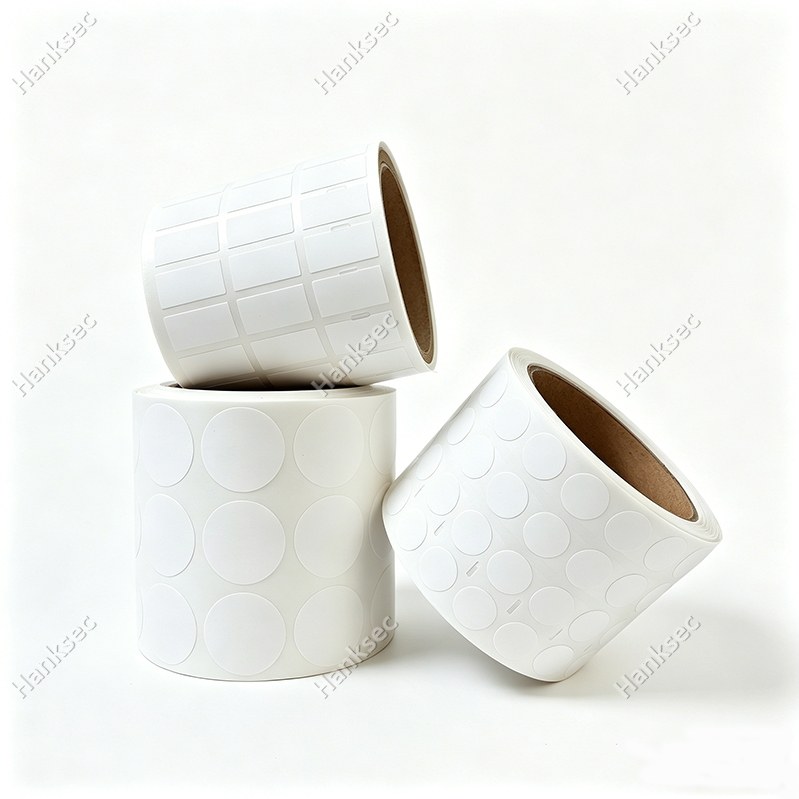
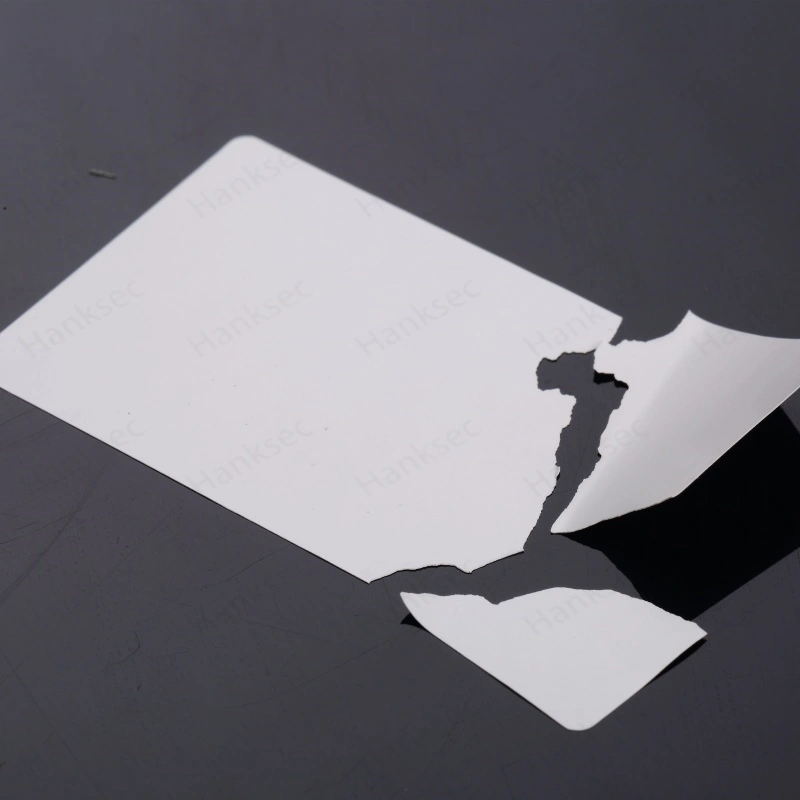
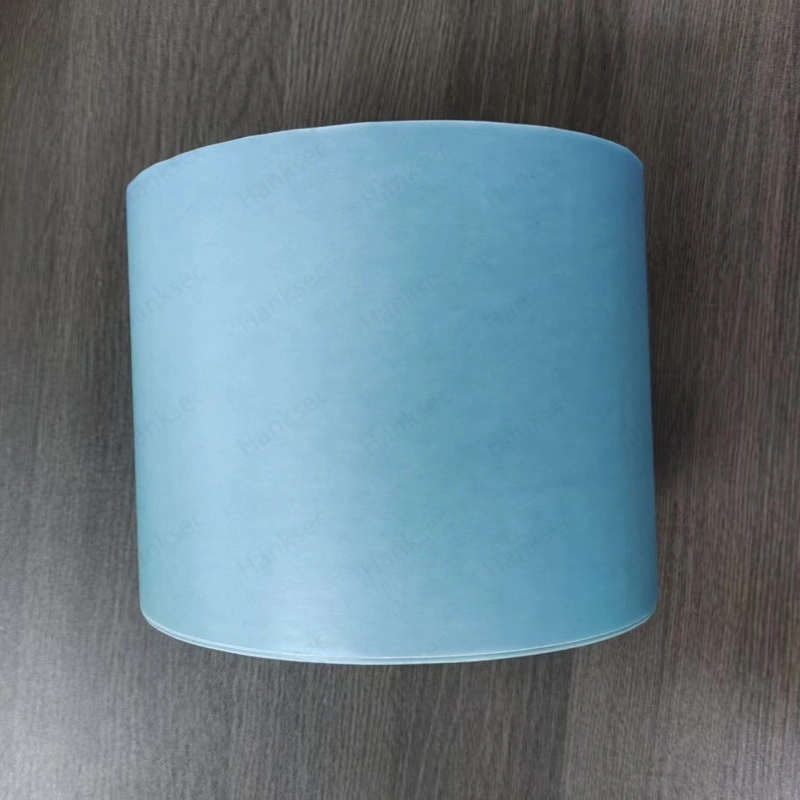
مواد الملصقات القابلة للتدمير من Foamtack هي مواد أمنية مصممة هندسيًا لمقاومة العبث، مصممة لتتكسر إلى أجزاء عند إزالتها.
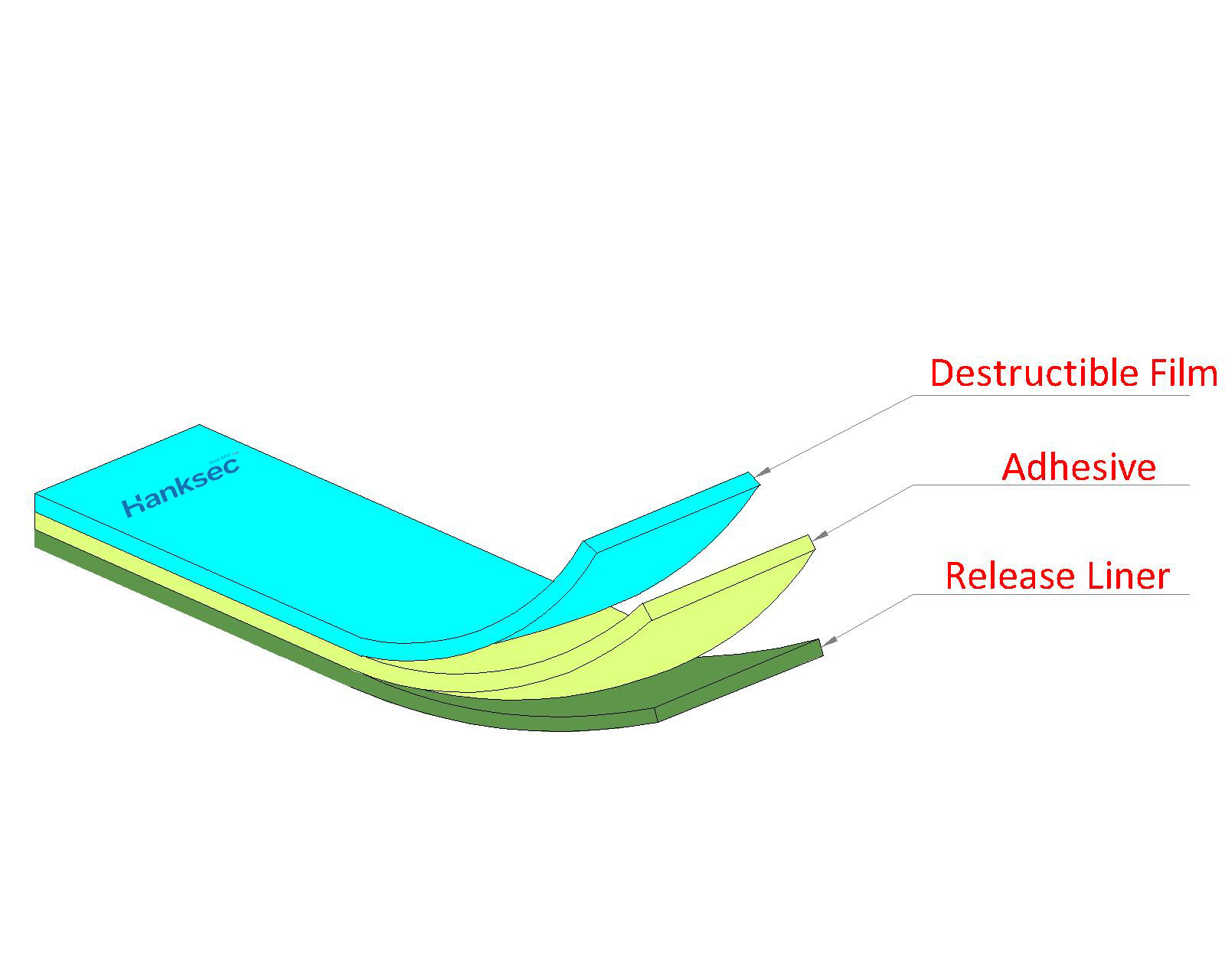
تستخدم مواد الملصقات القابلة للتلف من Foamtack مادة لاصقة وهيكل فيلم مصمم خصيصًا يضمن تلفًا لا رجعة فيه عند محاولة إزالتها.
بمجرد وضع المادة، لا يمكن إزالتها بالكامل دون ترك آثار كسر مرئية، مما يضمن وجود دليل على العبث.
تُستخدم هذه المواد على نطاق واسع في حماية الإلكترونيات، وختم الضمان، وأمن الخدمات اللوجستية، والتغليف المضاد للتزييف.
الميزات الرئيسية لمادة ملصقات هانكسيك فومتاك القابلة للتلف
- بنية لاصقة أساسها الرغوة لتحسين التلامس مع السطح
- ينكسر الغشاء الهش القابل للتلف بعد محاولات إزالته
- مناسب للأسطح الخشنة أو غير المستوية أو ذات الملمس أو المنحنية قليلاً
- يساعد على منع الإزالة النظيفة وإعادة استخدام الملصق والاستبدال غير المصرح به
- مفيد للتغليف الصناعي، وملصقات المعدات، وأختام الكرتون، والأجزاء البلاستيكية
- شعار مخصص، رقم تسلسلي، رمز الاستجابة السريعة، باركود، نص تحذيري، وشكل مقطوع بالقالب متوفرة
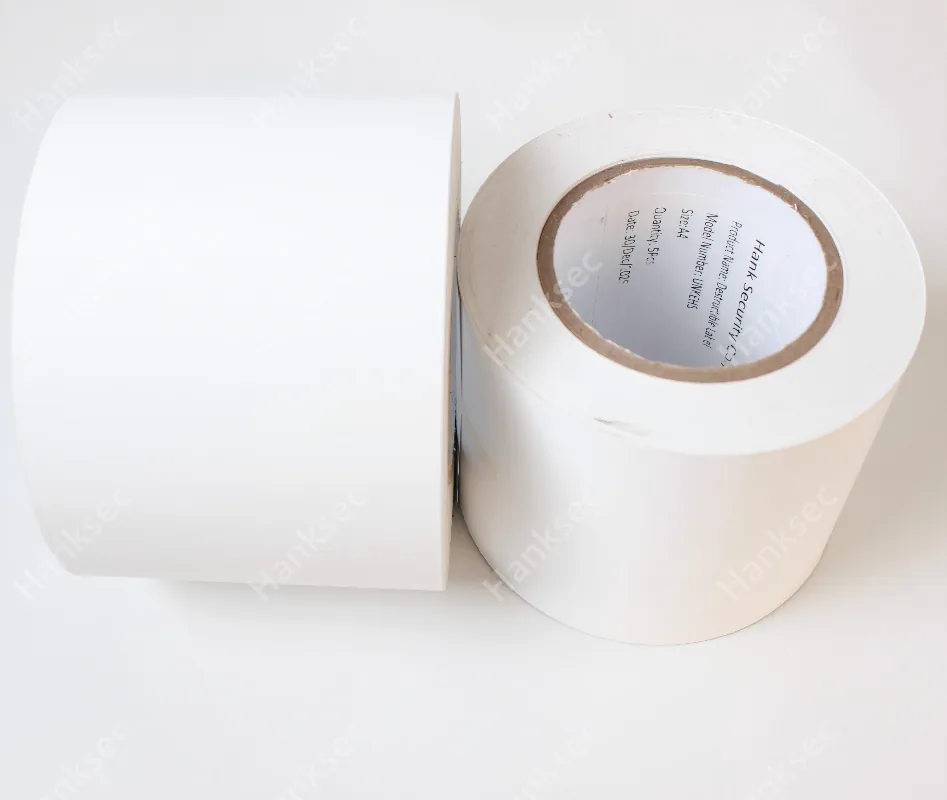
- يمكن توفيرها على شكل لفائف جامبو، أو لفائف مقطعة، أو صفائح، أو ملصقات جاهزة حسب الطلب.
- دعم تصنيع المعدات الأصلية (OEM) وتصميمها (ODM) لمصنعي الملصقات وموردي التغليف وأصحاب العلامات التجارية
التطبيقات الموصى بها
تُستخدم مادة Foamtac Destructible Label Material بشكل شائع لأختام التغليف الخشنة، وملصقات ضمان المعدات، وملصقات الأصول الصناعية، وأختام الهياكل البلاستيكية، وملصقات الأسطح المعدنية، وتغليف الخدمات اللوجستية، والكرتون ذي الأشكال الخاصة، وأمن المستندات، والتحقق من صحة المنتجات المضادة للتزييف.
يُنصح باستخدام هذه المادة عندما لا يكون السطح المُطبّق عليه أملسًا تمامًا، وعندما يحتاج العميل إلى أداء تلامس أقوى من الملصقات الرقيقة العادية القابلة للكسر. فهي تُساعد على تحسين موثوقية الإغلاق مع توفير دليل مرئي على التلف المادي بعد الإزالة.
فومتاك مقابل مواد الملصقات القابلة للتلف القياسية
تتميز مواد الملصقات القابلة للتلف القياسية عادةً بسماكتها الرقيقة، وهي الأنسب للأسطح الملساء والنظيفة والمستوية. أما مادة ملصقات Foamtac القابلة للتلف، فتستخدم بنية رغوية أكثر سمكًا، مما يجعلها أكثر ملاءمةً لأسطح التغليف أو المنتجات التي تتطلب ملءً أفضل للفراغات وتماسكًا أقوى.
بالنسبة لأختام الضمان المسطحة الصغيرة، يمكن للعملاء اختيار الفينيل فائق التلف أو الأغشية القياسية القابلة للتلف. أما بالنسبة للكرتون الخشن، والبلاستيك المصبوب، والأسطح المزخرفة، أو العبوات ذات الأشكال الخاصة، فإن مادة فومتاك توفر حلاً أكثر عملية للربط.
توافق الطباعة والتحويل
يمكن تخصيص مادة ملصقات Foamtac القابلة للتلف بشعارات العلامات التجارية، والأرقام التسلسلية، ورموز الاستجابة السريعة، والباركود، ونصوص التحذير، وعلامات الفحص، وأنماط الأمان. ونظرًا لاحتواء المادة على بنية إسفنجية أكثر سمكًا، يجب اختبار عمق القطع، وضغط القطع، وثبات حافة الملصق، وشد اللفة، وأداء التوزيع قبل الإنتاج بكميات كبيرة.
بالنسبة لشركات تحويل الملصقات ومصانع الطباعة، تشمل نقاط المعالجة الرئيسية ضغط طبقة الرغوة، والربط اللاصق، والتحكم في تمزق مادة الوجه، وأداء إزالة المصفوفة، وقوة تحرير البطانة، وسماكة الملصق النهائية. يمكن لشركة هانكسيك تقديم دعم لاختبار العينات وفقًا لعملية التحويل الخاصة بالعميل.
التوافق السطحي والاختبار
قبل بدء الإنتاج بكميات كبيرة، ينبغي على العملاء اختبار الملصق على سطح الاستخدام الفعلي. قد تختلف خصائص الالتصاق ومقاومة الكسر باختلاف الأسطح، مثل الكرتون الخشن، والأجزاء البلاستيكية المصبوبة، والمعادن المطلية، وهياكل المعدات ذات الملمس الخشن، والورق المقوى المطلي، والتغليف الرغوي، والأسطح المنحنية.
يمكن أن تؤثر عوامل عديدة على النتيجة النهائية، منها الغبار السطحي، والزيوت، ومعالجة الطلاء، وملمس السطح، وضغط التطبيق، ودرجة الحرارة، والرطوبة، ووقت تصلب المادة اللاصقة. بالنسبة للأسطح الخشنة أو غير المستوية، يجب أن تشمل الاختبارات قوة الالتصاق، وثبات التلامس، ومقاومة رفع الحواف، وتأثير التفتت، ومتانة الطباعة، والمظهر النهائي بعد التطبيق.
مواد هانكسيك ذات الصلة القابلة للتدمير وملصقات الأمان
يمكن للعملاء أيضًا استكشاف مواد هانكسيك ذات الصلة، بما في ذلك destructible label materials, مواد ملصقات VOID, أشرطة أمنية مقاومة للعبث, أشرطة أمان باطلة غير قابلة للنقل، و منتجات أمنية مقاومة للعبث.
مراجع الاختبارات والمواد اللاصقة الحساسة للضغط
بالنسبة لمواد ملصقات Foamtac القابلة للتلف، غالبًا ما يُقيّم العملاء قوة الالتصاق عند التقشير، وضغط طبقة الرغوة، والترابط السطحي، ومقاومة رفع الحواف، وسلوك التفتت، ومتانة الطباعة، وثبات التحويل. تشمل المراجع الخارجية المفيدة ما يلي: اختبار الالتصاق بالتقشير وفقًا لمعيار ASTM D3330, طرق اختبار الشريط الحساس للضغط PSTC، و طرق اختبار FINAT للملصقات ذاتية اللصق.
مواصفة
|
صورة شخصية |
فيلم قابل للتدمير تم تطويره ذاتيًا |
|
سمك وجه الورق |
50 - 110 ميكرون أو حسب الطلب |
|
لون |
أبيض مطفي أو حسب الطلب |
|
لاصق |
أكريليك حساس للضغط أو حسب الطلب |
|
لون نهائي |
مات |
|
درجة التدمير |
سهل/متوسط/صعب |
|
الحد الأدنى للطلب |
530 مم × 500 م أو حسب الطلب |
|
بطانة |
60/80 جم ورق زجاجي أو ورق كرافت |
|
المقاس العرض |
100 / 200 / 300 / 530 / 1060 مم أو حسب الطلب |
|
المقاس الطول |
400 / 500 / 1000 / 2000 متر أو حسب الطلب |
|
حجم النواة القياسي |
3 بوصة أو حسب الطلب |
|
نطاق درجة الحرارة |
-20 درجة مئوية - 80 درجة مئوية |
|
مهلة |
3-7 أيام |
|
مدة الصلاحية |
سنة واحدة في الظروف العادية، تجنب أشعة الشمس المباشرة والرطوبة العالية |
|
طرق الطباعة: |
الطباعة الرقمية، الطباعة بالأشعة فوق البنفسجية، الطباعة الحريرية، الطباعة الغائرة، الطباعة الدوارة، الطباعة الأوفست، الطباعة الحرارية، الطباعة النافثة للحبر، إلخ. |
هيكل المنتج