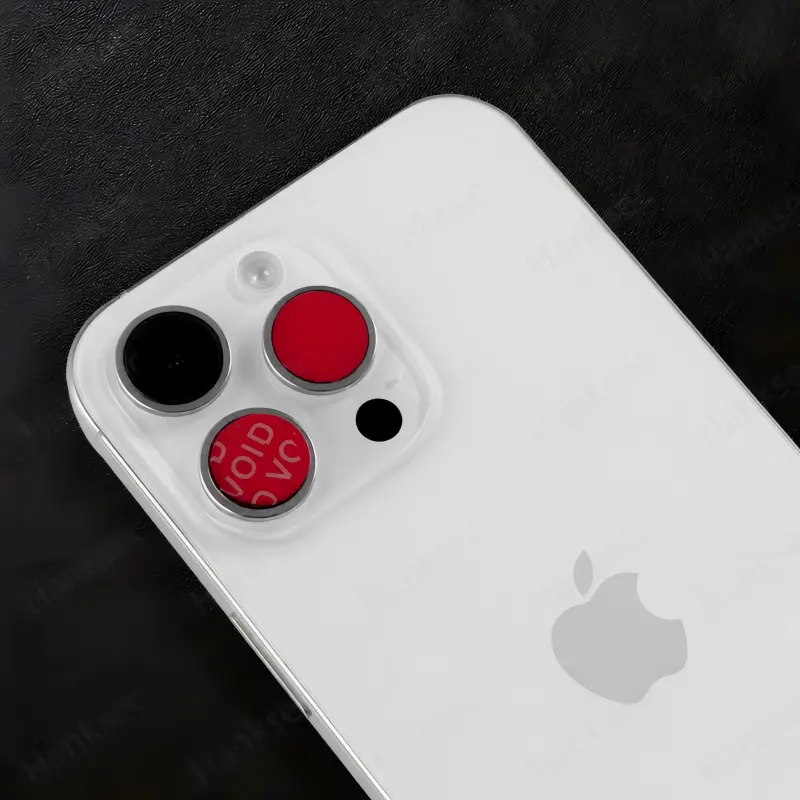
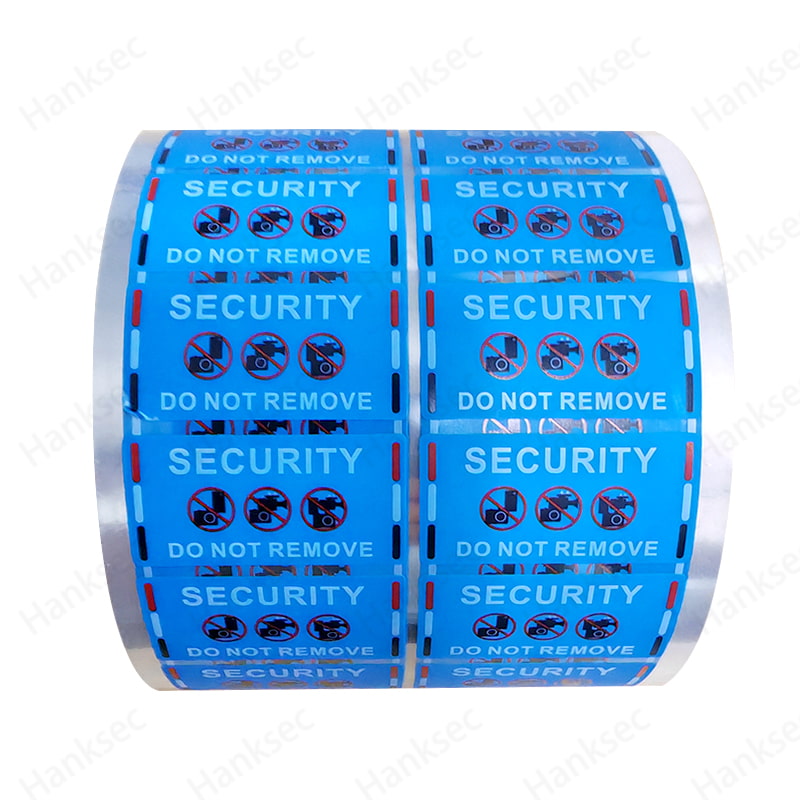
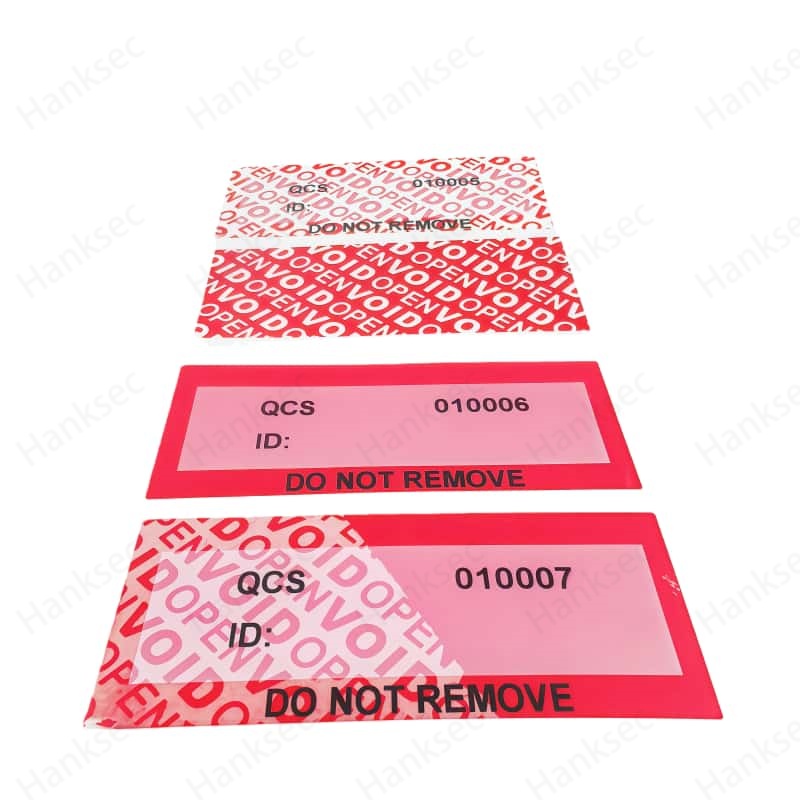
Etichetta VOID a scacchiera a trasferimento parziale per una prova visibile di manomissione.
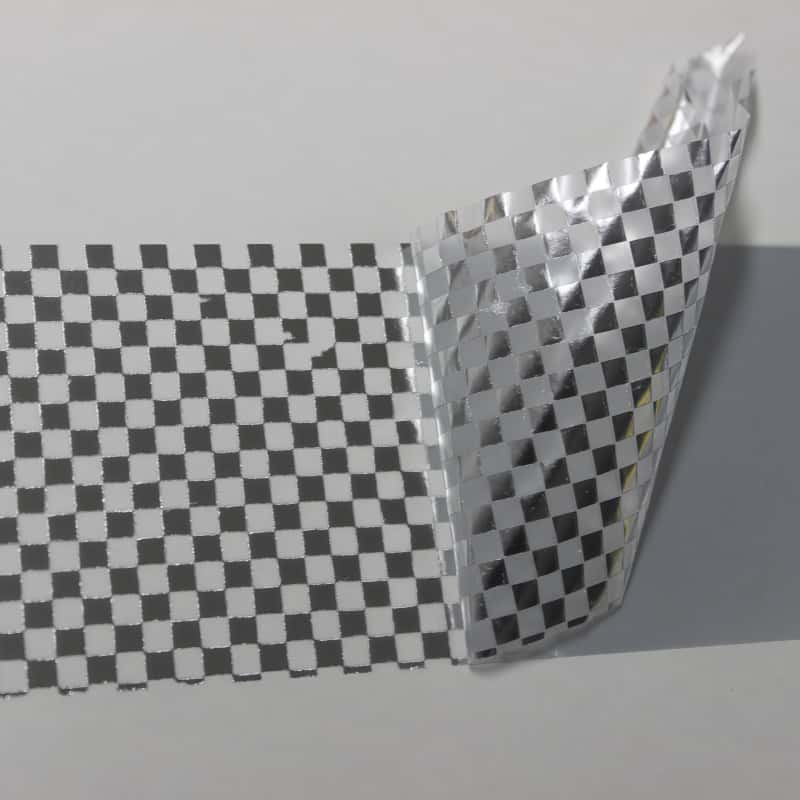
Etichetta VOID a scacchiera a trasferimento parziale Si tratta di un'etichetta di sicurezza antimanomissione progettata per rivelare un motivo a scacchiera una volta rimossa. Quando l'etichetta viene staccata, parte del messaggio di sicurezza nascosto si trasferisce sulla superficie di applicazione, mentre parte della prova di manomissione rimane sulla superficie dell'etichetta.
Questo effetto a scacchiera aiuta gli ispettori a identificare rapidamente se un pacco, una scatola, un cartone, un documento o un sigillo di garanzia è stato aperto. Rispetto ai normali motivi di testo VOID, l'effetto visivo a griglia crea un segnale di ispezione più forte e rende più difficile nascondere un'eventuale riapplicazione.
Come funziona l'etichetta VOID a scacchiera a trasferimento parziale
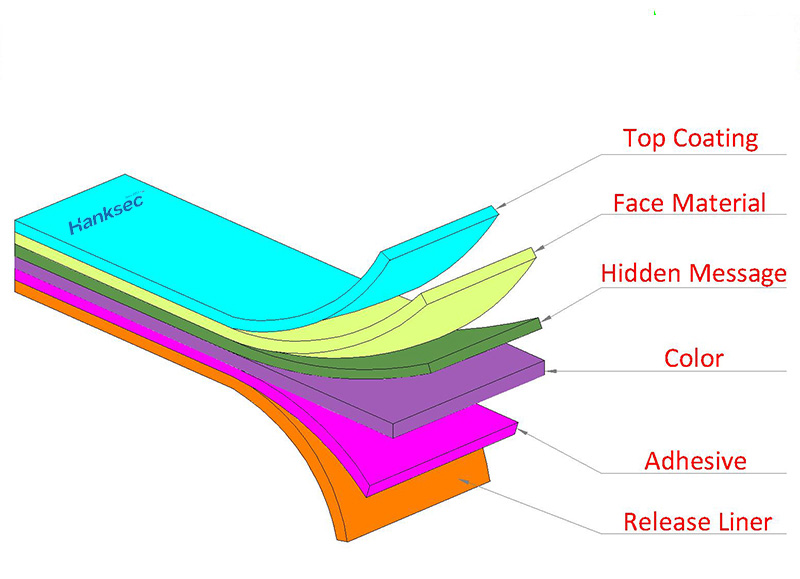
Un'etichetta VOID a scacchiera a trasferimento parziale utilizza uno strato di rilascio controllato tra il materiale di superficie, lo strato con il messaggio nascosto, lo strato adesivo e il liner di rilascio. Dopo l'applicazione dell'etichetta sulla superficie, l'adesivo si lega alla confezione o al prodotto. Quando si tenta di staccarla, il motivo di sicurezza a scacchiera si separa tra l'etichetta e la superficie di applicazione.
Questa struttura a trasferimento parziale offre ai clienti un effetto antimanomissione bilanciato. È più pulita delle etichette a trasferimento completo, ma più resistente delle etichette non a trasferimento quando è richiesta una prova di manomissione in superficie. Il risultato è un marchio di sicurezza visibile e irreversibile che contribuisce a prevenire il riutilizzo dell'etichetta, l'apertura non autorizzata, la risigillatura e la sostituzione del prodotto.
Caratteristiche principali dell'etichetta VOID a scacchiera a trasferimento parziale Hanksec
- Prove di manomissione a scacchiera dopo la rimozione
- Trasferimento parziale dei residui sulla superficie di applicazione
- Il motivo di sicurezza visibile rimane presente sia sull'etichetta che sulla superficie della confezione.
- Adatto per cartoni, scatole di plastica, vetro, metallo, cartone patinato e imballaggi per la vendita al dettaglio.
- Sono disponibili messaggi nascosti personalizzati, motivi a scacchiera, logo, codici a barre, codici QR e numeri di serie.
- Disponibili come etichette finite, fogli, rotoli tagliati o materiali in rotoli jumbo
- Supporto OEM e ODM per convertitori di etichette, fornitori di imballaggi e progetti di protezione del marchio.
Applicazioni consigliate
Le etichette VOID a scacchiera con trasferimento parziale sono adatte per imballaggi per l'e-commerce, etichette di garanzia per prodotti elettronici, scatole per cosmetici, imballaggi per la vendita al dettaglio, cartoni per la logistica, sigillatura di documenti, protezione dei beni, imballaggi medicali e autenticazione anticontraffazione dei prodotti.
Il motivo a scacchiera è particolarmente utile quando i clienti necessitano di un rapido controllo visivo. Aiuta i team di magazzino, i distributori, i proprietari dei marchi e gli utenti finali a riconoscere rapidamente se il sigillo è stato manomesso durante lo stoccaggio, il trasporto, la consegna o il controllo post-vendita.
Schema a scacchiera vs messaggio VOID standard
Le etichette VOID standard solitamente mostrano la scritta VOID ripetuta dopo la rimozione. Un'etichetta VOID a scacchiera crea un motivo a griglia più strutturato, rendendo la prova di manomissione più facilmente visibile su alcune superfici dell'imballaggio. Questo può essere utile per i marchi che desiderano un effetto visivo diverso dai comuni modelli di testo VOIDOPEN o VOID.
Per i progetti di packaging che richiedono una maggiore differenziazione visiva, Hanksec può personalizzare il motivo nascosto, la dimensione della griglia, il contrasto cromatico, la forza adesiva e il livello di trasferimento in base alla superficie e ai requisiti di sicurezza del cliente.
Opzioni personalizzate per etichette VOID a scacchiera con trasferimento parziale
Hanksec è in grado di personalizzare le etichette VOID a scacchiera a trasferimento parziale in base alle dimensioni dell'etichetta, al materiale della superficie, al colore, al messaggio nascosto, al livello di residuo, al sistema adesivo, al liner di rilascio, alla larghezza del rotolo e al metodo di stampa.
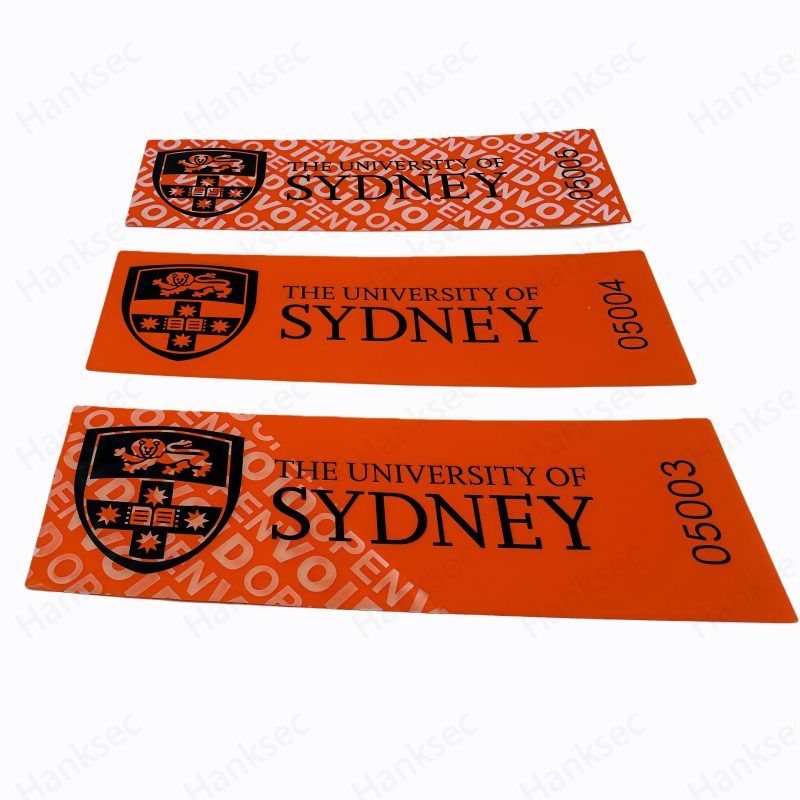
Le opzioni di personalizzazione più comuni includono loghi del marchio, numeri di serie, codici QR, codici a barre, testi di avvertenza, layout a scacchiera, effetti bicolore e messaggi di sicurezza privati. I clienti possono scegliere materiali standard per i test o richiedere la produzione OEM/ODM per progetti di packaging specifici del marchio.
Applicazione Test di Superficie
Prima della produzione di massa, si raccomanda di effettuare dei test su campioni prelevati dalla superficie di applicazione reale. Il rivestimento del cartone, il tipo di plastica, l'energia superficiale, la polvere, l'olio, l'umidità, la temperatura, la pressione e il tempo di incollaggio possono influenzare le prestazioni finali del trasferimento a scacchiera.
Per materiali più lisci come vetro, metallo, plastica rivestita o cartoni laminati, potrebbe essere necessario regolare la forza adesiva e la progettazione dello strato di rilascio. Per cartone ruvido o cartoni riciclati, i clienti dovrebbero testare la trasparenza dei residui e la stabilità dei bordi prima di confermare la produzione in serie.
Materiali di sicurezza correlati a Hanksec VOID
I clienti possono anche esplorare materiali di sicurezza correlati di Hanksec, tra cui: Materiali con etichetta VOID, nastri di sicurezza VOID non trasferibili, nastri di sicurezza antimanomissione, materiali per etichette distruttibili, E prodotti di sicurezza antimanomissione.
Riferimenti per i test e la conversione delle etichette
Per le etichette VOID a scacchiera con trasferimento parziale, i clienti valutano spesso l'adesione durante la pelatura, il trasferimento parziale dei residui, l'adesione superficiale, la stabilità del rilascio, la compatibilità di stampa, la leggibilità del codice a barre e le prestazioni di fustellatura. Utili riferimenti esterni includono Test di adesione per pelatura ASTM D3330, Metodi di prova FINAT per etichette autoadesive, E Standard dei codici a barre GS1.
Come scegliere il materiale giusto per l'etichetta VOID?
I materiali per etichette antimanomissione VOID sono comunemente disponibili in versioni a trasferimento totale, a trasferimento parziale e non trasferibili. Ogni tipologia offre un diverso effetto antimanomissione ed è adatta a diverse applicazioni di imballaggio, etichettatura e sicurezza. Il confronto riportato di seguito aiuta gli acquirenti a selezionare il materiale più adatto in base alle condizioni della superficie, ai requisiti di residuo e al livello di sicurezza.
| Tipo di materiale |
Effetto delle prove di manomissione |
Residui sulla superficie di applicazione |
Caratteristiche principali |
Applicazioni consigliate |
| Materiale per etichette VOID a trasferimento completo |
L'adesivo si trasferisce completamente sulle superfici di applicazione dopo la rimozione |
SÌ |
Prove di manomissione ben visibili, effetto di sicurezza irreversibile, elevata resistenza ai tentativi di apertura. |
Etichette di garanzia, sigilli per componenti elettronici, cartoni per l'esportazione, imballaggi di alto valore, etichette di sicurezza |
| Materiale per etichetta VOID a trasferimento parziale |
Parte del residuo si trasferisce sulla superficie di applicazione dopo la rimozione |
Parziale |
Antimanomissione, finitura più pulita, ispezione più semplice, adatto alla sicurezza generale degli imballaggi. |
Imballaggi per e-commerce, scatole per la vendita al dettaglio, etichette logistiche, cartoni per spedizioni, sigilli antimanomissione generici |
| Materiale per etichetta VOID non trasferibile |
Il messaggio VOID / OPEN VOID appare sulla pellicola dell'etichetta dopo la rimozione |
NO |
Senza lasciare residui di prova di manomissione, superficie pulita dopo la rimozione, adatto a superfici pregiate e delicate. |
Contenitori riutilizzabili, elettronica, dispositivi medici, imballaggi ecologici, etichette per risorse IT, imballaggi per prodotti di lusso |
Specifiche
|
Facestock |
Animale domestico o personalizzato |
|
Spessore della superficie |
25/36/50 micron o personalizzato |
|
Schema di distruzione |
ANNULLATO / ANNULLATO / APERTO / SICUREZZA / Personalizzato / Può essere personalizzato con il tuo logo o qualsiasi altra stampa su richiesta |
|
Colore |
Ologramma, Argento, Oro, Blu, Rosso, Nero, Bianco, Giallo, Verde, Trasparente, Arancione o Personalizzato (numero Pantone) |
|
Adesivo |
Adesivo acrilico termofusibile sensibile alla pressione |
|
Finitura a colori |
Lucido / Opaco |
|
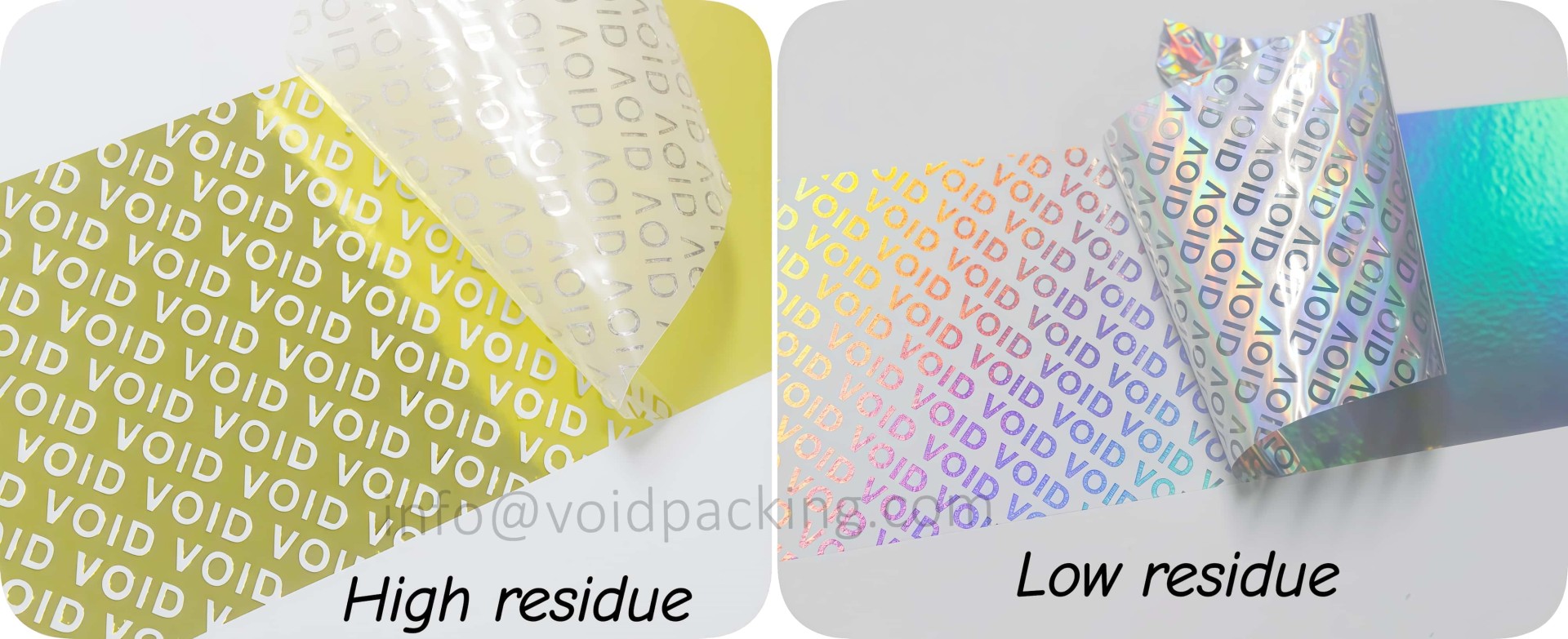
Residui |
Alto residuo / Basso residuo |
|
MOQ |
1070 mm*500 m o personalizzato o nessun ordine minimo per materiali in stock |
|
Fodera |
Carta pergamena / carta kraft da 60/80 g o personalizzata |
|
Larghezza della taglia |
100 / 200 / 300 / 530 / 1070 mm o personalizzato |
|
Dimensioni Lunghezza |
400 / 500 / 1000 / 2000 metri o personalizzato |
|
Dimensioni standard del nucleo |
3 pollici o personalizzato |
|
Intervallo di temperatura |
-20°C - 80℃ |
|
Tempi di consegna |
Da 3 a 7 giorni o più per i tipi personalizzati, inclusa la realizzazione di lastre di rame. |
|
Durata di conservazione |
2 anni in condizioni normali, evitare la luce solare diretta e l'umidità elevata |
|
Metodi di stampa: |
Stampa digitale, stampa UV, serigrafia, stampa calcografica, stampa rotativa, stampa offset, stampa a trasferimento termico, stampa a getto d'inchiostro, ecc. |
Residui bassi/alti
Struttura del prodotto