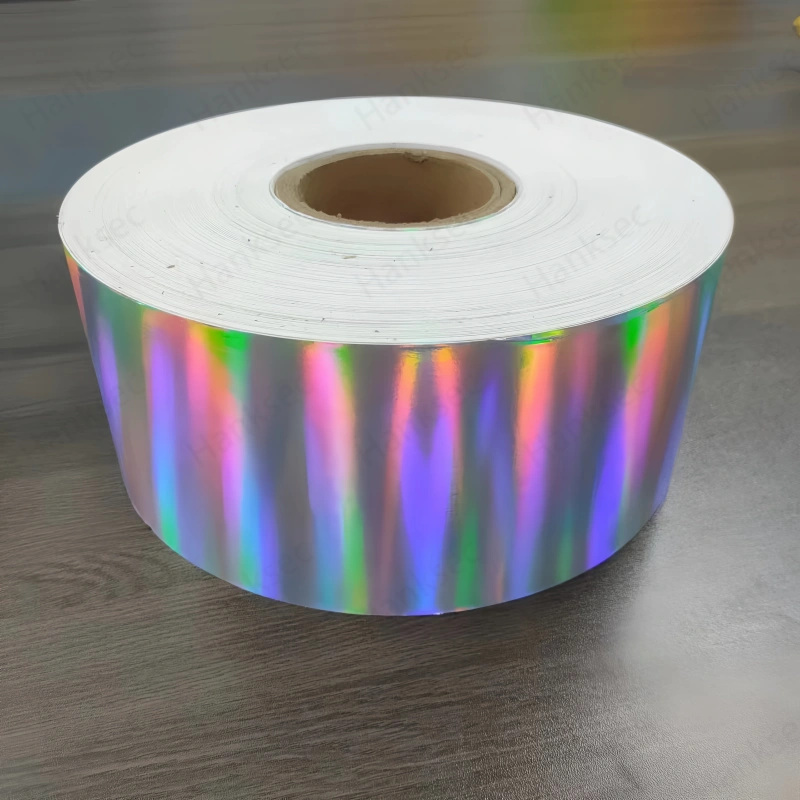
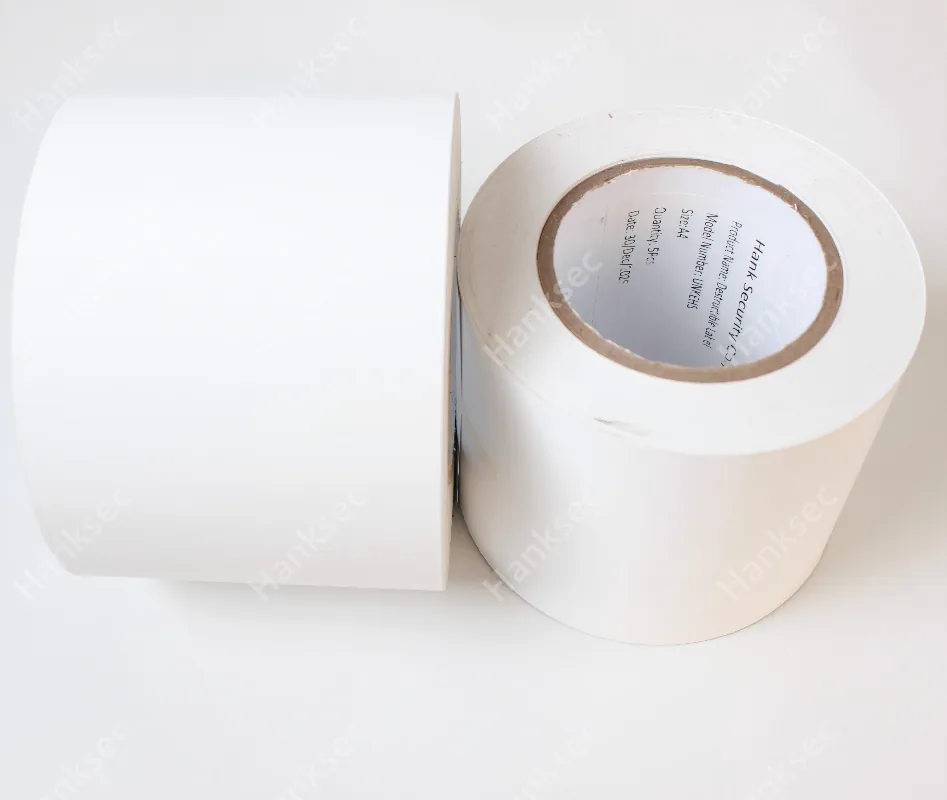
Coextrudiertes, zerstörbares Etikettenmaterial für einstellbare Sicherheitsleistung
Co-extrudiertes, zerstörbares Etikettenmaterial Es handelt sich um eine mehrlagige, empfindliche Sicherheitsfolie, die für manipulationssichere Etiketten entwickelt wurde, die eine kontrollierte Reißfestigkeit, stabile Verarbeitungseigenschaften und zuverlässige Zerstörung nach Entfernungsversuchen erfordern. Im Vergleich zu herkömmlichen einlagigen, selbstzerstörenden Folien ermöglicht die koextrudierte Struktur eine bessere Kontrolle von Flexibilität, Sprödigkeit, Dicke und Handhabungsfestigkeit.
Dieses Material eignet sich für Geräteetiketten, Inventaretiketten, großflächige Sicherheitsetiketten, automatische Etikettierprojekte, Garantiesiegel für Elektronikgeräte, Industrieverpackungen, Dokumentensicherheit und kundenspezifische Fälschungsschutzanwendungen. Es ist besonders nützlich, wenn Kunden ein zerstörbares Etikett benötigen, das einfacher zu verarbeiten ist als ultrafragile Folien, aber dennoch nach dem Entfernen sichtbare Beschädigungen aufweist.
Funktionsweise von coextrudiertem, selbstzerstörendem Etikettenmaterial
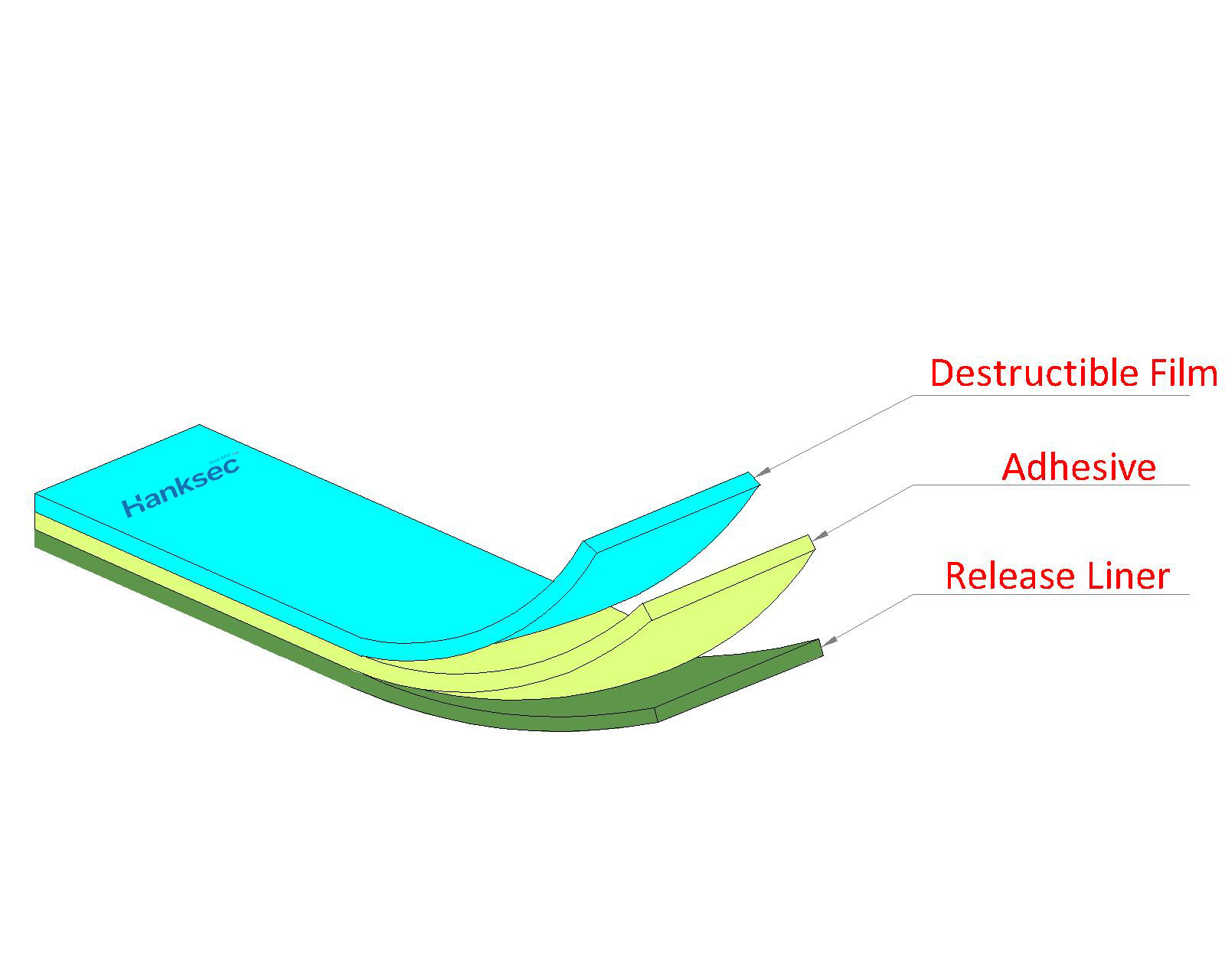
Das koextrudierte, selbstzerstörende Etikettenmaterial besteht aus einer mehrschichtigen Folienstruktur anstelle einer einzelnen, empfindlichen Schicht. Jede Schicht kann so gestaltet werden, dass sie eine andere Funktion erfüllt, wie z. B. Bedruckbarkeit der Oberfläche, kontrolliertes Einreißen, Dimensionsstabilität, Klebeverbindung oder das endgültige Bruchverhalten.
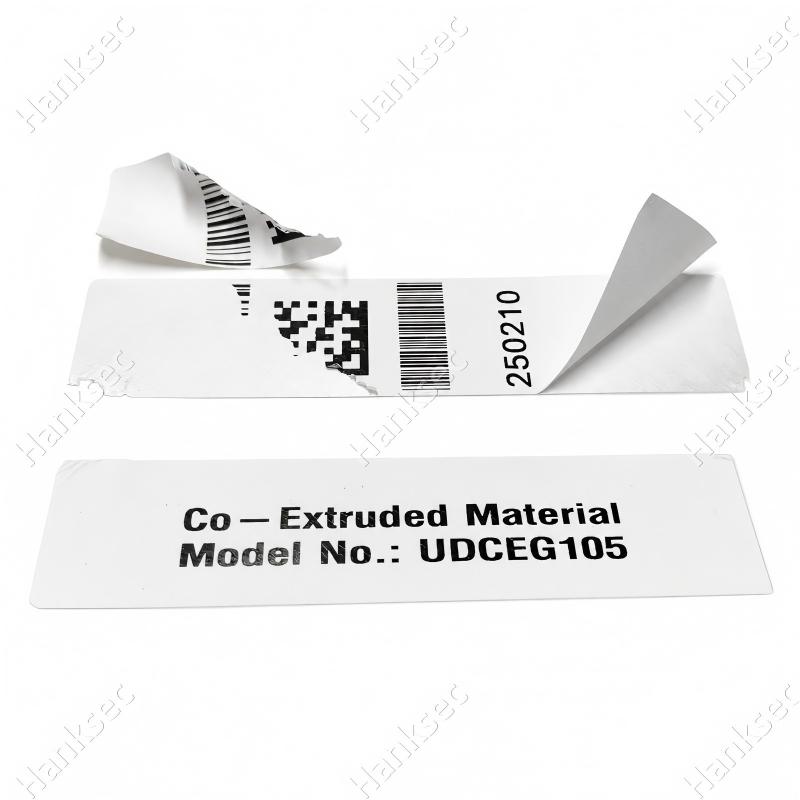
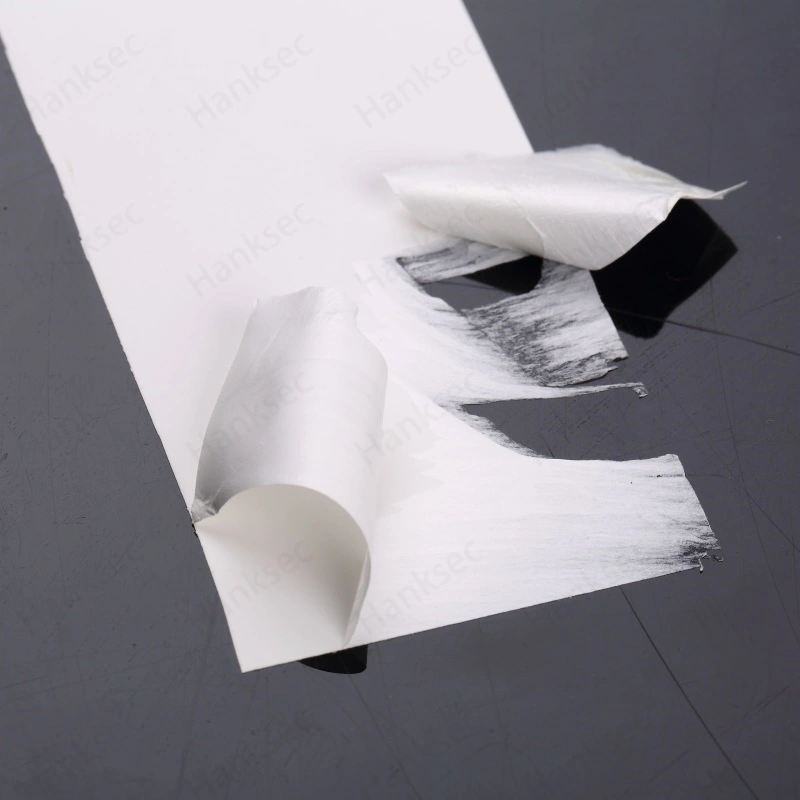
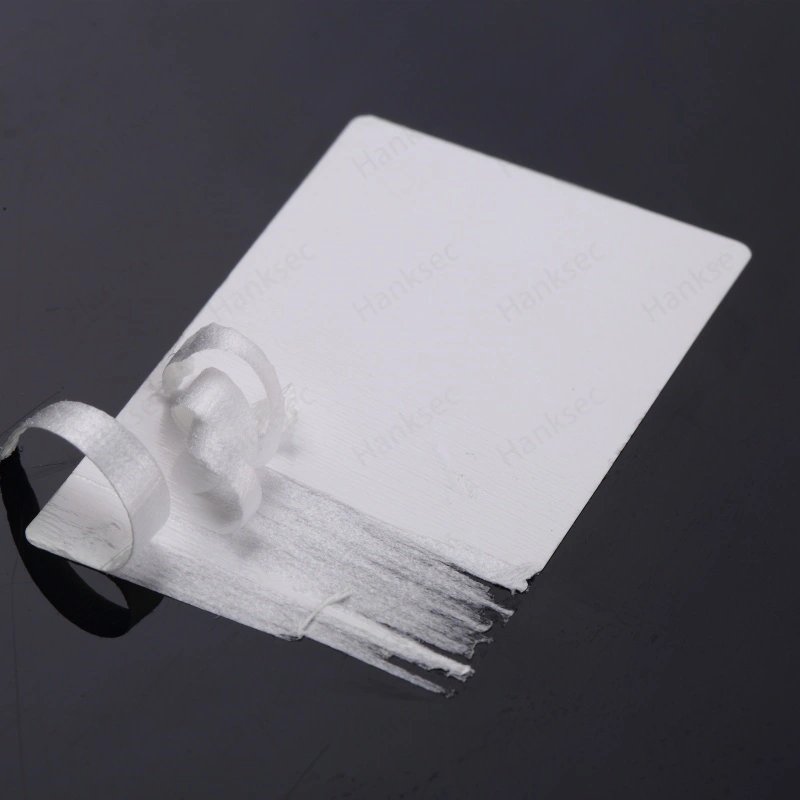
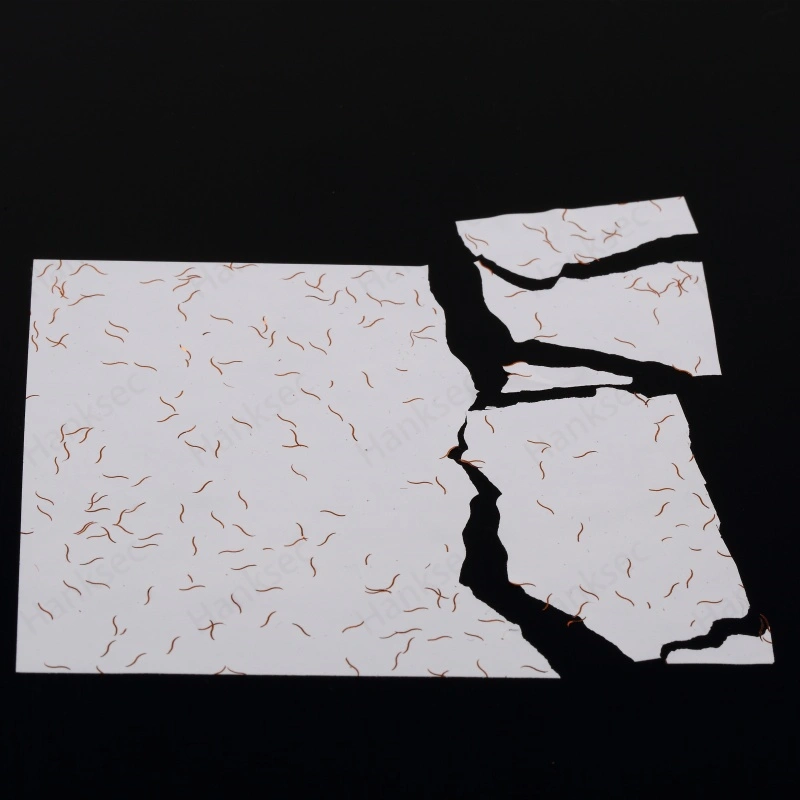
Nach dem Aufbringen des Etiketts auf die Oberfläche wirkt die Klebeverbindung mit der zerstörbaren Folienstruktur zusammen. Beim Versuch, das Etikett zu entfernen, bricht, dehnt sich das Material ungleichmäßig, reißt oder fragmentiert – abhängig von der gewählten Zusammensetzung und dem gewünschten Zerstörbarkeitsgrad. Dies verhindert ein sauberes Entfernen und erschwert die Wiederverwendung des Etiketts.
Warum sollte man sich für coextrudiertes, selbstzerstörendes Etikettenmaterial entscheiden?
Manche Projekte erfordern ein zerstörbares Material, das beim Drucken, Stanzen, Schneiden oder automatischen Etikettieren nicht zu empfindlich ist. Ultrazerstörbare Folien können bei der Weiterverarbeitung zu leicht brechen, während harte, zerstörbare Folien für Hochsicherheitsanwendungen möglicherweise nicht genügend sichtbare Beschädigungen aufweisen.
Das koextrudierte, selbstzerstörende Etikettenmaterial trägt dazu bei, diese Anforderungen in Einklang zu bringen. Es lässt sich so anpassen, dass es eine höhere Verarbeitungsstabilität bietet und gleichzeitig nach dem Entfernen einen eindeutigen Manipulationsnachweis liefert. Dadurch eignet es sich für Kunden, die sowohl Produktionseffizienz als auch Schutz vor Entfernung benötigen.
Hauptmerkmale des koextrudierten, zerstörbaren Etikettenmaterials von Hanksec
- Mehrschichtige, koextrudierte Folienstruktur für kontrollierte Sicherheitsleistung
- Anpassbare Zerstörungsfähigkeit für verschiedene Etikettengrößen und Applikationsoberflächen
- Bessere Handhabungsstabilität als extrem zerbrechliche einlagige Materialien
- Geeignet zum Bedrucken, Stanzen, Schneiden, Weiterverarbeiten und automatischen Etikettieren
- Hinterlässt nach Entfernungsversuchen sichtbare physische Schäden.
- Hilft dabei, die Wiederverwendung von Etiketten, unautorisierten Austausch und Garantiebetrug zu verhindern.
- Individuelles Logo, Seriennummer, Barcode, QR-Code, Warntext und Stanzform verfügbar
- Erhältlich als Jumborollen, geschnittene Rollen, Bogen oder fertige individuelle Etiketten
- OEM- und ODM-Unterstützung für Verarbeiter, Druckereien, Händler und Markeninhaber
Empfohlene Anwendungen
Co-extrudiertes, selbstzerstörendes Etikettenmaterial wird häufig für Geräteetiketten, Garantiesiegel für Elektronikgeräte, Etiketten für große Anlagen, industrielle Identifikationsetiketten, Sicherheitsetiketten für die Logistik, Zertifikatsetiketten, Reparaturkontrolletiketten, Verpackungssiegel und zur Authentifizierung von Produkten gegen Produktfälschungen verwendet.
Für die automatische Etikettierung oder größere Etikettenformate bietet dieses Material eine höhere Festigkeit als ultra-fragile Materialien. Bei Sicherheitsprojekten, die sichtbare Beschädigungsnachweise erfordern, hilft die zerstörbare Struktur den Prüfern dennoch dabei, festzustellen, ob das Etikett entfernt, ersetzt oder manipuliert wurde.
Coextrudiertes Material vs. Standard-Zerstörungsfolie
Herkömmliche, selbstzerstörende Folien nutzen üblicherweise ein einzelnes, sprödes Deckmaterial, um einen Brucheffekt zu erzielen. Coextrudierte, selbstzerstörende Materialien verwenden hingegen einen mehrschichtigen Aufbau, der es ermöglicht, verschiedene Leistungsfaktoren präziser an die jeweilige Kundenanwendung anzupassen.
Für kleine Garantiesiegel, die maximale Bruchfestigkeit erfordern, ist hochreißbares Vinyl möglicherweise besser geeignet. Für große Etiketten, automatische Abfüllanlagen, Gerätebeschriftungen oder Projekte, die eine ausgewogenere Bruchfestigkeit erfordern, bietet coextrudiertes, selbstzerstörendes Etikettenmaterial eine praktischere Lösung.
Kompatibilität beim Drucken und Konvertieren
Das koextrudierte, selbstzerstörende Etikettenmaterial ermöglicht den individuellen Druck von Logos, Barcodes, QR-Codes, Seriennummern, Prüfzeichen, Warnhinweisen und Sicherheitsmustern. Da das Material auf kontrollierte Reißfestigkeit ausgelegt ist, eignet es sich besser für Druck- und Weiterverarbeitungsprozesse als extrem empfindliche Folien.
Für Etikettenhersteller sind Stanztiefe, Ablöseleistung, Walzenspannung, Druckhaftung, Ablösekraft des Trägermaterials und Etikettiergeschwindigkeit wichtige Verarbeitungsfaktoren. Hanksec bietet Unterstützung bei der Musterprüfung, um Kunden bei der Bestimmung der geeigneten Dicke, Klebkraft, des Trägermaterials, der Rollenbreite und des Verarbeitungsverfahrens zu helfen.
Oberflächenverträglichkeit und Prüfung
Vor der Serienproduktion sollten Kunden das Material auf der tatsächlichen Anwendungsfläche testen. Kunststoffgehäuse, lackiertes Metall, beschichtete Kartons, Gerätepaneele, Glas, laminierte Pappe, Dokumentenpapier und strukturierte Oberflächen können unterschiedliche Haft- und Ablösungseigenschaften aufweisen.
Oberflächenstaub, Öl, Beschichtungsbehandlung, Anpressdruck, Temperatur, Luftfeuchtigkeit und Aushärtezeit des Klebstoffs können das Endergebnis der Sicherheitskennzeichnung beeinflussen. Bei Projekten zur Kennzeichnung von Industrieanlagen oder Anlagen sollten die Tests die Schälfestigkeit, das Bruchverhalten, die Haltbarkeit des Aufdrucks, die Lesbarkeit des Barcodes, die Beständigkeit gegen Ablösen an den Kanten und das endgültige Erscheinungsbild nach der Anwendung umfassen.
Optionen für kundenspezifische, coextrudierte, selbstzerstörende Etikettenmaterialien
Hanksec fertigt coextrudierte, selbstzerstörende Etikettenmaterialien individuell nach Dicke, Zerstörbarkeitsgrad, Oberflächenfarbe, Klebstoffsystem, Trennfolie, Rollenbreite, Druckverfahren, Etikettengröße und Anwendungsfläche. Kunden können Materialrollen zur Weiterverarbeitung oder fertige Etiketten zur direkten Verwendung wählen.
Zu den gängigen Individualisierungsoptionen gehören der Aufdruck des Markenlogos, variable Seriennummern, QR-Codes, Barcodes, Warntexte, benutzerdefinierte Formen, private Sicherheitsmuster und unterschiedliche Bruchfestigkeitsstufen für spezielle OEM/ODM-Projekte.
Verwandte Hanksec-Materialien für zerstörbare und Sicherheitsetiketten
Kunden können auch verwandte Hanksec-Materialien erkunden, darunter zerstörbare Etikettenmaterialien, VOID-Etikettenmaterialien, manipulationssichere Sicherheitsbänder, nicht übertragbare VOID-Sicherheitsbänder, Und manipulationssichere Sicherheitsprodukte.
Prüf- und Filmentwicklungsreferenzen
Bei coextrudierten, selbstzerstörenden Etikettenmaterialien bewerten Kunden häufig die Schälhaftung, Reißfestigkeit, Folienstabilität, Druckbeständigkeit, Barcode-Lesbarkeit, Ablösekraft des Trägerpapiers und die Verarbeitungsleistung. Hilfreiche externe Referenzen sind: ASTM D3330 Schälhaftungsprüfung, FINAT-Prüfmethoden für Selbstklebeetiketten, Und ISO 14298 Sicherheitsdruckmanagement.
Spezifikation
|
Facestock |
Selbstentwickelter zerstörbarer Film |
|
Stirnplattenstärke |
50–110 Mikrometer oder kundenspezifisch |
|
Farbe |
Mattweiß oder individuell |
|
Klebstoff |
Druckempfindliches Acryl oder individuell |
|
Farbausführung |
Matt |
|
Zerstörbarkeitsgrad |
Leicht/Mittel/Schwer |
|
Mindestbestellmenge |
530 mm × 500 m oder kundenspezifisch |
|
Liner |
60/80g Pergaminpapier oder Kraftpapier |
|
Größe Breite |
100 / 200 / 300 / 530 / 1060 mm oder kundenspezifisch |
|
Größe Länge |
400 / 500 / 1000 / 2000M oder kundenspezifisch |
|
Standardkerngröße |
3 Zoll oder individuell |
|
Temperaturbereich |
-20 °C - 80 °C |
|
Lieferzeit |
3-7 Tage |
|
Haltbarkeit |
Unter normalen Bedingungen 1 Jahr haltbar. Direkte Sonneneinstrahlung und hohe Luftfeuchtigkeit vermeiden. |
|
Druckverfahren: |
Digitaldruck, UV-Druck, Siebdruck, Tiefdruck, Rotationsdruck, Offsetdruck, Thermotransferdruck, Tintenstrahldruck usw. |
Produktstruktur