Kurze Antwort:
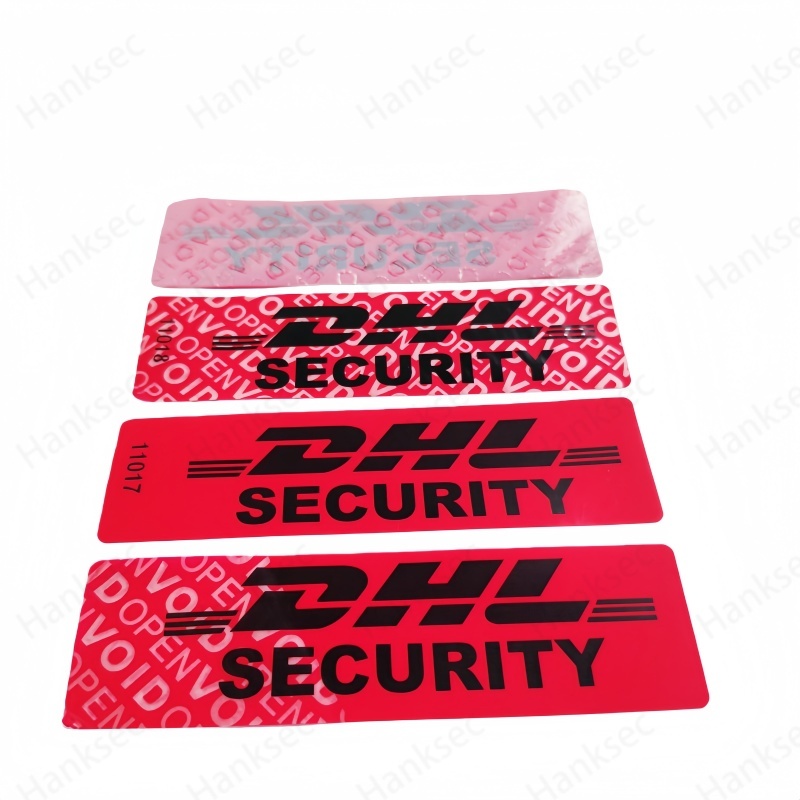
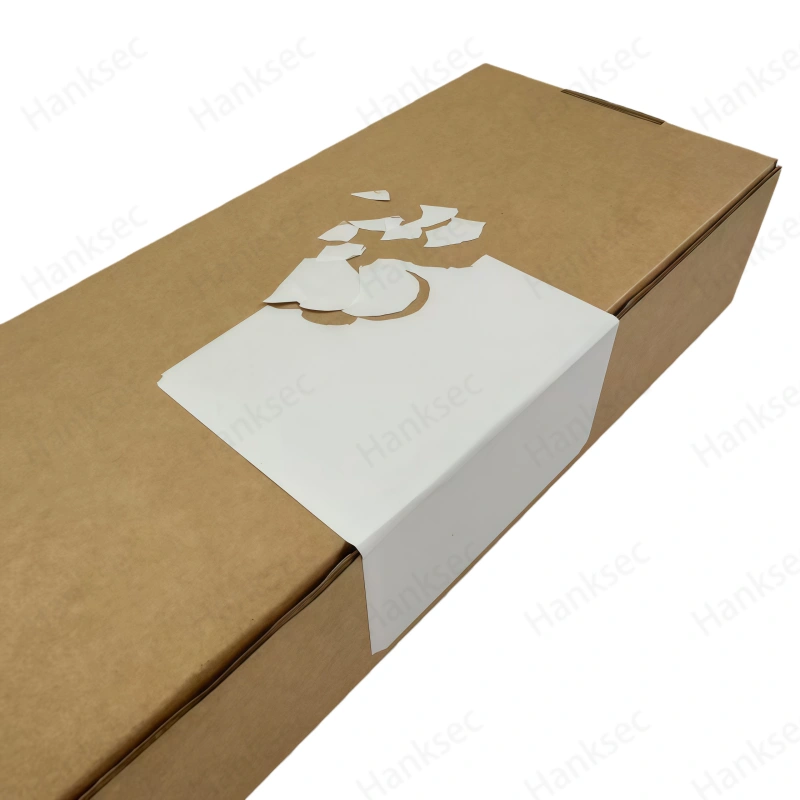
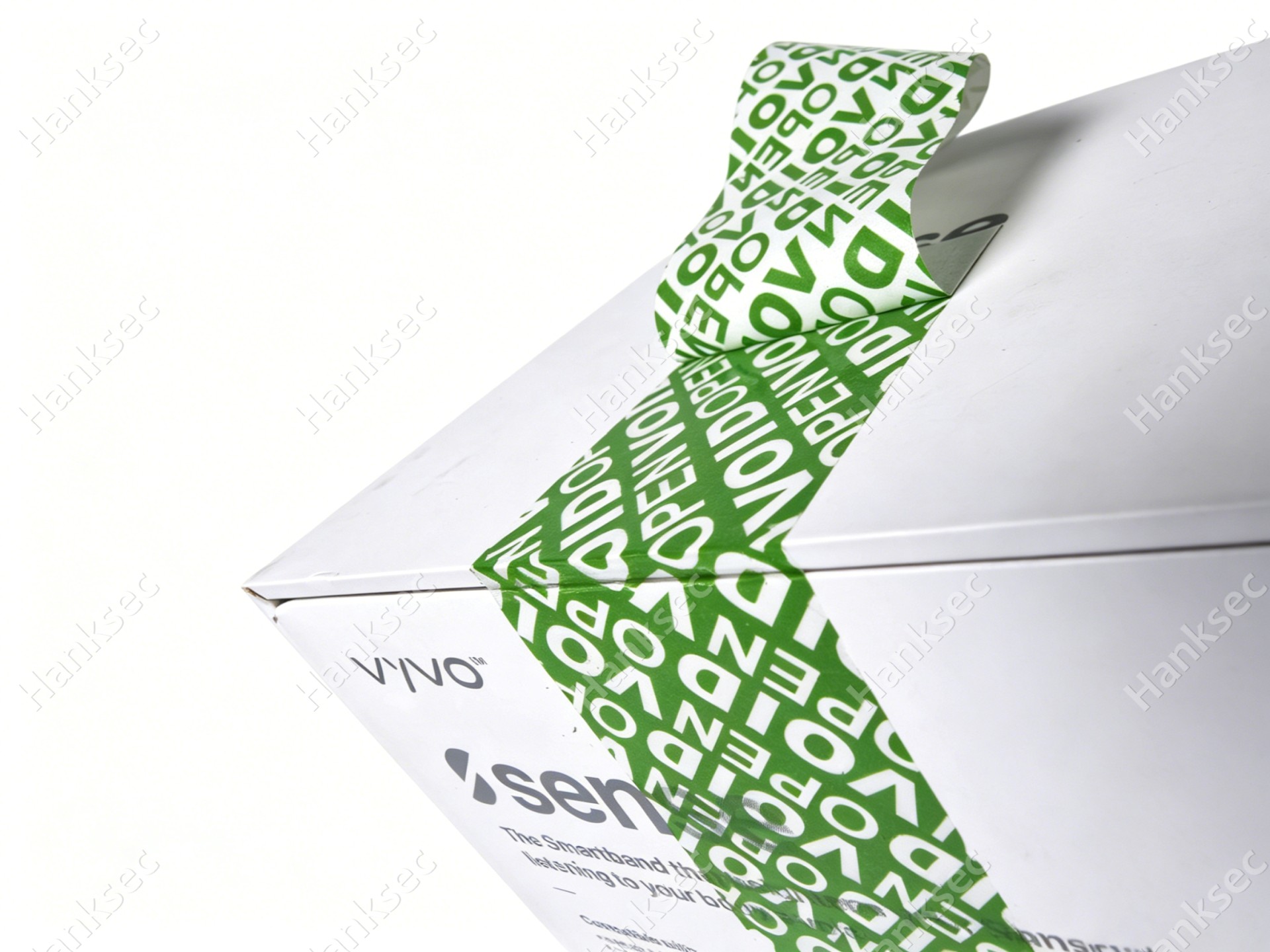
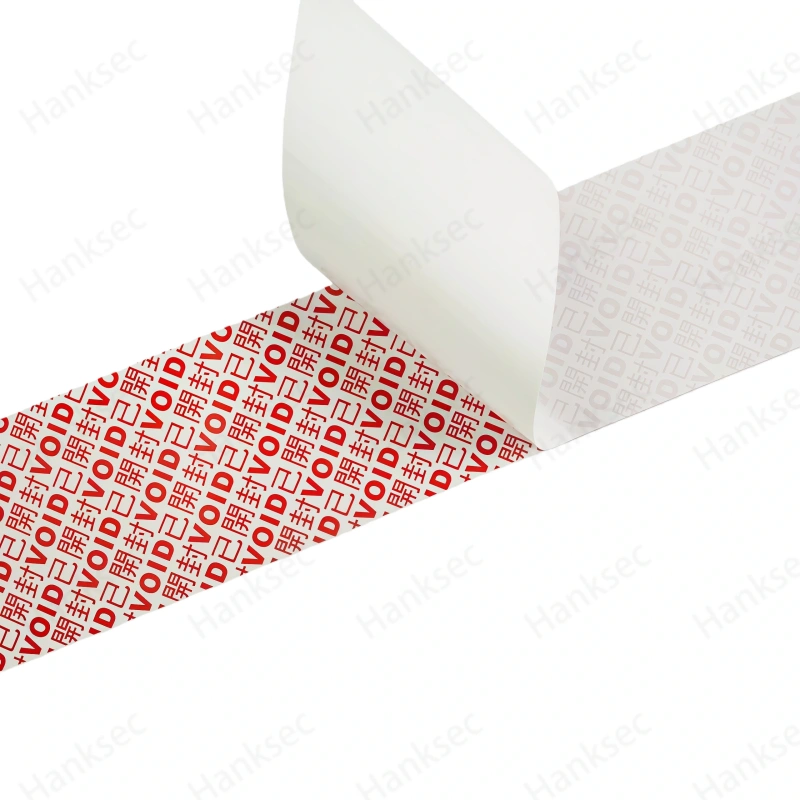
Paper VOID labels Es handelt sich um manipulationssichere Sicherheitsetiketten, die ein Papierobermaterial mit einer kontrollierten Sicherheitsschicht und einem druckempfindlichen Klebstoffsystem kombinieren. Beim Versuch, sie zu entfernen, entstehen irreversible Spuren wie die Aufschrift „UNGÜLTIG“ / „GEÖFFNET“, Klebereste, ein Riss zwischen Etikett und Verpackung oder sichtbare Beschädigungen des Papiers.
Sie werden häufig für Kartons, Pappschachteln, Kraftpapier-Versandtaschen, Dokumentenverschlüsse und andere faserbasierte Verpackungen verwendet, bei denen Käufer einen sichtbaren Manipulationsschutz in papierähnlicher Optik wünschen. Eine Papieroberfläche macht das gesamte Etikett jedoch nicht automatisch recycelbar, biologisch abbaubar oder für alle Papierrecyclingströme geeignet. Klebstoff, Funktionsbeschichtungen, Trennpapier, Druck und die endgültige Verpackungskonstruktion müssen ebenfalls bewertet werden.
Für Etikettenhersteller, Sicherheitsdruckereien und Verpackungskäufer sind die wichtigsten Auswahlkriterien der erforderliche Manipulationsschutz, das Anwendungssubstrat, die Papieroberfläche, das Klebstoffsystem, der Druck- und Weiterverarbeitungsprozess, die Umwelteinflüsse und die Endkontrolle. Die Qualifizierung von Mustern auf der realen Verpackung sollte vor der Serienproduktion abgeschlossen sein.
What Are Paper VOID Labels?
Papier-VOID-Etiketten sind eine Kategorie von druckempfindlichen, manipulationssicheren Etiketten, deren sichtbare Seite aus Papier und nicht aus einer herkömmlichen PET-Sicherheitsfolie besteht. Die Papieroberfläche kann beschichtet, unbeschichtet, in Kraftpapier-Optik oder aus einem anderen projektspezifischen Papier gefertigt sein. Die Sicherheitswirkung wird durch die internen Funktionsschichten und das Klebesystem erzielt.
Der Begriff Papier-VOID-Etikett Der Begriff sollte nicht so verwendet werden, als beschreibe er eine einzige universelle Konstruktion. In der Praxis können mehrere Konstruktionen unter diese Bezeichnung fallen:
- Ein papierkaschiertes Etikett mit einer kontrollierten VOID / OPENED-Transferschicht.
- Ein Sicherheitsetikett aus Papier, das die Übermittlung einer Nachricht mit dem sichtbaren Einreißen des Obermaterials kombiniert.
- Eine papierbasierte Konstruktion, die für vollständige, teilweise oder nicht übertragene Beweismittel konzipiert ist.
- Ein hybrides Sicherheitsetikett aus Papier mit zusätzlichen bedruckbaren Schutz- oder Authentifizierungsschichten.
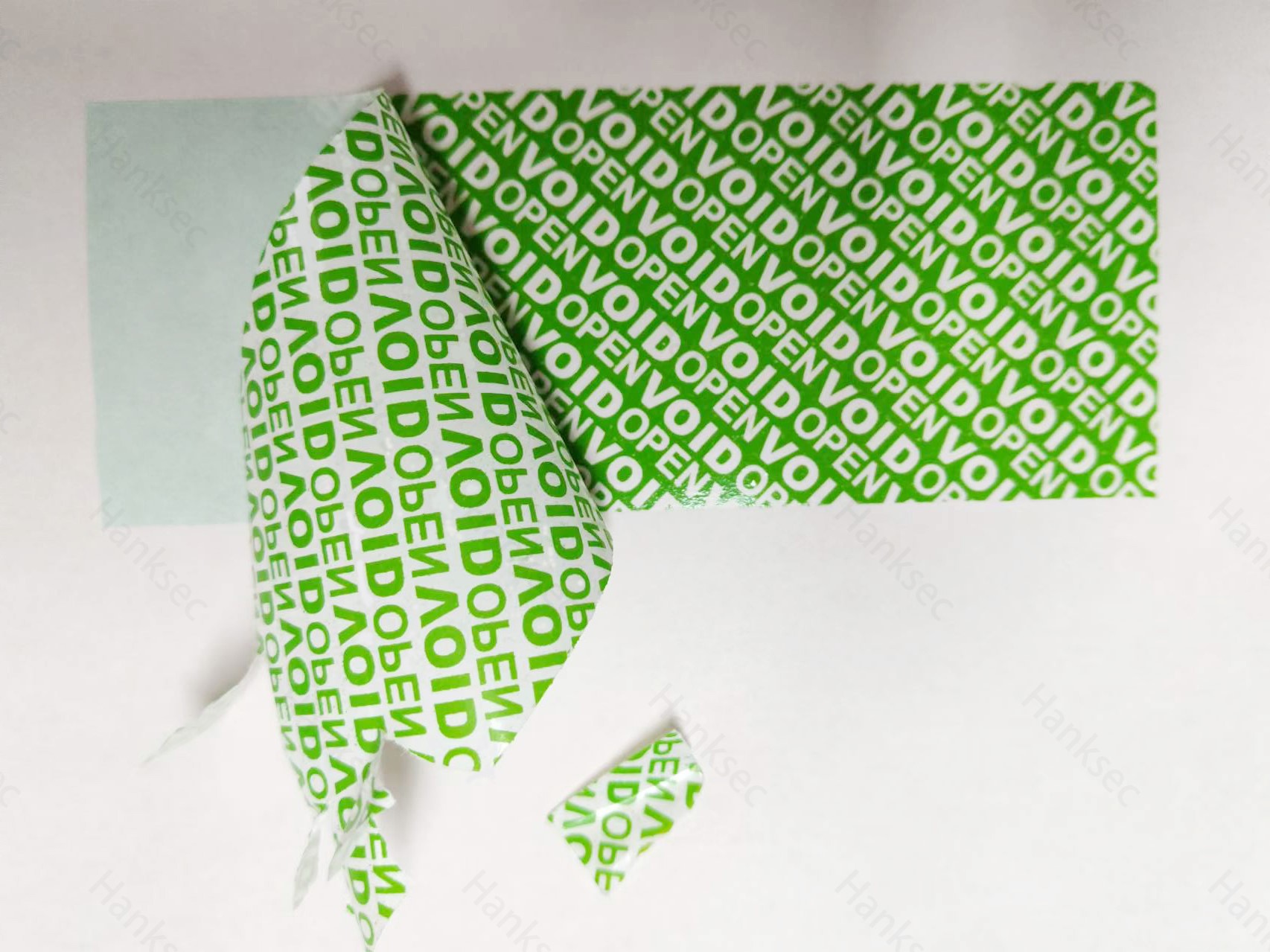
Der entscheidende Unterschied besteht darin, dass die Manipulationsreaktion gezielt gesteuert wird. Herkömmliche Papieraufkleber können beim Entfernen einreißen, geben aber nicht zwangsläufig eine kontrollierte, reproduzierbare Sicherheitsmeldung preis. Papier-VOID-Etiketten sind so konzipiert, dass das Entfernen eine vordefinierte visuelle Veränderung auslöst.
Papier-VOID-Etiketten vs. gewöhnliche Papieraufkleber
Ein normaler Papieraufkleber dient üblicherweise der Kennzeichnung, Dekoration oder Information. Er ist einfach aufgebaut: Papier, Klebstoff und Trägerpapier. Beim Entfernen kann er sich sauber ablösen, einreißen oder Klebstoffreste hinterlassen. Diese Effekte sind jedoch nicht unbedingt als Sicherheitsmerkmal gedacht.
Ein VOID-Papieretikett fügt einen kontrollierten Manipulationsschutzmechanismus hinzu. Je nach Ausführung kann das Entfernen eine versteckte Nachricht freilegen, einen Teil der Sicherheitsschicht auf die Verpackung übertragen, Beweismittel zwischen Etikett und Verpackung aufteilen oder VOID-Beweismittel mit Beschädigungen der Papierfasern kombinieren.
| Besonderheit | gewöhnlicher Papieraufkleber | Papier-VOID-Etikett |
|---|---|---|
| Hauptzweck | Identifizierung, Markenbildung oder Information | Manipulationssicherung plus Identifizierung oder Kennzeichnung |
| Versteckte Sicherheitsmeldung | Normalerweise nicht | VOID, OFFEN oder benutzerdefiniertes Muster je nach Konstruktion |
| Entfernungsverhalten | Kann sich unvorhersehbar ablösen, einreißen oder Klebstoffreste hinterlassen. | Entwickelt, um eine kontrollierte, sichtbare Reaktion zu erzeugen |
| Materialqualifizierung | Hauptsächlich Druck- und Haftungsleistung | Druck, Haftung, Verarbeitung und Manipulationsschutz müssen zusammenarbeiten |
Wie Papier-VOID-Etiketten hergestellt werden
Ein typisches VOID-Papieretikett besteht aus einem mehrschichtigen, druckempfindlichen Materialsystem. Der genaue Aufbau variiert je nach Produkt, jedoch sind üblicherweise folgende Funktionselemente enthalten.
Papieroberfläche
Die Papieroberfläche bildet die sichtbare, bedruckbare Fläche und beeinflusst Steifigkeit, Reißfestigkeit, Feuchtigkeitsempfindlichkeit, Dimensionsstabilität und Weiterverarbeitungseigenschaften. Beschichtetes Papier bietet eine glattere Druckoberfläche, während ungestrichenes Papier oder Papier in Kraftpapieroptik besser zu natürlich wirkenden Kartons und Versandtaschen passt.
Papiergewicht, Dicke, Oberflächenbehandlung und innere Festigkeit können das Verhalten des Etiketts beim Stanzen, Ablösen aus der Matrize, Aufbringen und Entfernen beeinflussen. Diese Variablen sollten zusammen mit dem gewünschten Sicherheitsmechanismus und nicht unabhängig voneinander ausgewählt werden.
Bedruckbare oder schützende Oberfläche
Je nach Druckverfahren kann die Oberfläche eine Grundierung, eine bedruckbare Beschichtung oder einen Schutzlack benötigen. Flexodruck, UV-Druck, Digitaldruck, Thermotransferdruck und Tintenstrahldruck erfordern nicht alle die gleiche Oberflächenchemie. Daher sollte die Kompatibilität mit dem jeweiligen Tinten- oder Tonersystem geprüft werden.
Sicherheitsfreigabe-/Übertragungsschicht
Diese Funktionsschicht steuert, wo das verborgene VOID-, OPENED- oder individuelle Muster beim Entfernen sichtbar wird. Das Zusammenspiel dieser Schicht, des Oberflächenmaterials und des Klebstoffs bestimmt, ob Spuren hauptsächlich auf die Verpackung übertragen, auf beide Seiten verteilt oder vorwiegend auf dem entfernten Etikett haften bleiben.
Druckempfindlicher Klebstoff
Der Klebstoff fixiert das Etikett auf der Verpackung und trägt zur Aktivierung der gewünschten Sicherheitsreaktion bei. Beschichteter Karton, unbeschichtetes Kraftpapier, Recycling-Wellpappe, laminierte Kartons und kunststoffbeschichtete Papiere können sich sehr unterschiedlich verhalten. Daher sollte man nicht davon ausgehen, dass ein einziger Klebstoff auf jeder Verpackung gleich gut funktioniert.
Trennpapier
Je nach Anforderungen an Stanzen, Abziehen der Matrix, Dosieren und Rollenverarbeitung können Pergaminpapier, Kraftpapier oder Folien als Trägermaterial verwendet werden. Das Trägermaterial wird vor der Anwendung entfernt, sodass sein Abfallstrom vom Endprodukt getrennt ist. Verarbeiter sollten dennoch die Handhabung und Rückgewinnung des Trägermaterials berücksichtigen, sofern dies für ihren Betrieb relevant ist.
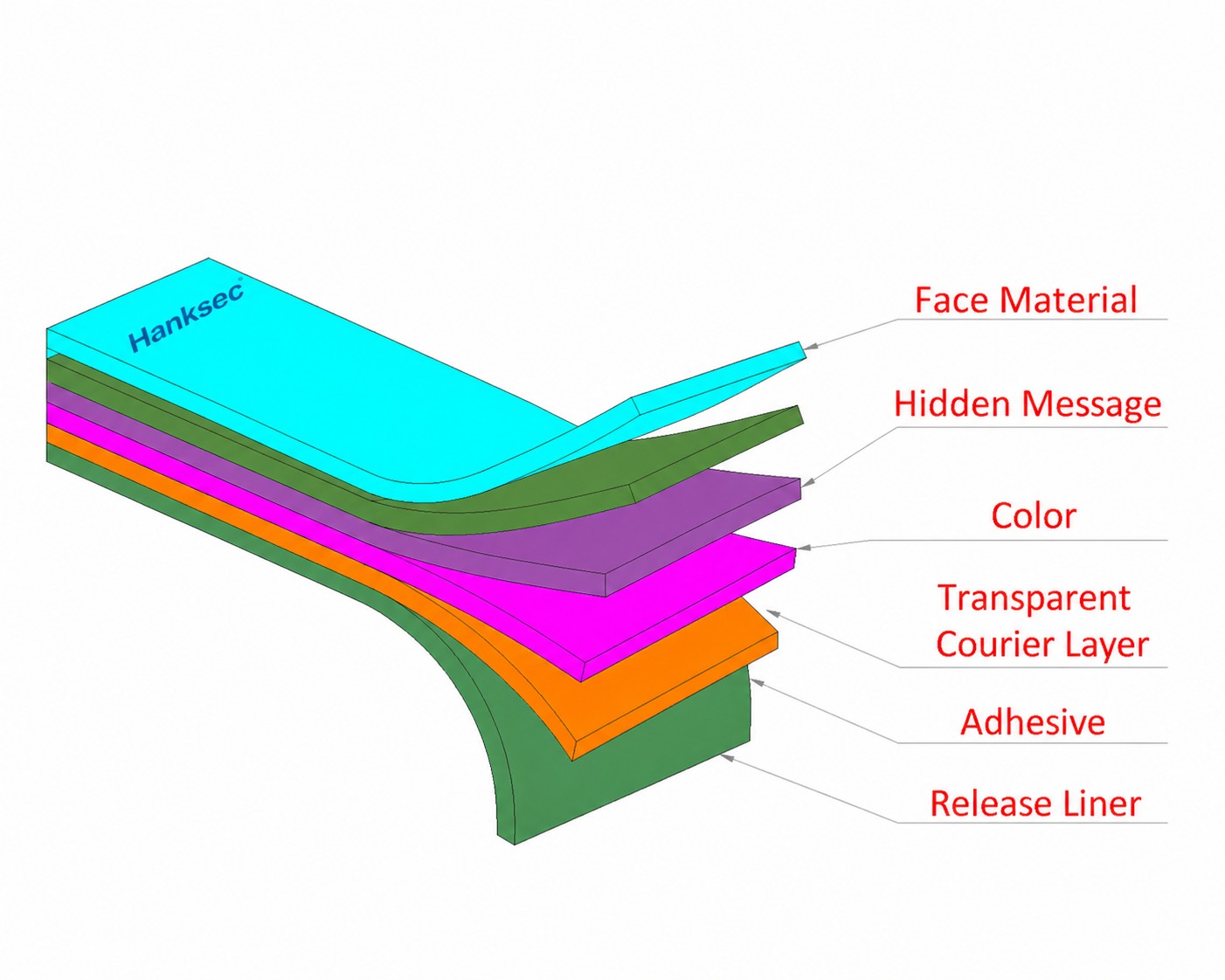
Eine detailliertere Erklärung, wie Obermaterial, Funktionsbeschichtungen, Klebstoff und Trägermaterial zusammenwirken, finden Sie unter Leitfaden für Sicherheitsetikettenmaterialien.
Optionen für die Papieroberfläche
Die Papieroberfläche ist zwar nur ein Teil des gesamten Sicherheitssystems, hat aber einen großen Einfluss auf Druck, Aussehen und Weiterverarbeitung.
Beschichtetes Papier
Beschichtetes Papier ist ein gängiger Ausgangsstoff für Einzelhandelskartons, Kosmetikverpackungen und bedruckte Schachteln, bei denen Käufer eine glattere Oberfläche und ein kontrollierteres Druckbild wünschen. Die Beschichtung kann auch die Haftung des Klebstoffs beeinflussen, wenn das Etikett auf eine beschichtete Kartonverpackung aufgebracht wird. Daher sollten die Etikettenoberfläche und die Verpackungsoberfläche nicht verwechselt werden.
Unbeschichtetes oder Kraftpapier
Ungestrichenes Papier und Kraftpapier werden häufig gewählt, wenn das Etikett optisch zu natürlichen, recycelten oder Kraftpapierverpackungen passen soll. Ihre porösere und faserigere Oberfläche kann im Vergleich zu glattem, gestrichenem Papier die Druckdichte, das Feuchtigkeitsverhalten und das Stanzverhalten beeinflussen.
Spezialpapier
Projektspezifische Papiere können zum Einsatz kommen, wenn der Käufer eine andere Textur, Farbe, Reißfestigkeit, Druckoberfläche oder andere Anforderungen an die Materialherkunft stellt. Jedes Spezialpapier sollte im Rahmen der fertigen Sicherheitsverpackung geprüft werden, da die Änderung des Oberflächenmaterials sowohl die Verarbeitung als auch die Manipulationssicherheit beeinflussen kann.
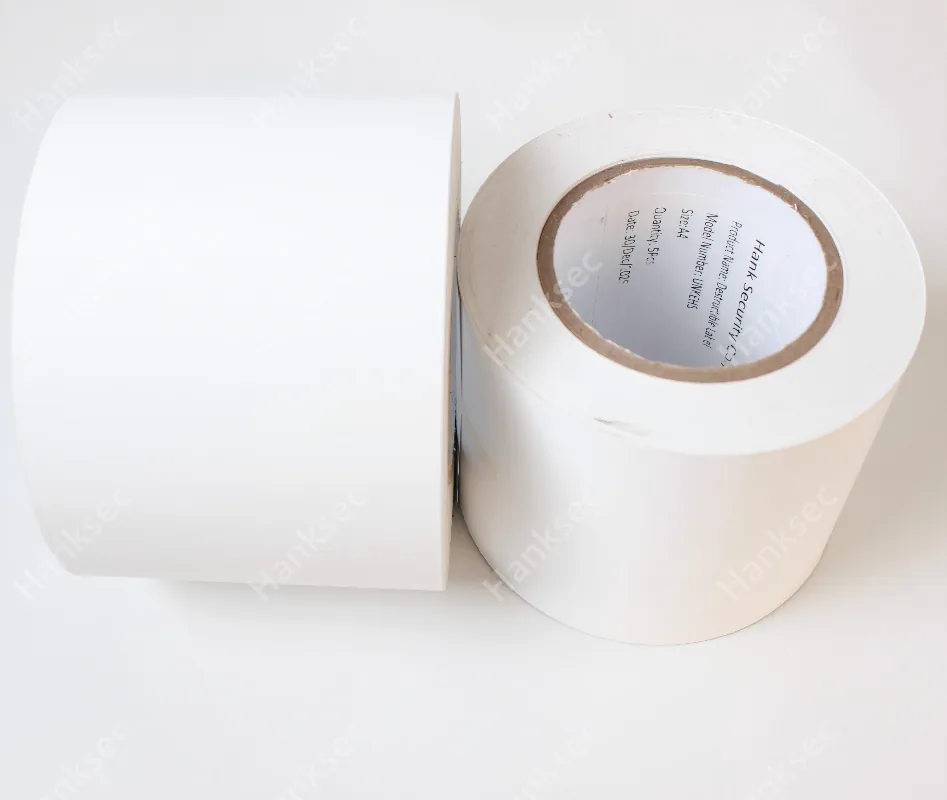
Käufer, die Rollenmaterial anstelle von fertigen Etiketten beziehen, können Hanksecs Angebot einsehen. Papier-Manipulationsschutzetikettenmaterial Seite für kommerzielle Lieferformate und Anpassungsmöglichkeiten.
How Do Paper VOID Labels Work?
Papier-VOID-Etiketten funktionieren, indem sie die Trennung des Materialsystems beim Abziehen steuern. Nach dem Aufbringen verbindet sich der Klebstoff mit der Verpackungsoberfläche. Beim Versuch, das Etikett zu entfernen, wird die Spannung durch die Papieroberfläche in die innere Sicherheitsstruktur übertragen.
Eine vereinfachte Sequenz lautet:
- Das Etikett wird mit ausreichendem Druck auf die Verpackung aufgebracht.
- Der Klebstoff stellt während der erforderlichen Einwirkzeit einen Kontakt mit dem eigentlichen Substrat her.
- Beim Versuch, das Etikett zu entfernen, entsteht eine Schälspannung am Etikettenrand.
- Die Belastung erreicht die konstruierte Sicherheitsschicht oder die vorgesehene Ausfallebene.
- Die verborgene Botschaft, das Übertragungsmuster oder die kombinierte Papierbeschädigungsreaktion wird sichtbar.
- Der ursprüngliche, ungeöffnete Zustand lässt sich ohne nachweisbare Spuren nicht wiederherstellen.
Das genaue Verhalten hängt von der Konstruktion ab. Eine Papieroberfläche kann beim Abziehen einreißen, doch das Einreißen des Papiers allein ist nicht der gleiche Mechanismus wie die Übertragung von VOID. In einem gut konzipierten Papier-VOID-System sollten die Sicherheitsschicht und das Verhalten des Klebstoffs gezielt ausgelegt werden, anstatt sich auf zufälliges Einreißen zu verlassen.
Vollständige, teilweise und nicht übertragbare Papier-VOID-Effekte
Die drei häufigsten VOID-Transferverhalten beschreiben wo die Beweise nach der Entfernung erscheinenSie sollten nicht als einfache Rangfolge von niedrig bis hoch für Sicherheit betrachtet werden.
| Transfer Type | Typische Entfernungsreaktion | Beweise auf der Verpackung | Typische Auswahlrichtung |
|---|---|---|---|
| Vollständige Übertragung | Die Sicherheitsmeldung bzw. die Übertragungsschicht bleibt auf dem Paket deutlich sichtbar. | Hoch / offensichtlich | Wann eine sofortige visuelle Inspektion der Verpackungsoberfläche wichtig ist |
| Teilübertragung | Die Beweise für die Manipulation verteilen sich auf das entfernte Etikett und die Verpackung. | Teilweise / gespaltene Beweislage | Wenn Käufer auf beiden Seiten sichtbare Beweise wünschen |
| Nichtübertragung | Die versteckte Botschaft erscheint hauptsächlich auf dem entfernten Etikett. | Geringe oder begrenzte Beweislage, abhängig von der Konstruktion | Die Oberfläche der Verpackung sollte relativ sauber bleiben. |
Eine vollständige Umverpackung kann zwar auf einem Karton sehr deutliche Spuren hinterlassen, ist aber nicht automatisch für jede Hochsicherheitsanwendung die richtige Wahl. Das korrekte Umverpackungsverhalten hängt von der Inspektionsmethode, der autorisierten Öffnung, dem Aussehen der Verpackung und der Rückstandstoleranz ab.
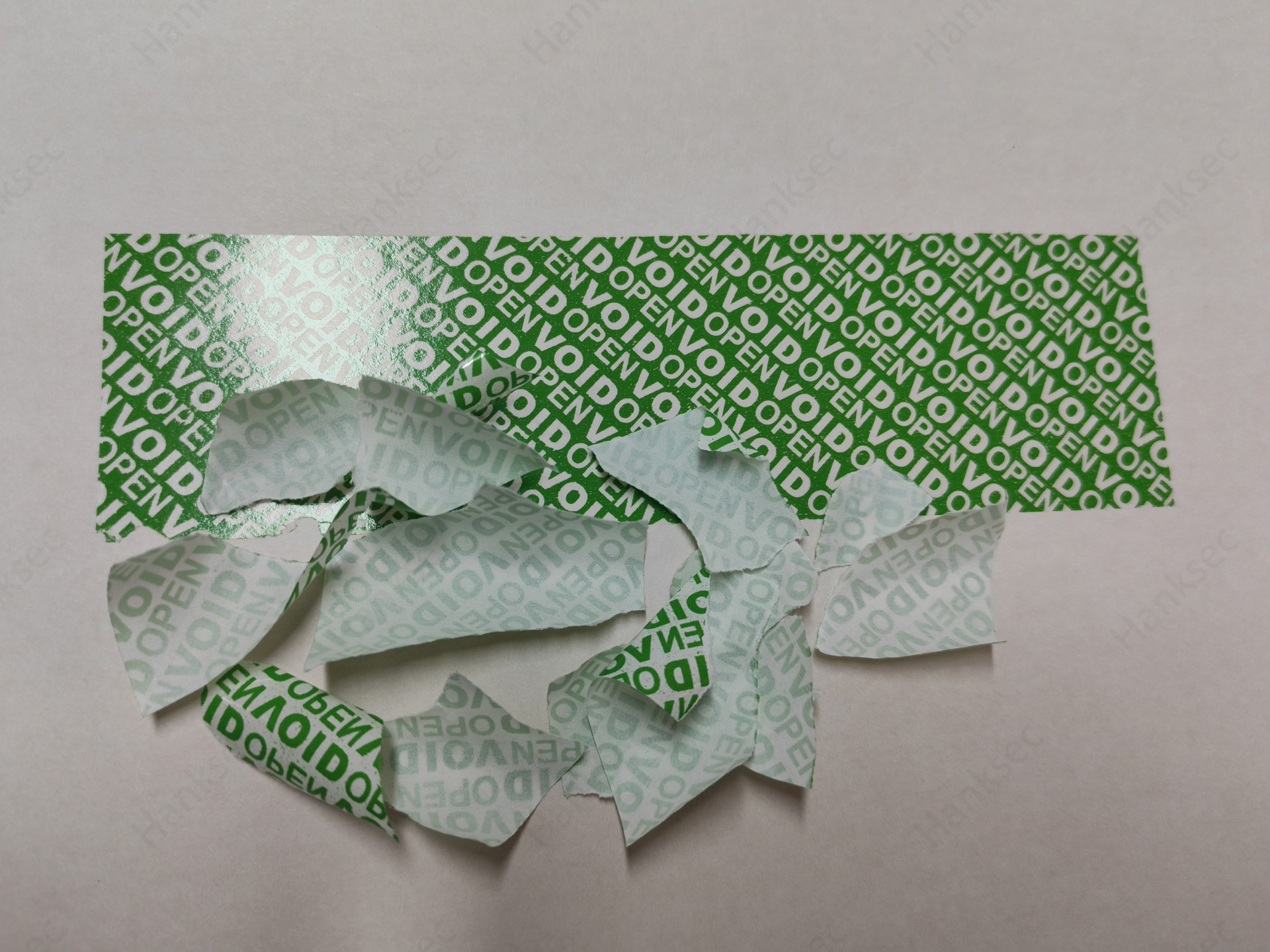
Eine allgemeine Erklärung der vollständigen, partiellen und Nicht-Transfer-Mechanismen in VOID-Materialien finden Sie unter Was ist VOID-Etikettenmaterial?.
Papierhohlraum vs. faserzerstörbares Papier
Sowohl Papier-VOID-Etiketten als auch selbstzerstörbare Papieretiketten können Manipulationen anzeigen, sie sollten jedoch nicht als identische Technologien betrachtet werden.
- Papieretikett VOID: Es basiert auf einer kontrollierten Sicherheitsebene, einem Übertragungsmuster oder einer versteckten Nachricht. Die Papieroberfläche kann zwar einreißen, die lesbare Meldung „VOID / OPENED“ ist jedoch ein beabsichtigter Bestandteil der Konstruktion.
- Faserreiß-/zerstörbares Papieretikett: beruht hauptsächlich darauf, dass das Oberflächenmaterial oder die Verpackungsfasern einreißen, sodass das Etikett nicht unbeschädigt entfernt werden kann.
Manche Projekte kombinieren diese Mechanismen bewusst. Beispielsweise wünscht der Käufer möglicherweise eine lesbare VOID-Nachricht plus Papierzerreißung. In anderen Anwendungen ist eine saubere, lesbare Übertragung wichtiger als die Fragmentierung.
Für Konstruktionen mit fragiler Oberfläche, bei denen Bruch der primäre Sicherheitsmechanismus ist, siehe … Leitfaden für zerstörbare Etikettenmaterialien.
Substrat- und Klebstoffkompatibilität
Die Oberfläche der Verpackung ist einer der wichtigsten Faktoren für die Haftung von Papieretiketten. Ein Etikett, das auf einem Karton gut haftet, kann auf einem anderen versagen, da Kartonbeschichtung, Recyclinganteil, Oberflächenrauheit, Staub, Lack und Feuchtigkeit den Klebstoffkontakt beeinflussen.
Beschichteter Karton
Glatt beschichtete Kartons ermöglichen eine saubere Applikation, jedoch kann die Beschichtungschemie die Benetzung des Klebstoffs beeinträchtigen oder beim Entfernen zur schwächsten Schicht werden. Tests sollten klären, ob der gewünschte Hohlraumeffekt eintritt, bevor die Kartonbeschichtung selbst versagt.
Unbeschichtetes Kraftpapier
Kraftpapier und andere poröse Kartonsorten können einen Teil des Klebstoffs absorbieren und eine höhere Oberflächenrauigkeit aufweisen. Der Klebstoff muss ausreichend Kontakt zur Oberfläche herstellen und gleichzeitig die Aktivierung der vorgesehenen Sicherheitsschicht beim Ablösen ermöglichen.
Recycelter Wellkarton
Recycelte Wellpappe kann hinsichtlich Faserqualität, Staubgehalt, Porosität und Oberflächenbeschaffenheit stark variieren. Dies ist ein besonders deutliches Beispiel dafür, dass Tests mit einem Standardlaborpanel allein nicht ausreichen.
lackierte oder laminierte Kartons
Glanzlacke, UV-Beschichtungen und Folienkaschierungen verändern die Oberfläche im Vergleich zu dem, was Käufer im allgemeinen Sprachgebrauch als „Papier“ bezeichnen. Die Auswahl des Klebstoffs sollte sich daher an der tatsächlichen Oberseite und nicht am darunterliegenden Kartonmaterial orientieren.
Abziehverfahren wie ASTM D3330/D3330M Die kontrollierte Qualitätsbewertung von Haftklebebändern und ähnlichen Konstruktionen kann unterstützt werden. Der Schälwert allein beweist jedoch nicht die Eignung eines Papieretiketts; auch der endgültige Übertragungseffekt, Papierbeschädigungen, Druckqualität und die Interaktion mit der Verpackung müssen geprüft werden.
Für eine detailliertere Diskussion mit Fokus auf das Substrat siehe Leitfaden für Klebstoffe von manipulationssicheren Etiketten.
Kompatibilität von Druck- und Verarbeitungsprozessen für Etikettenhersteller
Für Verarbeiter und Sicherheitsdruckereien muss das Papier-VOID-Material den Druck- und Verarbeitungsprozess unbeschadet überstehen, ohne dass die manipulationssichere Konstruktion beschädigt wird. Papier reagiert zudem stärker auf Feuchtigkeit und Prozessbedingungen als PET, daher sollte die Produktionsstabilität vor der Skalierung überprüft werden.
Je nach gewählter Oberfläche und Beschichtung können Papier-VOID-Materialien für Verfahren wie Flexodruck, UV-, Offset-, Thermotransfer-, Digital- oder Tintenstrahldruck vorbereitet werden. Die Kompatibilität sollte anhand des jeweiligen Tinten-, Toner- oder Primersystems geprüft und nicht allein aus der Bezeichnung „Papier“ abgeleitet werden.
Zu den sinnvollen Prüfkriterien gehören die Tintenhaftung, das Trocknen bzw. Aushärten der Tinte, die Abriebfestigkeit, die Lesbarkeit des Barcodes, die Definition kleiner Schrift und etwaige Auswirkungen einer starken Tintendeckung auf die Steifigkeit des Etiketts oder die Manipulationssicherheit.
Stanzen und Matrixentfernen
Stanztiefe, Papierstärke, Klebstofffluss und Trägerpapierablösung beeinflussen das saubere Ablösen der Etikettmatrix. Ist die Oberfläche für die gewählte Stanzgeometrie zu schwach, können die Kanten vorzeitig einreißen. Bei unzureichender Trägerpapierablösung können sich die Etiketten beim Ablösen oder Abgeben ablösen.
Einlage und Dosiersystem
Pergamin-, Kraftpapier- oder PET-Trägermaterialien können je nach Stanzverfahren, Trennkraftanforderungen und automatisierter Applikation ausgewählt werden. Die Wahl des Trägermaterials sollte als Teil der Herstellerspezifikation und nicht als nachträgliche Überlegung betrachtet werden.
Luftfeuchtigkeit und Klimatisierung
Papier kann Feuchtigkeit aufnehmen und abgeben, was zu Wellenbildung, Dimensionsänderungen oder veränderten Verarbeitungseigenschaften führen kann. Die Anforderungen an Lagerung und Konditionierung sollten daher für das gewählte Papier und die Produktionsumgebung geprüft werden.
Einen detaillierten Vergleich des Verhaltens von Linearführungen finden Sie in der Leitfaden für Abziehfolien: Pergaminpapier vs. PETInformationen zur Qualifizierung der Druckoberfläche finden Sie unter Bedruckbare Sicherheitsetikettenmaterialien.
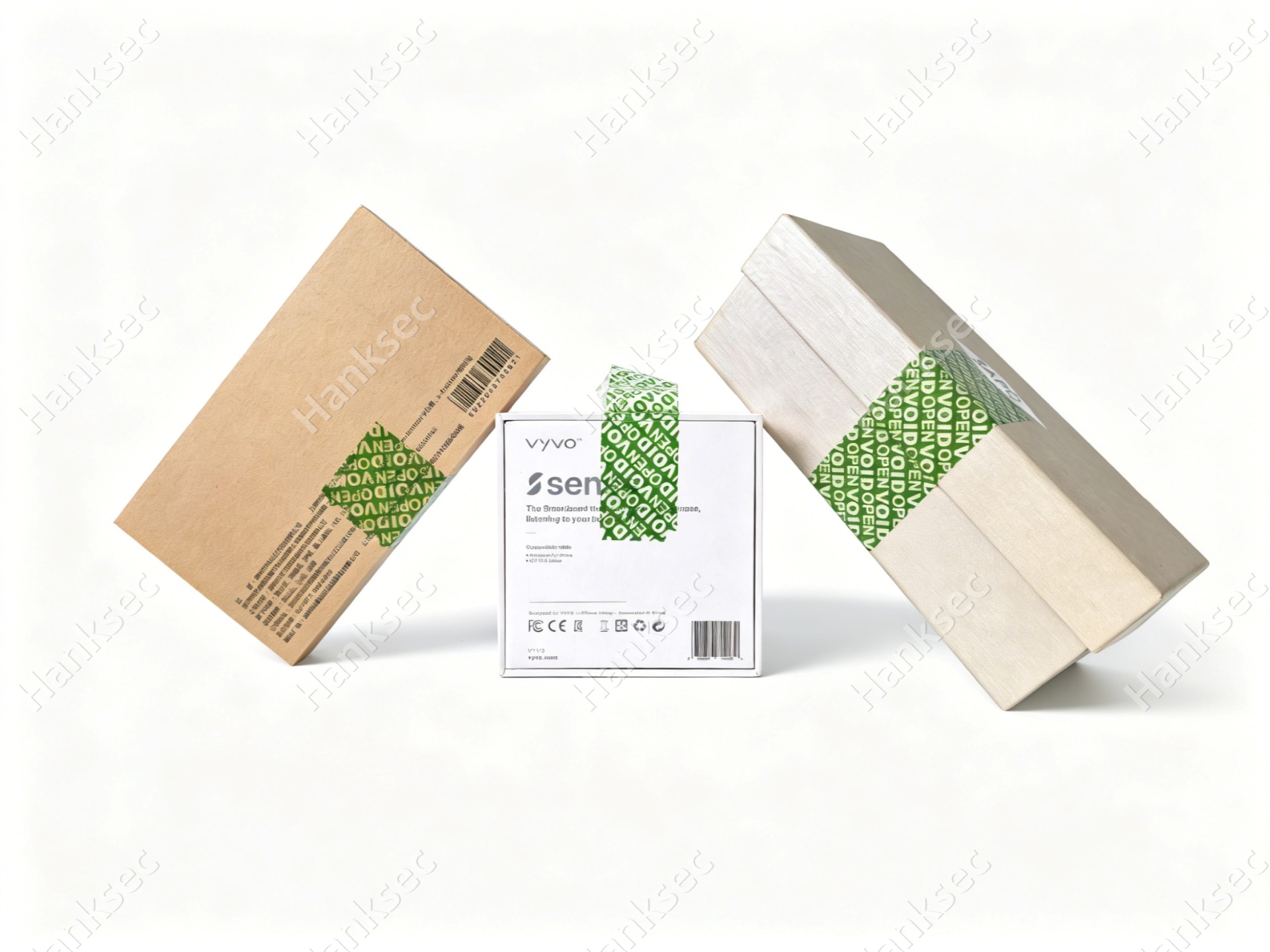
Wo Papier-VOID-Etiketten am besten funktionieren
Papier-VOID-Etiketten sind im Allgemeinen dort am wirksamsten, wo die Verpackung auf Papierbasis ist, die Umgebung einigermaßen kontrolliert wird und der Käufer wünscht, dass sich das Sicherheitsetikett optisch in die Verpackung einfügt.
| Anwendung | Typisches Paket | Warum Papier VOID passen könnte |
|---|---|---|
| E-commerce | Kraft-Versandtaschen, Versandkartons, Rücksendekartons | Sichtbare Öffnungsspuren mit papierartigem Aussehen |
| Einzelhandel & Kosmetik | Bedruckte Kartons und Hüllen | Das Sicherheitssiegel kann optisch mit der Kartonverpackung übereinstimmen. |
| Dokumente & Zertifikate | Papierumschläge, Ordner, Dokumentenmappen | Die Papieroberfläche eignet sich für die Dokumentenverarbeitung und kann serielle Daten übertragen. |
| Elektronik-Sekundärverpackung | Verkaufsverpackungen und Zubehörkartons | Zeigt das Öffnen des Kartons, während das Produkt selbst möglicherweise ein anderes Sicherheitsetikett verwendet. |
| Pharmazeutische Sekundärverpackung | Faltkartons | Kann bei Validierung als Teil des Verpackungssystems eine sichtbare Manipulationsverifizierungsfunktion bieten. |
| Sekundärverpackung für Lebensmittel / Lieferung | Ausgewählte Papiertüten, Schachteln und Hüllen | Kann einen sichtbaren Verschlussnachweis liefern, wenn die Anforderungen an Material und Lebensmittelkontakt separat behandelt werden. |
Hinweis zur pharmazeutischen Verpackung
Bei der Verpackung von Arzneimitteln sollte ein Papieretikett mit der Aufschrift VOID als eine Komponente des gesamten Systems zur Überprüfung der Unversehrtheit betrachtet werden. ISO 21976:2018 Die Richtlinie legt Anforderungen und Leitlinien für Manipulationssicherheitsmerkmale von Arzneimittelverpackungen fest und bleibt auch nach ihrer Überprüfung im Jahr 2024 gültig. Sie umfasst unter anderem Siegeletiketten und Klebebänder.
Für bestimmte rezeptfreie Arzneimittel in den Vereinigten Staaten gilt Folgendes: FDA-Anforderungen an manipulationssichere Verpackungen Auch die Manipulationssicherheit der gesamten Verpackung muss berücksichtigt werden. Ein bestimmtes VOID-Papieretikett sollte nicht automatisch als konform gelten, nur weil es Anzeichen einer Öffnung aufweist.
Where Paper VOID Labels May Not Be the Best Fit
Papier ist nicht automatisch das richtige Material für jede Sicherheitsanwendung. PET oder ein anderes robustes Material kann eine bessere Ausgangsbasis sein, wenn die Einsatzbedingungen anspruchsvoll sind.
- Anhaltende Feuchtigkeit oder Witterungseinflüsse: Wasser, Kondensation und Witterungseinflüsse können die Haltbarkeit der Papieroberfläche verringern.
- Anwendungen in der Kühlkette oder im Gefrierschrank: Kondensation und das Verhalten von Klebstoffen bei niedrigen Temperaturen erfordern eine gesonderte Qualifizierung.
- Hoher Abrieb: Eine unsachgemäße Behandlung kann die Papieroberfläche beschädigen, noch bevor es zu einer Manipulation kommt.
- Langzeit-Dimensionsstabilität: PET ist möglicherweise die bevorzugte Wahl, wenn Schwankungen der Luftfeuchtigkeit und eine genaue Registrierung von entscheidender Bedeutung sind.
- Metallische, Glas- oder Kunststoffsubstrate: Papier kann mit dem richtigen Klebstoff in einigen Projekten immer noch verwendet werden, aber PET bietet je nach Anwendung möglicherweise eine bessere Haltbarkeit und Dimensionsstabilität.
Ziel ist es nicht, Papier in jedes Nachhaltigkeitsprojekt zu erzwingen. Die Materialauswahl sollte Manipulationssicherheit, Verpackungskompatibilität, Verarbeitungsstabilität, Haltbarkeit und Umweltauflagen gleichermaßen berücksichtigen.
Papier-VOID-Etiketten vs. PET-VOID-Etiketten
| Auswahlfaktor | Paper VOID Labels | PET VOID Labels |
|---|---|---|
| Face material | Papierbasiert | Polyesterfolie |
| Typisches Erscheinungsbild | Papierähnlich; passt optisch zu Kartons und Kraftpapierverpackungen | Filmähnlich; erhältlich in metallischen, transparenten, farbigen und holografischen Ausführungen |
| Moisture resistance | Abhängig von der Bauweise; im Allgemeinen feuchtigkeitsempfindlicher. | Im Allgemeinen höhere Filmbeständigkeit |
| Dimensionsstabilität | Stärker beeinflusst von Luftfeuchtigkeit und Papierkonditionierung | In der Regel stabiler |
| Kompatibilität von Papierverpackungsmaterialien | Kann die sichtbare Oberfläche des Materials besser an die faserbasierte Verpackung anpassen | Fügt der papierbasierten Verpackung eine Kunststofffolienkomponente hinzu. |
| Drucken und Konvertieren | Gutes Druckpotenzial; Papierfestigkeit, Feuchtigkeit und Ablösung des Trägerpapiers müssen kontrolliert werden. | Erfordert eine geeignete Oberflächenbehandlung/Grundierung für das Drucksystem |
| Beste Startrichtung | Papierkartons, Versandtaschen, Dokumentenverschlüsse und kontrollierte Umgebungen | Feuchtigkeit, Abrieb, Witterungseinflüsse, langlebige Anlagen und anspruchsvolle Umgebungen |
Keines der beiden Materialien ist generell „besser“. Ein System mit Papierkaschierung eignet sich möglicherweise besser für einen Papierkarton, während PET die technisch sicherere Wahl für eine feuchte, kalte oder stark abrasive Umgebung sein kann.
Recyclingfähigkeit und Nachhaltigkeit: Worauf Käufer achten sollten
Eine Papieroberfläche kann die Abhängigkeit von einer sichtbaren Kunststofffolie verringern und die Materialverträglichkeit mit faserbasierten Verpackungen verbessern, aber das macht das gesamte Sicherheitsetikett nicht automatisch recycelbar, biologisch abbaubar, kompostierbar oder „100% umweltfreundlich“.
Käufer sollten die gesamte Konstruktion prüfen:
- Papieroberflächenmaterial und alle Beschaffungsanforderungen
- Bedruckbare Beschichtung oder Lack
- Funktionale Leere / Übertragungsschicht
- Pressure-sensitive adhesive
- Jegliche Film- oder metallisierte Komponenten
- Trennfolie und deren separate Entsorgungsroute
- Endgültige Etikettenfläche im Verhältnis zur Verpackung
- Bedingungen für die lokale Sammlung, Sortierung und das Recycling
Diese Betrachtung des Gesamtsystems steht auch im Einklang mit der Ausrichtung der EU-Verordnung über Verpackungen und Verpackungsabfälle. Verordnung (EU) 2025/40Diese Richtlinie legt Anforderungen an die Recyclingfähigkeit von Verpackungen und einen recyclinggerechten Designansatz fest. Sie bedeutet jedoch nicht, dass ein bestimmtes VOID-Papieretikett eine Verpackung automatisch recyclingkonform macht.
Für Marketingaussagen sollten Sie konstruktionsspezifische Nachweise verwenden. Formulierungen wie „papierkaschiert“, „reduzierte Kunststoff-Oberflächenfolie“ oder „für bessere Materialverträglichkeit mit Papierverpackungen entwickelt“ sind sicherer als allgemeine Aussagen wie „vollständig recycelbar“, es sei denn, das gesamte Verpackungs- und Etikettensystem wurde geprüft.
Wie man das richtige Papier-VOID-Etikett auswählt
Ein praxisorientierter Auswahlprozess sollte mit den Anforderungen an Verpackung und Manipulationsprüfung beginnen und sich dann rückwärts zu den Spezifikationen für Papier, Klebstoff, Transferschicht, Druck und Weiterverarbeitung vorarbeiten.
1. Definieren Sie die Gehäuseoberfläche
Bestimmen Sie die genaue Oberfläche des beschichteten Kartons, Kraftpapiers, Recycling-Wellpappe, lackierten Kartons, folienkaschierten Papiers oder einer anderen Oberfläche. Die Angabe „Karton“ allein reicht für die Auswahl des Klebstoffs nicht aus.
2. Definieren Sie die erforderlichen Manipulationsnachweise
Entscheiden Sie, ob für die Inspektion eindeutige Beweise auf der Verpackung, Beweise sowohl auf dem Etikett als auch auf der Verpackung, eine relativ saubere Verpackungsoberfläche, Papierrisse oder eine Kombination dieser Faktoren erforderlich sind.
3. Kartieren Sie die Umgebung
Dokumentieren Sie Anwendungstemperatur, Lagertemperatur, Luftfeuchtigkeit, Kondensationsrisiko, Transportweg, Abriebfestigkeit und erwartete Lebensdauer.
4. Druck und Konvertierung bestätigen
Bitte geben Sie die Druckplattform, das Tinten- oder Tonersystem, das Stanzverfahren, die Rollenbreite, den Kern, die bevorzugte Trägerfolie, die Anforderungen an die Matrixentfernung und die Anforderungen an die automatische Dosierung an.
5. Testen Sie die Originalverpackung.
Bringen Sie die Proben auf der eigentlichen Produktionsverpackung an und lassen Sie den Klebstoff gemäß dem gewählten Konstruktions- und Testplan aushärten. Verwenden Sie nicht pauschal die „24-Stunden“-Regel für jedes Klebstoffsystem. Bewerten Sie das Etikett nach den erforderlichen Einwirkzeiten und der Anpassung an die Umgebungsbedingungen für das jeweilige Projekt.
Käuferqualifizierungsmatrix
| Käuferanforderung | Startrichtung | Was muss noch getestet werden? |
|---|---|---|
| Deutliche sichtbare Hinweise auf dem Karton | Vollflächiges Transferpapier VOID | Wechselwirkung zwischen Transferklarheit, Kartonbeschichtung und Klebstoff |
| Beweise auf beiden Seiten | Teilweises Transferpapier VOID | Nachrichtenbalance und Paketdarstellung |
| Oberfläche der Reinigungsverpackung | Nicht übertragbares Papier UNGÜLTIG | Nachrichtenaktivierung und tatsächlicher Rückstandspegel |
| Recycelte Wellpappe | Papierkonstruktion mit substratangepasstem Klebstoff | Staub, Porosität, Rauheit, Kantenabhebung und Faserverhalten |
| Digitaldruck / variable Daten | Bedruckbares Sicherheitspapier | Tinten- oder Tonerhaftung, Barcode-Lesbarkeit und Abriebfestigkeit |
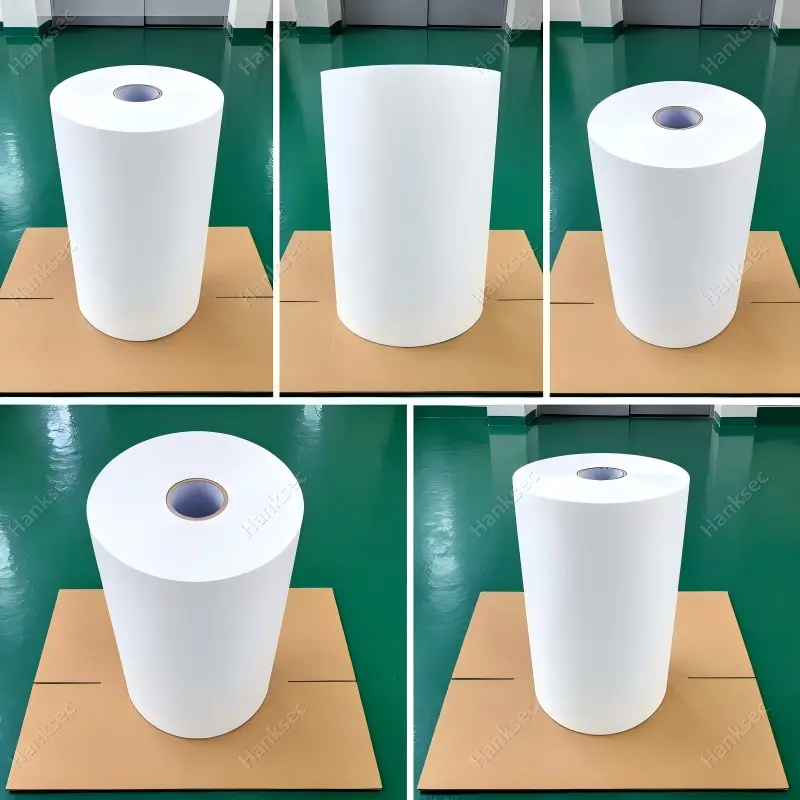
| Konverterrollen-Lieferung | Jumbo-/Schlitzrollenmaterial | Stanz-, Matrixablöse-, Trägerabtrenn- und Rollenspezifikation |
| Hohe Luftfeuchtigkeit / Kühlkette | Bewerten Sie die Konstruktion aus PET oder Spezialpapier. | Kondensation, Haftung bei niedrigen Temperaturen und Haltbarkeit der Oberfläche |
Anpassungsmöglichkeiten und Lieferformate
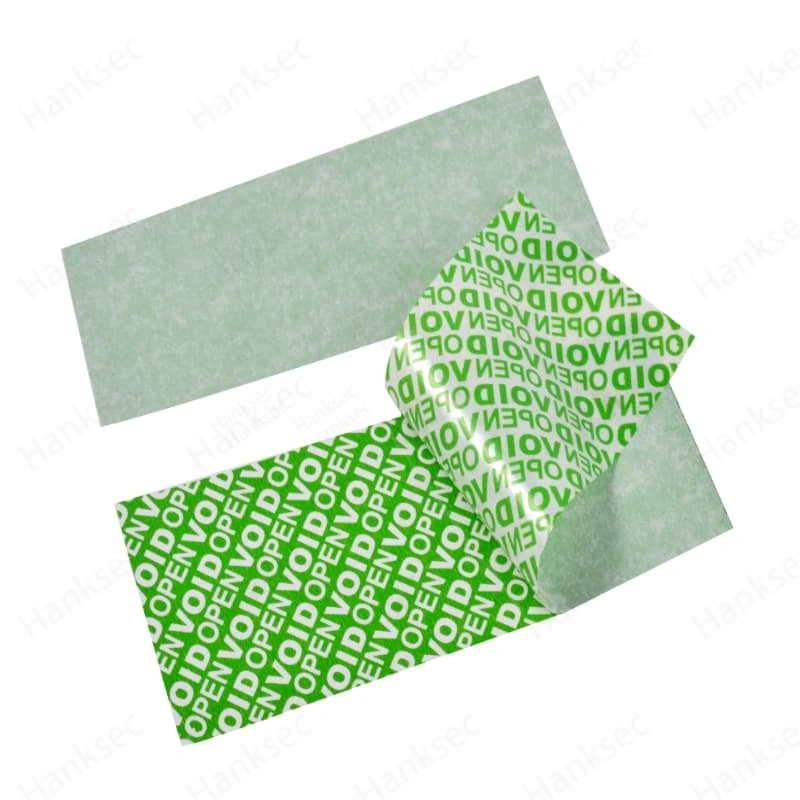
Papier-VOID-Konstruktionen können sowohl für Materialverarbeiter als auch für Abnehmer fertiger Etiketten individuell angepasst werden. Die verfügbaren Optionen hängen von der jeweiligen Konstruktion und dem Produktionsprozess ab.
- Sicherheitsverhalten bei vollständiger, teilweiser und Nichtübertragung
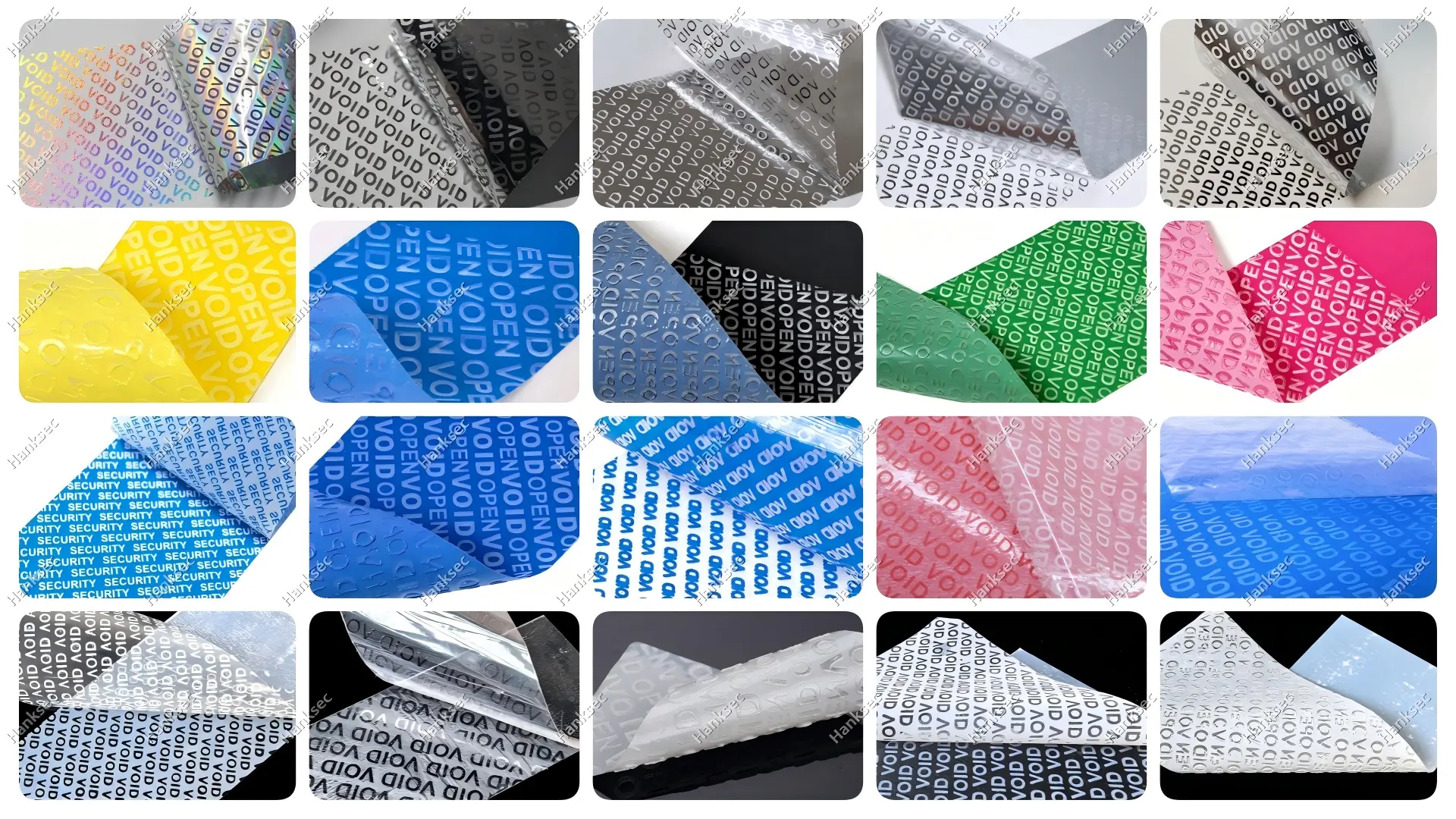
- UNGÜLTIG, GEÖFFNET, VOIDOPEN, SICHERHEIT oder benutzerdefinierte versteckte Nachricht
- Benutzerdefiniertes Logo oder Sicherheitsmuster
- Beschichtetes, unbeschichtetes, Kraftpapier- oder projektspezifisches Papier
- Projektspezifisches Klebstoffsystem
- Pergamin-, Kraftpapier- oder PET-Trägerfolie je nach Verarbeitungsbedarf
- Bedruckbare Oberflächenbehandlung für das ausgewählte Druckverfahren
- Sonderfarben, sofern technisch möglich
- Seriennummern, Barcodes, QR-Codes und variable Daten auf fertigen Etiketten
- Jumbo-Rollen, geschnittene Rollen, Bogen oder umgewandelte Etiketten
Kundenspezifische Sicherheitsmerkmale sollten gemeinsam bewertet werden. Beispielsweise können starker Farbauftrag, Lackierung, Perforation oder variabler Datendruck die Steifigkeit, die Weiterverarbeitung oder die endgültige Manipulationssicherheit beeinflussen.
Fertigung & Qualitätskontrolle
Papier-VOID-Etiketten sind nicht einfach nur gewöhnliche Papieraufkleber mit einem aufgedruckten Sicherheitswort. Für eine gleichbleibende Leistung ist die Kontrolle des gesamten Materialsystems erforderlich.
Ein typischer Herstellungsprozess könnte Folgendes umfassen:
- Auswahl und Konditionierung von Papieroberflächenmaterialien
- Oberflächenbehandlung oder bedruckbare Beschichtung, falls erforderlich
- Sicherheitsfreigabe / Bildung der Übertragungsschicht
- Erstellung von versteckten, offenen oder benutzerdefinierten Mustern
- Druckempfindliche Klebebeschichtung oder Laminierung
- Trennpapierlaminierung
- Materialstabilisierung
- Schneiden, Zuschneiden oder Weiterverarbeitung von fertigen Etiketten
- Prüfung der Anwendungs- und Manipulationsreaktion
Nützliche Qualitätskontrollpunkte sind:
- Papiermessschieber, Aussehen und Feuchtigkeitszustand
- Registrierung von Sicherheitsmustern und Klarheit der Nachrichten
- Konsistenz der Beschichtung und des Klebstoffs
- Prüfung der Haftfestigkeit, wo angebracht
- Transferverhalten auf repräsentativen Kartons
- Druck- und Abriebfestigkeit
- Versuche zum Stanzen und Entformen
- Freigabeverhalten des Liners und Dosierverhalten
- Luftfeuchtigkeits- oder Temperaturprüfung, falls erforderlich
- Chargenvergleich mit einer zugelassenen Referenzprobe
Bei schwierigen Oberflächen oder Verarbeitungsabläufen empfiehlt Hanksec, vor der Massenproduktion eine Qualifizierung am tatsächlichen Verpackungsmaterial und Produktionsprozess des Kunden durchzuführen.
Technischer Support von Hanksec für Paper VOID-Projekte
Hanksec entwickelt manipulationssichere Sicherheitsmaterialien von der Materialkonstruktion bis zum fertigen Etikett. Bei Papier-VOID-Projekten liegt das Ziel darin, Papieroberfläche, Verhalten der Sicherheitsschicht, Klebstoff, Trägermaterial, Druck- und Verarbeitungsanforderungen optimal aufeinander abzustimmen, anstatt einen universellen Papieraufkleber anzubieten.
Technischer Support kann Folgendes umfassen:
- Auswahl der Papieroberfläche und des Manipulationsschutzes
- Substrat- und Klebstoffbewertung
- Konverterwalzenspezifikation
- Auswahl der bedruckbaren Oberfläche
- Entwicklung benutzerdefinierter VOID / OPENED Muster
- Probenvorbereitung für die Prüfung der Originalverpackung
- OEM/ODM-Materialentwicklung
- Konvertierung der fertigen Etiketten bei Bedarf
Für Käufer, die hauptsächlich handelsübliche Materialspezifikationen, Rollenlieferzeiten und Anpassungsmöglichkeiten vergleichen, ist der entsprechende Bereich geeignet. Papier-Manipulationsschutzetikettenmaterial Produktseite. Dieser Leitfaden soll die Technologie, die Auswahlkriterien und den Qualifizierungsprozess erläutern.
Häufig gestellte Fragen
Was sind VOID-Papieretiketten?
Papier-VOID-Etiketten sind manipulationssichere Etiketten, die aus einer Papieroberfläche mit einer kontrollierten Sicherheitsschicht und einem druckempfindlichen Klebstoff bestehen. Ihre Entfernung ist so konzipiert, dass sie irreversible Spuren hinterlässt, wie z. B. den Aufdruck „VOID / OPENED“, einen Riss oder sichtbare Beschädigungen des Papiers.
Worin unterscheiden sich VOID-Papieretiketten von verderblichen Papieretiketten?
Papier-VOID-Etiketten basieren auf einem kontrollierten, verborgenen Nachrichten- oder Übertragungsmechanismus. Selbstzerstörende Papieretiketten beruhen primär darauf, dass das Oberflächenmaterial reißt oder zerbricht. Einige Sicherheitskonstruktionen kombinieren beide Mechanismen.
Sind Papieretiketten der Marke VOID recycelbar?
Eine Papieroberfläche kann die Materialverträglichkeit mit papierbasierten Verpackungen verbessern, die Recyclingfähigkeit hängt jedoch von der gesamten Konstruktion und dem Recyclingsystem ab. Klebstoffe, Beschichtungen, Funktionsschichten, Druckfarben und Verpackungsdesign sollten geprüft werden, bevor Aussagen zur Recyclingfähigkeit getroffen werden können.
Welchen Übertragungstyp sollte ich wählen?
Wählen Sie die Darstellungsform je nachdem, wo der Manipulationsnachweis sichtbar sein soll. Bei vollständiger Übertragung wird der Nachweis auf der Verpackung hervorgehoben, bei teilweiser Übertragung wird er auf beide Seiten verteilt, und bei Nichtübertragung bleibt die Verpackung relativ sauber, während die Nachricht hauptsächlich auf dem entfernten Etikett sichtbar ist.
Können Papier-VOID-Etiketten auf recycelten Wellpappkartons verwendet werden?
Ja, aber recycelte Wellpappe kann hinsichtlich Porosität, Staub, Oberflächenfestigkeit und Rauheit variieren. Die Haftung und Übertragungseigenschaften sollten vor der Massenproduktion an der tatsächlichen Box getestet werden.
Sind Papier-VOID-Etiketten besser als PET-VOID-Etiketten?
Nicht generell. Papier eignet sich oft gut für papierbasierte Verpackungen und kontrollierte Umgebungen. PET bietet im Allgemeinen eine höhere Feuchtigkeitsbeständigkeit und Dimensionsstabilität für anspruchsvolle Umgebungen. Die Materialwahl hängt von der jeweiligen Anwendung ab.
Können Papier-VOID-Materialien für Verarbeiter geliefert werden?
Ja. Je nach Projekt kann Hanksec Jumborollen, geschnittene Rollen, Bogen oder andere verarbeitungsfertige Formate liefern und die Papieroberfläche, das Trägermaterial, der Klebstoff, die Druckoberfläche und das Übertragungsverhalten mit dem nachgelagerten Verarbeitungsprozess abstimmen.
Wie lange sollten Papieretiketten mit der Aufschrift „VOID“ vor der Prüfung liegen bleiben?
Es gibt keine allgemeingültige Einwirkzeit für jeden Klebstoff und jedes Substrat. Der Prüfplan sollte sich nach der gewählten Konstruktion, der Verpackungsoberfläche und den erforderlichen Anwendungsbedingungen richten, wobei die Leistung in den entsprechenden Einwirkzeiten überprüft wird.
Welche Informationen sollten Käufer für die Auswahl von Mustern bereitstellen?
Bitte geben Sie das genaue Verpackungsmaterial, den erforderlichen Manipulationsschutz, die gewünschte Rückstandsfreiheit, das Druckverfahren, die Verarbeitungsmethode, die Etiketten- oder Rollengröße, die Lagerbedingungen und die geschätzte Menge an. Bei komplexen Kartonverpackungen ist ein repräsentatives Verpackungsmuster besonders hilfreich.
Anforderungspapier VOID-Materialprüfung & Technische Empfehlung
Die zuverlässige Leistung der Papier-VOID-Technologie hängt vom Zusammenspiel von Papieroberfläche, Sicherheitsschichten, Klebstoff, Liner, Verpackungsoberfläche und Verarbeitungsprozess ab. Eine Konstruktion, die sich bei einem Karton bewährt hat, sollte nicht automatisch für einen anderen zugelassen werden.
Für eine schnellere Empfehlung senden Sie Hanksec Ihre Verpackungssubstrat, erforderliches Übertragungsverhalten, Rückstandsanforderungen, Druckverfahren, Etiketten- oder Rollengröße, Verarbeitungsprozess und Einsatzumgebung.
Hanksec kann eine geeignete Papier-VOID-Konstruktion empfehlen und Muster für Haftungs-, Druck-, Verarbeitungs- und Manipulationsprüfungen vor der Serienproduktion vorbereiten.
ANFORDERUNG VON PAPIERVORLAGEN, MATERIALMUSTER UND TECHNISCHEN EMPFEHLUNGEN