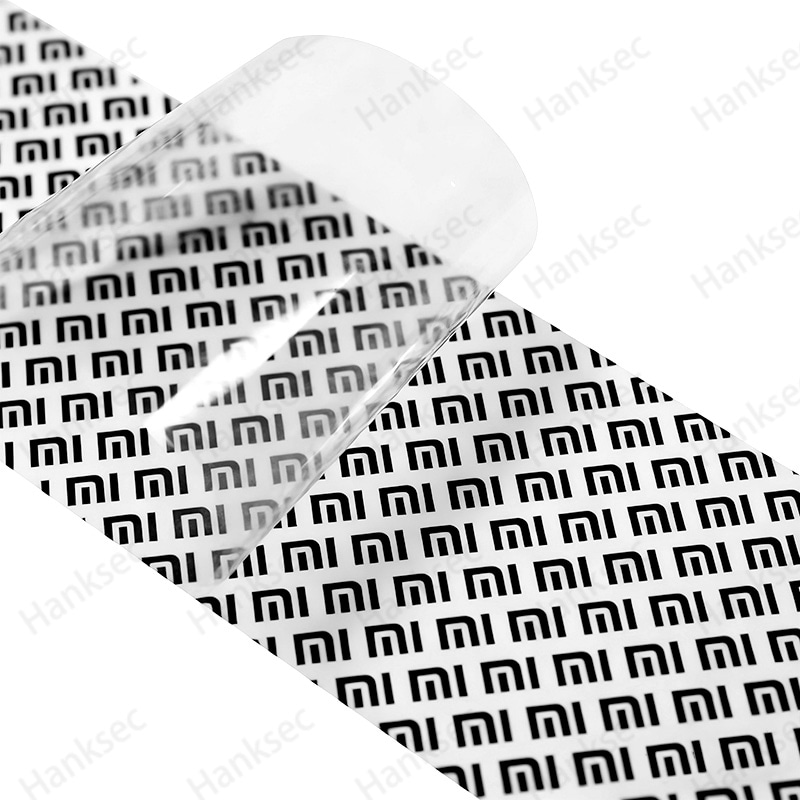
Étiquettes de sécurité en papier pour emballages inviolables écologiques
Étiquettes de sécurité en papier Il s'agit d'un matériau d'étiquetage inviolable à base de papier, conçu pour le scellage d'emballages, les étiquettes de garantie, la sécurité des cartons, la protection des documents et l'authentification des marques. Comparées aux étiquettes de sécurité en plastique traditionnelles, les étiquettes de sécurité en papier offrent un aspect plus esthétique tout en conservant une preuve visible après toute tentative d'ouverture.
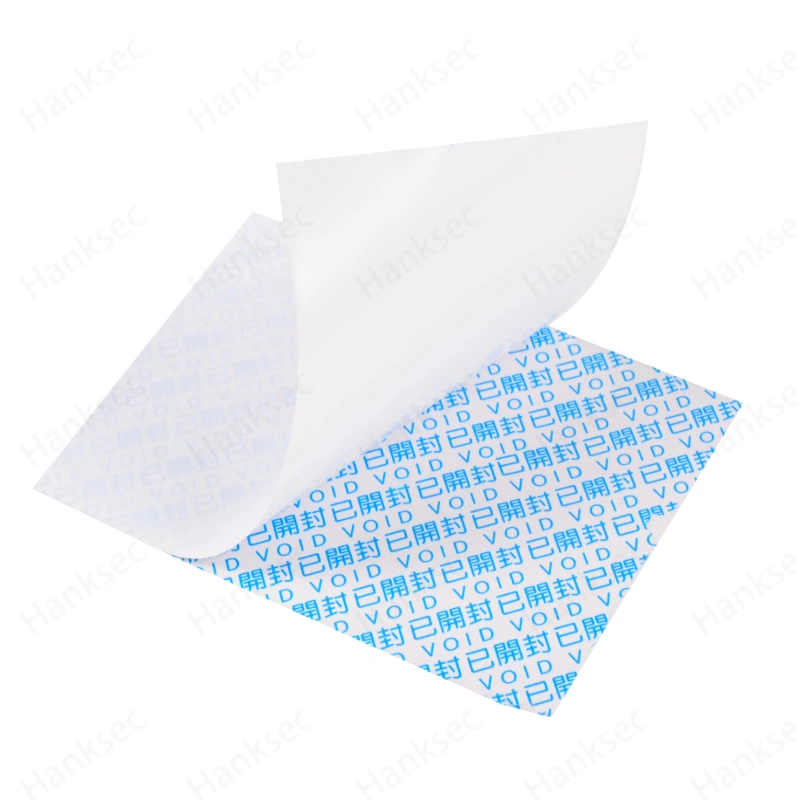
Ce matériau convient aux cartons, boîtes en papier, enveloppes, emballages de vente au détail, emballages alimentaires, boîtes cosmétiques, emballages secondaires pharmaceutiques, scellés de documents et emballages e-commerce. Lorsque l'étiquette est retirée, le papier peut se déchirer, se fendre ou révéler un message d'inviolabilité dissimulé, permettant ainsi aux clients de détecter toute ouverture non autorisée ou tout remplacement d'étiquette.
Comment fonctionne le matériau des étiquettes de sécurité en papier
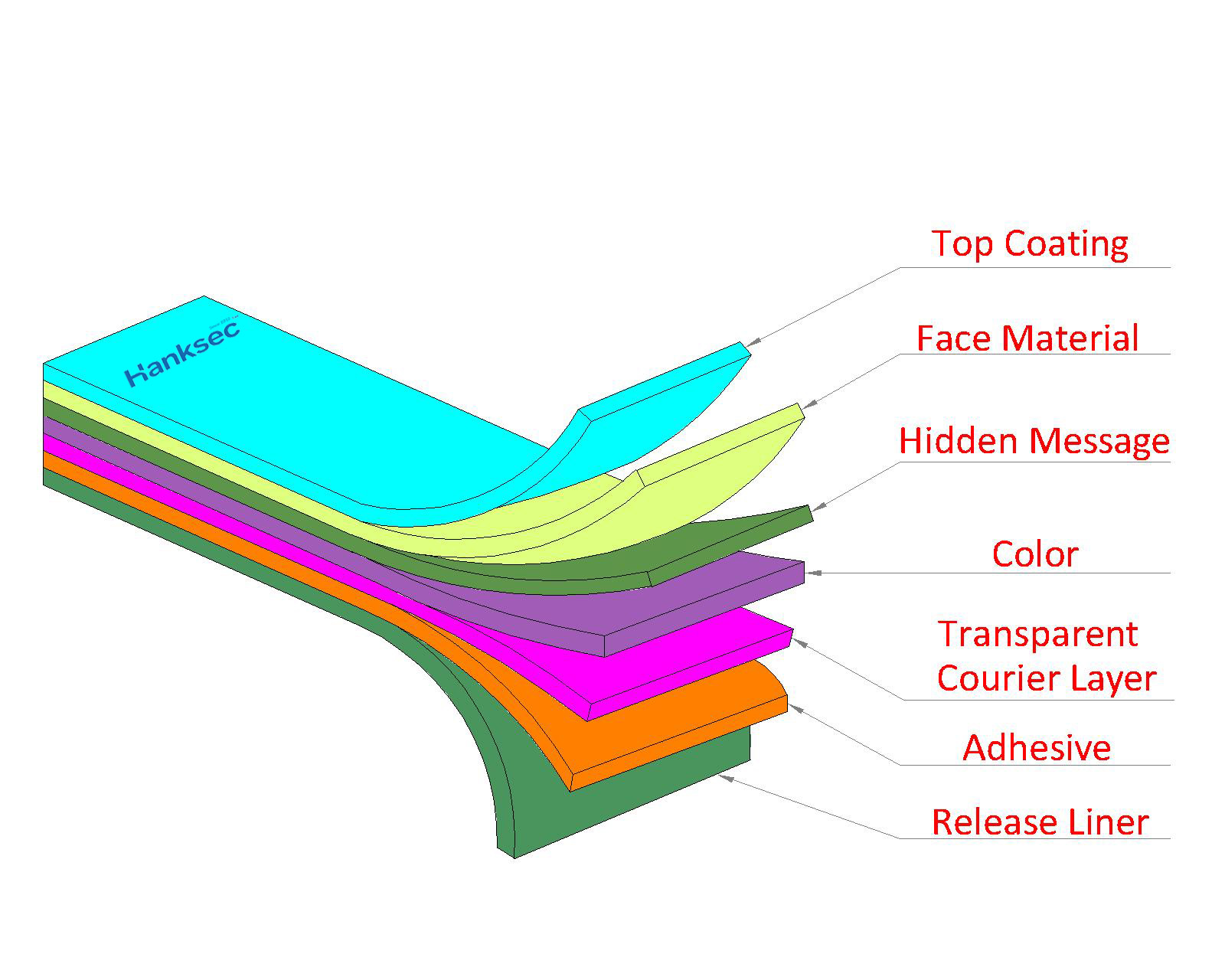
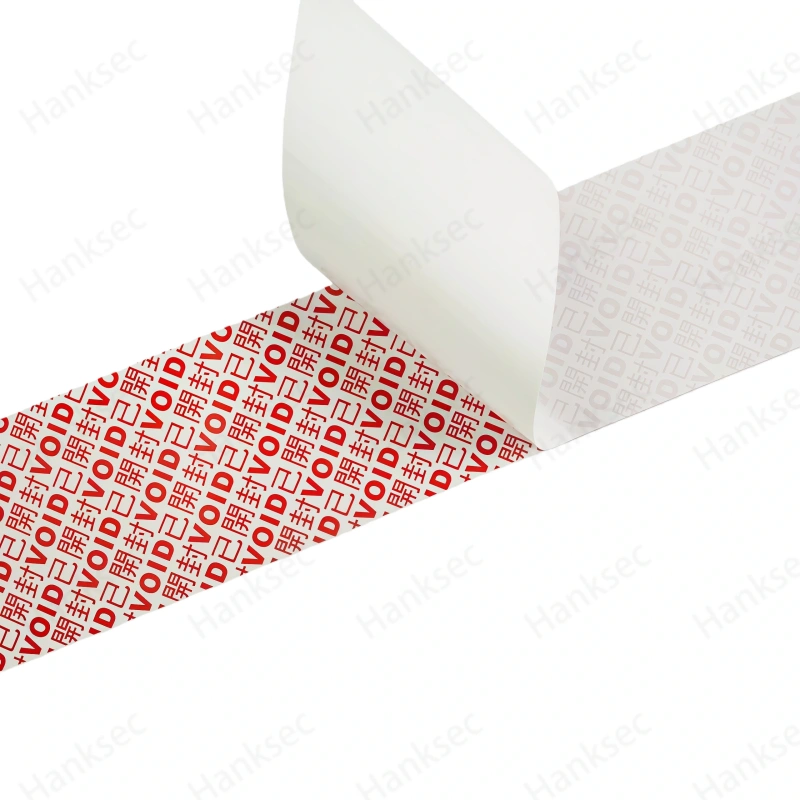
L'étiquette de sécurité en papier est composée d'un support papier, d'un revêtement de sécurité, d'une couche de message d'inviolabilité dissimulée, d'un système adhésif et d'un support protecteur. Une fois l'étiquette appliquée, l'adhésif adhère à l'emballage. En cas de tentative de retrait, la structure de l'étiquette crée une preuve d'inviolabilité visible : déchirure des fibres de papier, résidus d'adhésif ou mention « VOID » ou « OPENED » dissimulée.
Cela rend l'étiquette difficile à retirer proprement et empêche sa réutilisation. La couche de papier crée un effet de déchirure physique, tandis que le revêtement de sécurité ou la couche de message caché peuvent fournir une preuve visuelle supplémentaire. Cette combinaison est utile pour les applications d'emballage où les clients exigent à la fois une protection anti-effraction et une option de matériau à base de papier.
Pourquoi choisir le papier pour les étiquettes de sécurité ?
Les étiquettes de sécurité en papier sont idéales lorsque les clients recherchent une solution d'inviolabilité discrète et esthétique pour les cartons, boîtes en papier, enveloppes et emballages recyclables. Elles sont souvent privilégiées pour les projets d'emballage où une étiquette en plastique pourrait paraître trop industrielle ou s'harmoniser avec le design de l'emballage en papier.
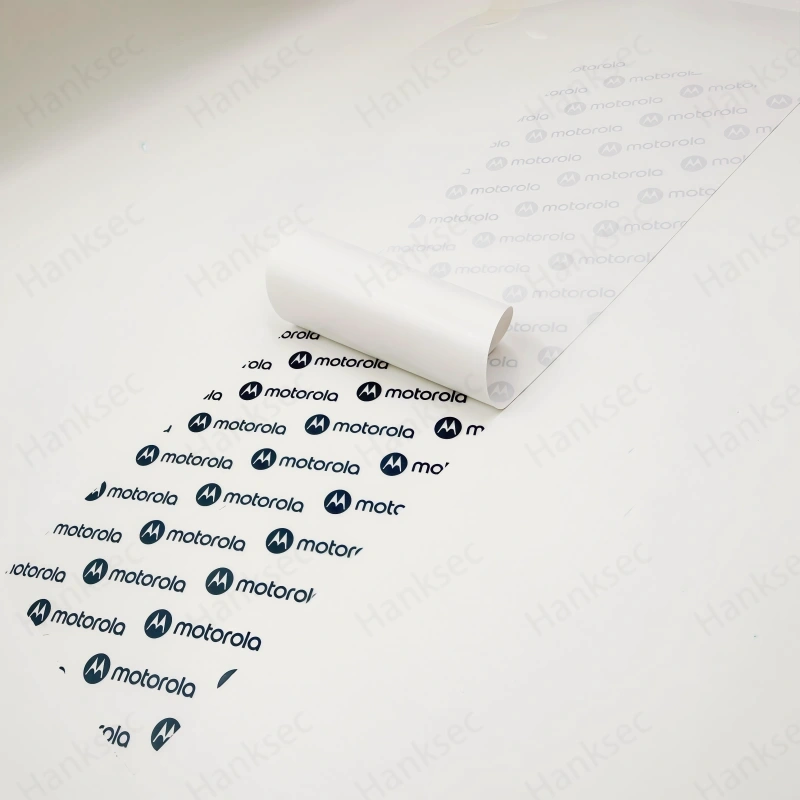
Pour les marques utilisant des boîtes en papier ou des emballages en carton, les étiquettes de sécurité en papier permettent d'uniformiser l'apparence de l'emballage. Elles peuvent également être personnalisées avec des impressions, des logos, des numéros de série, des codes QR, des codes-barres, des textes d'avertissement et divers messages de sécurité discrets, selon l'application finale.
Caractéristiques principales du matériau d'étiquettes de sécurité en papier Hanksec
- Matériau de couverture à base de papier pour emballages en carton et en boîte en papier
- Déchirures visibles ou traces de falsification après les tentatives de retrait
- Peut prendre en charge les messages VOID, OPEND, le texte personnalisé ou les messages cachés spécifiques à la marque.
- Convient pour les cartons, les enveloppes, les boîtes de vente au détail, les scellés de documents et les étiquettes de garantie
- Logo personnalisé, code QR, code-barres, numéro de série, texte d'avertissement et forme découpée disponibles
- Disponible en rouleaux jumbo, rouleaux refendus, feuilles ou étiquettes personnalisées finies
- Assistance OEM et ODM pour les fournisseurs d'emballages, les transformateurs d'étiquettes et les propriétaires de marques
Applications recommandées
Le matériau d'étiquette de sécurité en papier est couramment utilisé pour les cartons de commerce électronique, les boîtes d'emballage en papier, les enveloppes de documents, les scellés de garantie, les étiquettes de certificat, les emballages de livraison de produits alimentaires, les scellés de produits de détail, les boîtes cosmétiques, les emballages secondaires pharmaceutiques et l'authentification des produits contrefaits.
Ce matériau est particulièrement adapté aux projets d'emballage nécessitant une preuve d'inviolabilité visible sans altérer l'aspect papier de l'emballage. Il permet aux marques de préserver l'intégrité de leurs produits tout en conservant un style d'emballage plus épuré et naturel.
Étiquettes de sécurité en papier vs étiquettes de sécurité en PET
Les étiquettes de sécurité en PET sont plus résistantes, plus durables et conviennent aux surfaces très robustes comme le plastique, le métal, le verre et les emballages industriels. Les étiquettes de sécurité en papier sont plus adaptées aux cartons, au papier kraft, au carton couché, aux enveloppes et aux emballages de vente au détail en papier.
Pour les environnements humides, extérieurs ou industriels exigeants, les matériaux de sécurité à base de PET offrent une meilleure durabilité. Pour les emballages papier, le scellage de documents et les projets d'emballage écoresponsables, les étiquettes de sécurité en papier offrent une meilleure correspondance visuelle et constituent un choix de matériau plus respectueux de l'environnement.
Options de matériaux pour étiquettes de sécurité en papier personnalisées
Hanksec peut personnaliser les matériaux des étiquettes de sécurité en papier en fonction du type de papier, de la force d'adhérence, du message caché, du niveau de résidus, de la couleur de surface, de la méthode d'impression, du support antiadhésif, de la largeur du rouleau, de la taille de l'étiquette et de la surface d'application.
Les options de personnalisation courantes incluent les mentions « VOID », « OPENED » et « ABIERTO », les messages de marque personnalisés, les numéros de série, les codes QR, les codes-barres, les textes d'avertissement, l'impression de logo, l'impression couleur et les formes découpées spéciales. Les clients peuvent choisir des matériaux en rouleaux pour la transformation ou des étiquettes finies pour un usage direct sur l'emballage.
Compatibilité d'impression et de conversion
Le papier utilisé pour les étiquettes de sécurité est compatible avec les procédés d'impression et de transformation courants, selon le papier de surface, le couchage, le système adhésif et la structure du support. Pour les transformateurs d'étiquettes, les points clés de la transformation sont l'adhérence de l'encre, la profondeur de découpe, la stabilité des bords, le décollement de la matrice, la force de détachement du support et la qualité de la distribution finale de l'étiquette.
Le papier pouvant réagir différemment à l'humidité, à la pression et au revêtement de surface, il est recommandé de réaliser des essais sur des échantillons avant la production en série. Hanksec propose un service d'essais de matériaux adapté à l'équipement d'impression du client, au type de surface de l'emballage, à la taille des étiquettes et aux exigences de sécurité finales.
Compatibilité et tests de surface
Avant la production en série, il est conseillé aux clients de tester l'étiquette sur la surface réelle de l'emballage. Les cartons kraft, les cartons couchés, les boîtes en carton ondulé, les enveloppes en papier, les boîtes en papier laminé et les emballages en papier recyclé peuvent présenter des performances d'adhérence et de résistance à la déchirure différentes.
La poussière en surface, le traitement du revêtement, la rugosité du papier, l'humidité, la température, la pression d'application et le temps de séchage de l'adhésif peuvent affecter le résultat final de l'épreuve de falsification. Les tests doivent inclure l'adhérence au pelage, la résistance au déchirement des fibres de papier, la clarté du message caché, la lisibilité de l'impression, la lecture du code-barres et l'aspect final après application.
Matériaux connexes pour le papier et les étiquettes de sécurité Hanksec
Les clients peuvent également consulter les documents Hanksec connexes, notamment Matériaux d'étiquette VOID, destructible label materials, bandes de sécurité inviolables, bandes de sécurité VOID non transférables, et produits de sécurité inviolables.
Références en matière de tests et d'emballages durables
Pour les étiquettes de sécurité en papier, les clients évaluent souvent l'adhérence au pelage, la résistance à la déchirure des fibres, la durabilité de l'impression, la lisibilité du code-barres, la provenance du papier et les exigences de durabilité de l'emballage. Des références externes utiles incluent : Essai d'adhérence par pelage ASTM D3330, Certification de chaîne de traçabilité FSC, et EPA Sustainable Materials Management.
Comment choisir le bon matériau pour les étiquettes VOID ?
Les étiquettes VOID inviolables sont généralement disponibles en versions à transfert total, partiel et sans transfert. Chaque type offre un niveau de sécurité différent et convient à diverses applications d'emballage, d'étiquetage et de sécurité. Le tableau comparatif ci-dessous aide les acheteurs à choisir le matériau le plus adapté en fonction de l'état de surface, des exigences en matière de résidus et du niveau de sécurité.
| Type de matériau |
Effet de preuve de falsification |
Résidus sur la surface appliquée |
Caractéristiques principales |
Applications recommandées |
| Étiquette VOID à transfert complet |
L'adhésif se transfère entièrement aux surfaces d'application après son retrait. |
Oui |
Preuve d'effraction très visible, effet de sécurité irréversible, forte résistance à l'ouverture |
Étiquettes de garantie, scellés électroniques, cartons d'exportation, emballages de grande valeur, étiquettes de sécurité |
| Étiquette VOID à transfert partiel |
Une partie des résidus se transfère sur la surface d'application après élimination. |
Partiel |
Inviolabilité garantie, finition plus propre, inspection facilitée, convient à la sécurité générale des emballages. |
Emballages e-commerce, boîtes de vente au détail, étiquettes logistiques, cartons d'expédition, scellés anti-effraction |
| Étiquette VOID non transférable |
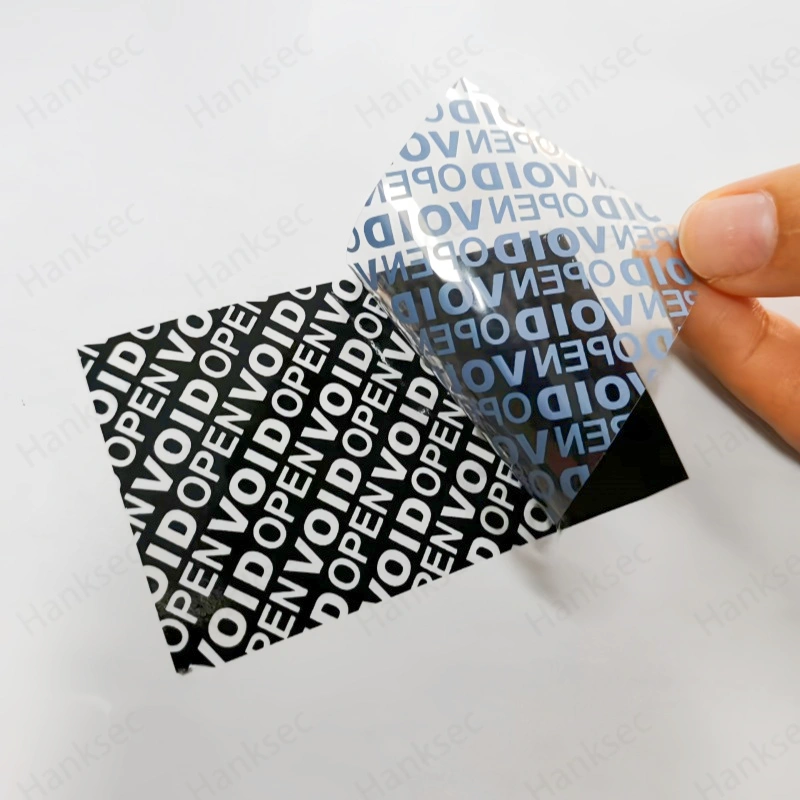
Le message VOID / OPEN VOID apparaît sur le film protecteur après son retrait. |
Non |
Sans résidus, sans traces d'effraction, surface propre après retrait, convient aux surfaces délicates et de haute qualité. |
Conteneurs réutilisables, électronique, dispositifs médicaux, emballages propres, étiquettes pour actifs informatiques, emballages de produits de luxe |
Spécification
|
Facestock |
PET ou personnalisé |
|
Épaisseur du plateau |
25/36/50 microns ou sur mesure |
|
Motif de destruction |
VOID / VOIDOPEN / OUVERT / SÉCURITÉ / Personnalisé / Peut être personnalisé avec votre logo ou toute autre impression sur demande |
|
Couleur |
Hologramme, argent, or, bleu, rouge, noir, blanc, jaune, vert, transparent, orange ou personnalisé (numéro Pantone) |
|
Adhésif |
Adhésif acrylique thermofusible sensible à la pression |
|
Finition couleur |
Brillant / Mat |
|
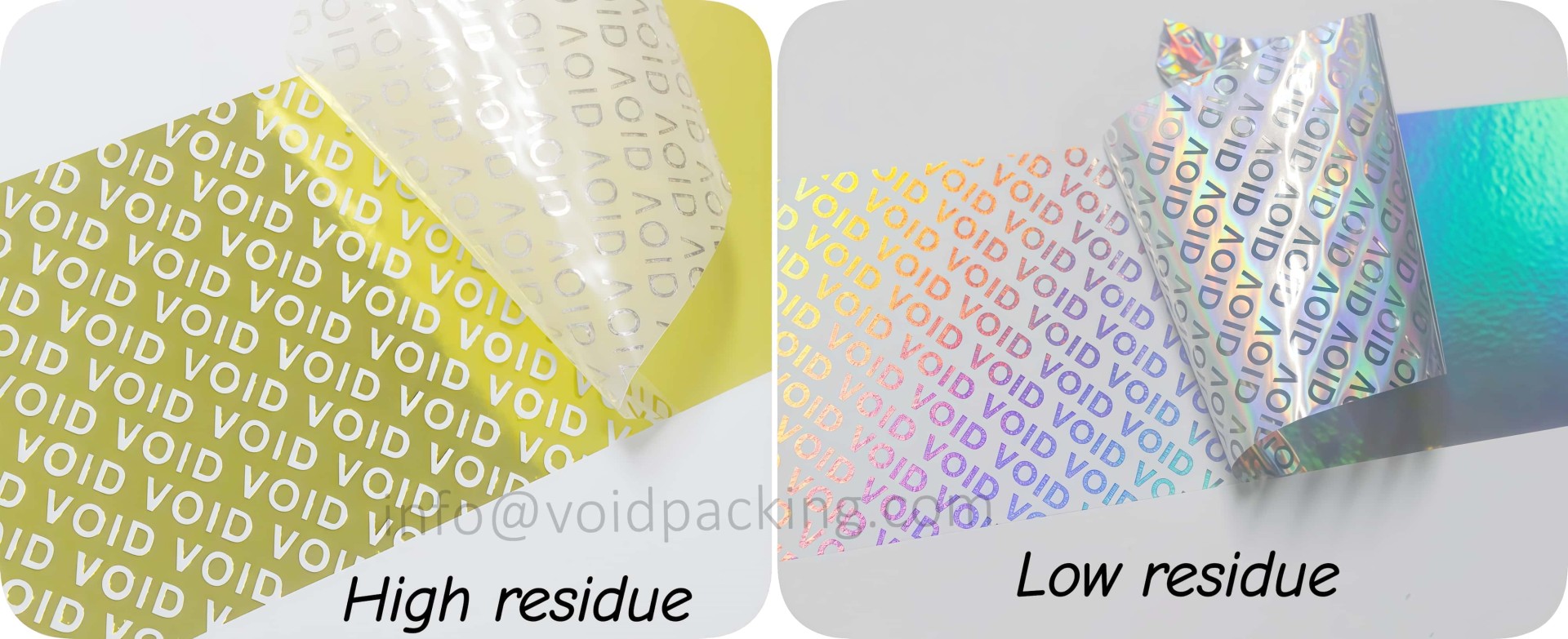
Résidu |
Résidus élevés / Résidus faibles |
|
MOQ |
1070 mm x 500 m ou sur mesure ou sans quantité minimale de commande pour les matériaux en stock |
|
Doublure |
Papier cristal 60/80 g / Papier kraft ou sur mesure |
|
Largeur de la taille |
100 / 200 / 300 / 530 / 1070 mm ou sur mesure |
|
Taille Longueur |
400 / 500 / 1000 / 2000 m ou sur mesure |
|
Taille standard du noyau |
3 pouces ou sur mesure |
|
Plage de température |
-20°C - 80℃ |
|
Délai de mise en œuvre |
3 à 7 jours, voire plus pour les modèles sur mesure, y compris la fabrication de plaques de cuivre. |
|
durée de conservation |
2 ans en conditions normales, éviter la lumière directe du soleil et une humidité élevée. |
|
Méthodes d'impression : |
Impression numérique, impression UV, sérigraphie, impression en creux, impression rotative, impression offset, impression par transfert thermique, impression jet d'encre, etc. |
Résidus faibles/élevés
Structure du produit