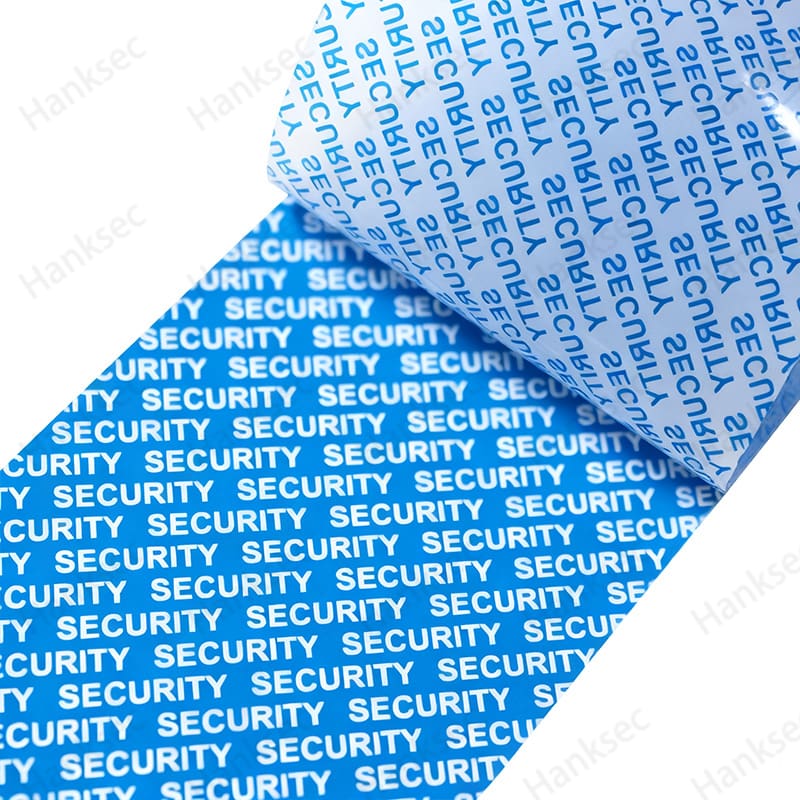
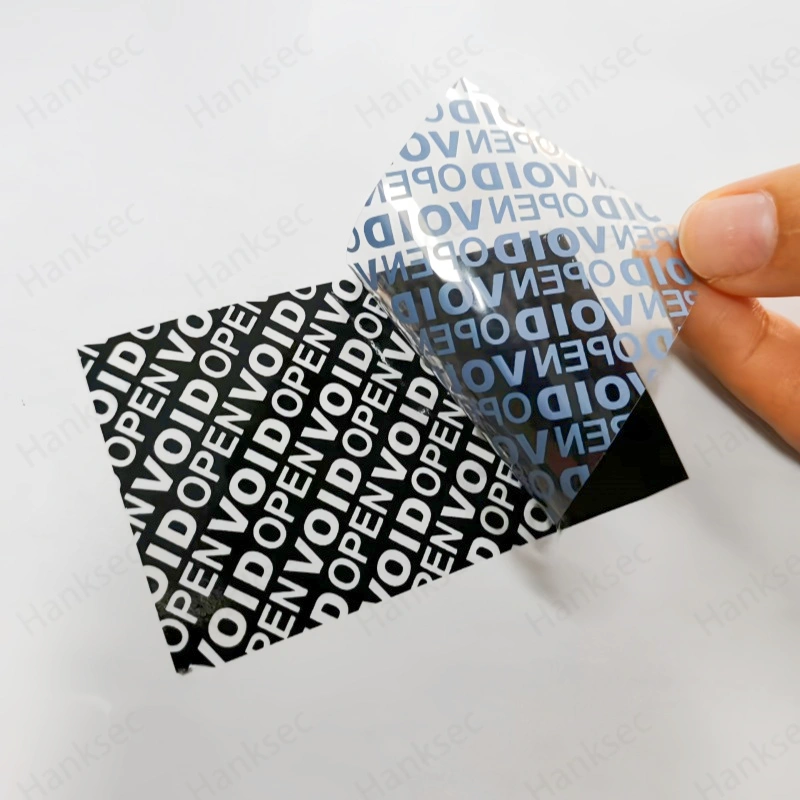
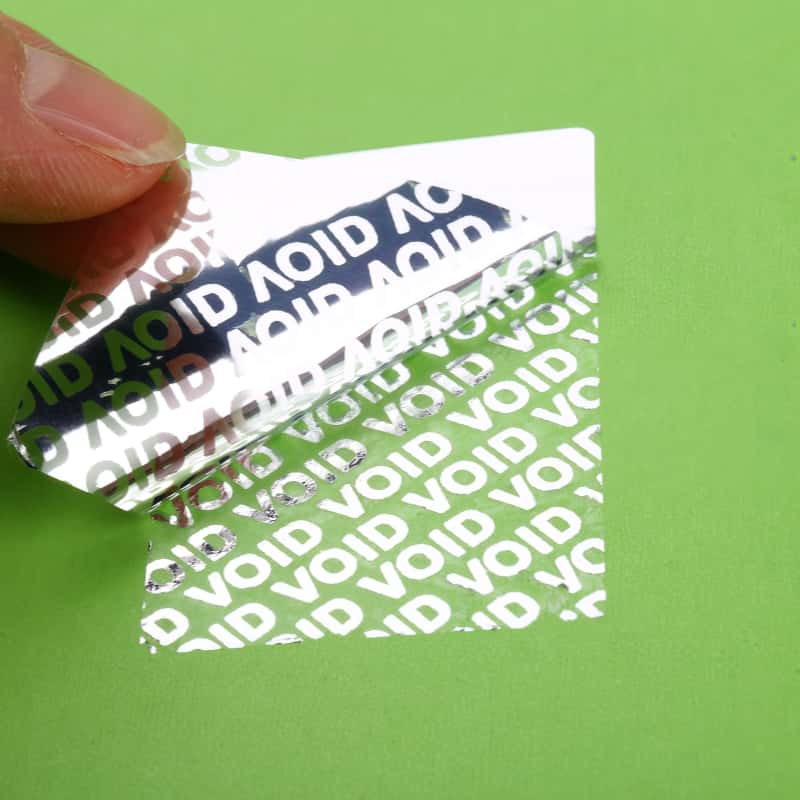
Matériau inviolable de protection de marque pour emballage anti-contrefaçon
Matériau inviolable de protection de marque Ce système est conçu pour la sécurité des emballages, l'étiquetage anti-contrefaçon, le scellage des garanties, le contrôle logistique et l'authentification des produits. Il aide les marques à prévenir l'ouverture non autorisée, le refermeture des emballages, le remplacement des étiquettes et la substitution de produits en créant des preuves d'effraction visibles après toute tentative d'ouverture.
Ce matériau convient aux emballages électroniques, aux boîtes d'accessoires pour téléphones, aux étiquettes de produits de détail, aux scellés de garantie, aux emballages en carton, aux boîtes cosmétiques, aux emballages secondaires pharmaceutiques et aux projets d'étiquettes de sécurité OEM/ODM de marque. Pour les marques, les matériaux inviolables servent non seulement à sceller les produits, mais aussi à garantir la confiance envers le produit, à contrôler la distribution et à assurer le suivi après-vente.
Comment fonctionne un matériau inviolable de protection de marque
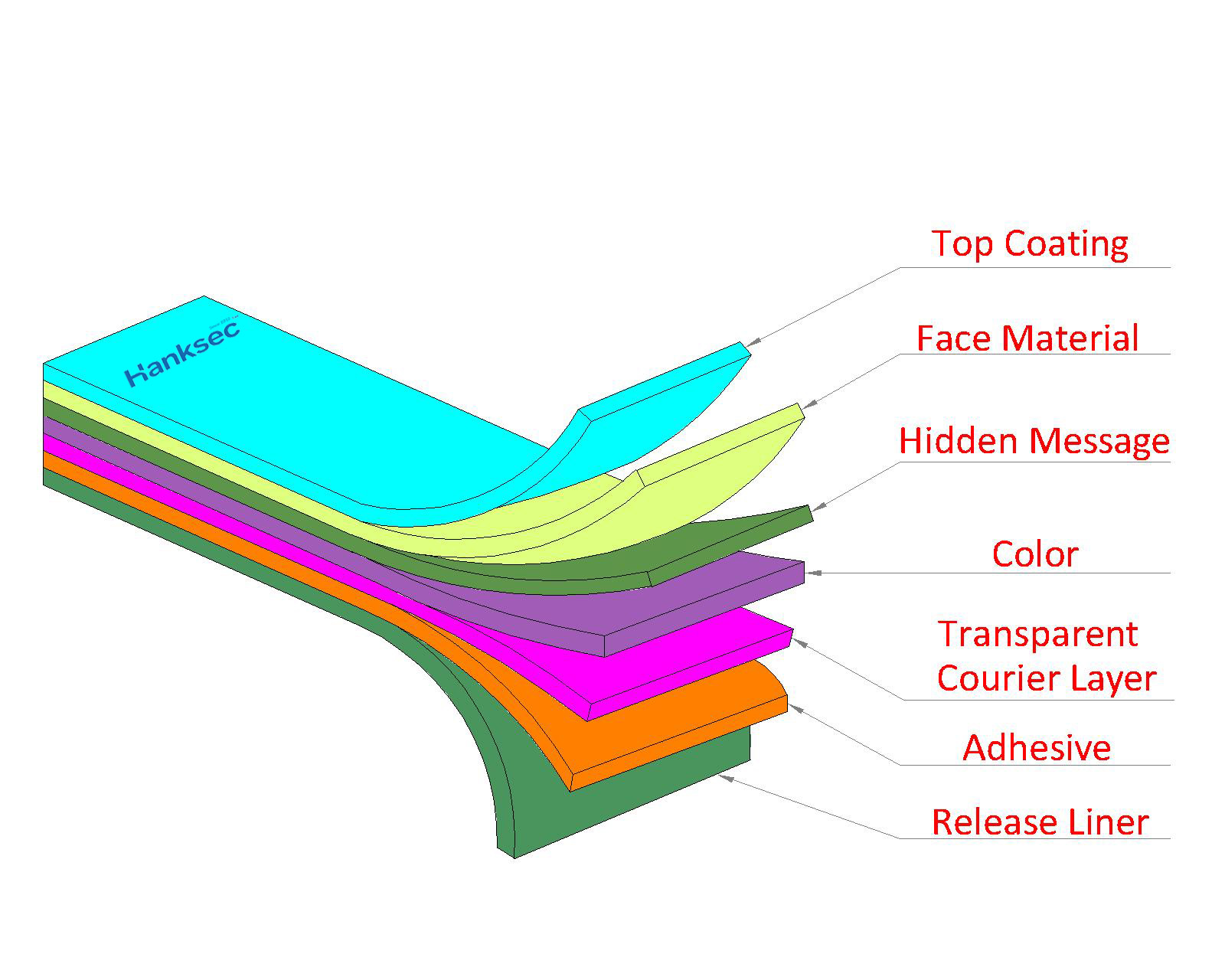
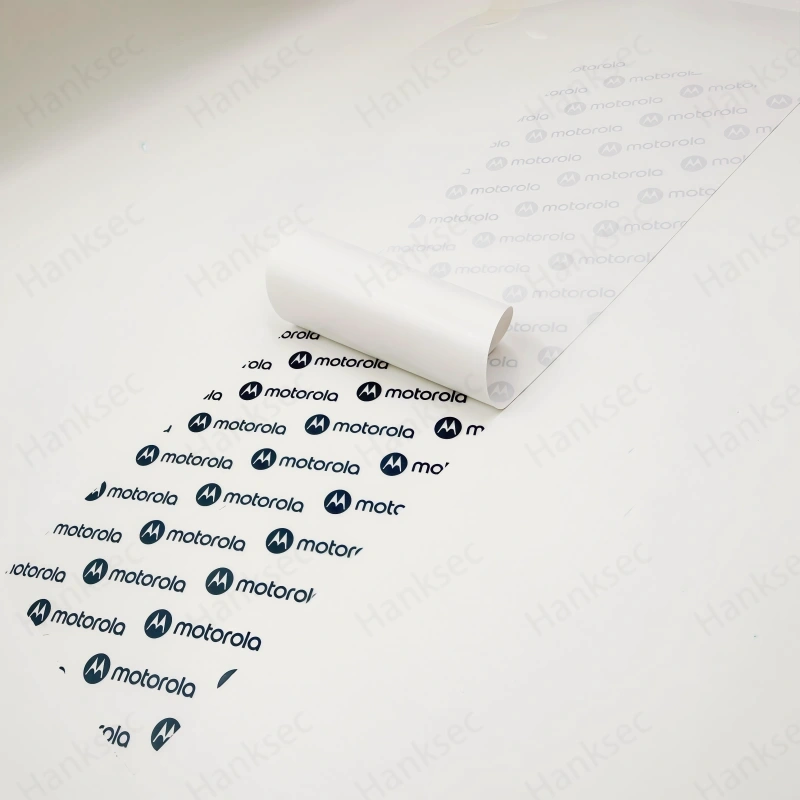
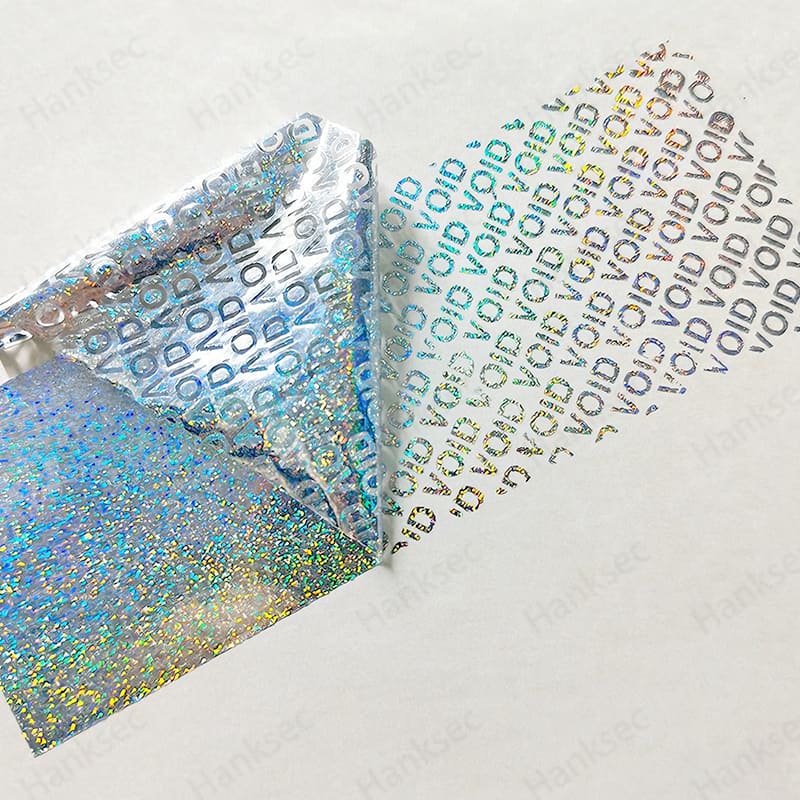
Les matériaux de protection de marque inviolables combinent généralement une surface imprimable, une couche de sécurité dissimulée, une couche de couleur ou de transfert, un système adhésif et un support protecteur. Une fois l'étiquette appliquée sur le produit ou l'emballage, toute tentative de retrait peut laisser des traces visibles telles que le transfert du message « VOID », des résidus, des déchirures ou des dommages superficiels irréversibles, selon la structure du matériau choisi.
Cela rend l'étiquette difficile à retirer proprement et empêche sa réutilisation. Une fois la preuve d'altération apparue, l'état de scellage d'origine ne peut être rétabli, ce qui permet aux marques d'identifier si l'emballage, l'étiquette ou le produit protégé a été ouvert, remplacé ou manipulé.
Pourquoi les marques utilisent des matériaux inviolables
Les marques utilisent des matériaux inviolables pour limiter les substitutions de produits, les ouvertures non autorisées, les reconditionnements, la contrefaçon, les problèmes liés au marché parallèle et les litiges de garantie. Dans de nombreux secteurs, l'étiquette de sécurité constitue également un gage de confiance visible pour les distributeurs, les détaillants, les équipes de service après-vente et les consommateurs.
Contrairement aux étiquettes adhésives classiques, les matériaux inviolables sont conçus pour laisser des traces physiques ou visuelles après leur retrait. Cette protection supplémentaire est particulièrement importante pour les produits de marque vendus via de longues chaînes d'approvisionnement, des plateformes de commerce électronique et des réseaux de distribution internationaux.
Caractéristiques principales du matériau inviolable de protection de la marque Hanksec
- Des traces visibles de falsification après les tentatives de retrait
- Convient pour la lutte contre la contrefaçon, le scellage de garantie et la sécurité des emballages.
- Peut prendre en charge les messages VOID, OPEND, le texte personnalisé ou les messages cachés spécifiques à la marque.
- Disponible en versions transférable, transférable partielle, non transférable ou destructible
- Prend en charge l'impression de logos, de codes-barres, de codes QR, de numéros de série, de textes d'avertissement et de motifs de sécurité.
- Disponible en rouleaux jumbo, rouleaux refendus, feuilles ou étiquettes personnalisées finies
- Assistance OEM et ODM pour les transformateurs, les fournisseurs d'emballages et les propriétaires de marques
Applications recommandées
Le matériau inviolable de protection de marque est couramment utilisé pour les emballages de smartphones, les accessoires électroniques, les étiquettes de garantie, les boîtes de produits de détail, les cartons logistiques, les étiquettes anti-contrefaçon, les étiquettes de suivi des actifs, les emballages de documents, les boîtes de cosmétiques et les emballages de biens de consommation haut de gamme.
Ce matériau est idéal pour les produits qui allient esthétique et sécurité. Il permet aux marques de conserver un emballage professionnel tout en intégrant une fonction anti-effraction visible, facilitant l'inspection, le contrôle après-vente et la vérification d'authenticité.
Matériaux de protection de marque vs étiquettes imprimées ordinaires
Les étiquettes imprimées classiques servent principalement à l'image de marque, à la décoration ou aux informations de base sur le produit. Les matériaux inviolables de protection de marque ajoutent une fonction de sécurité en rendant toute suppression visible et irréversible. L'étiquette remplit ainsi à la fois le rôle d'outil de branding et de protection.
Pour les emballages de vente au détail à faible risque, une étiquette standard peut suffire. En revanche, pour les produits de plus grande valeur, les chaînes d'approvisionnement plus longues, les exigences de garantie ou les problématiques de lutte contre la contrefaçon, un matériau inviolable offre une solution de sécurité plus robuste et plus pratique.
Options de matériaux inviolables pour la protection de marque personnalisée
Hanksec propose des matériaux de protection de marque inviolables personnalisables, adaptés à différents matériaux : matériau de surface, message caché, couleur, force d’adhérence, niveau de résidus, support antiadhésif, largeur du rouleau, méthode d’impression, format de l’étiquette et surface d’application. Les clients peuvent choisir des étiquettes à transfert, sans transfert ou destructibles, selon le produit et les exigences de contrôle.
Les options de personnalisation courantes incluent le logo de l'entreprise, un message privé caché, un numéro de série, un code-barres, un code QR, un texte d'avertissement, l'impression couleur, un effet holographique et un codage variable. Les clients peuvent choisir des rouleaux de matière première à transformer ou des étiquettes personnalisées prêtes à l'emploi.
Compatibilité et tests de surface
Avant la production en série, les clients doivent tester le matériau sur l'emballage ou la surface réelle du produit. Les boîtiers en plastique, les cartons couchés, le verre, le métal peint, les boîtes en carton, les emballages laminés et les surfaces texturées peuvent présenter des performances d'adhérence et de sécurité variables.
La poussière, l'huile, le traitement du revêtement, la température, l'humidité, la pression d'application et le temps de séchage de l'adhésif peuvent influencer le résultat final. Les tests doivent inclure l'adhérence au pelage, la clarté du message caché, le comportement des résidus, la lisibilité de l'impression, la lecture des codes-barres et l'aspect final après application.
Documents relatifs aux étiquettes de sécurité Hanksec
Les clients peuvent également consulter les documents Hanksec connexes, notamment Matériaux d'étiquette VOID, destructible label materials, bandes de sécurité inviolables, bandes de sécurité VOID non transférables, et produits de sécurité inviolables.
Références en matière de tests et de protection de la marque
Pour les matériaux inviolables de protection de marque, les clients évaluent souvent l'adhérence au pelage, le transfert de messages cachés, la lisibilité des codes-barres, le codage variable, la sécurité de l'emballage et la stabilité de la conversion des étiquettes. Des références externes utiles incluent : Essai d'adhérence par pelage ASTM D3330, Normes de codes-barres GS1, et Gestion de la qualité ISO 9001.
Comment choisir le bon matériau pour les étiquettes VOID ?
Les étiquettes VOID inviolables sont généralement disponibles en versions à transfert total, partiel et sans transfert. Chaque type offre un niveau de sécurité différent et convient à diverses applications d'emballage, d'étiquetage et de sécurité. Le tableau comparatif ci-dessous aide les acheteurs à choisir le matériau le plus adapté en fonction de l'état de surface, des exigences en matière de résidus et du niveau de sécurité.
| Type de matériau |
Effet de preuve de falsification |
Résidus sur la surface appliquée |
Caractéristiques principales |
Applications recommandées |
| Étiquette VOID à transfert complet |
L'adhésif se transfère entièrement aux surfaces d'application après son retrait. |
Oui |
Preuve d'effraction très visible, effet de sécurité irréversible, forte résistance à l'ouverture |
Étiquettes de garantie, scellés électroniques, cartons d'exportation, emballages de grande valeur, étiquettes de sécurité |
| Étiquette VOID à transfert partiel |
Une partie des résidus se transfère sur la surface d'application après élimination. |
Partiel |
Inviolabilité garantie, finition plus propre, inspection facilitée, convient à la sécurité générale des emballages. |
Emballages e-commerce, boîtes de vente au détail, étiquettes logistiques, cartons d'expédition, scellés anti-effraction |
| Étiquette VOID non transférable |
Le message VOID / OPEN VOID apparaît sur le film protecteur après son retrait. |
Non |
Sans résidus, sans traces d'effraction, surface propre après retrait, convient aux surfaces délicates et de haute qualité. |
Conteneurs réutilisables, électronique, dispositifs médicaux, emballages propres, étiquettes pour actifs informatiques, emballages de produits de luxe |
Spécification
|
Facestock |
PET ou personnalisé |
|
Épaisseur du plateau |
25/36/50 microns ou sur mesure |
|
Motif de destruction |
VOID / VOIDOPEN / OUVERT / SÉCURITÉ / Personnalisé / Peut être personnalisé avec votre logo ou toute autre impression sur demande |
|
Couleur |
Hologramme, argent, or, bleu, rouge, noir, blanc, jaune, vert, transparent, orange ou personnalisé (numéro Pantone) |
|
Adhésif |
Adhésif acrylique thermofusible sensible à la pression |
|
Finition couleur |
Brillant / Mat |
|
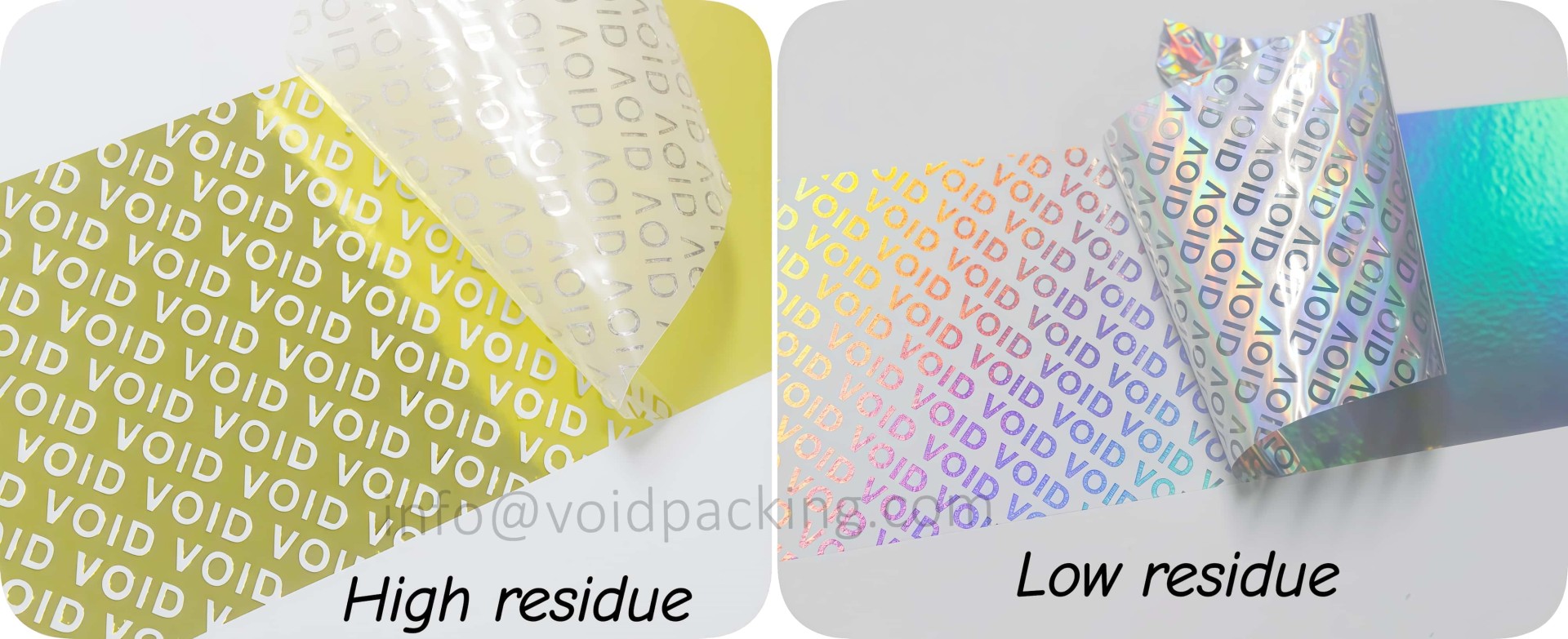
Résidu |
Résidus élevés / Résidus faibles |
|
MOQ |
1070 mm x 500 m ou sur mesure ou sans quantité minimale de commande pour les matériaux en stock |
|
Doublure |
Papier cristal 60/80 g / Papier kraft ou sur mesure |
|
Largeur de la taille |
100 / 200 / 300 / 530 / 1070 mm ou sur mesure |
|
Taille Longueur |
400 / 500 / 1000 / 2000 m ou sur mesure |
|
Taille standard du noyau |
3 pouces ou sur mesure |
|
Plage de température |
-20°C - 80℃ |
|
Délai de mise en œuvre |
3 à 7 jours, voire plus pour les modèles sur mesure, y compris la fabrication de plaques de cuivre. |
|
durée de conservation |
2 ans en conditions normales, éviter la lumière directe du soleil et une humidité élevée. |
|
Méthodes d'impression : |
Impression numérique, impression UV, sérigraphie, impression en creux, impression rotative, impression offset, impression par transfert thermique, impression jet d'encre, etc. |
Résidus faibles/élevés
Structure du produit