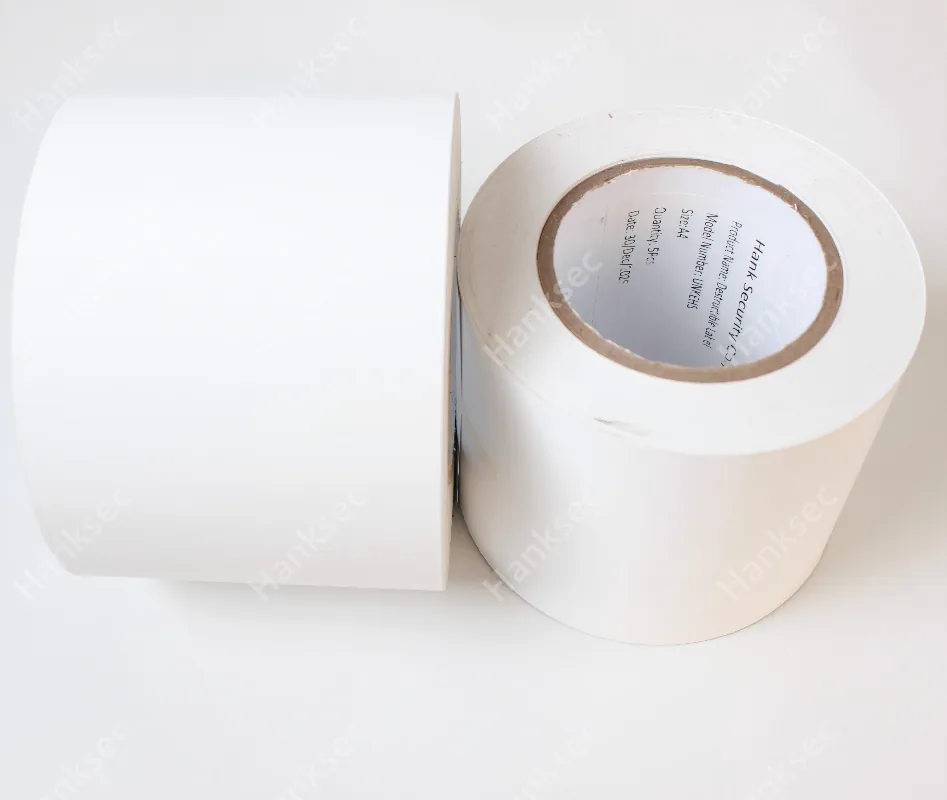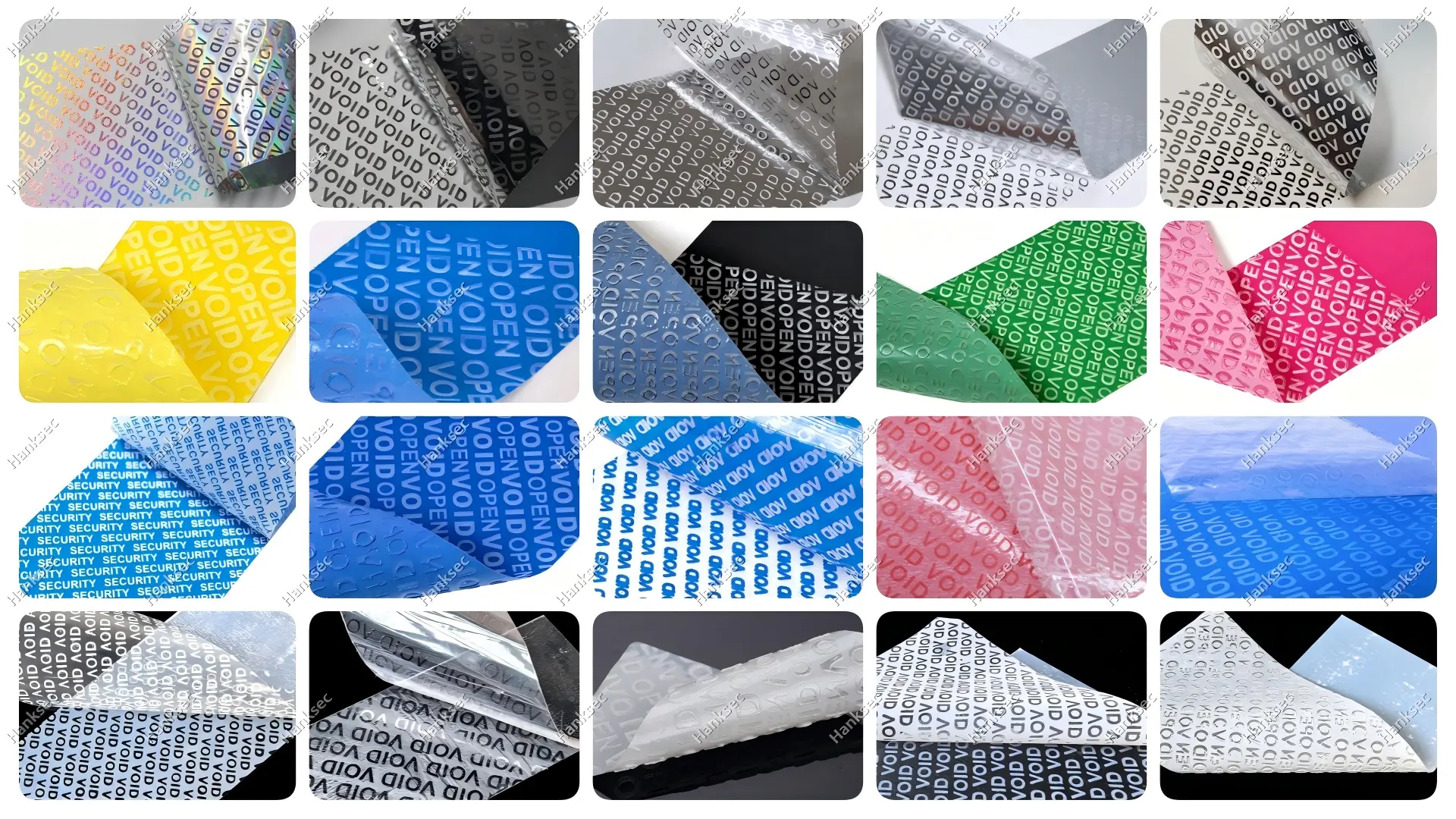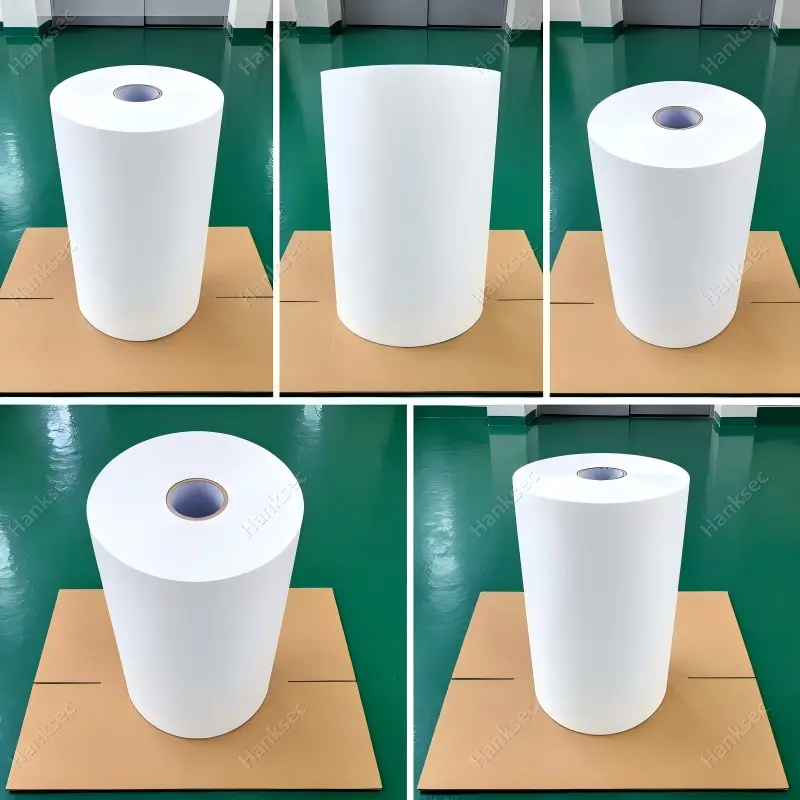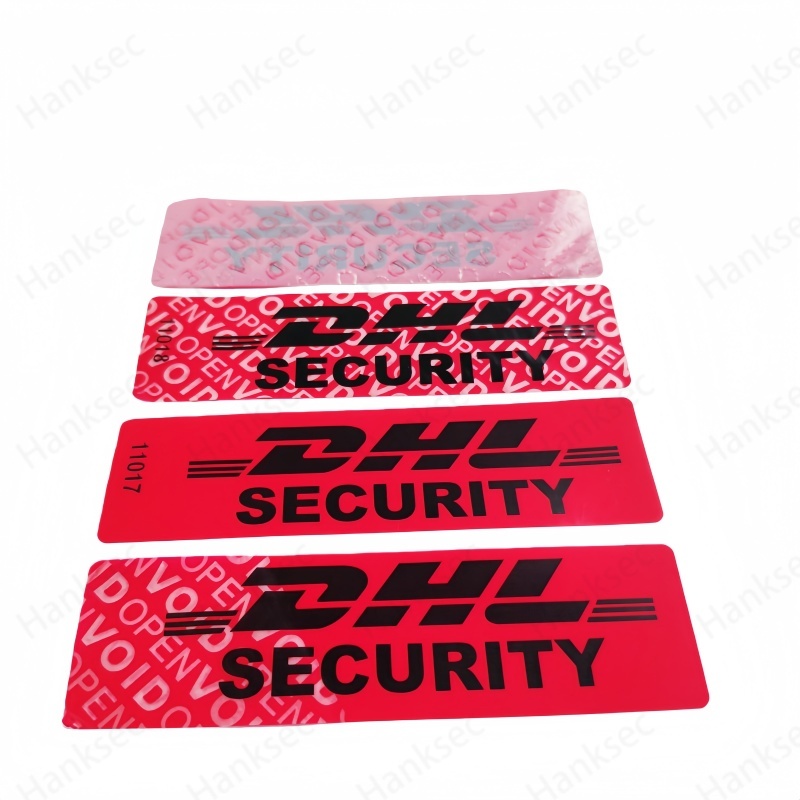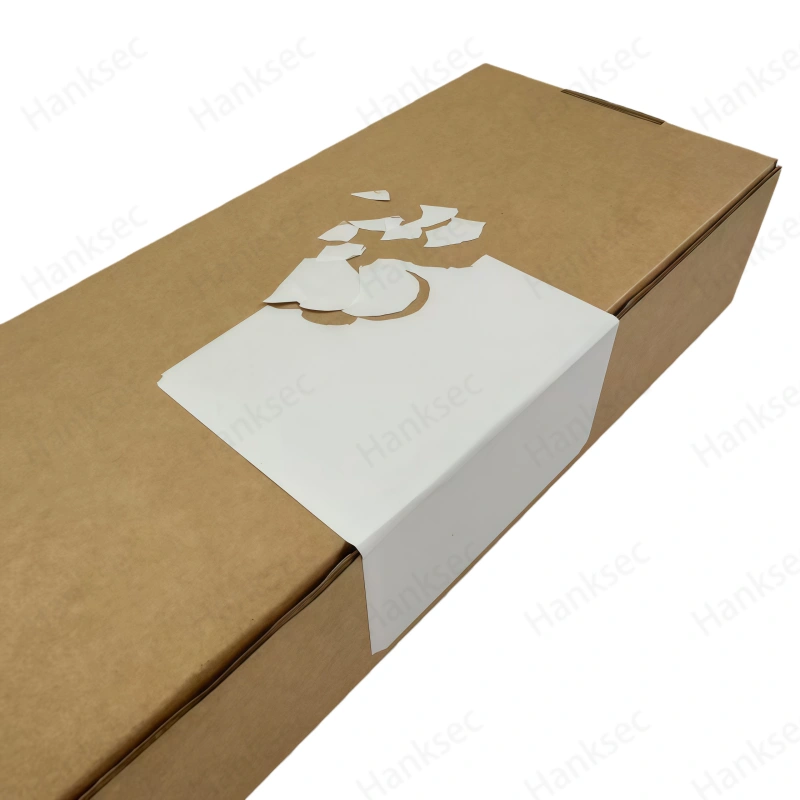
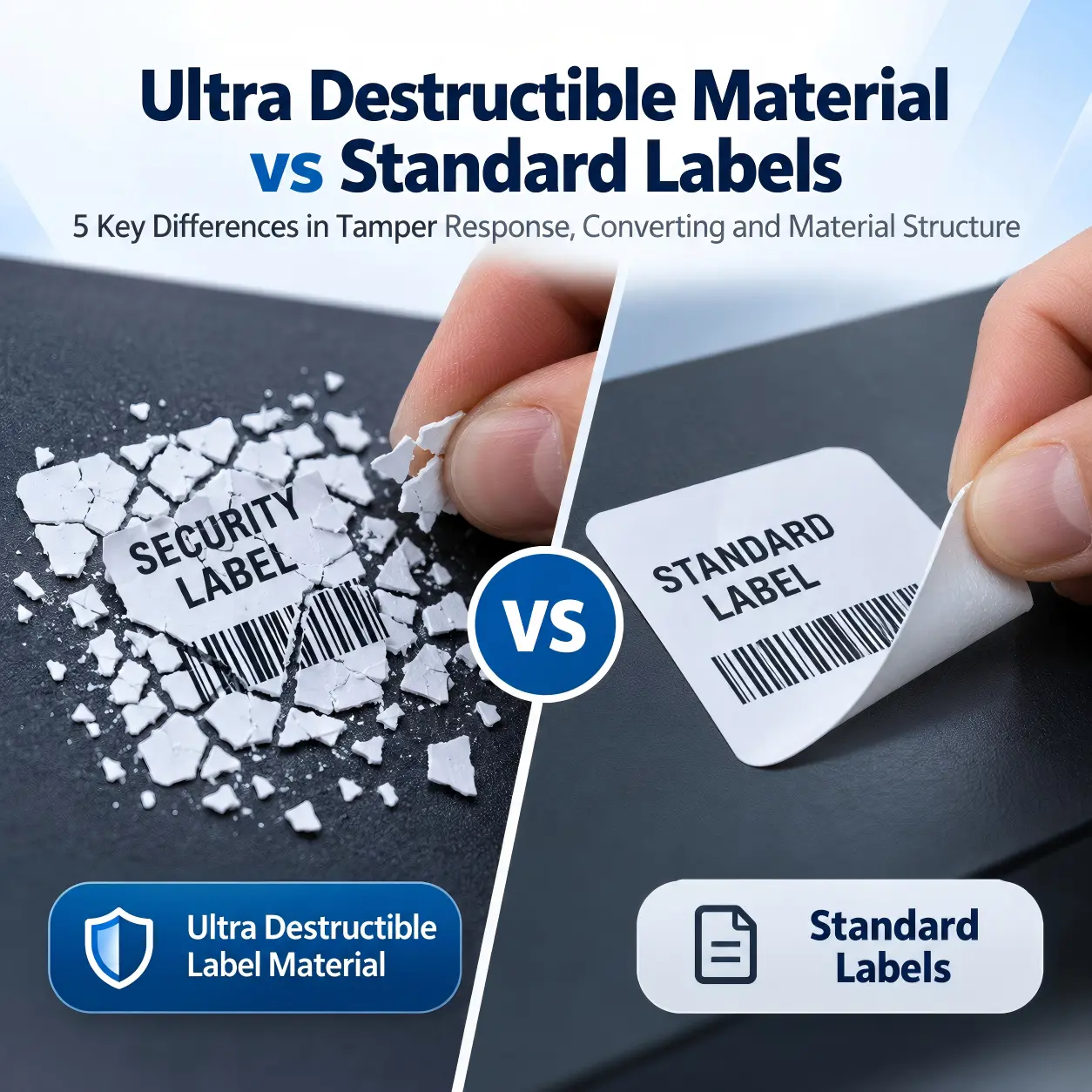
Beim Vergleich eines extrem zerstörbares Etikett im Vergleich zu einem StandardetikettDer größte Unterschied liegt nicht einfach darin, wie leicht das fertige Etikett reißt. Der Unterschied beginnt mit der Materialkonstruktion.
Extrem zerstörbares Etikettenmaterial Es verwendet ein bewusst sprödes Oberflächenmaterial in Kombination mit einem Klebstoffsystem, das beim Ablösen sichtbare Beschädigungen verursacht. Standardetikettenmaterialien sind normalerweise so konzipiert, dass sie beim Drucken, Weiterverarbeiten, Aufbringen und bei normaler Handhabung formstabil bleiben.
Für Käufer und Etikettenhersteller ist die praktische Frage einfach.
Benötigen Sie ein Material, das mechanisch stabil bleibt, oder ein Material, das nach der Anwendung bricht?
Dieser Leitfaden vergleicht ultra-zerstörbares Material mit Standard-Etikettenpapier hinsichtlich des Verhaltens des Obermaterials, der Wechselwirkung des Klebstoffs, der Verarbeitungsleistung, der Manipulationsempfindlichkeit und des endgültigen Lieferformats.
Extrem zerstörbares Etikettenmaterial vs. Standardetiketten: Ein kurzer Vergleich
| Besonderheit | Extrem zerstörbares Etikettenmaterial | Standard-Etikettenmaterial |
|---|---|---|
| Hauptmaterialfunktion | Physische Beweise für Manipulationen durch Fragmentierung schaffen | Gewährleisten Sie eine stabile Druck-, Identifikations- und Etikettierungsleistung. |
| Facestock-Verhalten | Absichtlich zerbrechlich | Normalerweise auf mechanische Stabilität ausgelegt. |
| Entfernungsreaktion | Entwickelt, um zu brechen, zu reißen oder zu zersplittern. | Kann je nach Obermaterial und Klebstoff intakt bleiben. |
| Konvertierung | Erfordert eine genauere Steuerung des Stanzens, der Bahnspannung und des Abstreifens der Matrize | Im Allgemeinen toleranter bei der Umstellung |
| Sicherheitsfunktion | Geeignet für Anwendungen, die ein Entfernen und Übertragen verhindern sollen. | Die Sicherheit hängt von der jeweiligen Konstruktion ab. |
| Lieferformat | Jumbo-Rolle, geschnittene Rolle, Bogen oder umgewandeltes Etikett | Jumbo-Rolle, geschnittene Rolle, Bogen oder umgewandeltes Etikett |
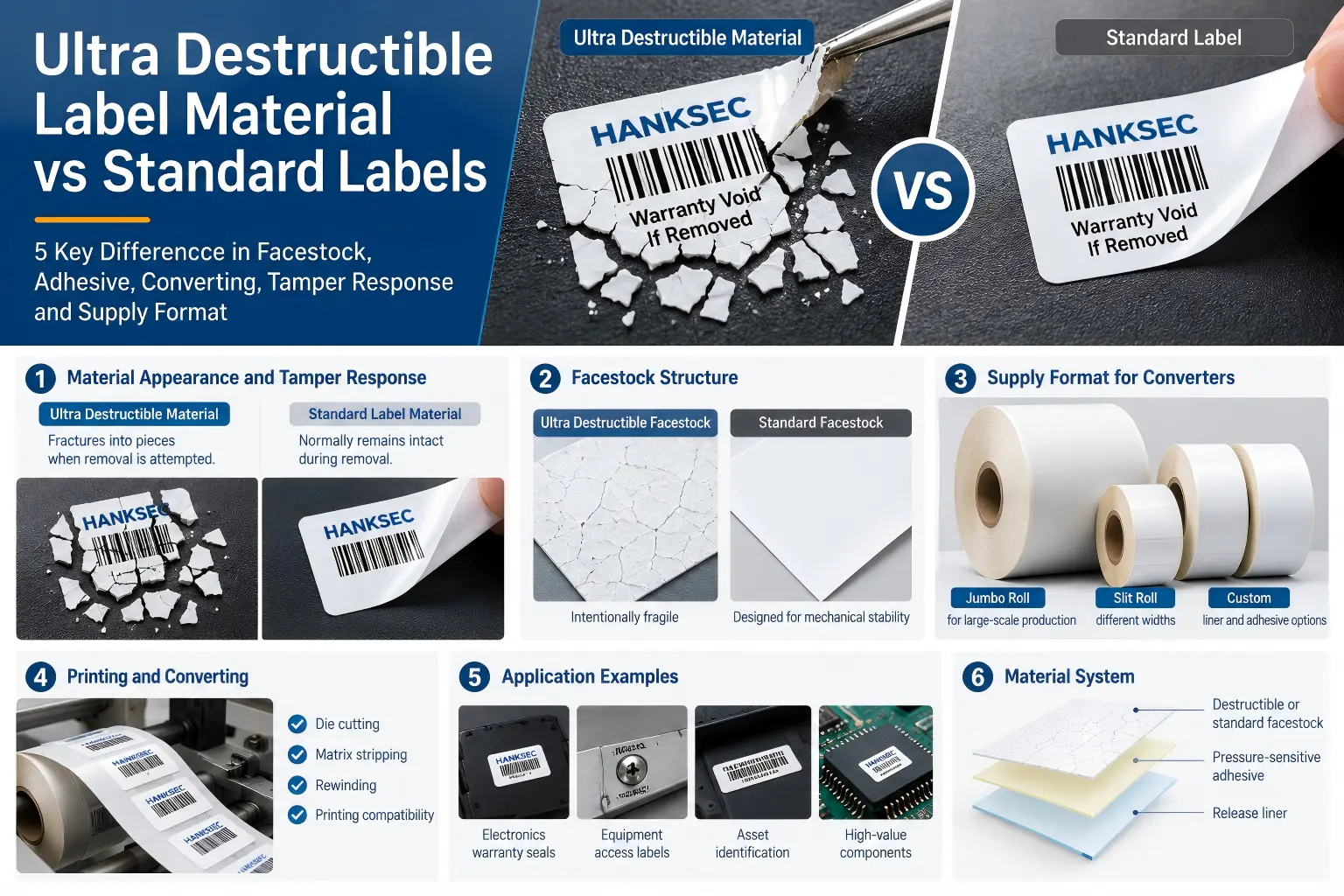
Die Wahl sollte nicht allein auf Dicke, Preis oder der Leichtigkeit, mit der sich eine Probe von Hand abreißen lässt, basieren. Die vollständige Konstruktion umfasst Obermaterial, Klebstoff, Trennpapier, Druckverfahren und EndsubstratDiese Elemente bestimmen die Eigenschaften des Materials.
Was ist ultra-zerstörbares Etikettenmaterial?
Extrem zerstörbares Etikettenmaterial is a pressure-sensitive security material designed with a highly fragile facestock.
After the converted label has been applied and the adhesive has developed sufficient bond to the substrate, an attempt to remove the label should cause the facestock to fracture rather than peel away cleanly as one complete piece.
The European Union Intellectual Property Office describes ultra-destructible labels as being made from very fragile materials combined with strong adhesive so that attempted removal causes the label to break into small pieces. See the EUIPO Ultra-Destructible Labels Guide.
For security label production, this material can be converted into:
- Garantiesiegel
- Sicherheitsetiketten für Elektronikgeräte
- Zugangsdichtungen für Ausrüstung
- Anlagenkennzeichnungsetiketten
- Prüfetiketten
- Anti-Transfer-Produktetiketten
- Sicherheitsetiketten für hochwertige Komponenten
Hanksec liefert Extrem zerstörbares Vinylmaterial Für Projekte, die eine hohe Bruchsicherheit und Manipulationssicherheit erfordern. Unterschiedliche Zerstörungsgrade sind ebenfalls verfügbar, wenn Anwender ein besseres Gleichgewicht zwischen Sicherheitsreaktion und Produktionsstabilität benötigen.
Was ist Standard-Etikettenmaterial?
Standard label material is a broader category of pressure-sensitive labelstock designed mainly for printing, identification, branding, instructions, barcode use or other general labeling requirements.
The facestock can include paper, PET, PP, vinyl and other materials. Depending on the application, the adhesive may be permanent, removable, freezer-grade, high-tack or formulated for another specific requirement.
Ein Standardetikett sollte nicht automatisch als schwach oder leicht zu entfernen beschrieben werden.
Some conventional PET or vinyl constructions can provide very strong adhesion and high durability. The important difference is that the material is not intentionally engineered to fracture as its primary tamper-evident mechanism.
5 wesentliche Unterschiede zwischen ultrazerstörbarem Material und Standard-Etikettenpapier
1. Facestock Failure Is Intentional
The most important difference is how the facestock is expected to behave.
Standard labelstock normally needs enough mechanical strength to survive printing, rewinding, die cutting, dispensing and normal product handling.
Ultra destructible material is engineered with much lower internal strength so that the facestock becomes the security mechanism.
When removal force exceeds the internal strength of the fragile material, the facestock breaks instead of separating cleanly from the substrate.
Eine höhere Materialfestigkeit ist bei einer zerstörbaren Sicherheitskonstruktion nicht immer von Vorteil.
2. Adhesive and Facestock Must Work as One System
Ultra destructibility cannot be evaluated by the facestock alone.
The adhesive must develop sufficient bond to the final substrate. If the adhesive releases too easily, the material may peel away before the facestock has a chance to fragment.
Die endgültige Leistung hängt ab von Festigkeit des Obermaterials, Klebeverbindung, Substratoberfläche, Einwirkzeit und Anwendungsbedingungen.
ABS, PET, glass, metal, coated paperboard, PP and PE can all produce different results with the same material construction.
For substrate-specific selection, see Hanksec’s Leitfaden für Klebstoffe von manipulationssicheren Etiketten.
3. Converting Requirements Are Different
A material that fractures easily after application can also be more demanding during production.
Ultra destructible material may require closer control of:
- Netzspannung
- Stanzdruck
- Matrix-Stripping
- Rückspulspannung
- fertige Etikettengröße
- Eckgeometrie
- Auswahl der Trennfolie
Material that is too fragile for the converter’s process can create matrix breaks or handling problems. Material that is too strong may convert easily but provide insufficient destruction after application.
This is why Hanksec separates destructible materials by different breakage levels rather than treating all fragile material as one product. See the Zerstörbare Etikettenmaterialrollen für Verarbeiter guide for easy, medium and harder destructibility selection.
4. The Finished Label Has a Different Security Function
Once converted, ultra destructible material creates a finished security label whose main evidence comes from physical fragmentation.
A conventional label may still use permanent adhesive, strong PET film or durable printing, but those features do not automatically make it destructible.
This distinction matters when the purpose of the label is to show whether someone has attempted to remove, transfer or replace it.
For example, a warranty seal covering an electronics housing screw should ideally show visible damage if someone tries to open the device and reuse the original label afterward.
5. Supply Format and Final Use Can Be Customized Separately
Security material supply and finished-label supply are not the same purchasing decision.
Label converters and security printers may require:
- Jumbo-Rollen
- geschlitzte Rollen
- benutzerdefinierte Rollenbreiten
- spezielle Trennfolien
- bedruckbare Beschichtungen
- kundenspezifische Klebstoffsysteme
Other buyers may require the same base material to be supplied as printed and die-cut finished security labels.
Hanksec unterstützt sowohl die Materiallieferung als auch konvertierte Formate. Die Materialzusammensetzung sollte vor dem endgültigen Druck und dem Stanzen bestätigt werden.
Welches Material sollten Etikettenhersteller wählen?
The correct choice depends on what the converter needs the finished label to do.
| Project Requirement | Empfohlene Richtung |
|---|---|
| General barcode or product information | Standard labelstock is usually sufficient |
| Warranty label that should break during removal | Zerstörbares Sicherheitsmaterial |
| Very small seal requiring aggressive fragmentation | Ultra destructible material may be suitable |
| High-speed converting with moderate tamper requirement | A less fragile destructible grade may provide better process stability |
| Visible VOID or OPENED message is required | VOID security material should be evaluated instead |
Das zerbrechlichste Material ist nicht automatisch die beste Wahl.
The correct grade should balance security response and converting stability.
Wann ist extrem zerstörbares Material die bessere Wahl?
Ultra destructible material is most useful when intact removal of the finished label should be difficult and visible physical damage is preferred.
Typical application directions include electronics, warranty control, equipment access points, asset protection, repair control and high-value components.
Die tatsächliche Leistungsfähigkeit sollte stets auf der endgültigen Anwendungsfläche getestet werden.
A highly fragile material combined with an unsuitable adhesive may perform worse than a slightly stronger destructible grade with better substrate bonding.
Wann ist Standard-Etikettenpapier die bessere Wahl?
Standard labelstock remains the more appropriate material when the primary requirement is identification, print quality, durability or production efficiency rather than tamper evidence.
This includes many ordinary barcode labels, product labels, instructions, logistics labels and high-speed labeling applications.
Using a fragile security material where no destructive-removal function is required can unnecessarily complicate converting and dispensing.
Extrem zerstörbares Material vs. Hohlraummaterial: Worin liegt der Unterschied?
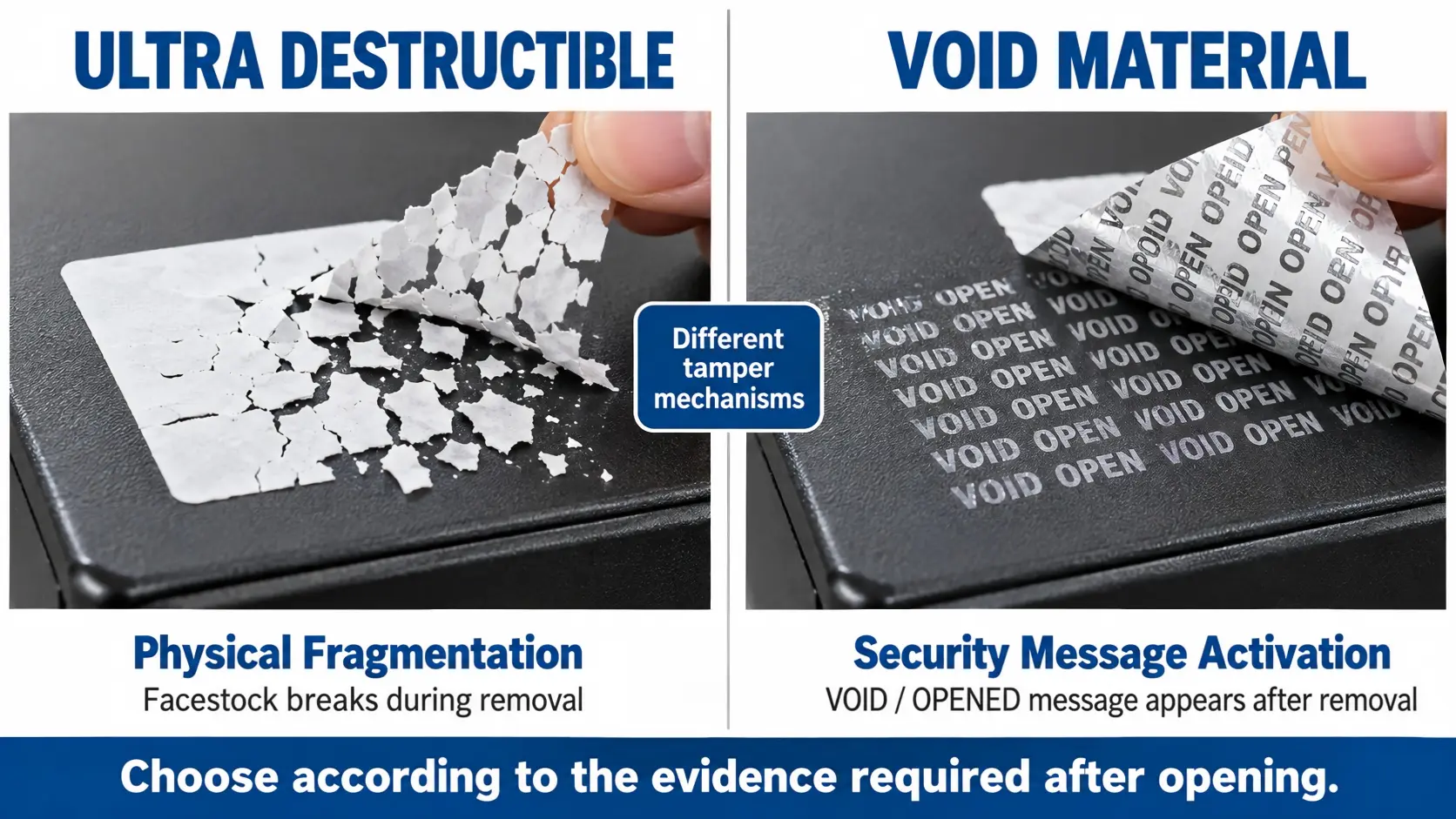
Both are tamper-evident material systems, but the evidence mechanism is different.
| Material System | Main Tamper Response |
|---|---|
| Ultra Destructible Material | Facestock fractures during removal |
| VOID Material | Eine kontrollierte Freigabestruktur offenbart eine VOID-, OPENED- oder benutzerdefinierte Sicherheitsmeldung. |
Ultra destructible material relies mainly on physical material failure.
VOID material relies on a functional release or transfer layer.
The right system depends on whether the buyer wants broken material, visible residue, a hidden message or a combination of security effects.
Was sollte vor der Serienproduktion getestet werden?
Before approving a destructible material, buyers and converters should test the complete construction rather than evaluating only a raw facestock sample.
Key checks include:
- Haftung auf dem eigentlichen Substrat
- Zerstörungsgrad nach ausreichender Verweilzeit
- Stanzleistung
- Stabilität der Matrixablösung
- Entladekraft
- Druckkompatibilität
- Abgabe der fertigen Etiketten, sofern zutreffend
Kommerzielle, selbstzerstörende Etikettenmaterialien führender Hersteller kombinieren ein empfindliches Obermaterial, Klebstoff und Trägerpapier zu einer vollständigen, druckempfindlichen Konstruktion. Die empfindliche Folie sollte nicht wie das fertige Endprodukt betrachtet werden. Zum Beispiel… 3M Destructible Polyurethane Label Material 3812 technical data sheet specifies facestock, adhesive and release liner as part of the material system.
Hanksec’s Leitfaden zur Qualitätskontrolle von Sicherheitsetikettenmaterialien explains how adhesion, release force, converting and final tamper response can be checked before bulk approval.
Häufig gestellte Fragen: Ultrazerstörbares Etikettenmaterial
Is ultra destructible material the same as an ordinary fragile label?
Not necessarily. Destructible materials can be engineered with different fracture levels. Ultra destructible grades are positioned toward the more fragile end of the range and normally break into smaller pieces during attempted removal.
Can ultra destructible material be supplied in jumbo rolls?
Yes. Depending on the project, destructible security materials can be supplied in jumbo rolls, slit rolls, sheets or converted label formats.
Can ultra destructible material be printed?
Ja. Die bedruckbare Oberfläche muss mit dem vorgesehenen Druckverfahren kompatibel sein. UV-Flexodruck, Siebdruck, Thermotransferdruck und bestimmte Digitaldrucksysteme erfordern unter Umständen unterschiedliche Oberflächenbehandlungen oder Beschichtungen.
Does a stronger adhesive always create better destructibility?
No. The adhesive must be matched to the substrate and service conditions. Final tamper performance depends on the balance between facestock strength, adhesive bond and application surface.
Can Hanksec supply finished destructible labels as well as material?
Ja. Projekte können je nach Druck-, Stanz-, Serialisierungs- und Endanwendungsanforderungen als verarbeitungsfertiges Material oder als fertige Sicherheitsetiketten entwickelt werden.
Fazit: Wählen Sie die komplette Materialkonstruktion.
The difference between ultra destructible label material and standard labelstock is not simply whether one material is easier to tear.
Ultra destructible material is engineered so that the facestock becomes part of the tamper-evident mechanism. Standard labelstock is normally optimized for stable printing, converting and normal labeling performance.
Für Sicherheitsanwendungen sollten Sie die Erforderliche Manipulationssicherheit, Obermaterial, Klebstoff, Substrat, Verarbeitungsprozess und Lieferformat zusammen.
Hanksec produziert selbstzerstörende Sicherheitsetikettenmaterialien für Etikettenhersteller, Sicherheitsdruckereien, Distributoren und OEM-Projekte. Bei Bedarf unterstützt Hanksec auch konvertierte Sicherheitsetikettenformate.
Before bulk production, the final material should be qualified on the actual substrate and under the intended printing and converting conditions.