
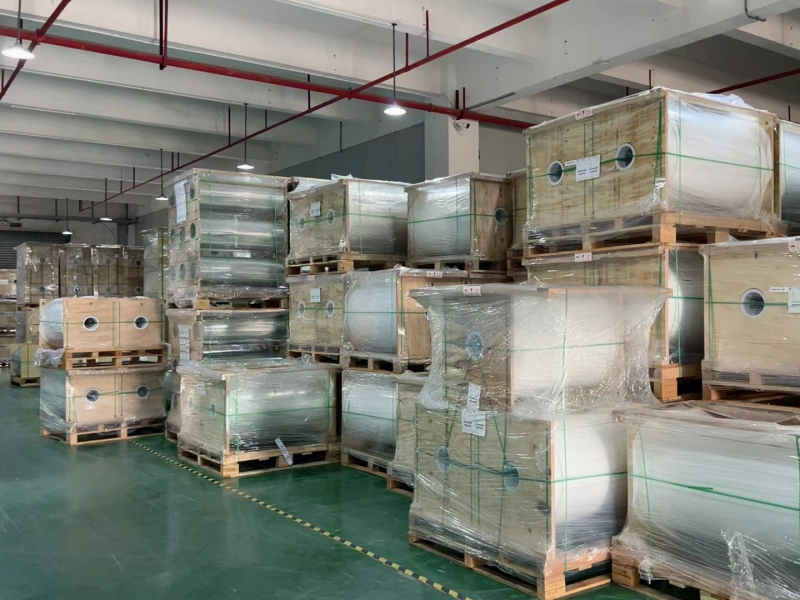
01 / FACESTOCK
PET Facestock Specification & Control
PET film thickness, surface condition and dimensional consistency are controlled to support stable coating, printing and downstream converting performance.
Quality assurance means controlling the complete material system — from incoming components and in-process conditions to functional performance and pre-production qualification. Hanksec verifies material consistency before bulk production.
Security material performance depends on the interaction of the facestock, release liner, pressure-sensitive adhesive and functional coating system. Each input is selected and controlled for consistency, compatibility, downstream printing, converting stability and tamper-evident performance.
PET film thickness, surface condition and dimensional consistency are controlled to support stable coating, printing and downstream converting performance.
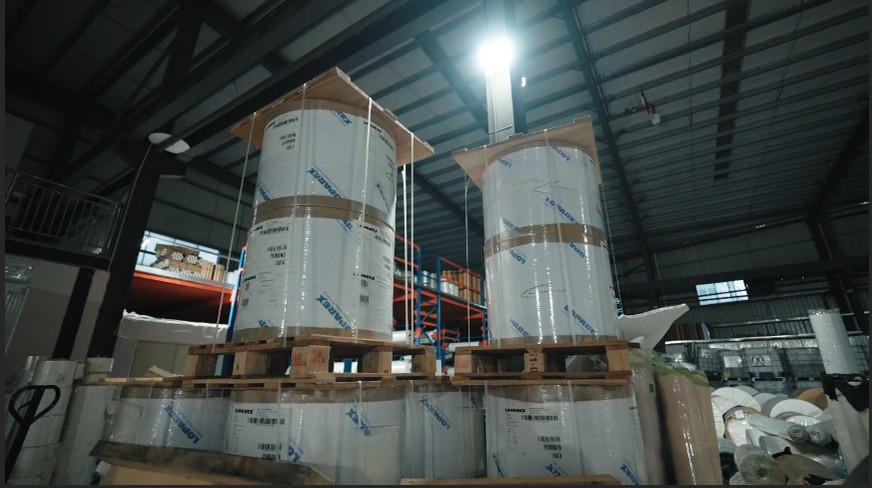
Release liner construction and release characteristics are selected to support stable release force, die cutting, matrix stripping, rewinding and dispensing.
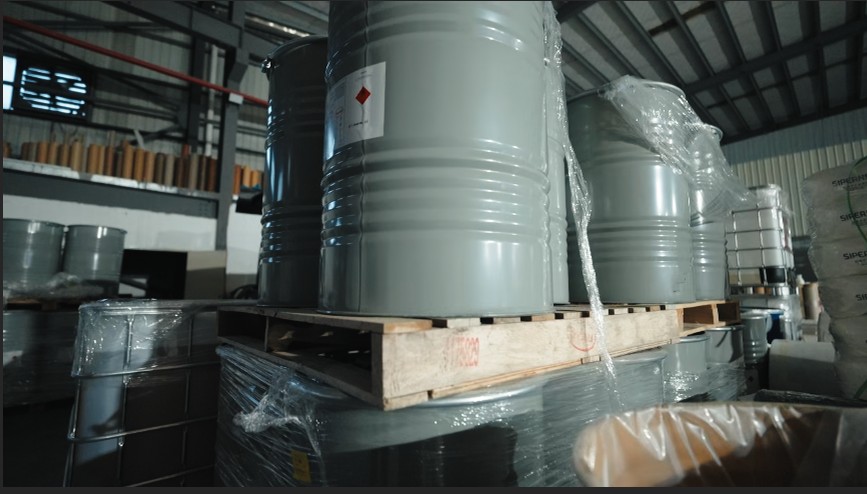
Acrylic pressure-sensitive adhesive is selected according to the application substrate, bonding conditions, service environment and required tamper-evident response.
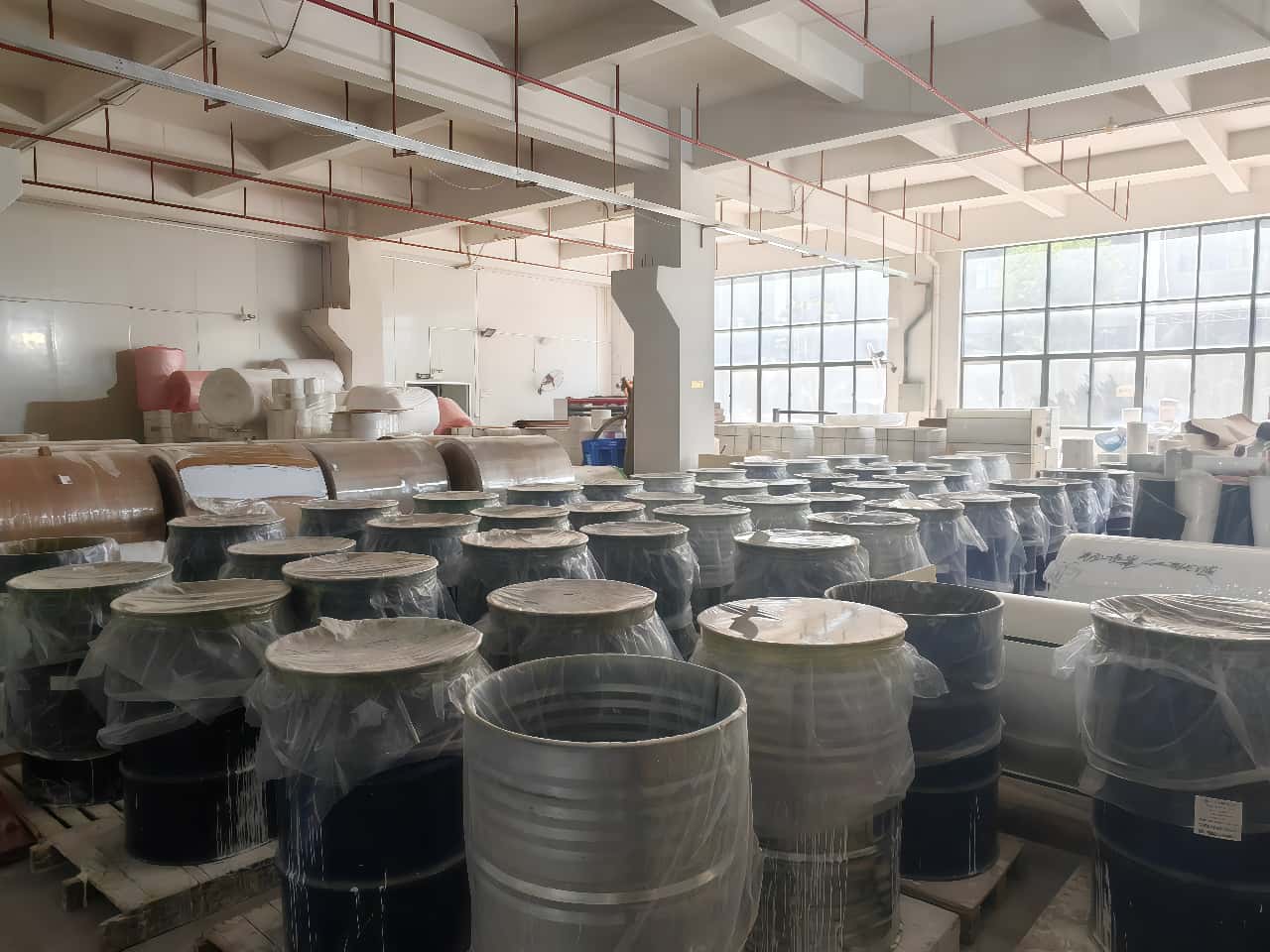
In-house formulation capability supports adjustment of functional coating layers to achieve the required release behavior, printability and tamper-evident performance.
Visual inspection alone cannot confirm whether a security material will perform reliably. Qualification should evaluate adhesion, release behavior, converting stability, tamper response and print durability under relevant application conditions.


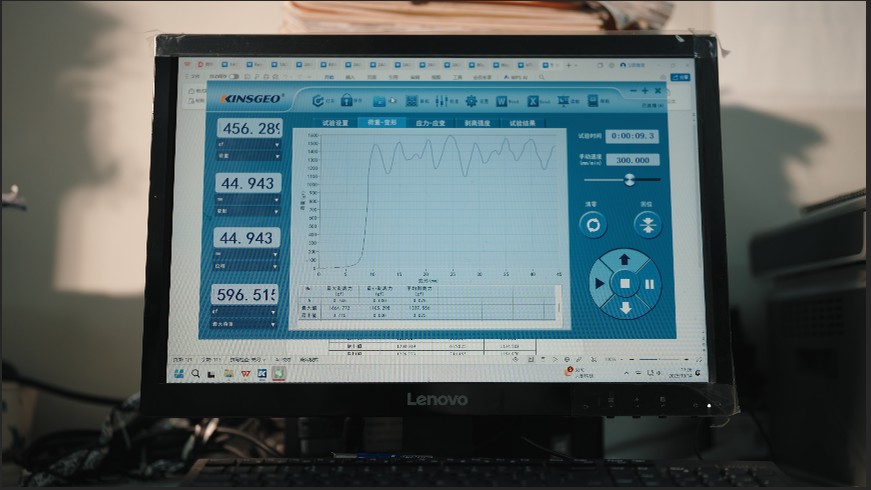

Quality control does not begin at final inspection. Key material inputs, coating consistency, registration, adhesive and release behavior, security response and finished-roll condition are monitored against defined process requirements throughout production.
Laboratory data is useful, but it cannot represent every substrate, printer or converting line. Before bulk production, sample qualification should reproduce the intended substrate, printing method and converting conditions as closely as practical.
Qualification should reflect the complete material construction and the customer's intended application and converting conditions.

Recorded test data and technical records support sample comparison, specification review and communication between purchasing, technical and production teams.
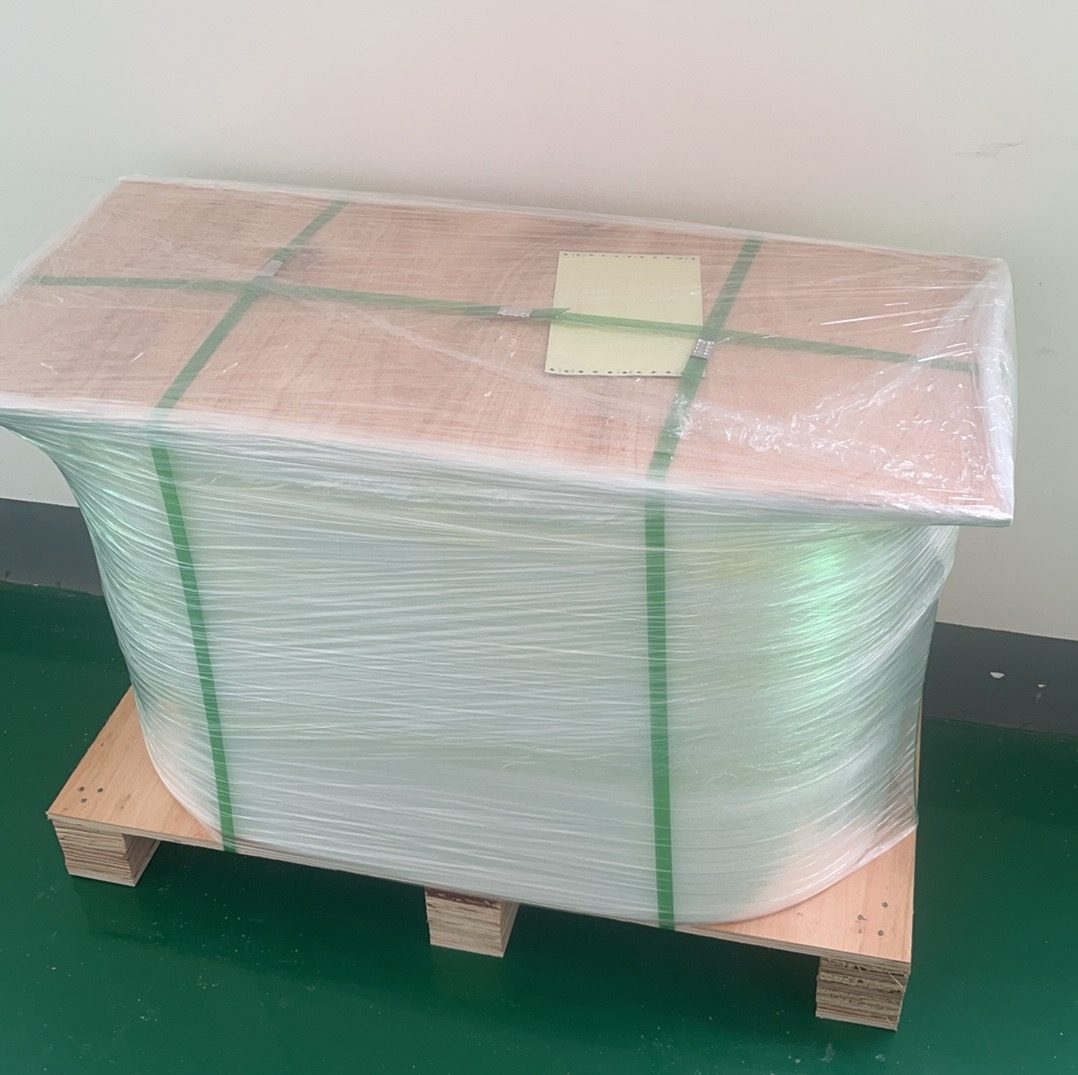
Released materials are packed according to the agreed supply format and transport requirements before shipment.
Read the Hanksec Security Label Material Quality Control Guide for detailed guidance on peel adhesion, release force, die cutting, matrix stripping, VOID response and print durability.
Share the intended substrate, printing method, converting conditions and required tamper response. Hanksec can recommend a suitable material construction and support sample evaluation before bulk production.