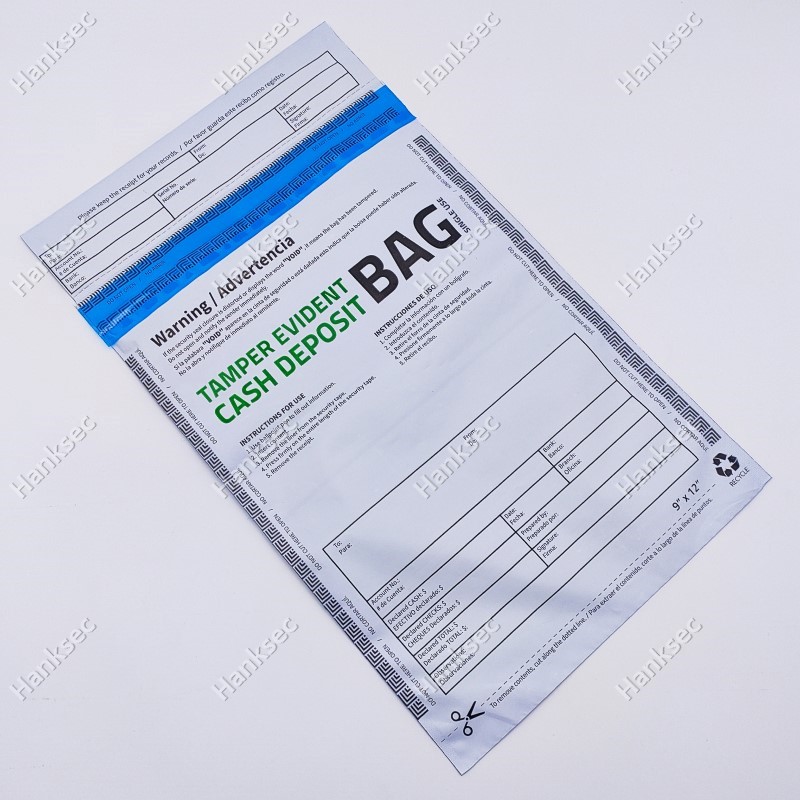
An evidence bag is one of the most important security packaging solutions for protecting physical evidence, cash, documents, and sensitive goods. Evidence bags and tamper evident security bags are secure packaging systems designed to protect physical evidence, cash, documents and other sensitive contents during storage and transportation.
Unlike standard packaging bags, evidence bags and tamper seal bags are designed to provide visible evidence of tampering and help preserve chain-of-custody integrity from collection through storage and presentation.A properly designed evidence bag helps investigators, banks, logistics companies, and security teams confirm whether the package has been opened or replaced during handling.
Today, industries such as police departments, forensic laboratories, and financial institutions rely heavily on tamper evident deposit bags, security deposit bags, and tamper evident cash bags to protect sensitive materials, currency, and legal evidence during transportation.
This article provides a complete technical, industrial, and procurement-level guide to evidence bags, including types, structure, applications, working principles, and selection criteria, supported by relevant ASTM test methods, NIST evidence-handling guidance and aviation-security references.
What Is an Evidence Bag and How Does It Work?
An evidence bag, also known as a tamper evident bag or security tamper evident bag, is a secure packaging solution designed to store and transport physical evidence in a way that prevents unauthorized access or tampering.
They are commonly used in:
- Police evidence collection
- Forensic laboratories
- Customs enforcement
- Banking security systems
- Logistics and supply chain protection
Once sealed, these bags are designed to reveal visible and irreversible signs when opened under the specified application and handling conditions.
How an Evidence Bag Works as a Tamper Evident Security Bag
Every evidence bag relies on multiple security technologies to ensure tamper resistance, visible opening evidence, and reliable chain-of-custody protection.
Tamper Evident Adhesive System
A pressure-sensitive adhesive is applied to the sealing area to create a permanent bond after closing. For projects requiring multiple tamper-response functions, Level 4 tamper evident security bags can combine irreversible opening evidence with additional heat, liquid or UV-responsive security features.
VOID or Tamper Message Technology
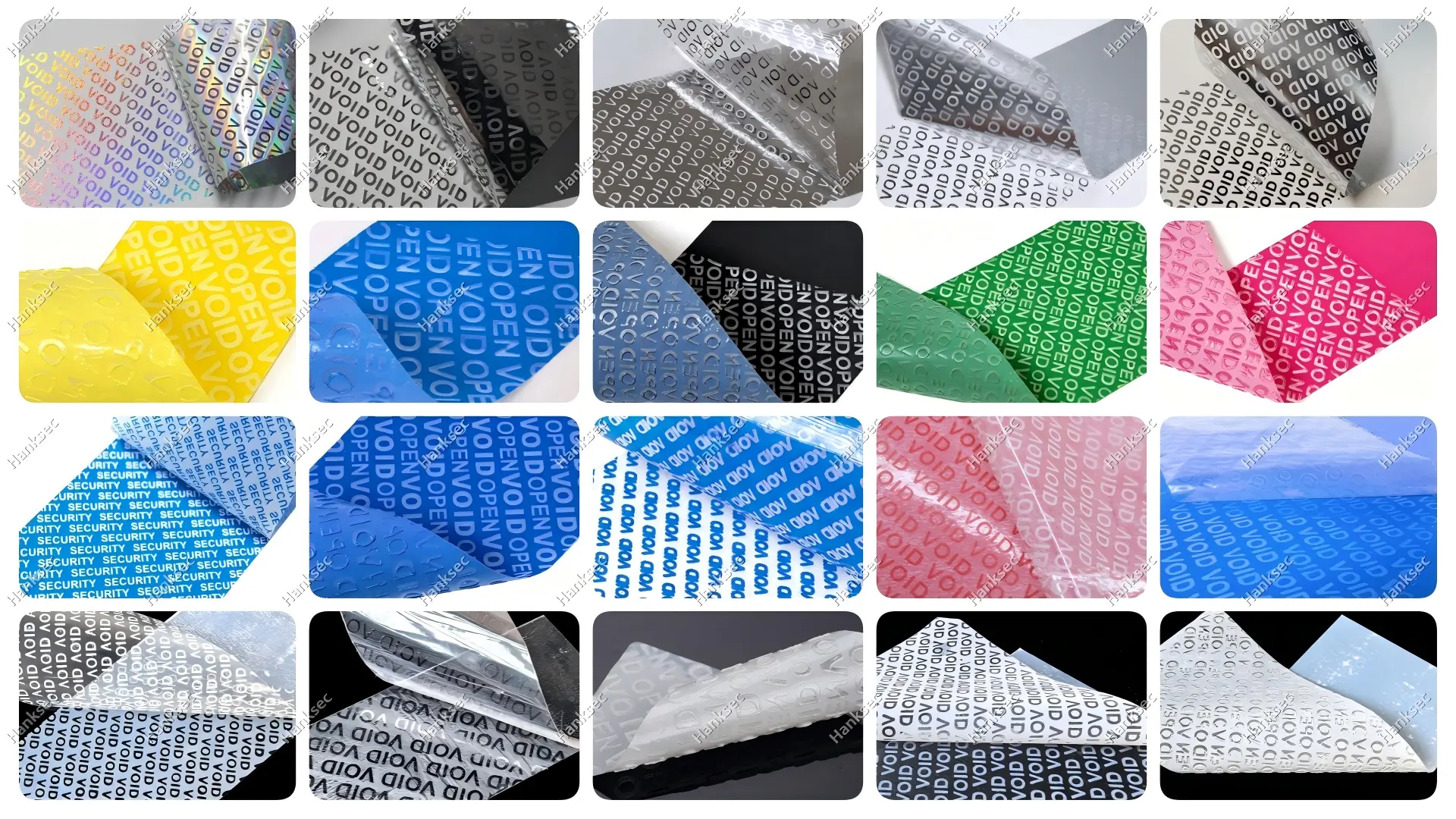
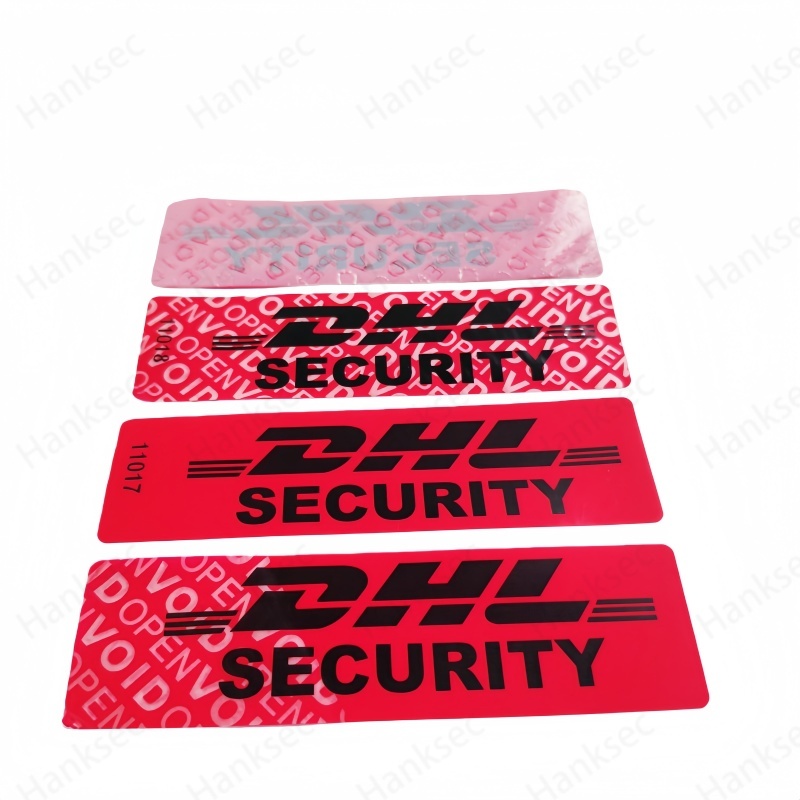
When the bag is opened, hidden text such as “VOID”, “OPENED”, or customized security markings can appear in the closure area. Buyers can explore Hanksec tamper evident security bags with different closure structures according to the required security level and application.For a deeper explanation of how hidden VOID messages and controlled release layers work, see our VOID label material technical guide.
Serial Number & Traceability System
Depending on the design, a security bag may include:
- Unique serial number
- Barcode or QR code
- Tracking database integration
For projects requiring standardized digital identification, the GS1 Digital Link standard can connect identifiers encoded in barcodes or QR codes to online product, shipment or traceability information. The selected identification system should match the customer’s internal database and operating procedures.
These identification features support chain-of-custody traceability when they are used with documented handling and transfer procedures.
Main Components of a Tamper Evident Security Bag
- Bag film: PE or co-extruded film selected according to puncture resistance, opacity and load requirements.
- Tamper-evident closure: A pressure-sensitive sealing strip designed to reveal irreversible opening evidence.
- Security message layer: VOID, OPENED or customized warning information activated after removal.
- Temperature or liquid indicators: Optional layers designed to reveal abnormal heat, cold, water or solvent exposure.
- Sequential identification: Matching numbers, barcodes or QR codes on the bag and tear-off receipt.
- Writable information panel: Used for case data, deposit information, signatures and transfer records.
- Side and bottom seams: Produced to resist accidental opening during filling, storage and transportation.
Types of Security Bags & Tamper Evident Bags
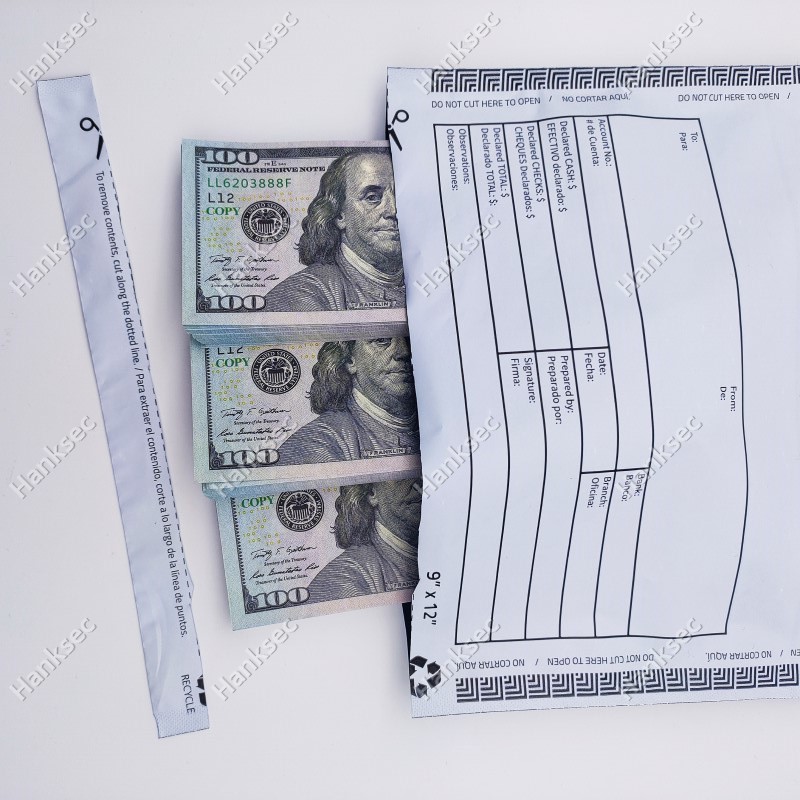
The right evidence bag type depends on the application, evidence value, transportation method, and required security level. Different industries may require clear evidence bags, tamper evident deposit bags, security deposit bags, or custom printed security bags.
Tamper Evident Evidence Bags
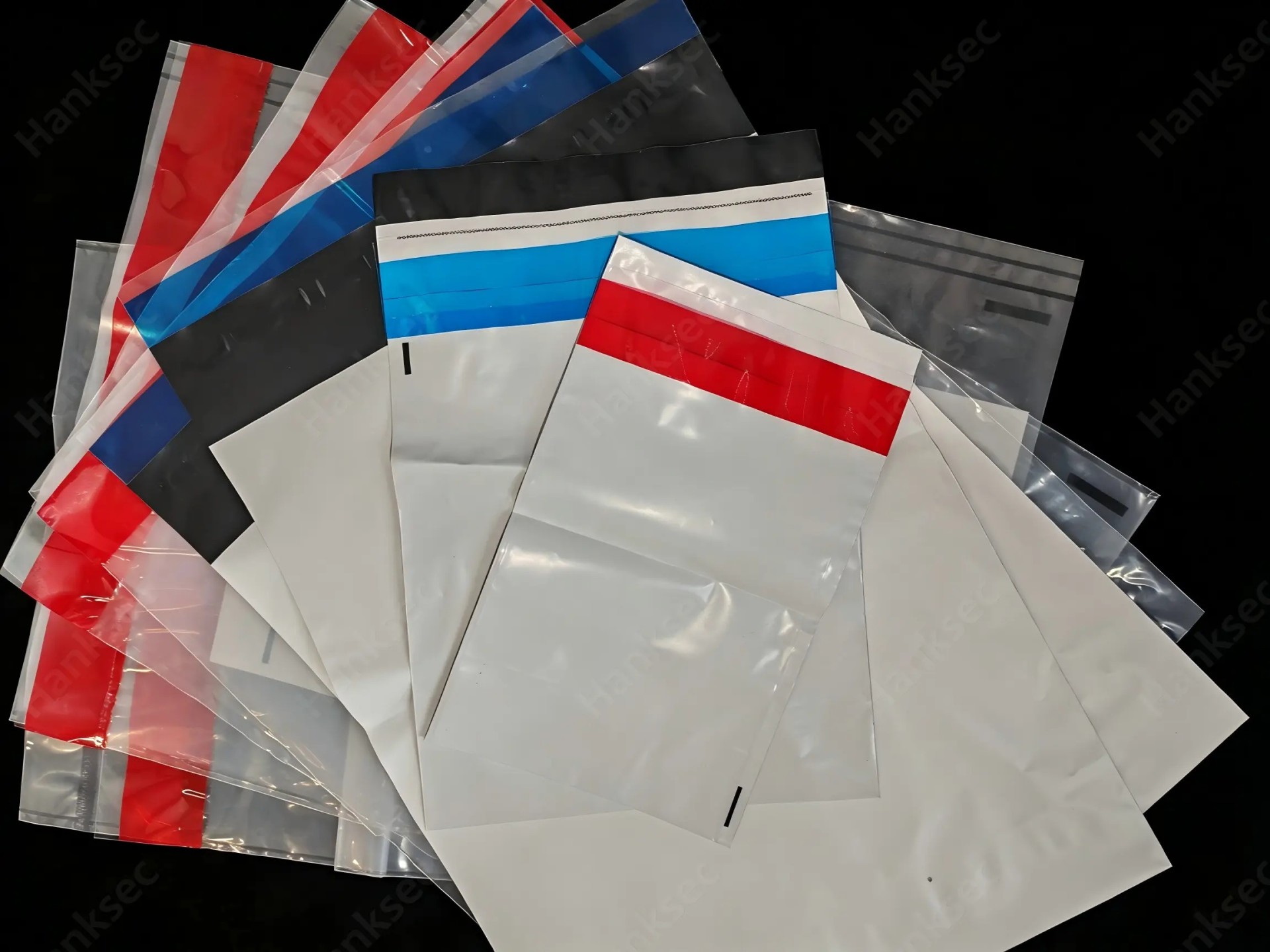
Tamper evident evidence bags are designed for controlled storage and transportation of physical evidence, documents and other sensitive items. Typical designs may include a one-time security closure, unique serial number, writable evidence panel and tear-off receipt to support identification and chain-of-custody procedures.
Tamper Evident Deposit Bags
Tamper evident deposit bags are used by banks, retailers, cash-handling companies and other financial operations to protect deposits during internal transfer, collection and transportation. Buyers should consider bag strength, serial-number control, barcode requirements, tear-off receipts and the required tamper-response level.
Tamper Evident Cash Bags for Banking and Retail Deposits
Tamper evident cash bags are used for retail cash collection, bank deposits, ATM replenishment, armored transportation and internal cash transfers. A suitable cash security bag should combine an irreversible closure with a unique serial number, barcode or QR code, tear-off receipt and writable deposit information.
The required security level depends on the handling risk. Standard closures may reveal normal peeling, while higher-security structures can be designed to show evidence of abnormal heat, cold, water or solvent exposure. Final performance should be evaluated using the actual bag size, fill weight, sealing pressure and storage conditions.
Need a Security Bag for Cash or Evidence Handling?
Send Hanksec your bag dimensions, load requirement, application industry, security level and required serial-number format. Our team can recommend a suitable bag film and tamper-evident closure structure.
Clear Evidence Bags
Clear evidence bags allow visual inspection of the contents without opening the package and are useful when rapid identification is required. However, packaging should always match the evidence type; wet or biological evidence may require breathable packaging, drying or other preservation procedures rather than a standard sealed plastic bag.
Security Tamper-Evident Bags for Duty-Free Liquids
Security tamper-evident bags, commonly known as STEBs, are used for liquids, aerosols and gels purchased from airport retailers or on board aircraft. The International Civil Aviation Organization guidance on LAGs and STEBs explains that these bags were developed to support the secure carriage of airport or in-flight purchases, particularly for transfer passengers passing through additional security controls.
STEB projects should follow the applicable aviation-security requirements and should not be treated as ordinary cash, logistics or evidence bags.
Custom Security Bags
Custom security bags can be manufactured with specified dimensions, film colors, logos, writable panels, sequential serial numbers, barcodes, QR codes, tear-off receipts and customized tamper-response structures. OEM and ODM projects should be developed around the actual load, handling process, traceability system and required security level.

How Tamper Evident Security Bags Are Manufactured and Tested
- Requirement analysis: Confirm bag dimensions, film color, load, security level, printing and traceability requirements.
- Film preparation: Select or produce the PE or co-extruded film according to thickness, strength and opacity requirements.
- Security closure production: Coat and laminate the tamper-evident sealing strip with the required VOID, temperature or liquid-response structure.
- Printing and serialization: Apply logos, instructions, writable fields, sequential numbers, barcodes and tear-off receipt data.
- Bag converting: Complete cutting, side sealing, bottom sealing, perforation and closure-strip application.
- Quality inspection: Check dimensions, seal activation, serial-number matching, print quality, seam strength and batch consistency.
Typical Quality-Control Checks
| Test Item | What Is Evaluated |
|---|---|
| Closure activation | Whether the security message appears clearly after opening |
| Peel response | Adhesive and tamper response under controlled removal |
| Temperature or liquid attack | Response under the conditions specified for the selected security level |
| Serial-number matching | Consistency between the bag, barcode and tear-off receipt |
| Print legibility | Readability of instructions, variable data and writable areas |
| Bag seam strength | Consistency of side and bottom seals during handling |
| Dimensions and film thickness | Conformity with the approved specification |
| Batch consistency | Comparison between production lots and retained samples |
Recognized test methods may be used as quality-control references where relevant. ASTM D3330/D3330M-04(2025) covers peel-adhesion testing for pressure-sensitive tapes and may be useful when evaluating the adhesive response of a tamper-evident closure on standard or representative surfaces.
For the side and bottom seals of flexible security bags, ASTM F88/F88M-23 provides a recognized method for measuring seal strength in flexible barrier materials. Seal-strength testing can support process control and batch consistency, but it does not by itself evaluate the tamper-evident function of the security closure.
Evidence Bag Applications in Law Enforcement, Banking and Logistics
Law Enforcement
For law enforcement agencies, an evidence bag is used to protect crime scene materials, documents, drugs, weapons, and other sensitive items from contamination or unauthorized access.
Used for:
- Crime scene evidence
- Drug enforcement materials
- Weapon collection
Banking & Finance
Used for:
- Cash transfer
- ATM replenishment
- Secure deposit handling
Logistics & Supply Chain
Used for:
- High-value goods transport
- Warehouse sealing
- Customs inspection
Forensic Laboratories
Important evidence-packaging note: Not every type of evidence should be placed in the same plastic security bag. Wet or biological evidence may require drying, breathable packaging, refrigeration or other agency-specific preservation procedures. The NIST/NIJ biological evidence preservation guidance provides recommendations covering packaging, tracking, storage and preservation. Buyers should also follow the requirements of the receiving laboratory and local evidence-management authority.
Used for:
- DNA samples
- Fingerprints
- Physical trace evidence
Retail & Brand Protection
Used for:
- Anti-counterfeit packaging
- Product authentication
Evidence Bag Specifications Buyers Should Confirm
Before requesting samples or quotations, B2B buyers should confirm the following functional and traceability requirements with the security bag manufacturer:
- Tamper evident sealing system
- Chain-of-custody tracking
- High-strength multilayer film
- Barcode and QR code integration
- Writable documentation area
- Custom branding options
Evidence Bags vs Standard Bags
| Feature | Evidence Bag | Standard Bag |
|---|---|---|
| Tamper indication | Designed to provide visible opening evidence | Usually not included |
| Unique identification | Serial number or barcode available | Usually not included |
| Chain-of-custody documentation | Can support documented handling procedures | Not specifically designed for it |
| One-time sealing | Normally included | Not normally included |
| Legal or procedural acceptance | Depends on correct use and local requirements | Not designed for evidence control |
Why Chain of Custody Matters
According to the NIST definition of chain of custody , the process tracks the movement of evidence by documenting who handled it, when it was collected or transferred and the purpose of each transfer. A security bag supports this process, but complete traceability still depends on accurate records and controlled handling procedures.
Without tamper evident bags:
- Evidence may be rejected
- Integrity may be questioned
- Legal disputes may arise
Evidence bags support accountability and traceability when combined with documented collection, sealing, storage and transfer procedures.
Information Required for Chain-of-Custody Control
An evidence bag supports chain-of-custody control only when it is used together with documented handling procedures. The bag should provide enough space for clear identification and transfer records.
| Record Field | Purpose |
|---|---|
| Case or reference number | Connects the bag to the investigation or internal record |
| Evidence item number | Identifies each individual item |
| Description of contents | Records what was placed inside the bag |
| Collector name and signature | Identifies the person who collected and sealed the evidence |
| Date and time | Records when collection and sealing occurred |
| Unique bag serial number | Links the physical bag to the evidence record |
| Transfer history | Records each person or location receiving the evidence |
How to Choose the Right Evidence Bag
When selecting an evidence bag or tamper evident bag, buyers should consider security level, material structure, printing requirements, sealing technology, and chain-of-custody needs.
- Security level required
- Material type (plastic / paper / multilayer film)
- Environmental conditions
- Printing and traceability needs
- Regulatory compliance
Evidence Bag Selection Guide by Application
| Application | Recommended Direction | Key Requirements |
|---|---|---|
| Law Enforcement | Evidence bag with controlled one-time closure | Serial number, writable chain-of-custody panel, clear tamper evidence |
| Banking & Cash Handling | Opaque tamper evident deposit bag | Barcode/serial number, tear-off receipt, strong film and closure |
| Logistics | Tamper evident security bag | Puncture resistance, strong seams, traceability and handling durability |
| Forensic Laboratory | Packaging selected according to evidence type | Chain-of-custody identification plus appropriate preservation method |
| Retail & High-Value Goods | Custom security bag | Branding, serial data, barcode/QR and visible tamper response |
How to Inspect a Tamper Evident Bag After Delivery
- Confirm that the serial number matches the receipt or transport record.
- Inspect the closure for VOID, OPENED, discoloration or surface damage.
- Check the side and bottom seams for cutting, puncture or resealing.
- Confirm that barcodes and handwritten records remain readable.
- Photograph and document any abnormal condition before opening
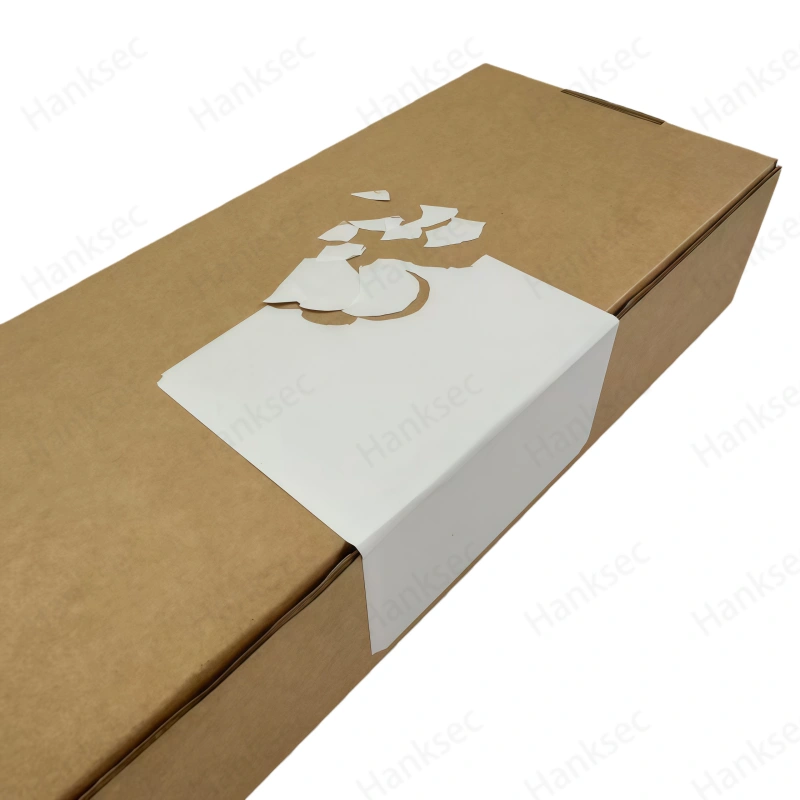
When opened, these bags show irreversible damage or VOID-like indicators.
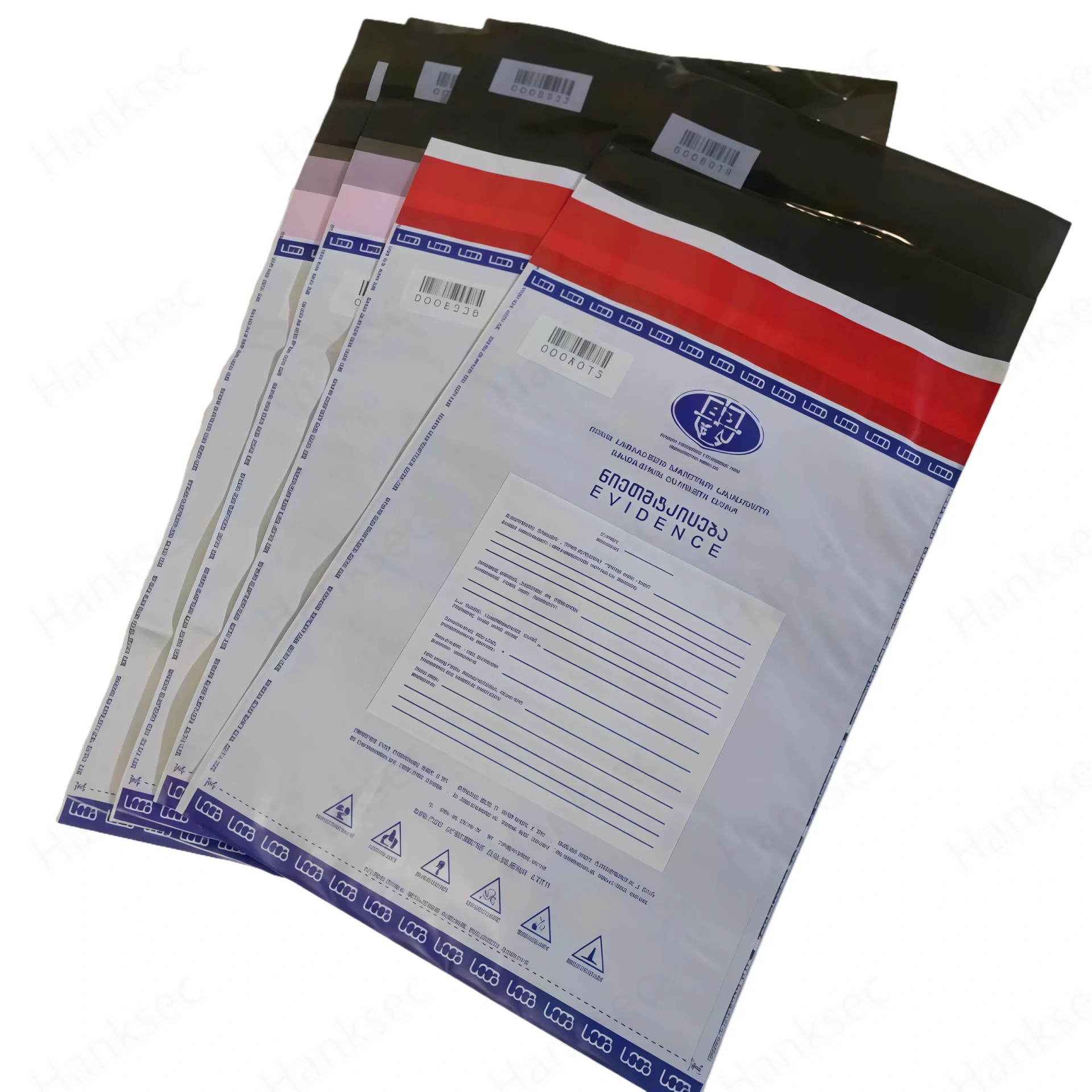
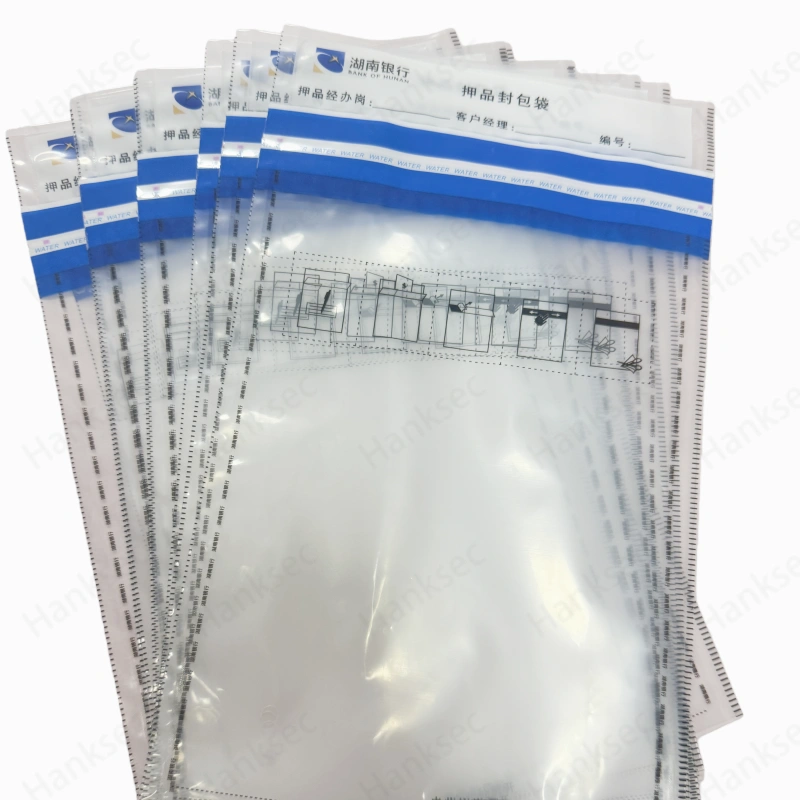
Single-layer tamper evident document bag with security closure
HANKSEC Manufacturing Capability
HANKSEC is a professional manufacturer of security packaging materials, specializing in:
Hanksec manufactures tamper evident security bags, security bag sealing tapes and anti-counterfeit packaging materials for law enforcement, banking, logistics and packaging-converting projects. Available OEM and ODM options include custom bag dimensions, printed logos, sequential serial numbers, barcodes, QR codes, tear-off receipts, writable panels and different tamper-response structures.
We provide OEM & ODM solutions for law enforcement agencies, logistics companies, and global packaging converters.
If you are looking for high-quality evidence bags, tamper evident bags, or security packaging solutions, contact HANKSEC for:
- Free samples
- OEM customization
- Technical datasheets
- Bulk manufacturing support
Evidence Bag FAQs
What are evidence bags used for?
Used for secure transport of legal and forensic evidence.
What is tamper evident bag?
A tamper-evident bag is a security package designed to reveal visible evidence after unauthorized opening. Depending on the closure design, the bag may display a VOID message, adhesive damage, discoloration or another irreversible warning.
Can evidence bags be reused?
Most evidence bags are intended for one-time sealing. Once opened, the tamper-evident closure should remain visibly altered, so the original sealed condition cannot be restored without evidence.
What information should be printed on an evidence bag?
An evidence bag should provide enough space for the case or reference number, evidence item number, description of contents, collector information, date and time, unique bag serial number and transfer records required by the organization’s chain-of-custody procedure.
What is the difference between security bags and normal bags?
Ordinary bags mainly contain or transport items. Security bags add tamper indication, unique identification, writable records and optional serial-number or barcode tracking.
Can tamper evident bags be customized?
Yes. Custom options may include bag dimensions, film color, printed logos, writable panels, serial numbers, barcodes, QR codes, tear-off receipts and different tamper-response structures.
What industries use evidence bags?
Evidence bags are widely used in law enforcement, banking, logistics, and retail industries.
What are STEB bags?
STEBs are security tamper-evident bags used for liquids, aerosols and gels purchased at airport retailers or on board aircraft. They are designed for aviation-security applications and should follow the applicable requirements for duty-free and transfer-passenger handling.
Conclusion
Choosing the correct evidence bag is not only about packaging size; it is about security performance, tamper visibility, traceability, and long-term reliability in real handling environments.
If you are looking for tamper evident bags, security bags, or custom packaging solutions for your business, contact us for samples, technical support, and OEM manufacturing services.
Written by: Jimmy, Security Packaging Specialist
Technical review: Hanksec Security Bag Tape and Packaging Testing Team
Industry experience: 15+ years in tamper-evident security materials, bag sealing tapes and anti-counterfeit packaging.
Last updated: July 2026