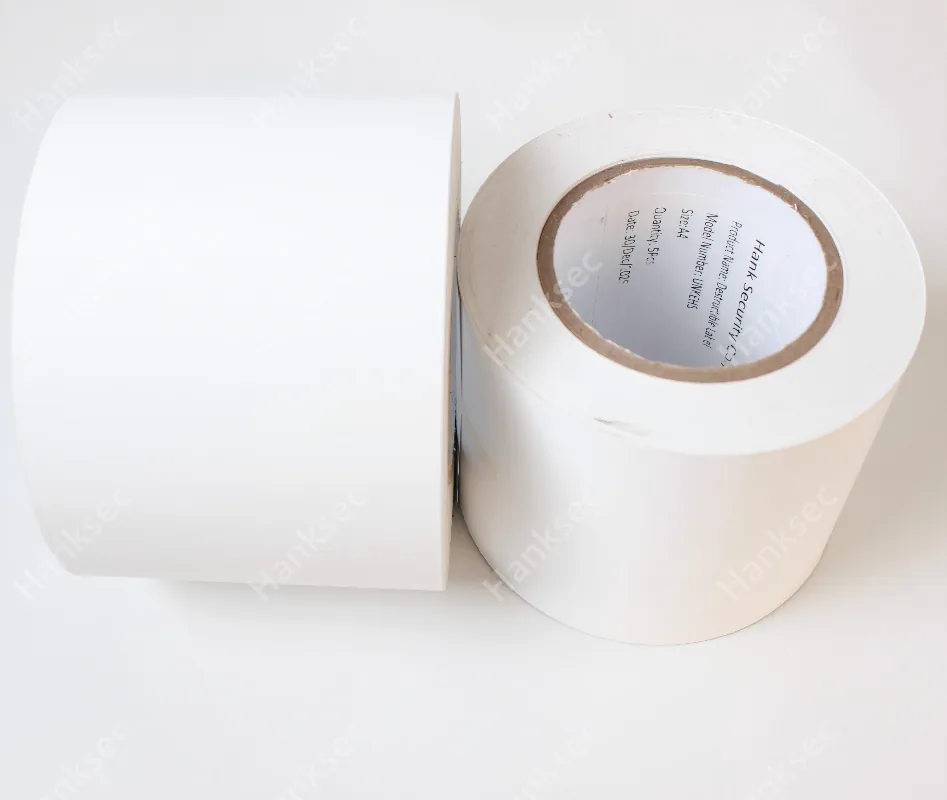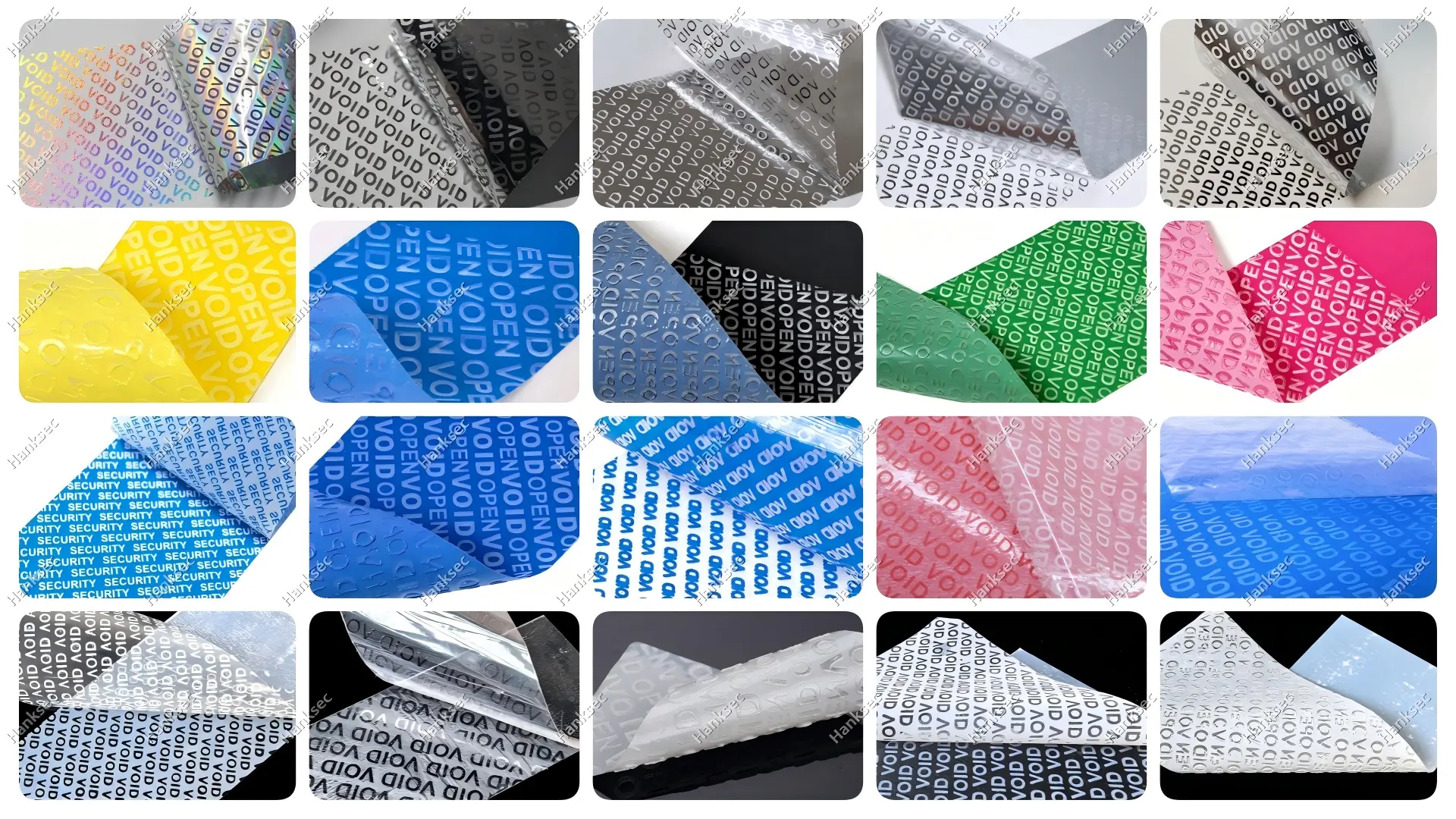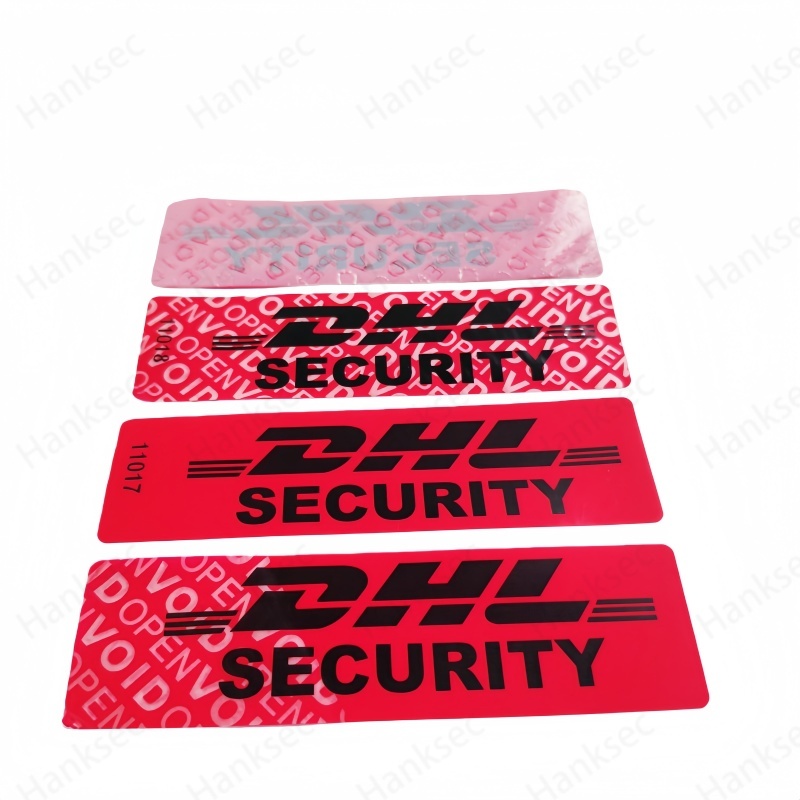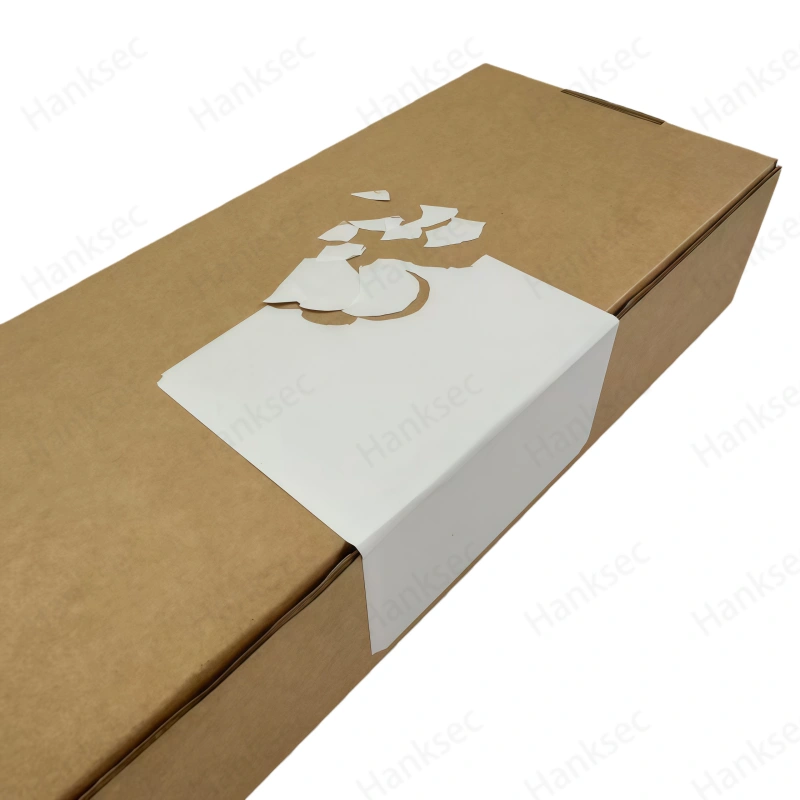
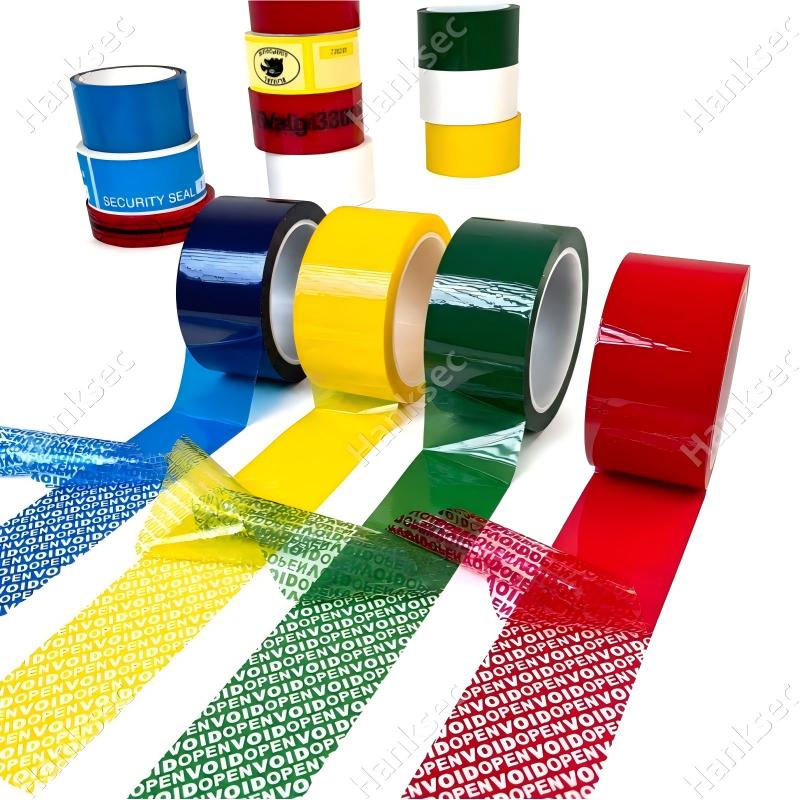
Tamper evident security packaging tapes are pressure-sensitive closure tapes engineered to create visible evidence when a carton, parcel, bag or envelope is opened or the tape is lifted.
Depending on the construction, the security effect may be full transfer, partial transfer, non-transfer, carton-fiber tear or another controlled opening response.
For B2B buyers, the correct security tape should be selected according to the packaging substrate, residue tolerance, temperature, application method, machine compatibility and traceability requirements — not simply by tape color or VOID message.
What Are Tamper Evident Security Packaging Tapes?
Tamper evident security packaging tape is a sealing material designed to make package interference visibly detectable. Unlike standard printed packing tape, the security construction changes when the tape is lifted, peeled or removed.
Depending on the design, the tape may transfer a hidden VOID or OPENED message, split the security image between the tape and package, leave little residue, tear carton fibers or create another irreversible visual change.
The tape therefore provides an additional package-integrity indicator during storage, transportation, delivery and returns handling. It should be treated as one part of a broader packaging-security system rather than as definitive proof of product authenticity or legal responsibility.
Why Tamper-Evident Packaging Tapes Matter in Modern Supply Chains
Global supply chains increasingly rely on small parcels, distributed warehousing and multi-stage delivery networks. These conditions make package-level integrity and traceability more important for many brands.
The OECD and EUIPO 2025 report estimated that counterfeit and pirated goods represented approximately USD 467 billion, or 2.3% of global imports, in 2021. It also found that shipments containing fewer than ten items accounted for 79% of customs seizures during 2020–2021.
These figures do not mean that security tape alone prevents counterfeiting. However, they help explain why visible package-integrity controls, traceability systems and tamper-evident packaging are receiving greater attention in e-commerce and international supply chains.
How Tamper Evident Security Packaging Tapes Work
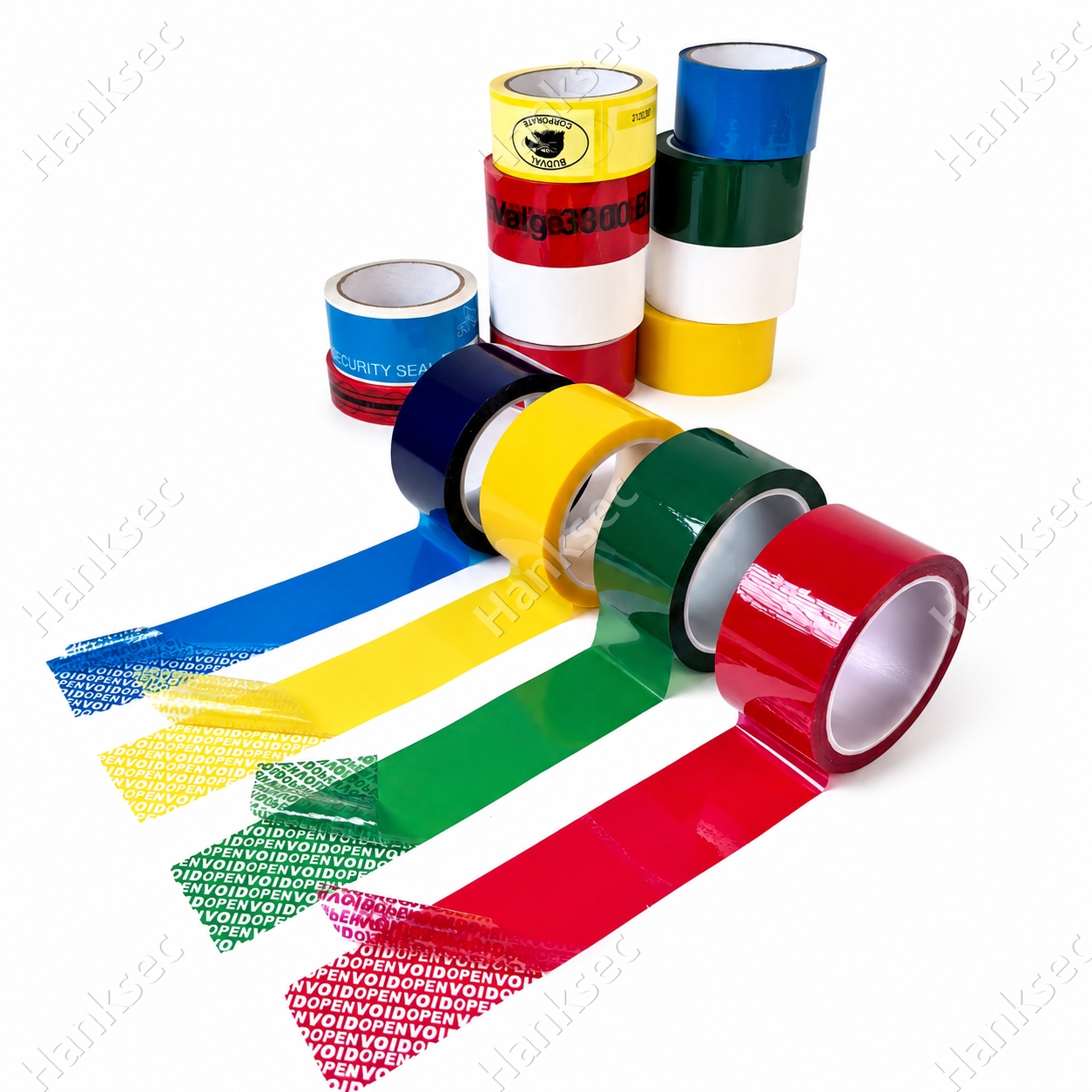
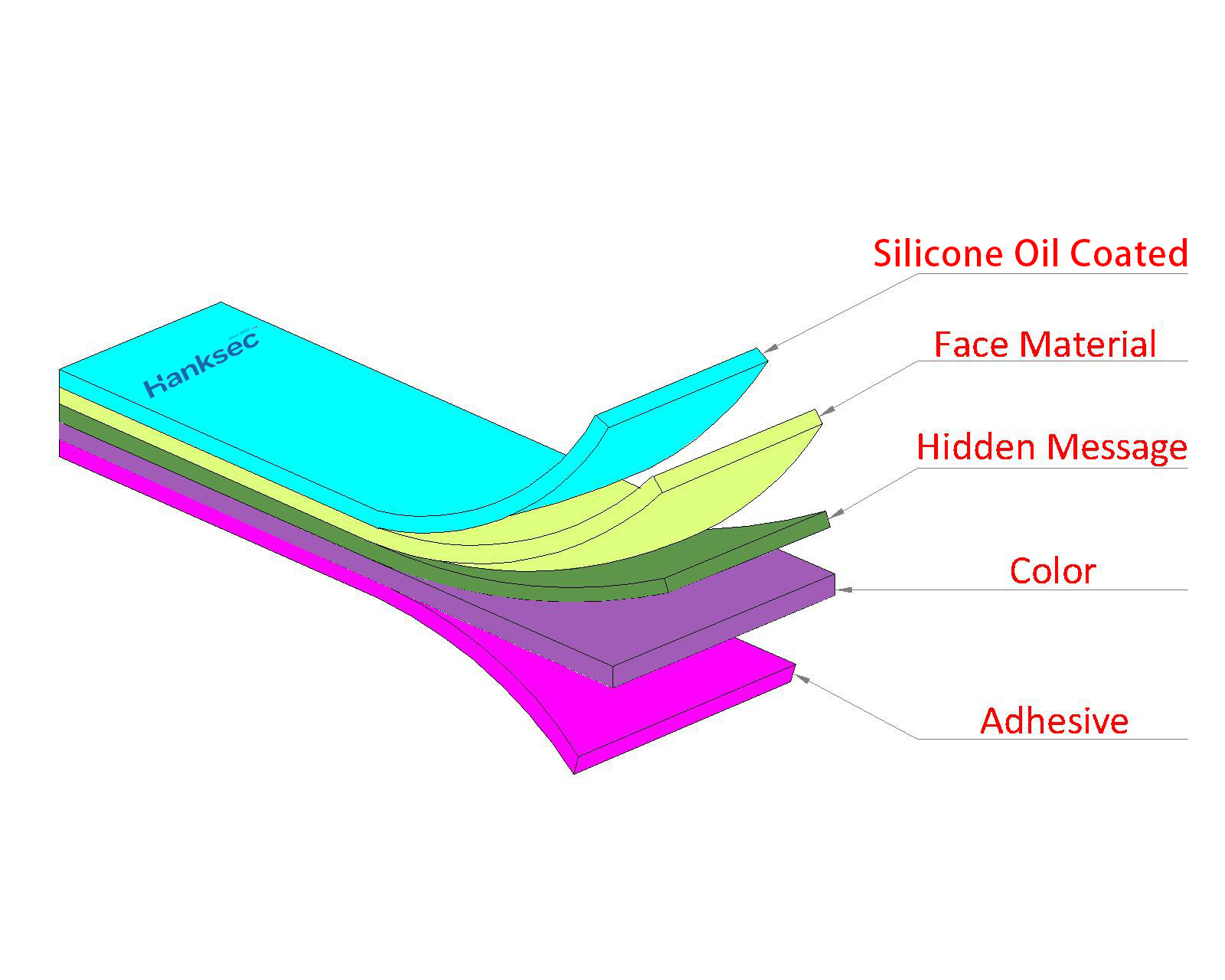
The performance of tamper evident security packaging tape comes from the interaction of the film backing, security release layer, printed or coated security pattern, pressure-sensitive adhesive and the final packaging substrate.
BOPP and PP constructions are widely used for carton-sealing applications where machine handling and efficient sealing are important. PET constructions are often selected when dimensional stability, precise security patterns and more controlled VOID effects are required. Specialty PE-based constructions may also be used where greater flexibility or conformability is needed.
However, the film alone does not make a tape tamper evident. The security response depends on how the release pattern, functional coating and adhesive are engineered to separate when removal is attempted.For a deeper explanation of how facestock, release coatings, hidden-message layers and adhesives work together, see our security label material systems guide.
Typical Security Tape Construction
Three Main VOID Transfer Behaviors
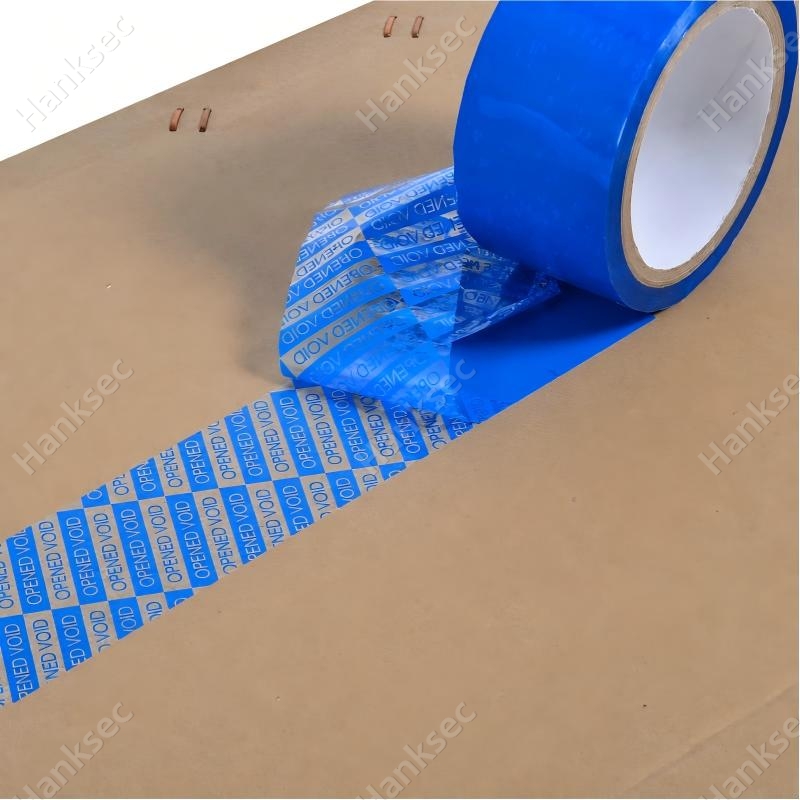
Transfer behavior describes where the visible security evidence appears after opening. It should not be confused with an overall security level, because final performance also depends on adhesion, substrate compatibility and tape construction.
| Type | What happens during opening | Visual result after tampering | Best fit |
| Full Transfer VOID tape | The security message and transfer layer appear prominently on the applied surface after removal. | Clear, high-contrast residue on the box; obvious opening evidence | High-value cartons, electronics, pharma, confidential shipments |
| Partial Transfer VOID tape | Part of the message transfers to the substrate while part remains on the tape | Balanced evidence on both box and tape | Buyers who want strong evidence but less aggressive residue |
| Non Transfer VOID tape | The message appears mainly on the tape itself, with minimal residue left on the pack | Cleaner substrate appearance; residue kept low | Premium packs, cosmetic surfaces, temporary seals, surfaces that must stay clean |
For a more detailed comparison of full-transfer, partial-transfer and non-transfer security systems, see our VOID anti-counterfeit labels guide.In practice, full-transfer constructions are chosen when the package itself should “confess” that it has been opened. This is common in electronics, pharmaceuticals, and sensitive shipping where the residue is a feature, not a defect. Partial-transfer constructions are useful when the buyer wants obvious tamper evidence without making the board look aggressively damaged. Non-transfer or low-residue variants are better when surface appearance matters, such as brand-sensitive cartons, temporary service seals, or applications where the seal must prove opening but should not scar the surface.
The substrate still decides the outcome. A tape that behaves perfectly on a high-quality varnished carton may behave very differently on dusty corrugate, recycled board, low-surface-energy plastics, frozen packs, or glossy mailer bags. For this reason, the actual packaging substrate should be clean, representative of production conditions and tested before bulk approval.
Customization and construction choices
A serious tamper-evident tape program is not just “choose a color and print VOID.” The performance comes from the interaction between film, topcoat, hidden-message design, adhesive system, residue target, and package surface. That is why good manufacturers discuss construction, not just artwork. Customization can include film thickness, color, hidden VOID or OPENED messages, adhesive systems, residue level, serial numbers, barcodes, QR codes, perforation and other application-specific features. The final construction should be matched to the packaging surface and application process rather than selected by artwork alone.
| Customization variable | Common buyer options | Why it matters |
| Color and effect | Hologram, silver, gold, blue, red, black, white, yellow, green, orange, transparent, or custom brand color | Controls overt visibility, brand fit, and shelf or warehouse recognition |
| Film family | PET, BOPP, PP, PE-based specialty constructions | Affects dimensional stability, conformability, printing, tear behavior, and environmental resistance |
| Film thickness | Common commercial requests include 25, mid-range gauges around 36–38, and 50 microns | Fine-tunes flexibility, stiffness, machine handling, and message clarity |
| Surface finish | Glossy or matte topcoat | Changes print receptivity, scuff resistance, glare, and visual tone |
| Hidden message | VOID, VOID OPEN, OPENED, SECURITY, multilingual text, custom logo, custom pattern | Aligns the opening message with the brand, market, or use case |
| Residue style | Low residue, high residue, dry peel, wet peel | Determines how much evidence stays on the pack after opening |
| Adhesive system | Acrylic, high-tack permanent, low-temperature, heat-resistant, low-surface-energy grade | Decides whether the tape works on recycled corrugate, varnished board, plastics, or cold-chain packs |
| Functional add-ons | Barcodes, QR codes, serial numbers, cut indicators, perforation or tear initiation, split liner, machine lengths | Adds traceability, easier application, returns control, or smarter opening behavior |
For projects that require package-level identification, Hanksec also provides perforated security tape with serial numbers, barcodes and QR codes for logistics and traceability applications.
For buyers, the most misunderstood variable is residue. “Low residue” does not automatically mean “better.” It means “cleaner after opening.” If your objective is unmistakable evidence on the shipping carton, a higher-residue or stronger-transfer construction may actually be the better choice. Conversely, if you are sealing a premium cosmetic box, a medical carton with regulated artwork, or a device box that should not look destroyed after authorized opening, low-residue or non-transfer constructions may be smarter.
How to Select the Right Tamper Evident Security Packaging Tape
Selecting the right tamper evident security packaging tape starts with the actual package and security requirement rather than the tape color or VOID message. Buyers should evaluate the required tamper response, packaging surface, residue tolerance, environmental conditions, application method, traceability requirements and final packaging format before approving a tape construction.
| Decision Factor | What to Confirm | Why It Matters | Typical Direction |
|---|---|---|---|
| Tamper Response | Full transfer, partial transfer or non-transfer | Determines where visible opening evidence appears | Select the required transfer behavior according to the security objective |
| Packaging Surface | Corrugated carton, coated board, PET, PE, PP, metal, glass or wood | Surface energy, coating and roughness can significantly affect adhesion | Test the tape on the actual packaging substrate |
| Residue Tolerance | Strong visible residue or a cleaner surface after opening | Determines how much evidence remains on the package | Full/partial transfer for stronger residue; non-transfer for cleaner surfaces |
| Environment | Cold, heat, humidity, condensation or normal indoor conditions | Temperature and moisture can affect adhesive and film performance | Select an adhesive and film construction suitable for the real environment |
| Application Method | Manual dispenser, automatic case sealer or controlled manual application | Affects unwind force, roll construction, pressure and application consistency | Confirm tape and machine compatibility before production |
| Traceability | Serial number, barcode, QR code or standard unnumbered tape | Determines whether individual packages need identification or logistics tracking | Add variable data or sequential identification where required |
| Packaging Format | Carton, courier bag, envelope, security bag or specialized package | Different formats may require different tape structures | Match single-sided, double-sided or specialized construction to the sealing method |
The most reliable selection process starts with the actual package rather than the tape catalogue. Buyers should provide the packaging substrate, storage conditions, opening requirement, residue preference and application method before final material approval.Buyers who need finished standard or customized tape configurations can also compare Hanksec tamper evident security tape options before requesting substrate testing.
Sample Validation Before Bulk Production
Sample testing is strongly recommended before bulk production because the final VOID response can be affected by substrate coating, surface energy, adhesive strength, temperature, storage conditions and application pressure.
Testing should confirm initial adhesion, VOID message clarity, residue behavior, edge lifting, opening response and performance under the customer’s actual storage and transportation conditions. For automatic application, roll unwind and machine compatibility should also be verified before final approval.
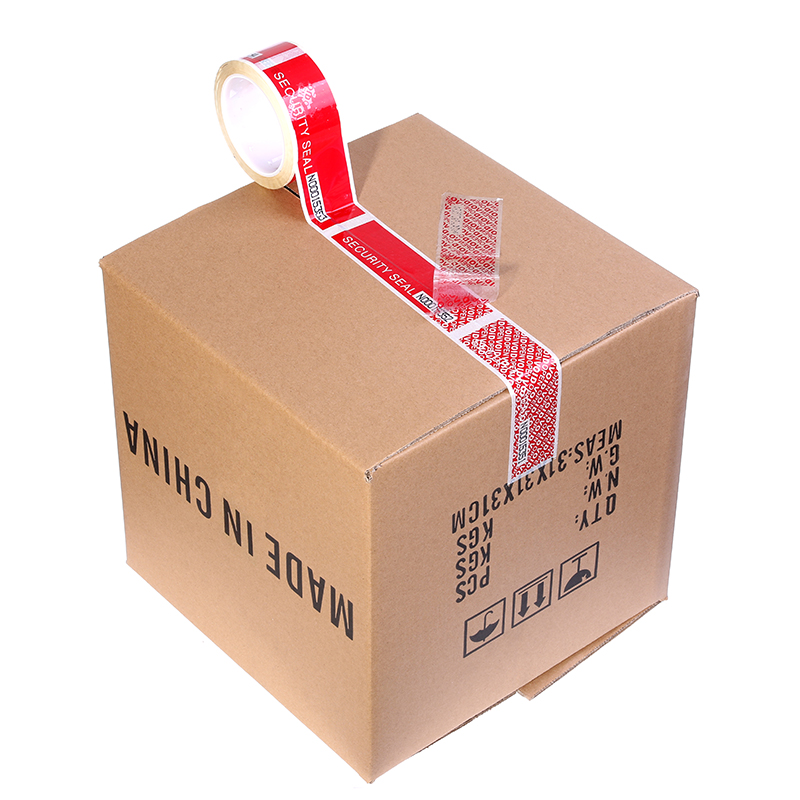

Tamper evident security packaging tapes are used wherever a package needs visible evidence of unauthorized opening during storage, transportation, delivery or returns handling. The required construction varies according to packaging format, substrate, security level and handling environment.
| Application | Typical Packaging | Main Security Requirement |
|---|---|---|
| E-commerce & Logistics | Shipping cartons, mailers and parcels | Visible opening evidence, returns control and package identification |
| Electronics & High-Value Products | Printed cartons and export boxes | Strong tamper evidence and resistance to unnoticed opening and resealing |
| Pharmaceuticals & Healthcare | Medicine cartons and transport packaging | Visible package-integrity indication combined with applicable regulatory requirements |
| Confidential Documents | Envelopes, document boxes and security mailers | Clear evidence if a package or envelope has been opened |
| Security & Courier Bags | Courier bags, cash bags, evidence bags and confidential bags | Specialized sealing structures, often including double-sided VOID systems |
| Cosmetics & Premium Packaging | Coated cartons and decorative packaging | Tamper evidence with controlled residue and minimal surface damage |
Application requirements should be defined before selecting the tape construction. A tape that performs well on a corrugated shipping carton may not provide the same adhesion or opening response on a coated cosmetic box, plastic courier bag or refrigerated package.
For standard carton and parcel applications, buyers can also review our tamper evident security tape product range. Security bag projects normally require a different sealing construction and can be reviewed separately under our security bag tape solutions.
Tamper-Evident vs Anti-Counterfeit: What Security Tape Can and Cannot Do
Tamper evidence and anti-counterfeiting are related but different security functions.
A tamper-evident tape is primarily designed to show whether a package closure has been opened, lifted or manipulated. A VOID message or transfer effect does not by itself prove that the product inside the package is authentic.
When authentication or traceability is also required, tamper-evident tape can be combined with controlled serial numbers, barcodes, QR codes, holographic features, variable data or other brand-protection technologies.
For this reason, buyers should first define whether the project requires package-integrity evidence, product authentication, traceability — or a combination of all three.
Manufacturing and Quality Control for Security Packaging Tape
Consistent tamper evidence depends on more than printing a VOID message onto adhesive film. The film backing, security release layer, coating uniformity, adhesive system, VOID pattern registration, slitting accuracy and converting conditions must work together as one controlled material system.
Poorly controlled security tape may show patchy message transfer, incomplete VOID letters, false lifting, inconsistent adhesive strength, excessive edge curl or different opening effects from one part of the roll to another. These problems can make package inspection unreliable even when the tape appears acceptable before application.
For this reason, production quality control should evaluate both the material construction and the final tamper response.
ASTM D3330/D3330M-04(2025) provides standardized methods for evaluating peel adhesion and adhesion uniformity of pressure-sensitive tapes. For tamper-evident security tape, peel testing shhttps://store.astm.org/d3330_d3330m-04r18.htmlould be combined with actual-package testing because substrate texture, coating, surface energy, temperature and dwell time can change the final opening response.
For production control, a security tape manufacturer should evaluate more than peel strength alone. Important checkpoints include coating uniformity, hidden-message registration, transfer clarity, adhesive consistency, roll unwind, slitting accuracy, edge quality, printing compatibility and lot-to-lot repeatability.
A technically acceptable tape should produce a consistent security response across the usable roll, not only on one laboratory sample.
| Quality-Control Item | What Should Be Checked | Typical Failure if Poorly Controlled |
|---|---|---|
| Coating Uniformity | Consistent functional and adhesive coating across the web | Uneven transfer or inconsistent adhesion |
| VOID Pattern Registration | Alignment and clarity of the hidden security message | Broken letters, unclear VOID effect or patchy evidence |
| Adhesive Consistency | Tack and peel behavior across the roll and production batch | Edge lifting, weak bonding or excessive residue variation |
| Transfer Response | Full, partial or non-transfer effect after opening | Security response differs from the approved sample |
| Slitting & Edge Quality | Roll width, clean edges and winding quality | Curling, telescoping or application problems |
| Printing Compatibility | Topcoat performance with the intended printing process | Poor ink adhesion, smearing or weak barcode quality |
| Roll Unwind | Smooth and consistent release during dispensing | Machine interruptions or inconsistent application |
| Batch Repeatability | Comparison with approved reference samples | Different performance between production lots |
For customized projects, Hanksec recommends retaining approved reference samples and comparing production batches against the confirmed opening effect, adhesion level and printing result before shipment.
Regulatory Considerations for Pharmaceutical and Sensitive Packaging
Tamper evident security tape should not be described as automatically compliant with pharmaceutical or other regulated-packaging requirements. Compliance depends on the complete packaging system, product category, intended market and applicable requirements.
For certain over-the-counter drug products in the United States, FDA tamper-resistant packaging requirements focus on whether the complete packaging system provides visible evidence of entry. The use of a particular tape or sealing technology does not by itself establish compliance; the final packaging system must be appropriately designed and applied.
In the European Union, Commission Delegated Regulation (EU) 2016/161 addresses safety features including a unique identifier and an anti-tampering device for covered medicinal products. The regulation does not prescribe one universal VOID tape construction.
For regulated applications, buyers should therefore validate the complete tape-and-package system against the requirements that apply to the product and destination market before commercial use.
FAQs
What are tamper evident security packaging tapes?
Tamper evident security packaging tapes are pressure-sensitive sealing tapes designed to provide visible evidence when a carton, parcel, bag or envelope is opened or the tape is removed. Depending on the construction, the tape may reveal a VOID or OPENED message, transfer residue or create another irreversible visual change.
What is the difference between standard packing tape and tamper evident security tape?
Standard packing tape mainly provides package closure, while tamper evident security tape contains a functional security construction that changes when removal is attempted. This allows the package to show visible evidence that the closure may have been opened or manipulated.
What is the difference between full-transfer, partial-transfer and non-transfer VOID tape?
Full-transfer VOID tape leaves prominent security evidence on the applied surface after removal. Partial-transfer tape creates evidence on both the tape and substrate. Non-transfer tape reveals the security message mainly on the tape while leaving little or no visible residue on the applied surface.
Which packaging surfaces can security tape be applied to?
Tamper evident security tape can be developed for corrugated cartons, coated board, PET, PE, PP, metal, glass and other packaging surfaces. Because surface energy, coating, roughness and contamination affect adhesion, testing on the actual substrate is recommended before bulk production.
Can security tape include serial numbers, barcodes and QR codes?
Yes. Tamper evident security tapes can be customized with serial numbers, barcodes, QR codes, perforation, logos, colors and custom VOID or OPENED messages. These features can support identification, logistics control and application-specific security requirements.
Can tamper evident security tape run on automatic case sealers?
Some security packaging tape constructions can be used with automatic or semi-automatic case-sealing equipment, while others are designed for controlled manual application. Machine compatibility should be confirmed through trials because unwind force, backing stiffness, roll construction and application pressure can affect performance.
Does tamper evident security tape automatically meet pharmaceutical packaging regulations?
No. A tamper evident security tape is not automatically compliant with pharmaceutical packaging regulations. Compliance depends on the complete packaging system, product category, intended market and applicable requirements. Regulated applications should be validated before commercial use.
Factory Recommendation Before Bulk Production
Before bulk production, buyers should confirm the required VOID response on the actual packaging rather than relying only on a standard material sample. The same tape can behave differently on recycled corrugate, varnished cartons, plastic films or coated packaging surfaces.
For customized projects, Hanksec recommends providing the actual substrate or representative packaging samples together with information about storage temperature, application method, residue requirement, printing method and traceability requirements. This allows the tape construction to be evaluated as a complete packaging system before mass production.
Conclusion
Tamper evident security packaging tapes should be specified as part of a complete packaging-security system rather than treated as ordinary printed tape.
Reliable performance depends on the interaction between film backing, controlled transfer layers, pressure-sensitive adhesive, packaging substrate, environmental conditions and application method.
For B2B buyers, the most effective selection process is to define the required tamper response, residue tolerance, package surface, application conditions and traceability requirements first, and then verify the proposed construction on the actual packaging before bulk production.
Hanksec can support material selection, substrate testing and custom VOID security tape development for cartons, parcels, envelopes, bags and specialized security packaging applications.