Quick Answer:
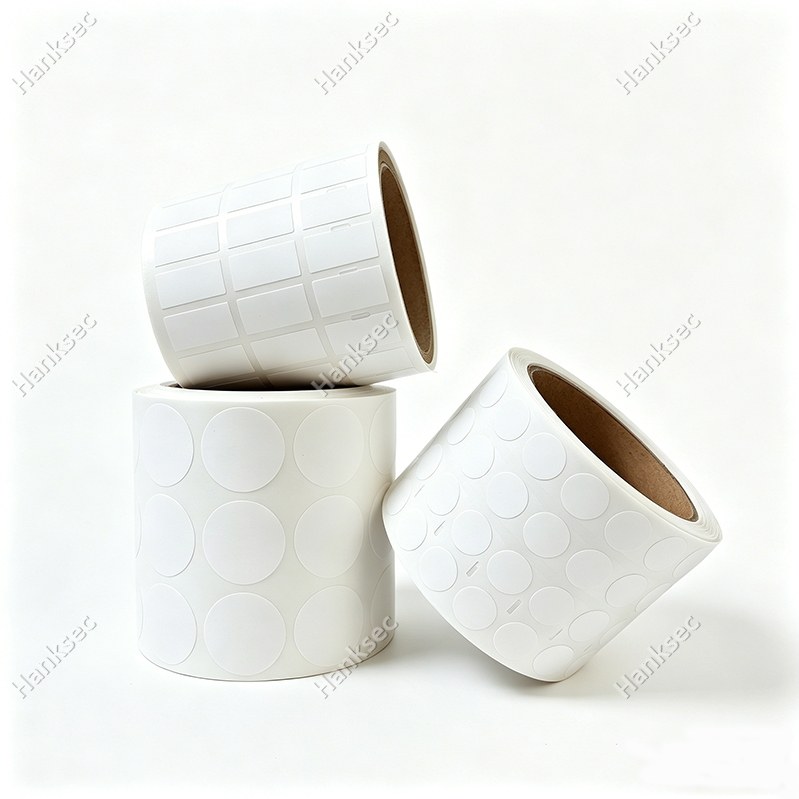
Destructible label materials are fragile self-adhesive security substrates engineered to fracture when removal is attempted. Their performance depends on the balance between facestock brittleness, adhesive bonding, liner release, label size, application surface and the converting process.
Different applications may require ultra-destructible, easy, medium or hard destructible grades, as well as fiber, transparent or holographic constructions. More fragile grades provide stronger anti-removal evidence, while more stable grades may perform better during printing, die-cutting, matrix stripping and automatic labeling.
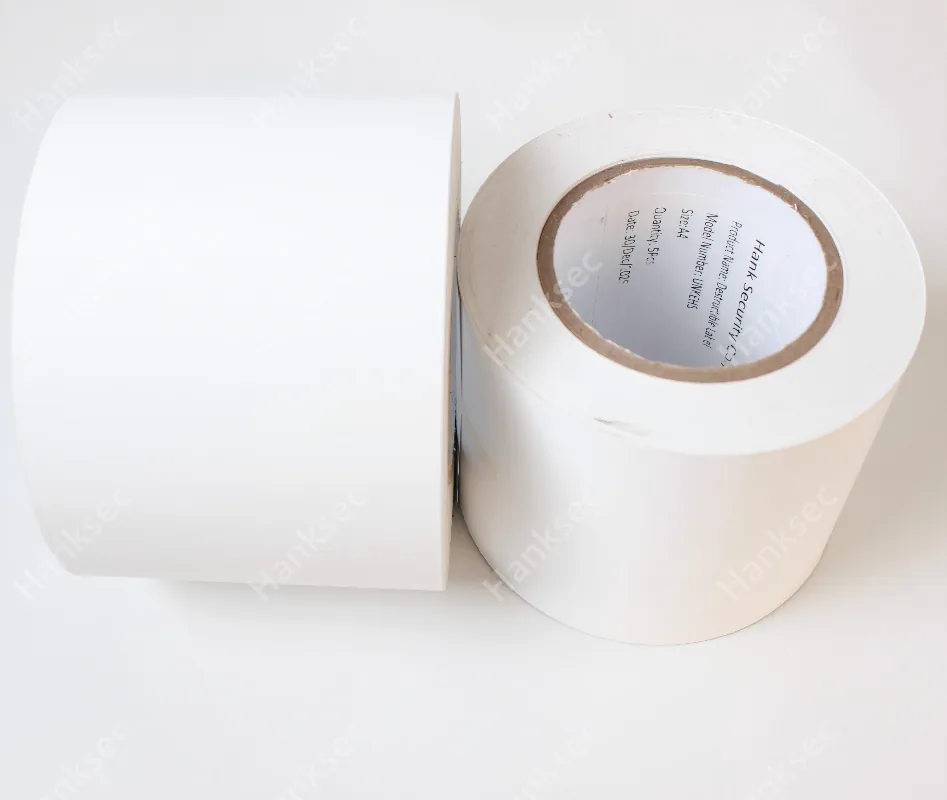
Hanksec supplies destructible label materials in jumbo rolls, slit rolls, sheets and finished-label formats for label converters, security printers and OEM applications. Material qualification should be carried out on the actual application substrate and converting process before bulk production.
What Are Destructible Label Materials?
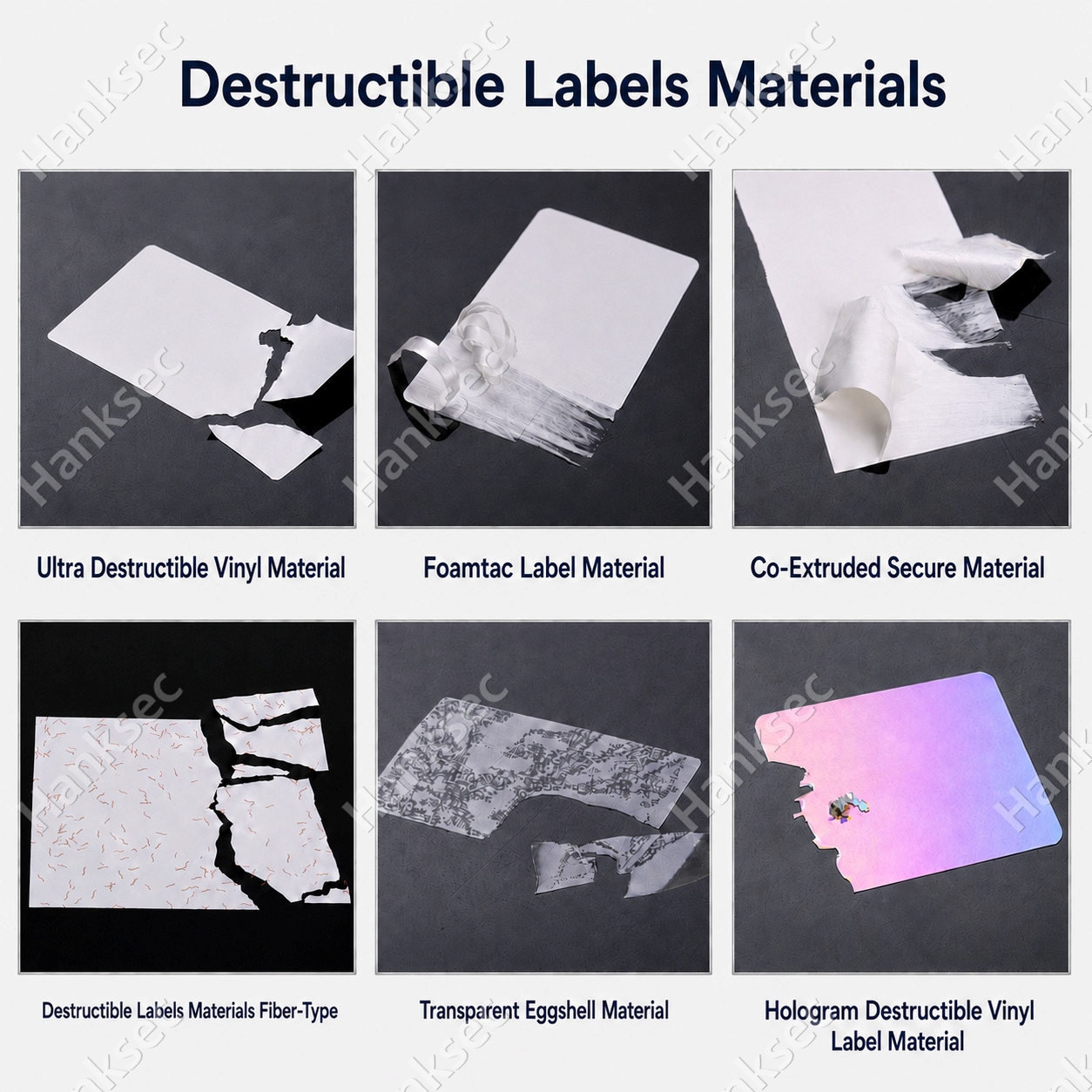
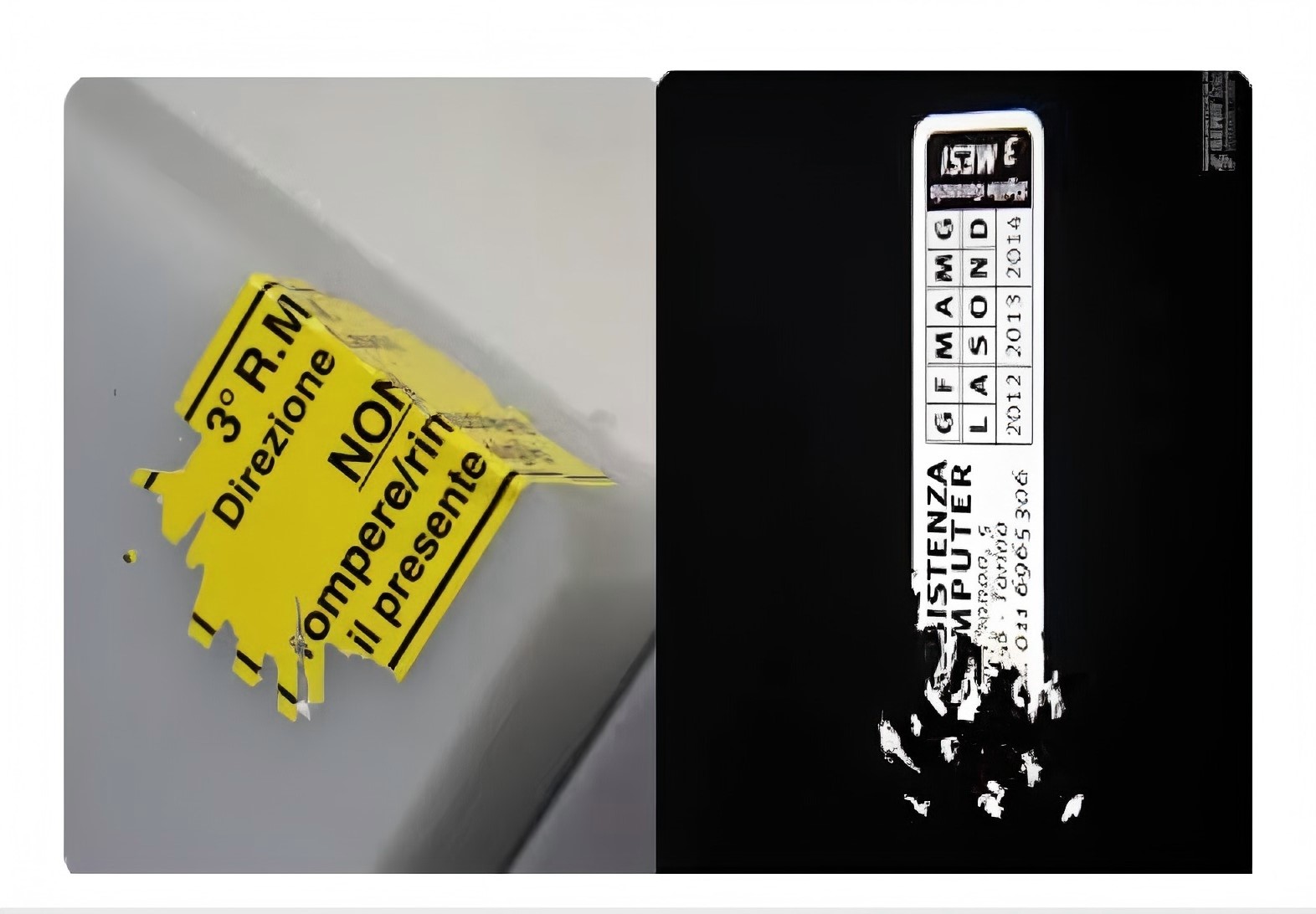
A destructible label uses a fragile face material together with a permanent adhesive system. When removal is attempted, the face material fractures instead of peeling away intact. This prevents clean removal, label transfer and unauthorized reuse.
Destructible label materials are engineered for controlled cohesive failure. Unlike conventional durable PET or polypropylene labels, the security function comes from intentional breakage of the face material during peeling.
Depending on the construction, destructible materials may be formulated as brittle polymer films, fiber-tear structures, transparent fragile films or holographic destructible constructions. The required breakage behavior must be balanced with printing, die-cutting, matrix stripping and application performance.
This makes destructible label materials particularly suitable for warranty seals, electronics, documents, anti-counterfeit packaging and other applications where the label should not be removed and reapplied intact.
How Destructible Label Materials Work
Material Construction and Brittleness
Destructible label materials rely on controlled cohesive failure: the face material is designed to break internally before it can be removed intact from the application surface.
In brittle polymer-based grades, the face construction may use low-elongation resin systems, fillers and fracture-control components to create the required balance between fragility and converting stability. The exact formulation varies according to destruction level, printing method, adhesive system, label dimensions and final application environment.
Typical formulation approaches may include:
- Acrylic-based brittle resin systems
- Styrene-acrylate or related copolymer systems
- Mineral fillers in grades where filler-assisted brittleness is used
- Components that influence crack initiation and propagation
Not every destructible construction uses the same formulation. Fiber, transparent, holographic and co-extruded grades may rely on different material structures to achieve tamper evidence.
Fracture Mechanism During Removal
The core security principle is that adhesive bonding and face-material strength are intentionally balanced so that removal stress causes the label to fail internally.
When peeling force is applied, the process typically follows this sequence:
- The adhesive initially maintains contact with the application surface.
- Peeling stress is transferred into the fragile face material.
- Cracks or tears begin in the weak regions of the construction.
- The fracture or tear propagates as removal continues.
- The label separates into fragments or damaged sections instead of being removed intact.
This failure behavior provides visible evidence of removal and significantly reduces the possibility of reusing the original label.
7 Types of Destructible Label Materials
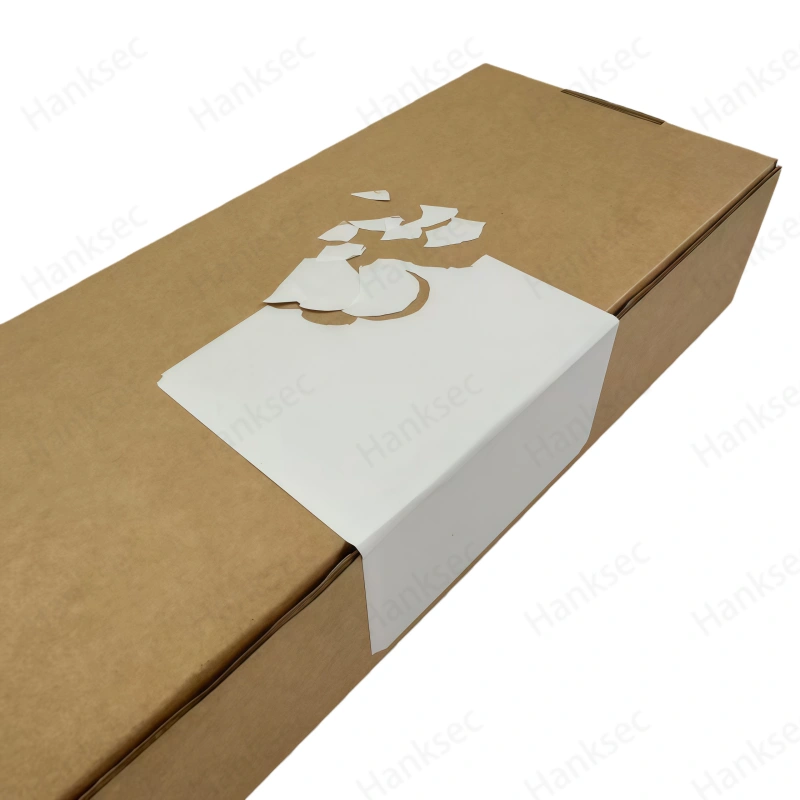
Destructible label materials are not one single product. Different constructions are selected according to breakage behavior, converting requirements, visual appearance and application surface.
| Type | Breakage Behavior | Typical Use |
|---|---|---|
| Ultra Destructible | Breaks into very small fragments | Warranty seals, electronics and high anti-removal applications |
| Easy Destructible | Breaks quickly during removal while providing easier handling than ultra-fragile grades | Small security labels and manual application |
| Medium Destructible | Balanced converting stability and breakage | General anti-tamper labels and roll converting |
| Hard / Stable Destructible | Forms larger fragments and provides more stable handling | Large labels, matrix stripping and automatic labeling |
| Fiber Destructible | Shows visible fiber tearing when removal is attempted | Documents, certificates and paper-oriented security applications |
| Transparent Destructible | Provides a clear fragile structure with visible breakage | Premium products, electronics and applications requiring transparency |
| Holographic Destructible | Combines optical security effects with physical fragmentation | Brand protection and anti-counterfeit labels |
How to Choose the Right Destructible Label Material
Selecting the right destructible label material requires balancing tamper evidence with printing, converting and application performance. The most fragile material is not always the best choice: a grade that fractures extremely easily may provide strong anti-removal evidence but can also create difficulties during die-cutting, matrix stripping or automatic dispensing.
Breakage Grade
Choose the breakage grade according to the required security level and converting process. Ultra-destructible materials are suitable when maximum fragmentation is required, while easy and medium grades provide a balance between tamper evidence and converting stability. Hard or co-extruded constructions are generally more suitable for larger labels, matrix stripping and automatic labeling.
Application Surface and Adhesive
Adhesive performance must be matched to the actual application surface. ABS, PC, glass, metal and coated cartons provide different bonding conditions from low-surface-energy plastics such as PP and PE. Surface texture, coatings, contamination and application temperature can also affect both adhesion and fragmentation behavior.
Material qualification should therefore be carried out on the actual substrate before bulk production.
Printing and Converting Process
Printing and converting requirements should be evaluated together with material brittleness. Thermal-transfer, UV, screen and digital printing may require different surface treatments or coatings, while die-cutting, matrix stripping and automatic dispensing generally require more stable material handling than manual label application.
Medium or hard destructible grades are often easier to process when production stability is more important than maximum fragmentation.
Environmental Conditions
Temperature, humidity, storage conditions and outdoor exposure can influence adhesive bonding and material performance. Instead of relying on one universal temperature or humidity specification, buyers should evaluate the selected facestock, adhesive and substrate combination under the actual use environment.
Typical material selection examples:
| Buyer Requirement | Recommended Material Direction |
|---|---|
| Maximum anti-removal protection | Ultra destructible |
| Stable printing and die-cutting | Medium destructible |
| Large label or automatic labeling | Hard / co-extruded destructible |
| Visible fiber damage | Fiber destructible |
| Transparent appearance | Transparent destructible |
| Optical anti-counterfeit effect | Holographic destructible |
Destructible Label Material Supply & Customization
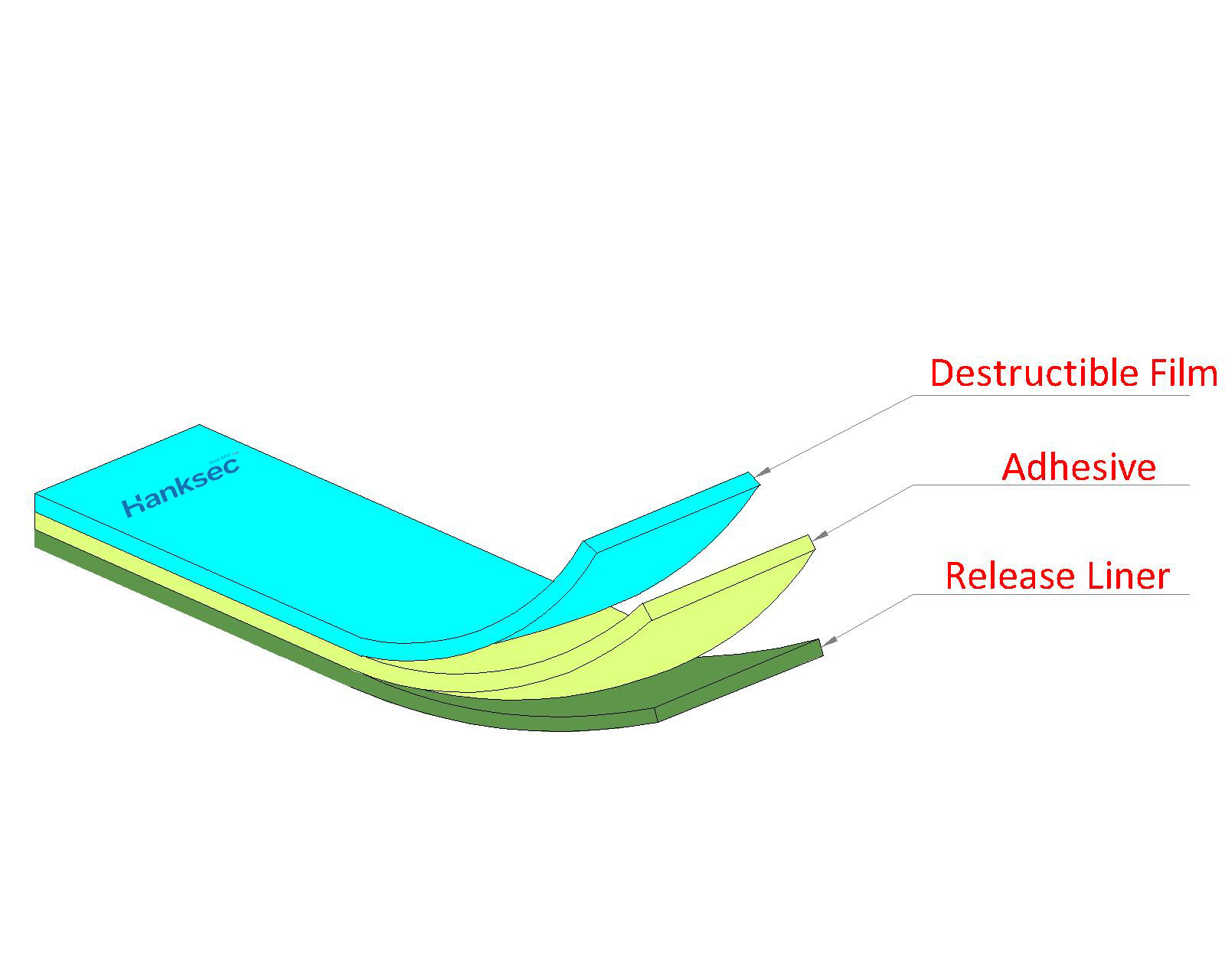
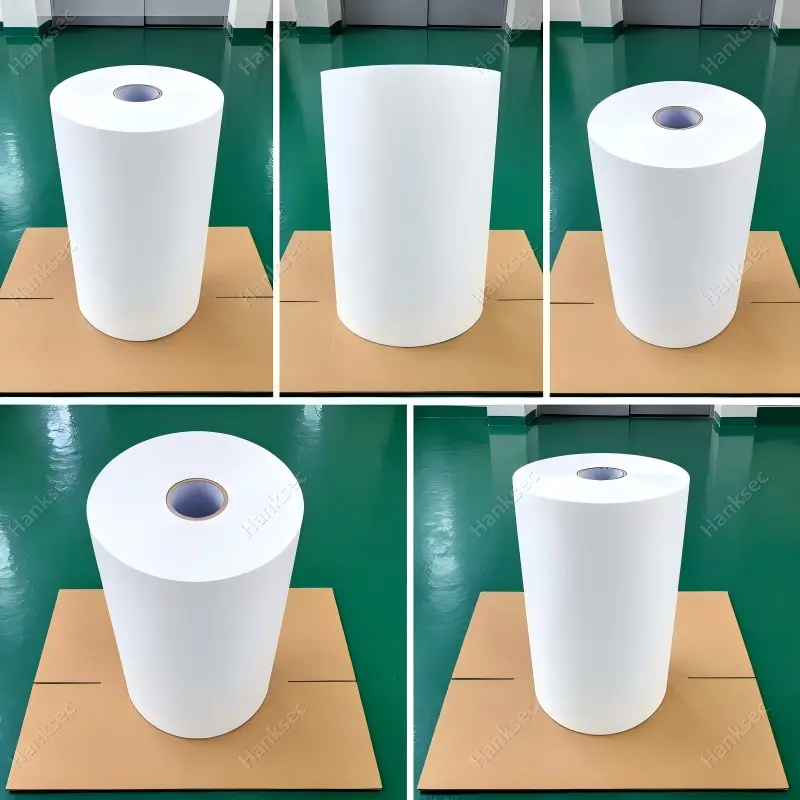
Hanksec supplies destructible label materials primarily for label converters, security printers, material distributors and OEM manufacturers. Materials can be supplied in jumbo rolls, slit rolls, sheets or custom converted formats according to the required printing and labeling process.
Destructible material performance is not determined by facestock brittleness alone. Breakage grade, adhesive bonding, liner release, label dimensions and converting stability must be evaluated together. For this reason, material construction should be selected according to the actual substrate and production process rather than by using one universal specification.
Supply Formats for Converters
- Jumbo rolls
- Slit rolls
- Sheets
- Custom widths and roll lengths
- Custom die-cut labels when required
- Sample material for substrate and converting qualification
Surface coatings and material constructions can also be selected according to thermal-transfer, screen, UV and digital printing requirements. Printing compatibility should be confirmed with the actual ink, ribbon or printing system before bulk production.
Fragmentation Grade Engineering
Breakage behavior can be adjusted according to the required tamper-evidence level and converting stability. Ultra-destructible constructions prioritize rapid fragmentation, while easy, medium and hard grades progressively improve handling during printing, die-cutting, matrix stripping and automatic dispensing.
The selected grade should be evaluated together with label size, adhesive strength and application surface. A construction that performs well as a small warranty seal may not be suitable for a large automatically dispensed label.
Thickness and Facestock Construction
Material thickness is selected according to the required breakage grade, label dimensions, printing process and converting method. Thickness alone does not determine destructibility; facestock formulation and internal structure also influence how the material fractures during removal.
More fragile constructions may provide stronger fragmentation but can require greater care during die-cutting and matrix stripping. More stable constructions may be preferred for larger labels, roll-to-roll converting or automatic dispensing.
Available thickness should therefore be confirmed according to the selected material grade and final application rather than treated as one universal specification.
Adhesive Options
Adhesive selection should be matched to the actual substrate, surface energy and use environment.
- Standard permanent acrylic adhesive for common smooth surfaces
- High-tack adhesive options for demanding or textured applications
- Adhesive constructions for low-surface-energy substrates such as PP and PE when required
- Custom adhesive evaluation according to application temperature and substrate condition
Final adhesive selection should be verified through sample testing on the actual application surface.
Release Liner Options
- Glassine paper liner
- Kraft liner
- PET liner for applications requiring more stable converting or precision die-cutting
Release liner selection affects die-cutting, matrix stripping, dispensing and converting stability. Glassine, kraft and PET liners are selected according to label dimensions, converting equipment and required release performance.
Printing & Converting Compatibility
Destructible label materials can be prepared for thermal-transfer, screen, UV and selected digital printing processes. Surface treatment or printable coating may be required depending on the ink system and printing equipment.
Converting performance should also be evaluated during die-cutting, matrix stripping, rewinding and automatic dispensing. Ultra-fragile grades generally require more careful converting control than medium or hard destructible grades.
Request a Destructible Label Material Sample
Substrate Compatibility & Adhesive Selection
Destructible label material performance depends strongly on the interaction between the facestock, adhesive and application surface. The same material may fragment differently on glass, metal, ABS, coated cartons, PP or PE because surface energy, texture, coatings and contamination affect adhesive bonding.
For this reason, substrate compatibility should be evaluated together with adhesive selection rather than treating the destructible facestock as a stand-alone component.
Smooth High-Energy Surfaces
Glass, clean metal, PC and many smooth coated surfaces generally provide favorable conditions for permanent adhesive bonding. On these substrates, the key requirement is usually to achieve sufficient bond strength so that the destructible facestock fractures before the adhesive interface releases.
Surface cleanliness and application pressure should still be controlled because dust, oil or processing residues can reduce bonding performance.
Low-Surface-Energy Plastics
PP and PE are lower-surface-energy plastics and can require more aggressive adhesive constructions than glass, metal or ABS. A material that performs well on a high-energy surface may not provide the same tamper evidence on untreated PP or PE.
When the final application uses low-surface-energy plastics, the adhesive system should be qualified directly on the actual molded or converted part rather than selected only from a general material specification.
Textured, Coated or Contaminated Surfaces
Textured plastics, powder-coated metal, painted surfaces, coated cartons and other irregular substrates can reduce the effective contact area between the adhesive and the surface. Coatings, plasticizers, dust, oil and release agents may also influence long-term bonding.
For these applications, sample testing should evaluate both initial adhesion and the actual removal behavior after an appropriate dwell period.
Typical substrate considerations:
| Application Surface | Typical Consideration |
|---|---|
| Glass | Clean, smooth surface; generally favorable for permanent bonding |
| Metal | Surface finish, oil or protective coating should be checked |
| ABS / PC | Usually suitable, but molded surface condition should be verified |
| PP / PE | Low surface energy may require a stronger adhesive construction |
| Coated carton | Coating type and surface roughness can affect bonding |
| Painted / powder-coated surface | Coating chemistry and texture should be tested |
| Textured plastic | Reduced contact area may require a higher-tack adhesive |
Environmental Validation
Temperature, humidity, storage conditions, UV exposure and application temperature can influence adhesive bonding and destructible performance. These limits depend on the selected facestock construction, adhesive system and application substrate, so they should not be treated as universal values for all destructible label materials.
For critical applications, material qualification should reproduce the expected service conditions as closely as possible, including application temperature, dwell time, humidity, storage environment and any required outdoor or chemical exposure.
Where a defined operating range is required, the applicable temperature or environmental limits should be confirmed from the technical data of the selected material construction.
Dwell Time and Final Bond Evaluation
Initial tack and final adhesive performance are not always the same. Depending on the adhesive and substrate, bonding can increase after application as the adhesive wets out the surface.
Therefore, destructibility should be evaluated after a defined dwell period under the intended use conditions rather than relying only on an immediate peel test.
Manufacturing & Quality Control
Destructible materials require tighter process control than ordinary pressure-sensitive labels because small changes in facestock construction, adhesive coating, drying, liner release or converting conditions can change the final breakage behavior.
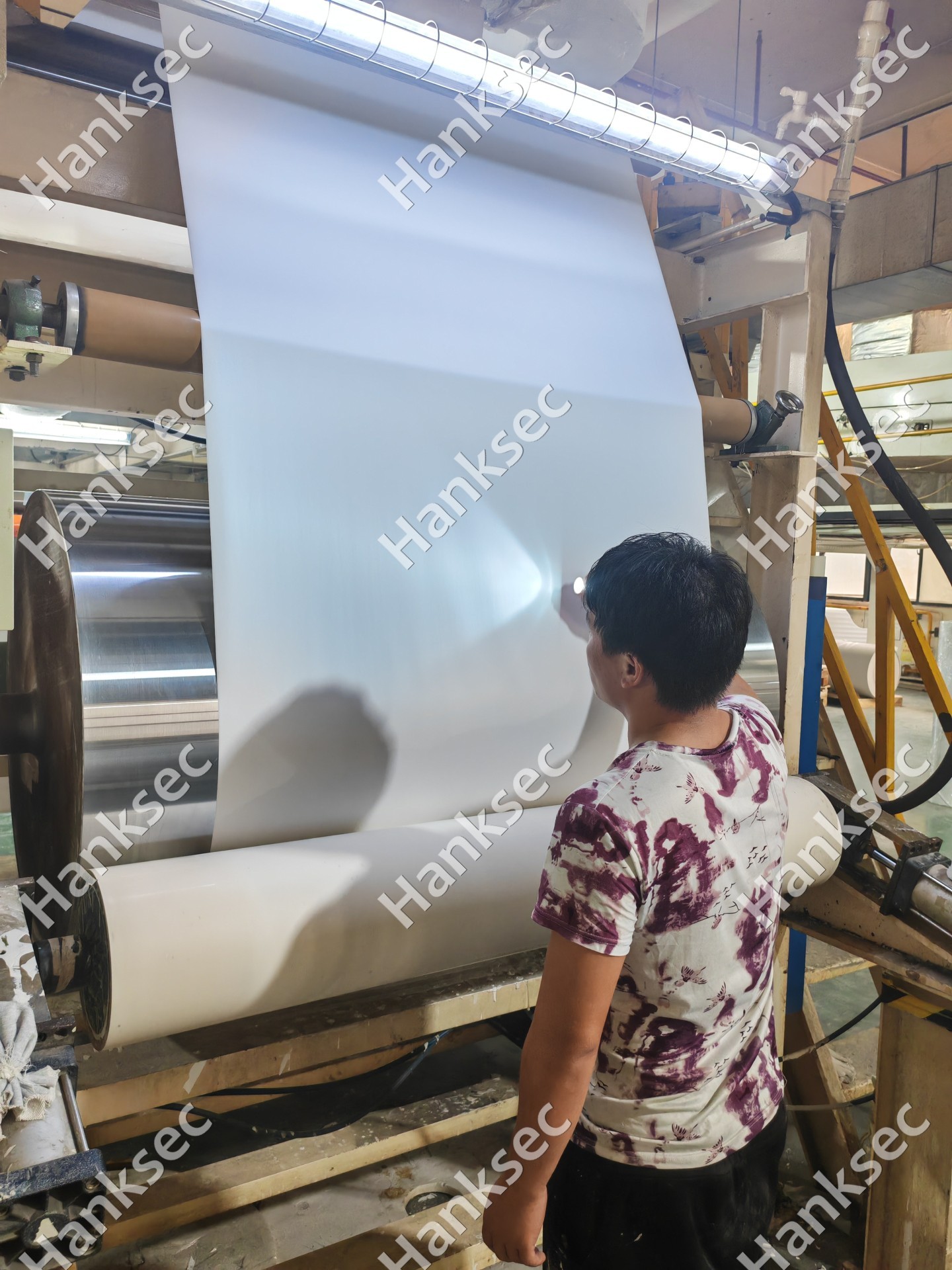
Typical Manufacturing Process
- Facestock formulation or base-material preparation
- Breakage-grade adjustment according to the required material construction
- Surface coating or printable-layer preparation when required
- Pressure-sensitive adhesive coating
- Controlled drying, curing and lamination with the release liner
- Slitting, sheeting or further converting
- Quality inspection and application testing
The same multilayer engineering approach is also relevant to other security label material systems, where facestock, functional layers, adhesive and liner must work together as one construction.
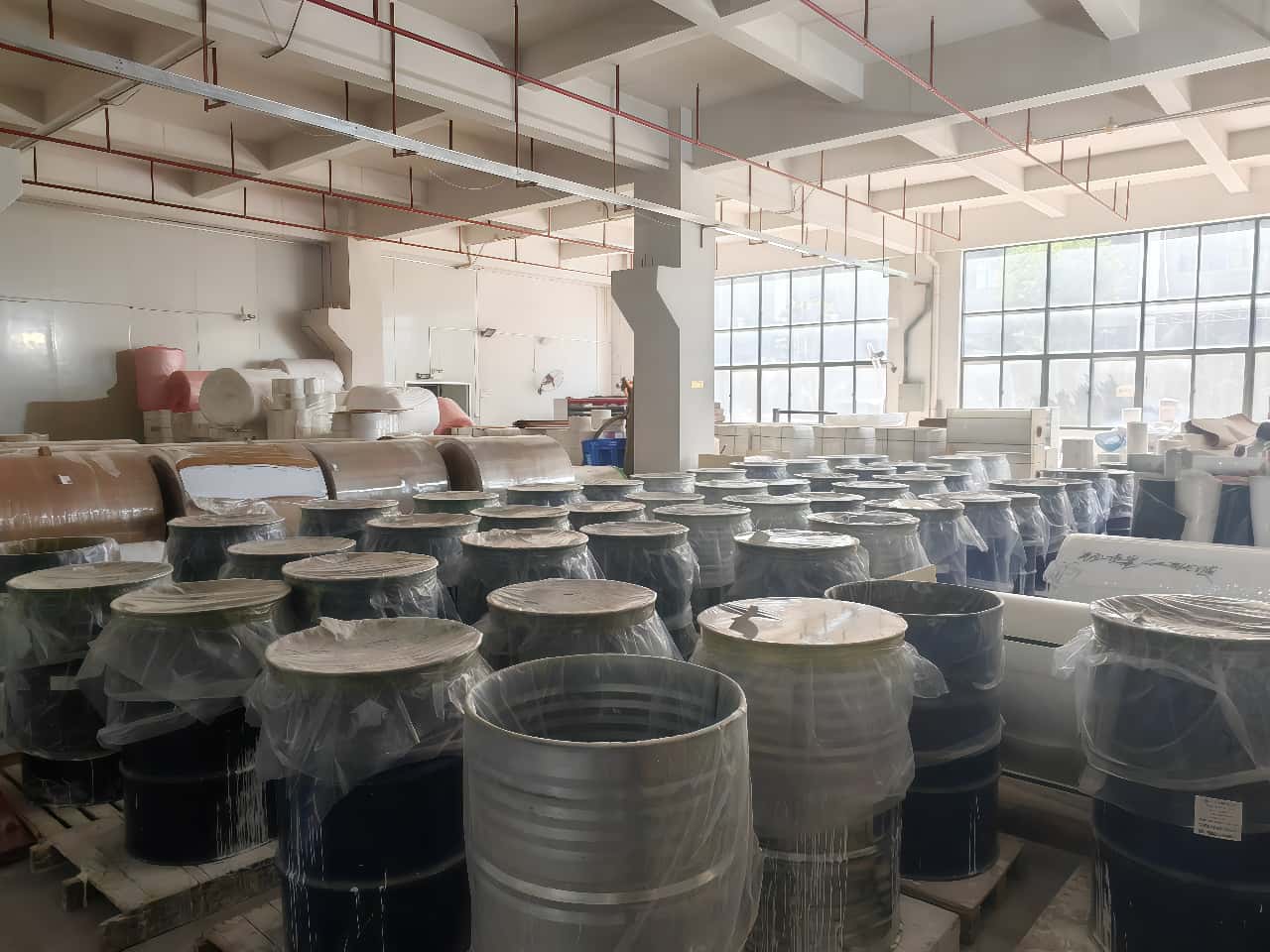
Quality Control & Material Testing
Quality control should focus on whether the complete label construction performs consistently, not only on one laboratory number. Depending on the selected material and application, the qualification plan may include:
- Face-material thickness and appearance checks
- Release-liner and release-performance evaluation
- Initial tack and peel-adhesion testing
- Fragmentation or tear-behavior evaluation
- Printing compatibility checks
- Die-cutting and matrix-stripping trials
- Rewinding and automatic-dispensing evaluation where applicable
- Temperature, humidity or aging tests when required by the application
For pressure-sensitive adhesive peel testing, methods such as ASTM D3330/D3330M may be referenced where appropriate. The test method should be selected according to the actual material construction and customer qualification requirement; it should not be treated as a universal pass/fail specification for every destructible label.
Industry Applications
Destructible label materials are used when clean removal or label reuse must be prevented. Typical applications include:
Electronics & Warranty Protection
- Warranty sealing
- Device tamper detection
- Component or enclosure security
- Service and repair traceability
Logistics & Supply Chain
- Asset identification where label reuse must be prevented
- Shipment or container verification
- Anti-tamper sealing
Retail & Consumer Goods
- Product authentication
- Return-fraud prevention
- Brand-protection labels
Documents, Certificates & Security Applications
- Document sealing
- Certificate protection
- Evidence and asset integrity applications
Pharmaceutical & Regulated Packaging
- Secondary-packaging security
- Product-authentication features
- Applications requiring visible evidence of label removal
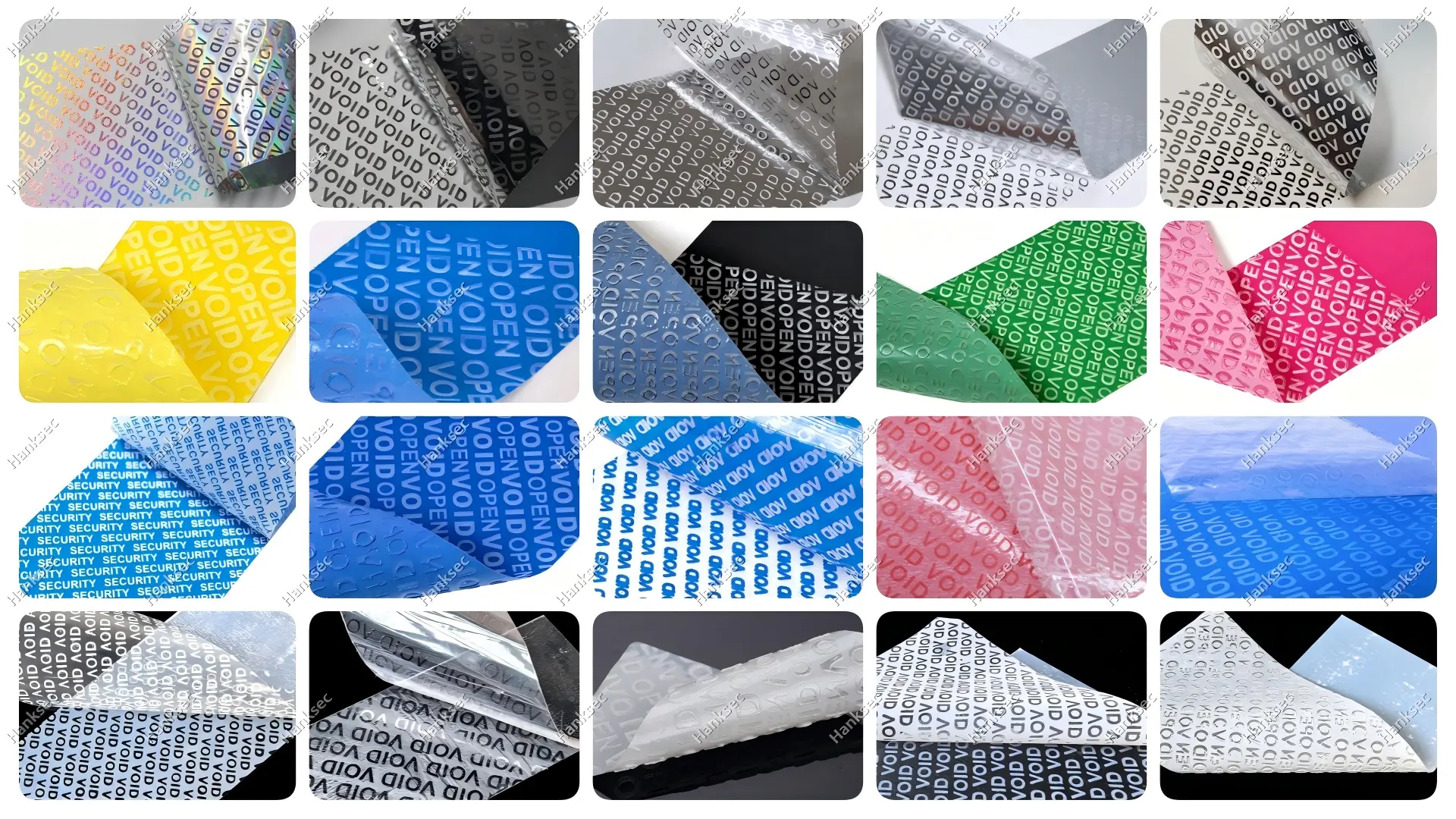
Destructible vs VOID vs Standard PET Labels
Destructible, VOID and standard PET labels solve different problems. The correct material depends on whether the priority is physical destruction, message transfer or long-term durability.
| Feature | Destructible Labels | VOID Labels | Standard PET Labels |
|---|---|---|---|
| Primary security mechanism | Physical fracture or tearing | Visible VOID / OPEN transfer effect or tamper message | No tamper-evident function by default |
| Removal behavior | Label breaks into fragments or damaged sections | Removal reveals a transfer or non-transfer tamper pattern depending on the construction | Often removes as an intact film if the adhesive allows |
| Reuse resistance | Very high | High when correctly matched to the application | Depends on adhesive and label design |
| Material priority | Controlled fragility | Tamper-evident layer design | Durability and print performance |
| Typical application | Warranty seals, electronics, anti-removal security | Packaging seals, access control, electronics and tamper indication | Durable identification, information and branding |
Unlike VOID label materials, destructible materials provide tamper evidence primarily through physical destruction rather than a hidden transfer message.
When Should You Choose Destructible Instead of VOID?
Choose destructible material when:
- The label itself should break during removal.
- Preventing intact label reuse is the main security objective.
- Warranty protection or small high-security labels are required.
- The application does not require a VOID / OPEN transfer message.
Choose VOID material when:
- A visible VOID, OPEN or customized transfer message is required.
- The application needs full-transfer, partial-transfer or non-transfer behavior.
- A more stable PET-based construction is preferred for converting or environmental durability.
- The security effect must be visible on the label, the application surface or both.
Product Limitations & Application Considerations
Destructible label materials are intentionally fragile, so they generally provide less mechanical durability than standard PET labels. This is a security feature, but it also means that the material must be matched carefully to the converting process and end-use environment.
Ultra-fragile grades can be more difficult to die-cut, matrix-strip and dispense automatically. Outdoor exposure, abrasion, moisture, high temperature, low temperature or chemical contact may also require a specially selected construction rather than a general-purpose destructible material.
For outdoor or highly abrasive environments, buyers should test the selected construction on the actual application surface. Where higher environmental durability is more important than fragmentation, a tamper-evident VOID polyester construction may be a better option.
Why Choose Hanksec Destructible Label Materials?
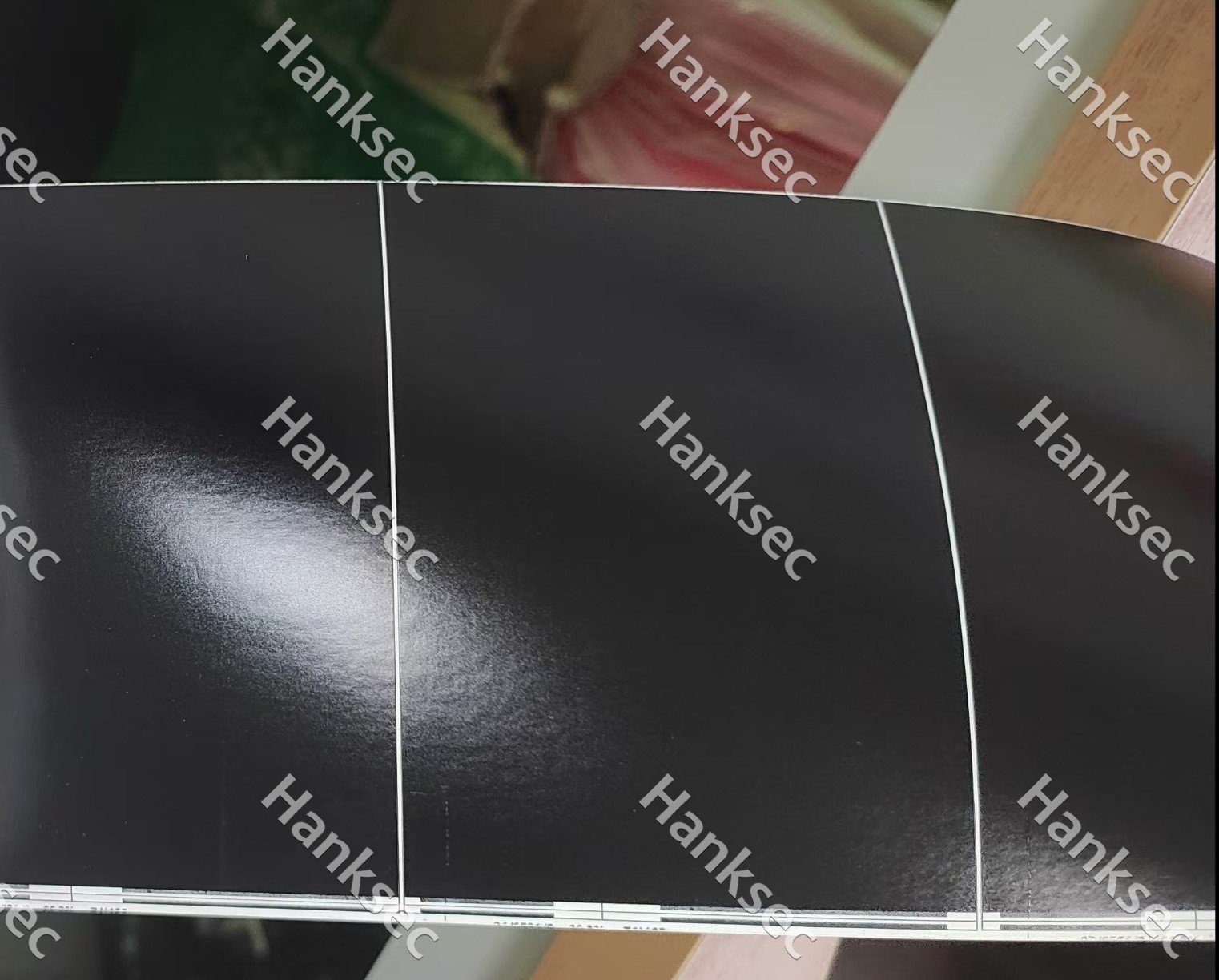
Hanksec develops and supplies destructible label materials for converters, printers and OEM applications. The objective is not simply to make a label that breaks, but to balance breakage behavior with adhesive performance, printing, die-cutting, matrix stripping and final application conditions.
Key capabilities include:
- In-house material and adhesive development
- Multiple breakage grades for different converting requirements
- Jumbo roll, slit roll, sheet and finished-label supply
- Adhesive and release-liner customization
- Printable surface and coating options
- Sample qualification before bulk production
- Support for label converters, security printers, distributors and OEM manufacturers
Frequently Asked Questions
What are destructible label materials made of?
It depends on the grade. Many destructible films use brittle polymer constructions engineered for low elongation and controlled fracture, while other products may use fiber-tear, transparent, holographic or co-extruded structures. The adhesive and release liner are also part of the complete label construction.
Are destructible label materials customizable?
Yes. Depending on the construction, breakage grade, adhesive, release liner, width, roll length, surface treatment, printable coating and finished-label format can be customized. Available options should be confirmed for the selected material grade.
Are destructible labels waterproof?
There is no single answer for all destructible materials. Some film-based constructions can tolerate short-term moisture exposure, while paper- or fiber-based grades may behave differently. Long-term outdoor, water, humidity or chemical resistance should be verified for the selected construction and application.
What is the difference between destructible labels and standard PET labels?
Standard PET labels are generally selected for durability and dimensional stability. Destructible labels are intentionally engineered to fracture or tear during removal so they cannot be removed and reused intact.
What is the difference between a destructible label and a VOID label?
A destructible label provides tamper evidence by physically breaking, tearing or fragmenting during removal. A VOID label reveals a hidden VOID, OPEN or customized tamper message on the label or application surface. The correct option depends on the required security effect, substrate and use environment.
Which surfaces are suitable for destructible labels?
Destructible labels can be designed for plastics, coated cartons, glass, painted metal and powder-coated surfaces. Low-surface-energy materials such as PE and PP, as well as silicone-coated, textured or contaminated surfaces, require adhesive qualification before mass production.
Can destructible label material be printed and die-cut?
Yes. Different grades can be prepared for thermal-transfer, screen, UV and selected digital printing processes. Medium and hard destructible grades generally provide better handling during die-cutting, matrix stripping and automatic labeling than ultra-fragile grades.
Can Hanksec supply jumbo rolls and finished destructible labels?
Yes. Hanksec can supply jumbo rolls, slit rolls, sheets and custom finished labels with selected face materials, adhesives, liners, widths, roll lengths and printing or security options.
How should a destructible label material be qualified before bulk production?
Qualification should use the actual application surface and, where possible, the actual printing and converting process. Buyers should evaluate adhesive bonding, removal behavior, fragmentation, liner release, die-cutting, matrix stripping, dispensing and any required environmental exposure before approving mass production.
Technical Consultation & Material Testing
Destructible label performance depends on the interaction between facestock construction, breakage grade, adhesive system, release liner, application surface and converting conditions.
Hanksec can support material selection, sample preparation, substrate compatibility evaluation and converting qualification for label converters, security printers, distributors and OEM manufacturers.
If you are selecting a destructible material for a new project, send the application surface, label size, printing method, converting process, required breakage level and expected environment. This information allows a more accurate material recommendation before bulk production.
REQUEST DESTRUCTIBLE MATERIAL SAMPLE & TECHNICAL RECOMMENDATION