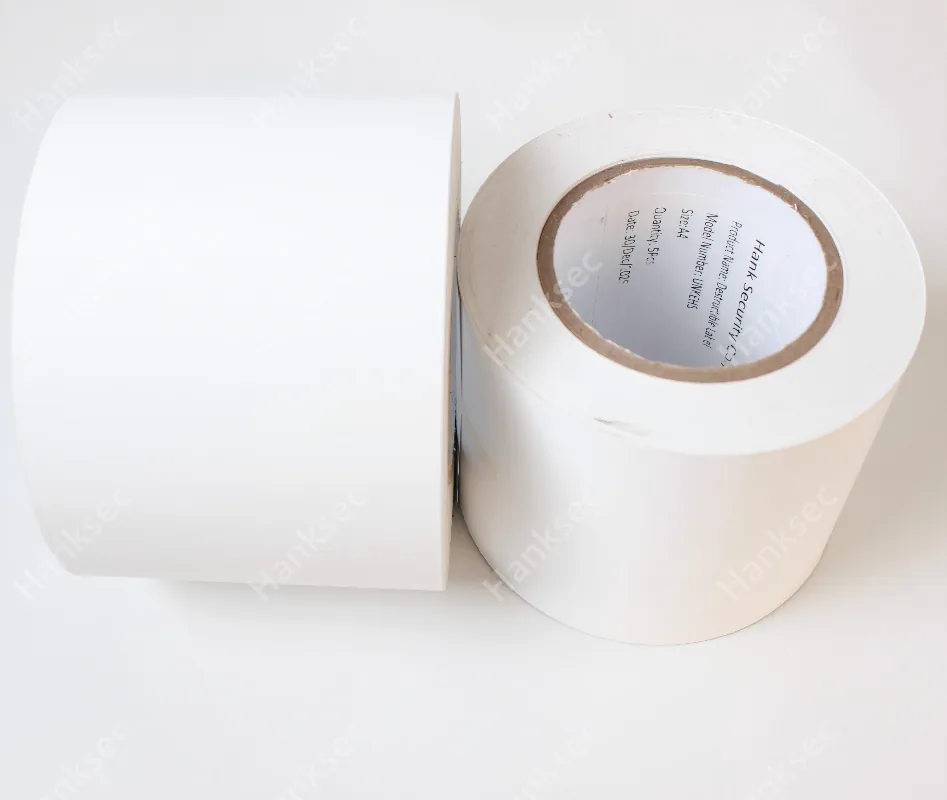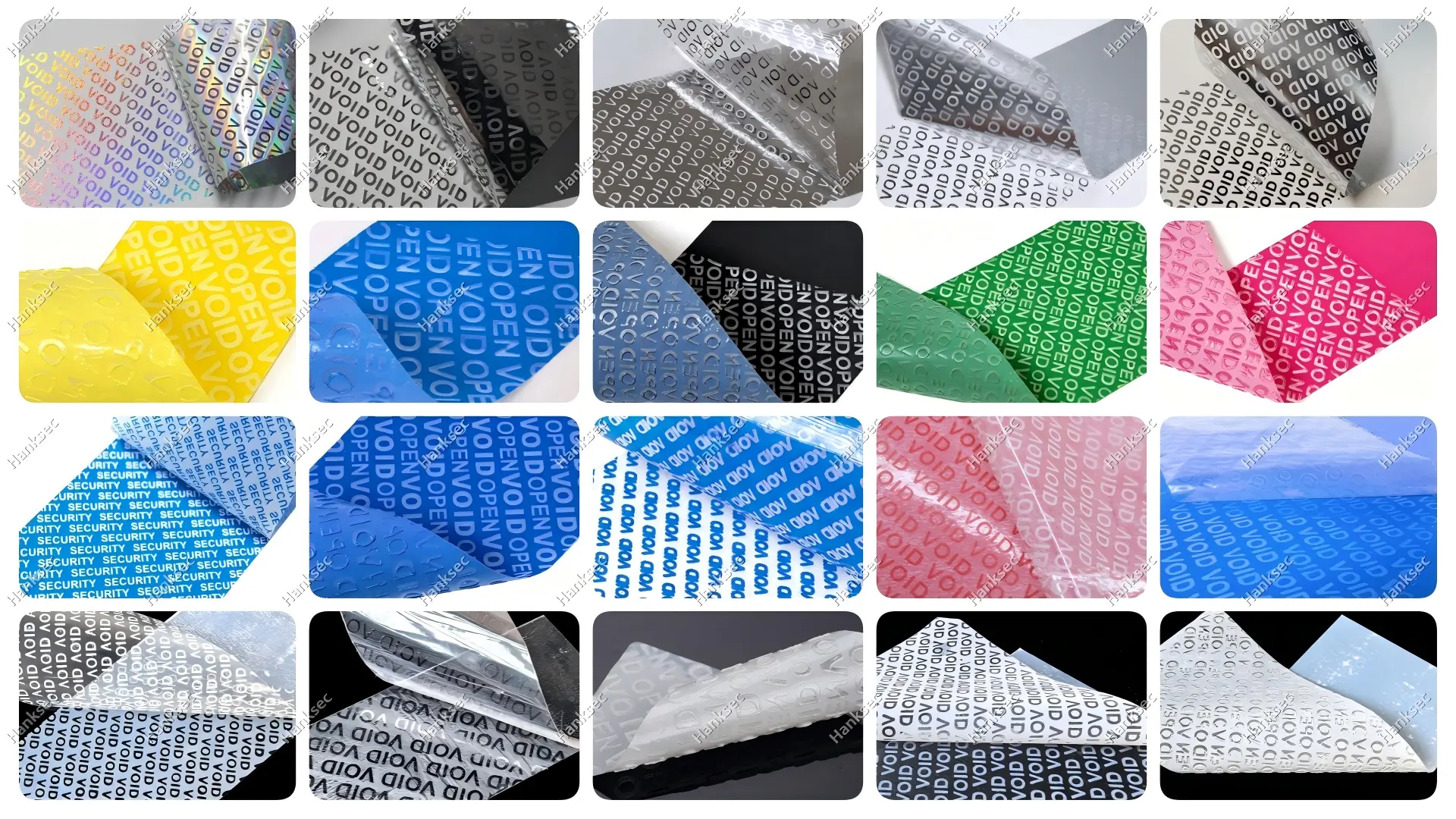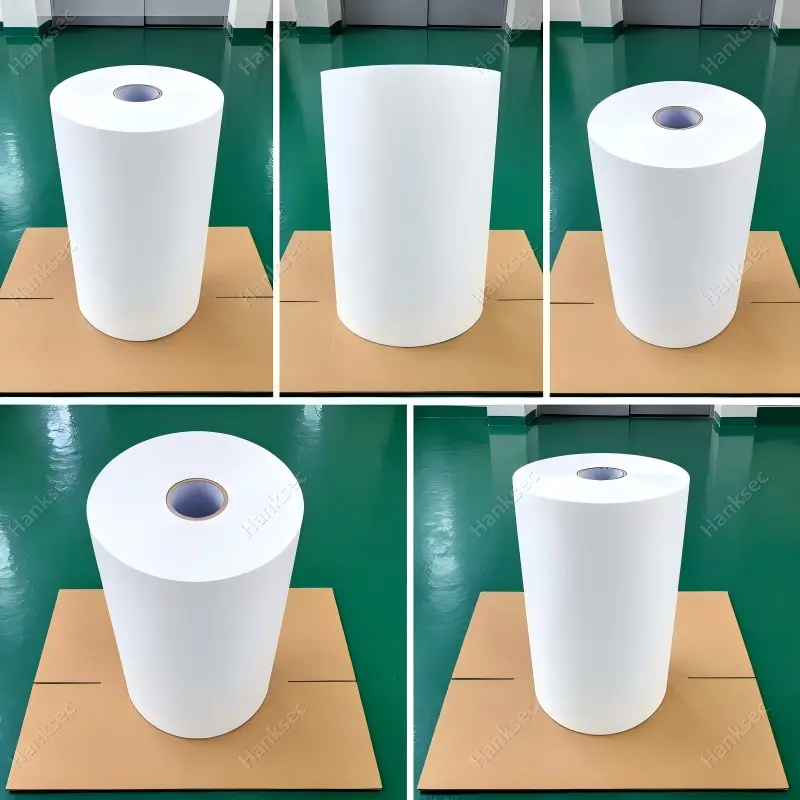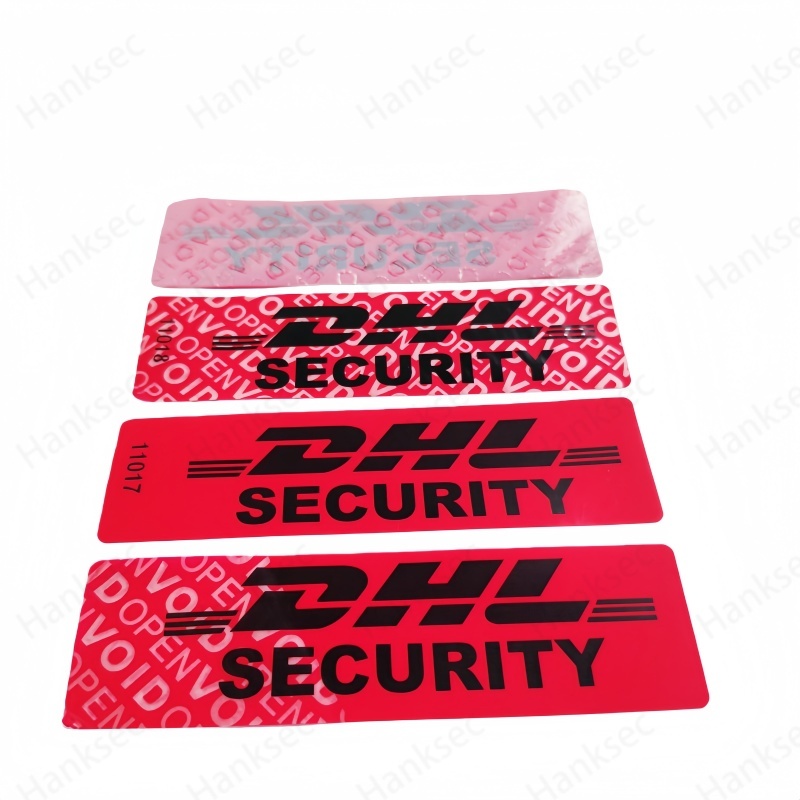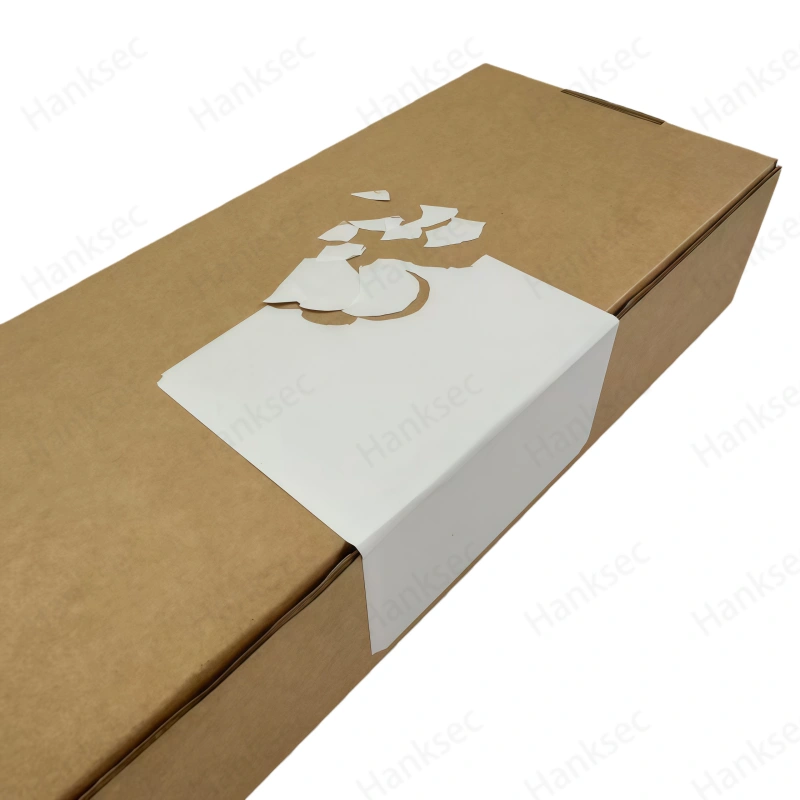
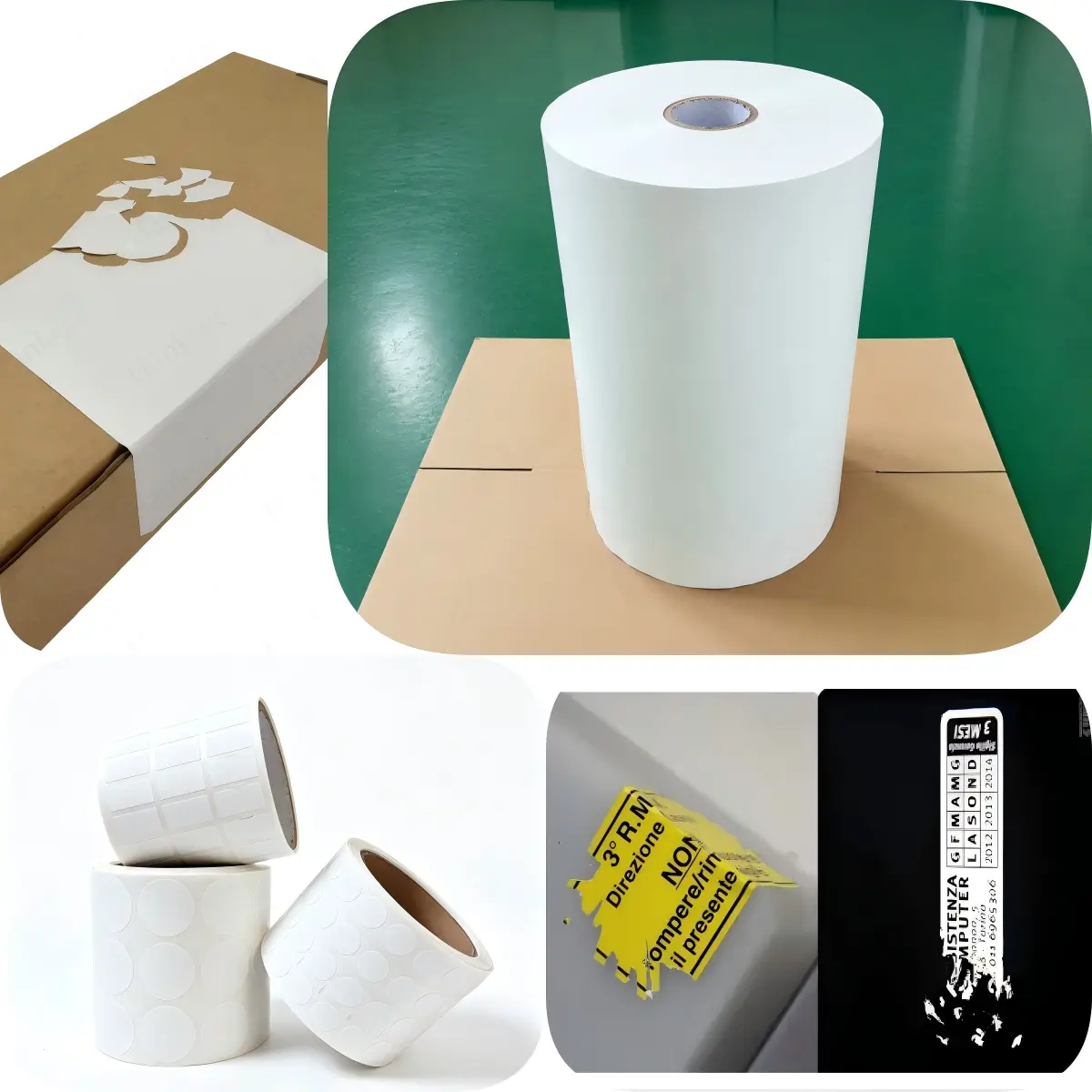
Destructible label material rolls are supplied to label converters, security printers and label manufacturers that need a fragile facestock that breaks, fractures or tears when removal is attempted.
For converters, the main purchasing decision is not simply “how destructible is the material?” The correct construction must balance breakage level, printing stability, die-cutting performance, adhesive compatibility and roll format.
Material that is too fragile may create problems during printing, matrix stripping or rewinding. Material that is too strong may remain removable in large pieces and reduce the required tamper-evident effect.
Converters comparing different fragile constructions can review Hanksec’s Destructible Label Materials range before selecting a material grade for printing, die cutting and final application.
Quick Selection Matrix for Destructible Label Material Rolls
| Material Type | Breakage Level | Converting Behavior | Typical Use | Main Selection Point |
|---|---|---|---|---|
| Easy / Ultra Destructible | Very high | Requires careful die cutting and web handling | Warranty seals, electronics, anti-removal labels | Choose when maximum fragmentation is required |
| Medium Destructible | Balanced | More stable during printing and converting | General security labels, equipment labels | Balance between breakage and production stability |
| Hard Destructible | Lower / controlled | Better handling for larger labels and automation | Asset labels, larger security labels | Choose when converting stability is critical |
| Foamtack | High | Thicker and more conformable | Uneven or textured surfaces | Useful where surface conformity is needed |
| Transparent Destructible | Project dependent | Requires print and optical testing | Electronics, transparent packaging, premium surfaces | Choose when the substrate must remain visible |
Fast selection rule: choose easy or ultra-destructible material when fragmentation is the priority; medium destructible material when printing and die cutting need more stability; and hard destructible material when larger labels or automatic application require stronger web handling.
For projects where printed packaging, barcodes or product information must remain visible beneath the security label, Hanksec’s Transparent Destructible Label Material provides a clear anti-removal option.
Technical Specifications Buyers Should Confirm
| Parameter | Typical Direction | Buyer Should Confirm |
|---|---|---|
| Facestock | Destructible vinyl / fragile film / eggshell-type construction | Required breakage behavior |
| Destructibility | Easy / Medium / Hard | Fragment size and removal resistance |
| Thickness | Selected according to material construction | Printing, die cutting and label size |
| Surface | Matt / Gloss / White / Transparent / Holographic | Printing and final appearance |
| Adhesive | Pressure-sensitive adhesive selected by substrate | Plastic, metal, glass or coated surface |
| Liner | Glassine / PET / other project-specific liner | Die cutting and dispensing compatibility |
| Supply Format | Jumbo roll / slit roll / sheet / finished labels | Converter production process |
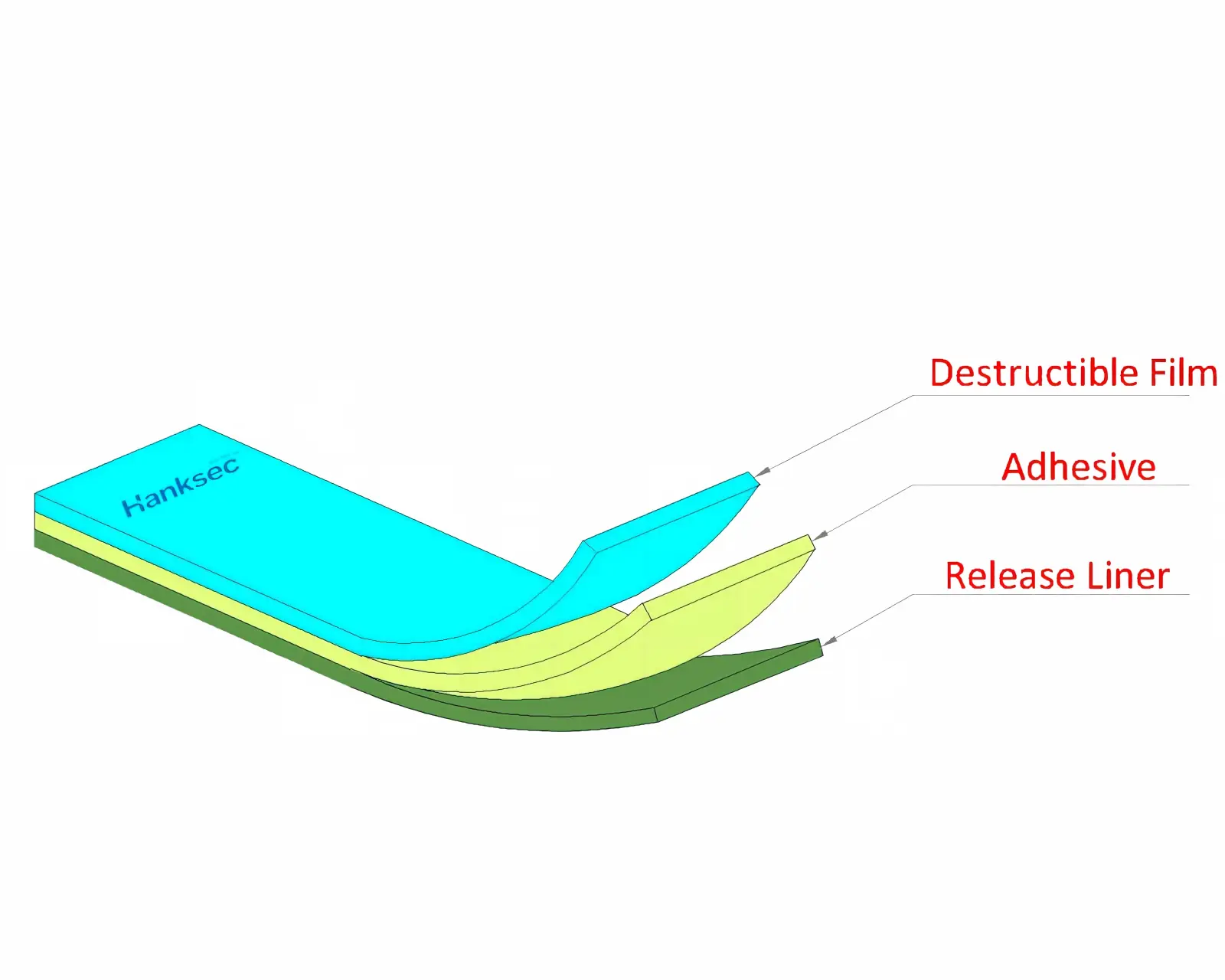
Hanksec currently offers several destructible constructions, including white destructible, transparent, fiber, foamtack, holographic, multi-layer and destructible VOID materials. Final specifications should be selected according to the actual converting and application requirements.
Easy, Medium or Hard Destructible: Which One Should a Converter Choose?
Easy / Ultra Destructible Material
Easy or ultra-destructible material is engineered to fracture rapidly when peeling is attempted. It is suitable where the label should be extremely difficult to remove intact.
For applications requiring very high fracture sensitivity, buyers can also evaluate Hanksec’s Ultra Destructible Vinyl Material for warranty seals and high-security anti-removal labels.
The main converter risk is excessive brittleness during die cutting, matrix stripping, rewinding and high-speed web handling. Tool pressure and web tension therefore need careful control.
Medium Destructible Material
Medium destructible material provides a more balanced relationship between tamper resistance and production stability.
It is often easier to print, die cut and rewind than ultra-fragile constructions while still providing visible breakage during removal.
Hard Destructible Material
Hard destructible material is useful where the converter needs greater facestock strength during production or where the finished label is relatively large.
It should still fracture or show irreversible damage during removal, but the material is designed to provide better handling stability before application.
For a broader comparison of different fragile constructions, buyers can review Hanksec’s Destructible Label Material Guide.
Die Cutting and Matrix Stripping Are Critical
Destructible material should not be evaluated only by how easily it breaks after application. A converter must also determine whether the material can survive the converting process.
Important production variables include:
- die-cut depth;
- blade sharpness;
- matrix stripping tension;
- web tension;
- rewinding pressure;
- label size and corner radius;
- liner release;
- printing speed.
If the facestock fractures during matrix stripping, the material may be too fragile for the current die-cut configuration. If it remains too strong during final removal, a more destructible construction may be required.
Adhesive and Substrate Compatibility
Destructibility and adhesive strength must work together.
If adhesive bonding is too weak, the complete label may peel away without sufficient facestock fracture. If the adhesive is properly matched to the substrate, removal force can trigger the intended breakage pattern.
Surface energy, surface texture and contamination can all affect adhesive wet-out and final bonding. For additional substrate-selection background, see Avery Dennison’s adhesive selection guidance.
| Substrate | Main Risk | Qualification Point |
|---|---|---|
| ABS / PC Plastic | Surface coating or mold-release contamination | Bond strength + breakage |
| PP / PE | Low surface energy | Wet-out + dwell adhesion |
| Metal | Oil or textured coating | Adhesion + edge lifting |
| Glass | Cleaning residue or moisture | Bonding + fragmentation |
| Coated Carton | Varnish or rough surface | Adhesion + fiber interaction |
Testing should always use the actual production substrate rather than relying only on a generic adhesive specification.
For standardized peel-adhesion measurement, ASTM D3330/D3330M can be used as a pressure-sensitive material quality-assurance reference, while final destructible-label performance should still be verified on the actual application substrate.
Printing Compatibility for Label Converters
Before ordering destructible label material rolls, the converter should specify the intended printing method.
- UV printing;
- flexographic printing;
- thermal-transfer printing;
- digital printing;
- pigment inkjet printing;
- screen printing;
- barcode / QR / serial-number printing.
Printability should be qualified together with rub resistance, die cutting and material breakage. A printable material is not automatically a production-ready destructible label stock.
Converters using pigment inkjet systems can also review the Inkjet Printable Label Materials Guide.
Jumbo Roll vs Slit Roll Supply
| Supply Format | Best For | Buyer Must Confirm |
|---|---|---|
| Jumbo Roll | Converters performing their own slitting and rewinding | Width, OD, core and winding direction |
| Slit Roll | Converters needing machine-ready narrower rolls | Final width, roll length and core |
| Sheet | Sampling or sheet-fed production | Sheet dimensions and flatness |
| Finished Label | Buyers without converting capability | Size, artwork, quantity and roll configuration |
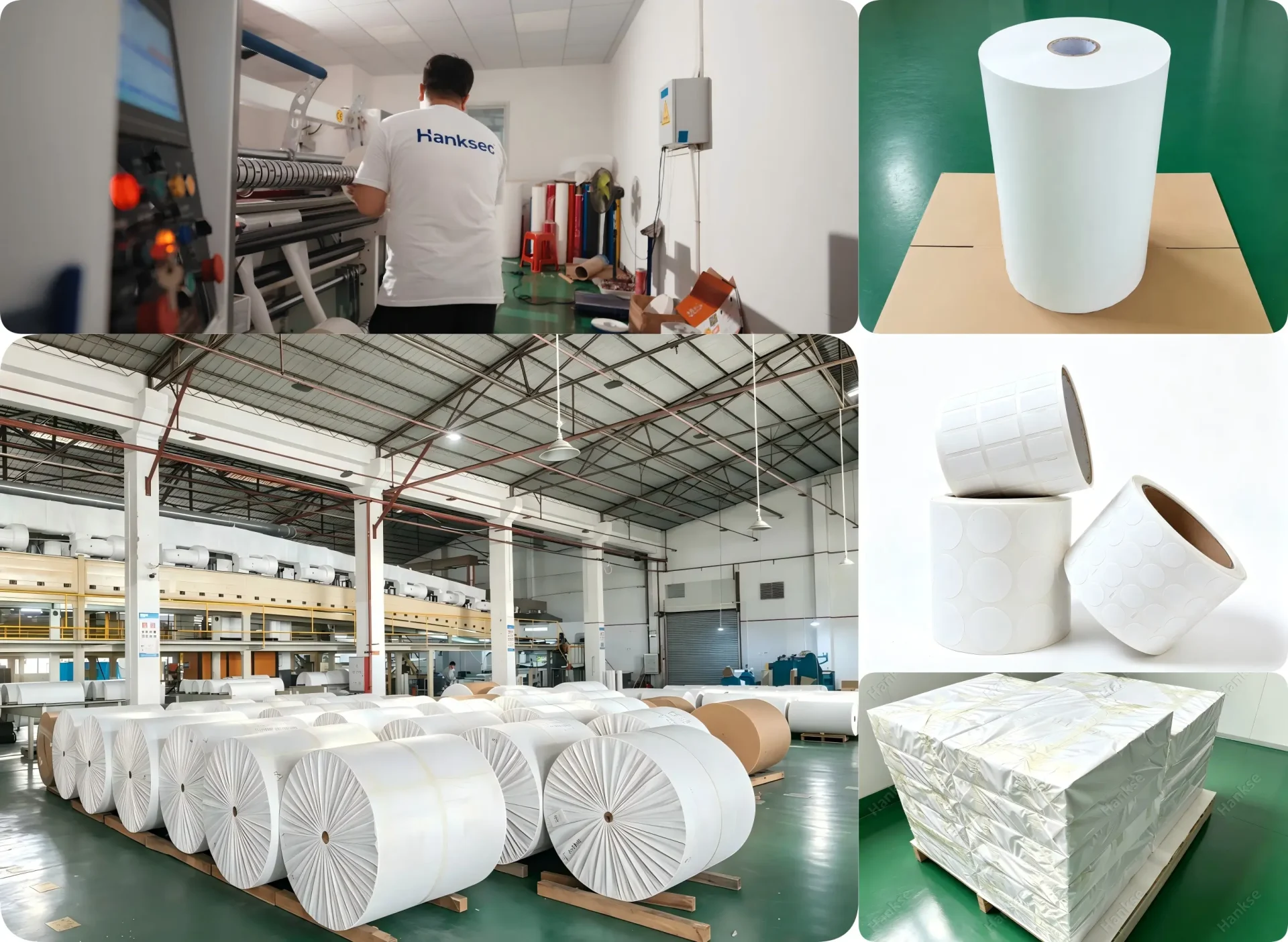
For converters sourcing destructible label material rolls, roll configuration should be confirmed before production to avoid problems with printing, die cutting or automatic dispensing.
Converters comparing roll specifications across tamper-evident materials can also review Hanksec’s VOID Label Material Rolls Selection Guide for additional guidance on jumbo rolls, slit rolls, core size and winding requirements.
OEM and Material Customization
| Customization | Available Direction |
|---|---|
| Breakage Level | Easy / Medium / Hard |
| Material Type | White / Transparent / Fiber / Foamtack / Holographic / Multi-layer |
| Adhesive | Matched to application substrate |
| Liner | According to converting process |
| Surface | Matt / Gloss / Transparent / Custom appearance |
| Printing | Logo / QR / Barcode / Serial Number |
| Supply Format | Jumbo roll / slit roll / sheet / die-cut label |
Procurement Notes
- MOQ: Depends on stock material, roll specification and custom construction.
- Samples: Standard material samples can be evaluated before bulk production.
- Lead Time: Confirm according to stock availability, customization and roll configuration.
What Should Buyers Provide Before Requesting Samples?
| Required Information | Example |
|---|---|
| Application substrate | ABS / PP / metal / glass |
| Required destructibility | Easy / Medium / Hard |
| Printing method | UV / Flexo / Thermal Transfer / Inkjet |
| Label size | Final converted size |
| Roll width | Converter machine width |
| Core / winding | According to equipment |
| Estimated quantity | Sample / trial / bulk production |
Providing the actual application substrate and finished-label dimensions allows a more useful material test before bulk production.
Pre-Production Qualification Checklist
- facestock breakage level;
- initial adhesion;
- dwell adhesion;
- fragment size;
- die-cutting stability;
- matrix stripping performance;
- web tension stability;
- printing and rub resistance;
- liner release;
- automatic dispensing where required;
- final anti-removal performance.
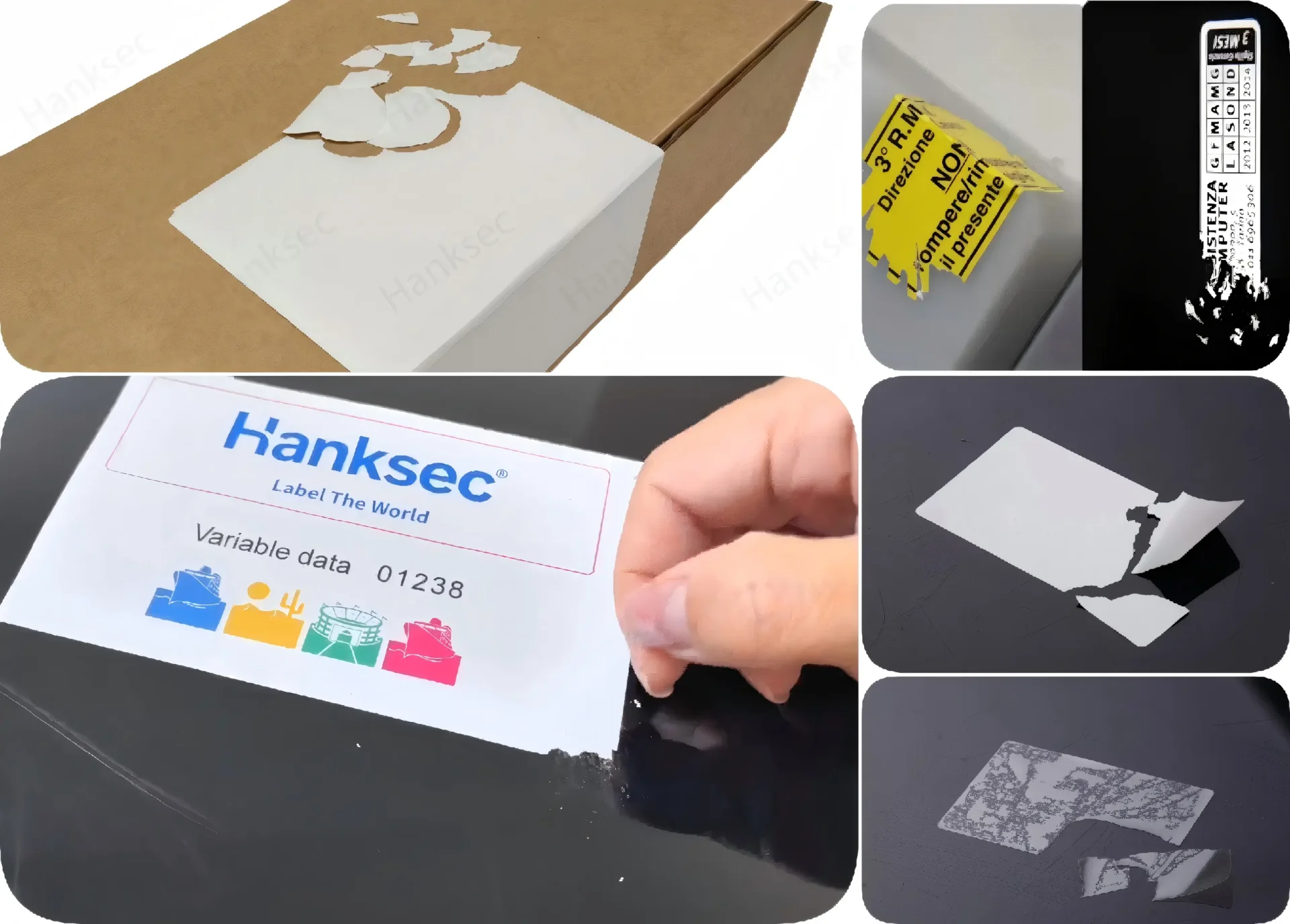
Final approval should be based on the complete combination of facestock + adhesive + liner + printing + converting process + application substrate.
For broader self-adhesive label qualification and test-method references, converters can also consult the FINAT Technical Handbook.
Technical FAQ
What is the difference between easy, medium and hard destructible label materials?
The main difference is the balance between facestock breakage and production stability. Easy material fractures more aggressively, medium material provides balanced converting performance, and hard destructible material provides better handling for larger labels or automated production.
Can destructible label material be supplied in jumbo rolls?
Yes. Jumbo-roll and slit-roll supply can be evaluated for converters that perform their own printing, die cutting, slitting and rewinding. Roll width, core, winding direction and material construction should be confirmed before production.
Why does destructible material break during die cutting or matrix stripping?
Very fragile facestock can fracture when die pressure, matrix stripping tension or web tension is too high. The material grade and converting parameters should therefore be qualified together.
Can destructible label material be used on PP or PE plastic?
Yes, but PP and PE are low-surface-energy plastics and may require an adhesive system specifically matched to the substrate. Adhesion and final breakage should be tested on the actual surface.
What should a buyer provide before requesting destructible material samples?
Provide the application substrate, required breakage level, printing method, final label size, roll width, winding requirement and estimated quantity. An actual substrate sample is recommended where possible.
Request Destructible Material Samples & TDS
Send Hanksec the application substrate, required destructibility, printing method, label size, roll width and estimated quantity.
Hanksec can prepare suitable destructible material samples for printing, converting and anti-removal testing before bulk production.