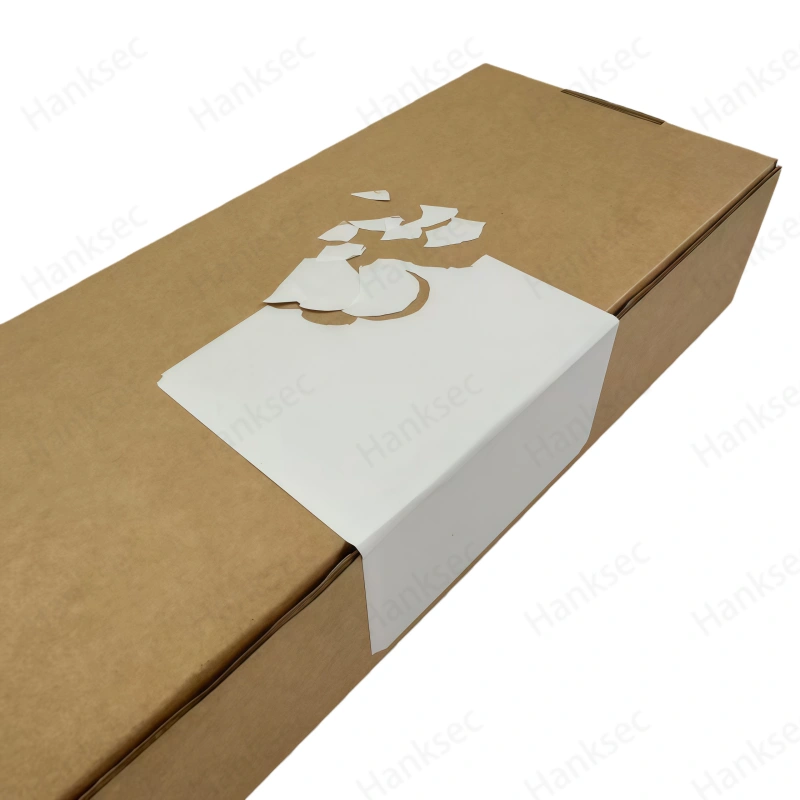
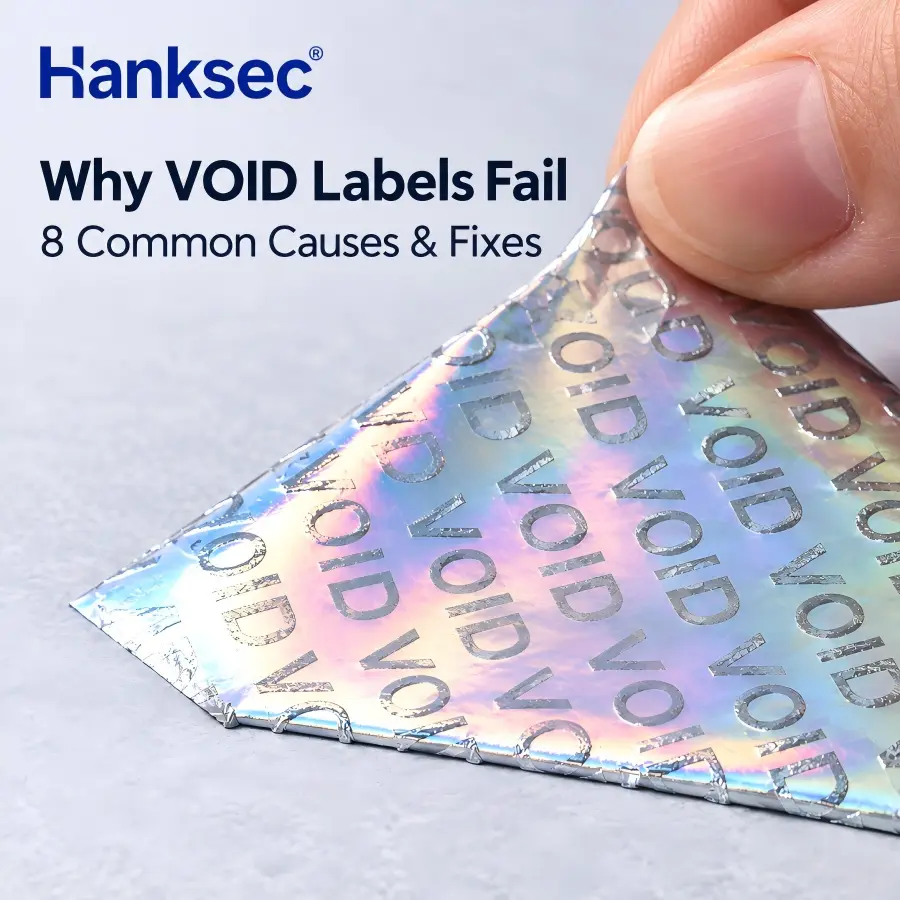
Quick Answer: VOID labels usually fail because of poor surface adhesion, incorrect material construction, application conditions, or unstable security-layer separation.
A label may stick firmly but show a weak VOID message. Another may peel off cleanly before its security feature activates. These problems have different causes—and require different solutions.
For label converters and packaging manufacturers, the first step is to identify where the material failed, rather than simply choosing a stronger adhesive.
Why VOID Labels Fail: Symptoms, Causes and Solutions
| Failure Symptom | Likely Cause | First Action |
|---|---|---|
| VOID message does not appear | Weak bonding or incorrect separation behavior | Check adhesion and security construction |
| Label peels off intact | Poor adhesive-to-substrate bonding | Test the actual surface |
| VOID pattern looks patchy | Uneven contact or security-layer separation | Compare substrate and coating performance |
| Label edges lift | Contamination, curvature or insufficient pressure | Check application conditions |
| VOID activates during converting | Excessive mechanical stress or unsuitable construction | Check die pressure and web tension |
| Performance changes after storage | Material aging or unsuitable storage conditions | Compare retained and fresh samples |
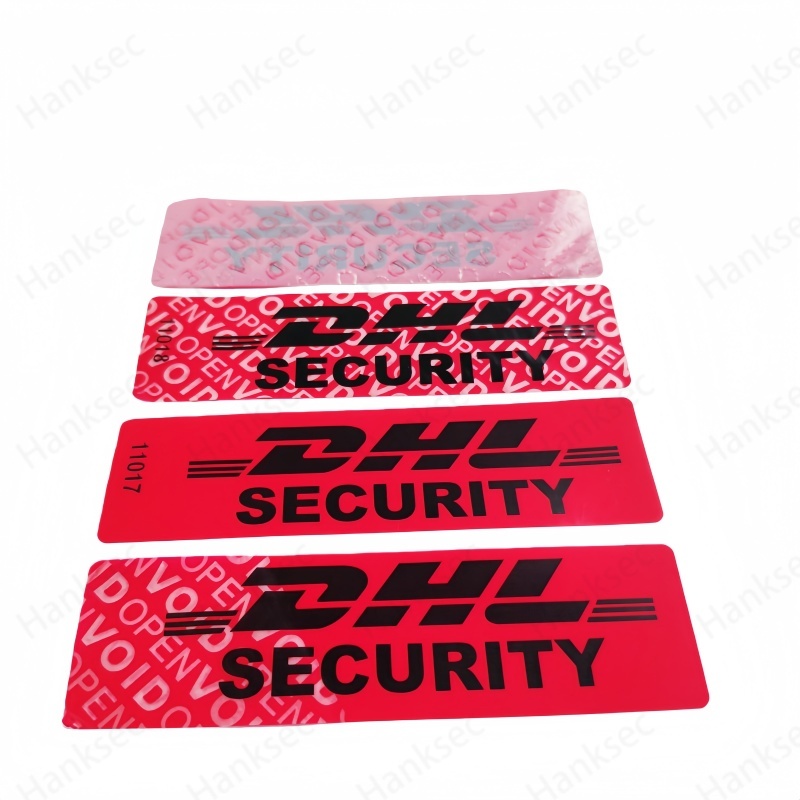
Important: A non-transfer VOID label can leave the product surface clean while showing a clear warning on the removed film. That is normal performance when it matches the specified design.
For the differences between transfer types, see What Is VOID Label Material?.
First Check Where the VOID Label Failed
Understanding why VOID labels fail starts with identifying whether the problem comes from surface adhesion, internal layer separation, or converting damage.
A practical diagnosis starts by identifying the separation point.
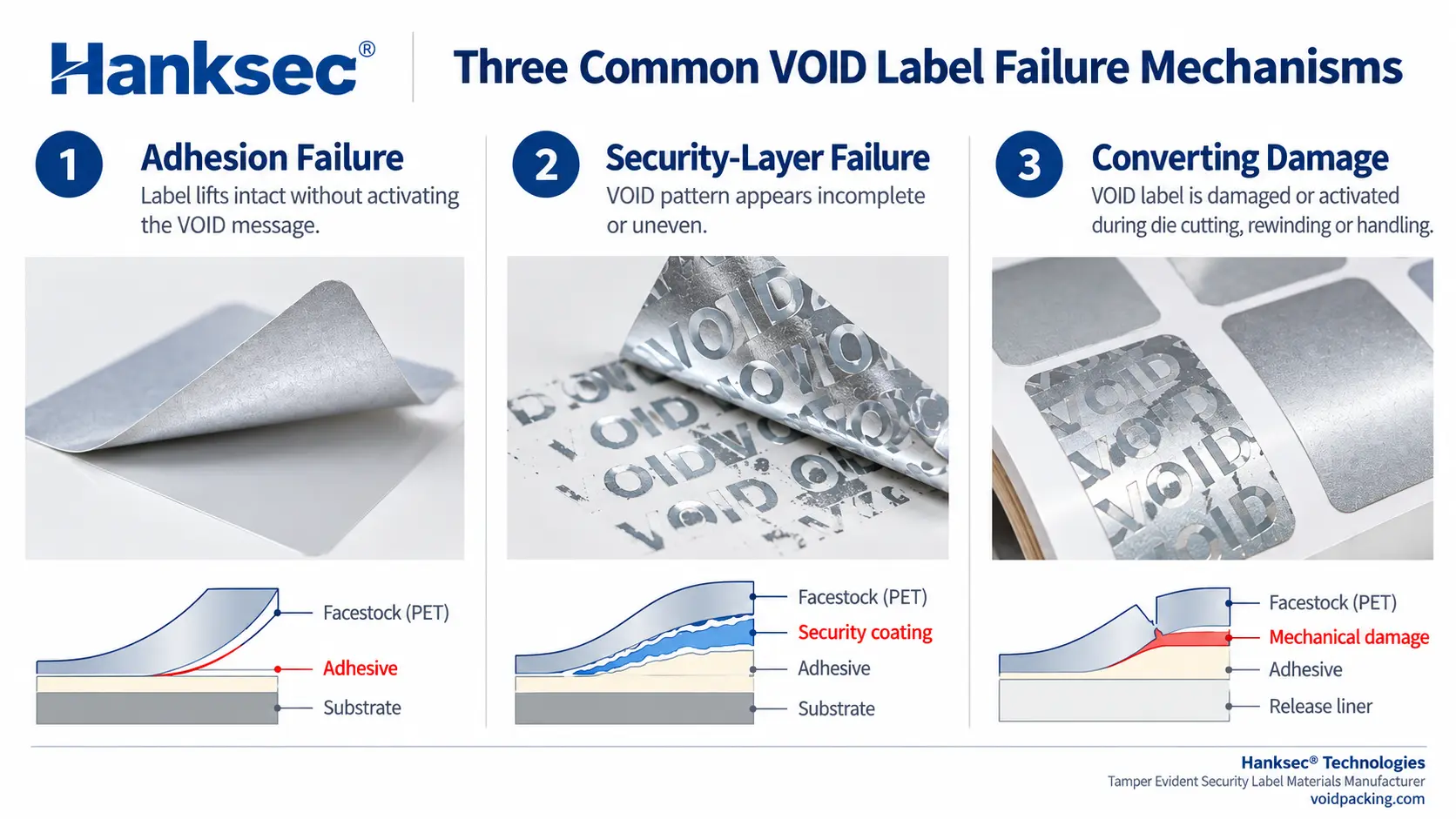
- At the product surface: The entire label lifts before the hidden message activates. Start with substrate compatibility, contamination and adhesion.
- Inside the security construction: The label bonds, but the VOID pattern is weak or irregular. Check the controlled separation layers.
- After converting: The original roll performs correctly, but finished labels fail. Examine die cutting, liner damage, winding and handling.
This simple distinction helps prevent unnecessary changes to an otherwise suitable adhesive or coating formulation.
8 Common Causes of VOID Label Failure
1. Wrong VOID Transfer Type
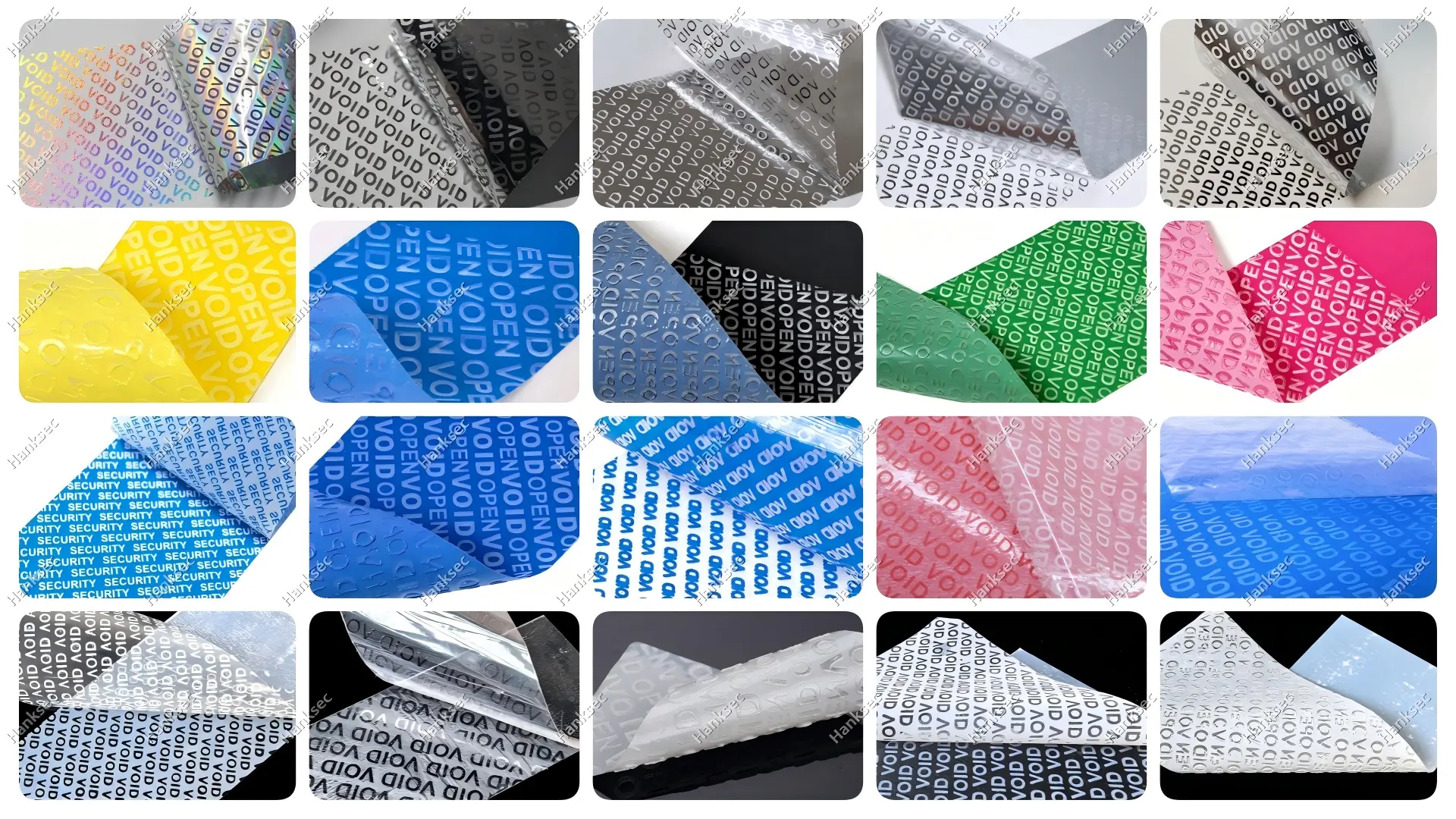
Full-transfer, partial-transfer and non-transfer materials are engineered to produce different removal effects.
If the customer expects a permanent warning on the product surface but receives a non-transfer construction, the result may look like a failure even when the material functions correctly.
Fix: Confirm where the hidden message should appear before selecting the material. Compare non-transfer VOID material with other transfer constructions when low residue is required.
2. Poor Adhesion on PP, PE or HDPE
Polypropylene (PP), polyethylene (PE) and HDPE are often difficult surfaces for standard pressure-sensitive adhesives because of their low surface energy.
If the adhesive cannot establish sufficient contact, the label may lift before the security layer separates.
Fix: Test an adhesive formulation suitable for the actual plastic surface. Do not approve materials based only on glass or steel testing.
Read the Tamper Evident Label Adhesive Guide for detailed substrate selection.
3. Dust, Oil or Surface Contamination
Dust, fingerprints, silicone residues and manufacturing additives can reduce adhesive contact.
Even a small contaminated area can produce weak adhesion or incomplete VOID activation.
Fix: Inspect and prepare the application surface using an approved cleaning procedure. Test both representative production surfaces and clean reference samples to identify contamination-related problems.
4. Insufficient Application Pressure or Dwell Time
Pressure-sensitive adhesives need good contact with the surface. Some adhesive systems also develop stronger bonding after a period of contact.
If a VOID label is peeled immediately after light application, the intended security response may not be fully developed.
Fix: Apply consistent pressure and compare removal results after application intervals relevant to the project. Do not assume one dwell time works for every adhesive.
5. Unstable Security Coating or Separation Balance
A VOID label depends on controlled separation within its multilayer structure.
If the functional coating, release pattern or interlayer bonding is inconsistent, the message may appear incomplete even when adhesion to the product is sufficient.
Fix: Compare samples from different positions across the roll and check the security pattern under consistent peeling conditions. If the problem follows the roll rather than the substrate, review coating uniformity, registration and layer compatibility.
6. Temperature and Humidity Changes
Heat, cold, moisture and condensation can affect adhesive contact and security-layer behavior.
A material that performs well at room temperature may respond differently after cold storage, high-temperature exposure or application to a damp surface.
Fix: Qualify the complete label construction under the expected application, storage and service conditions. Review adhesion and VOID activation after relevant environmental exposure.
7. Die Cutting or Rewinding Damage
Incorrect die pressure, excessive web tension or unstable matrix stripping can damage a security material before application.
Possible symptoms include premature VOID activation, lifted corners, liner scoring and inconsistent removal effects.
Fix: Compare the original material with converted samples. Adjust cutting depth, web tension and liner-release conditions before changing the material formulation.
8. Material Aging or Improper Storage
Long storage periods, excessive heat, moisture and unsuitable handling may change adhesive or coating performance.
A material that passed the original approval test should not automatically be assumed to perform identically after prolonged storage.
Fix: Follow the material’s qualified shelf-life and storage requirements. Compare retained reference samples with current material and repeat essential performance tests where needed.
How to Troubleshoot VOID Label Materials Before Bulk Production
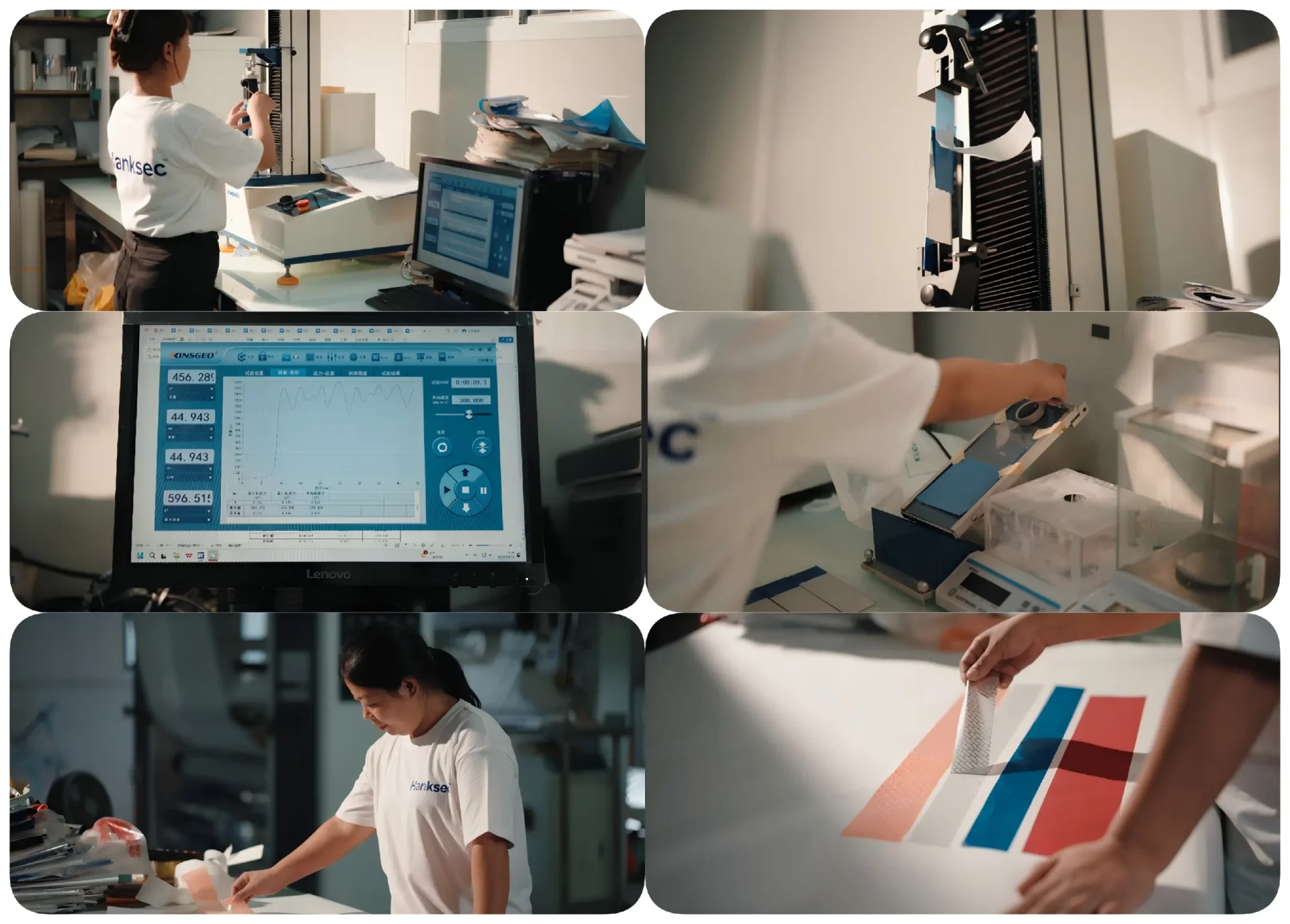
To determine why VOID labels fail during production, compare the original material with converted samples under the same application and peeling conditions.
Peel angle and removal speed should also remain consistent during comparative testing, as they can affect the observed adhesive and security-layer separation behavior.
A practical qualification process should answer five questions:
- What is the required tamper effect? Confirm full-transfer, partial-transfer or non-transfer behavior.
- Does the adhesive bond to the real substrate? Compare the customer surface with a controlled reference surface.
- Are application conditions consistent? Record pressure, temperature, dwell time and surface preparation.
- Does the VOID pattern activate correctly? Inspect message clarity, residue, edge behavior and the ability to reapply the label.
- Does the result remain stable after converting? Repeat the tamper check on finished labels and after relevant environmental conditioning.
For controlled peel-adhesion comparisons, ASTM D6252/D6252M-98(2025) provides a method for testing pressure-sensitive label stocks.
However, peel strength alone does not confirm that a VOID label will produce the required tamper evidence.
For a broader testing procedure, review Hanksec’s Security Label Material Quality Control Guide.
What Should Buyers Send to a VOID Label Material Manufacturer?
When reporting a VOID label failure, useful information includes:
- Application substrate and surface coating
- Required VOID pattern and residue behavior
- Actual failure photos or peeling video
- Application temperature, pressure and dwell time
- Printing, die-cutting and roll-converting conditions
- Material batch or roll identification
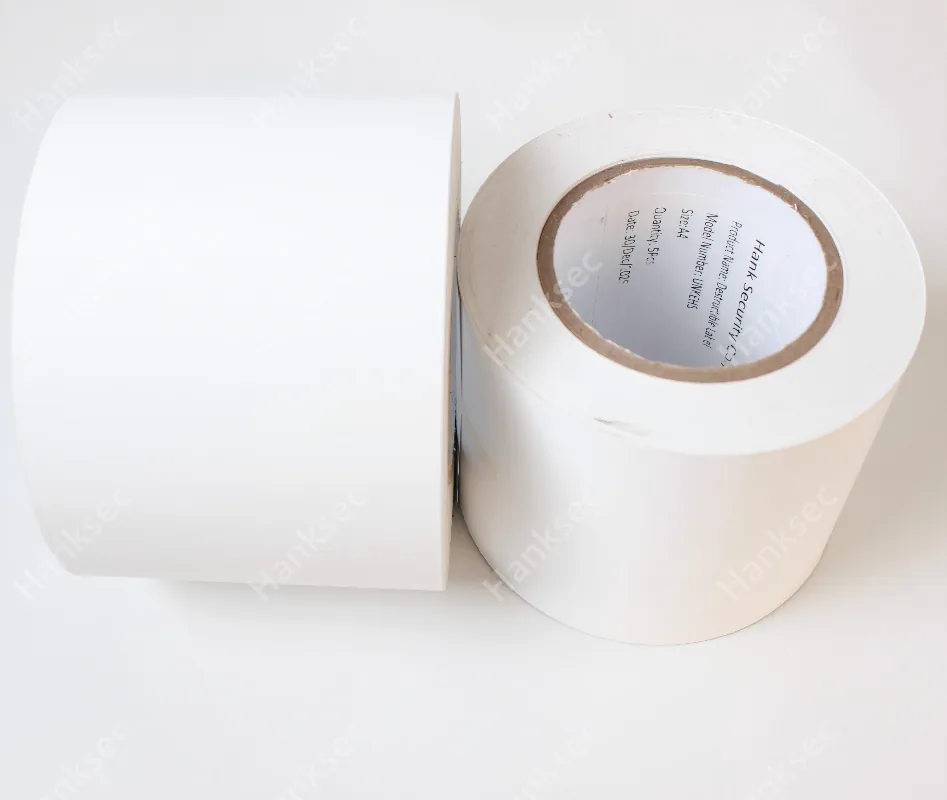
At Hanksec, VOID label materials are evaluated as complete systems involving PET facestock, functional security coatings, adhesive selection and release liners.
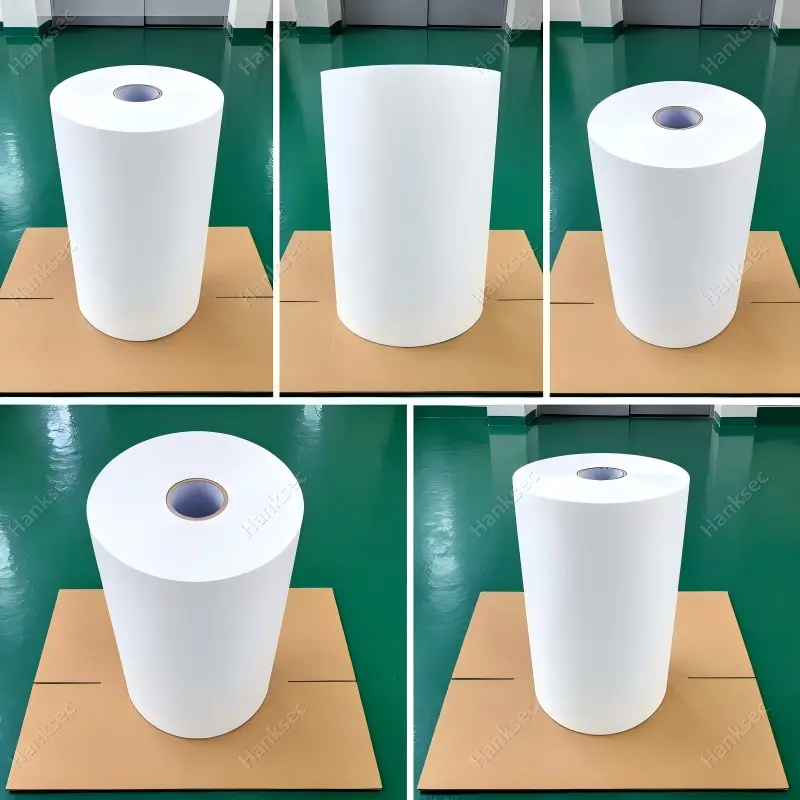
Hanksec supplies converter-ready jumbo rolls and slit rolls, with material customization according to the required application and converting process.
Experiencing weak VOID effects, poor adhesion or inconsistent transfer?
Request VOID Material Testing & Technical Support
Frequently Asked Questions
Why is the VOID message not appearing?
Possible causes include insufficient adhesion, an incorrect material construction or a problem with the internal separation layer. First check whether the hidden message appears on the label, substrate or neither.
Can a VOID label fail even when the adhesive is strong?
Yes. Strong surface bonding does not guarantee correct security-layer separation. Adhesive performance and the internal VOID mechanism must be evaluated together.
Why does the same VOID label work on glass but fail on plastic?
Different surfaces have different chemical and physical properties. Low-surface-energy plastics, surface treatments and contamination can change adhesive bonding and tamper response.
Does a non-transfer VOID label mean the material has failed?
No. A correctly designed non-transfer material reveals the security message mainly on the removed film while leaving relatively little visible residue on the applied surface. The result must match the approved specification.
Hanksec Technical Team
Tamper Evident Security Label Materials Manufacturer | Jumbo Rolls, Slit Rolls & Custom Material Solutions
Experiencing VOID Label Performance Issues?
Poor adhesion, weak VOID patterns, or inconsistent tamper effects?
Hanksec helps label converters and security printers identify material compatibility issues and select suitable VOID label constructions.
Share your application requirements with our technical team for material recommendations and sample testing.
REQUEST VOID MATERIAL TESTING →
Hanksec® | Tamper Evident Security Label Materials Manufacturer