Quick Answer:
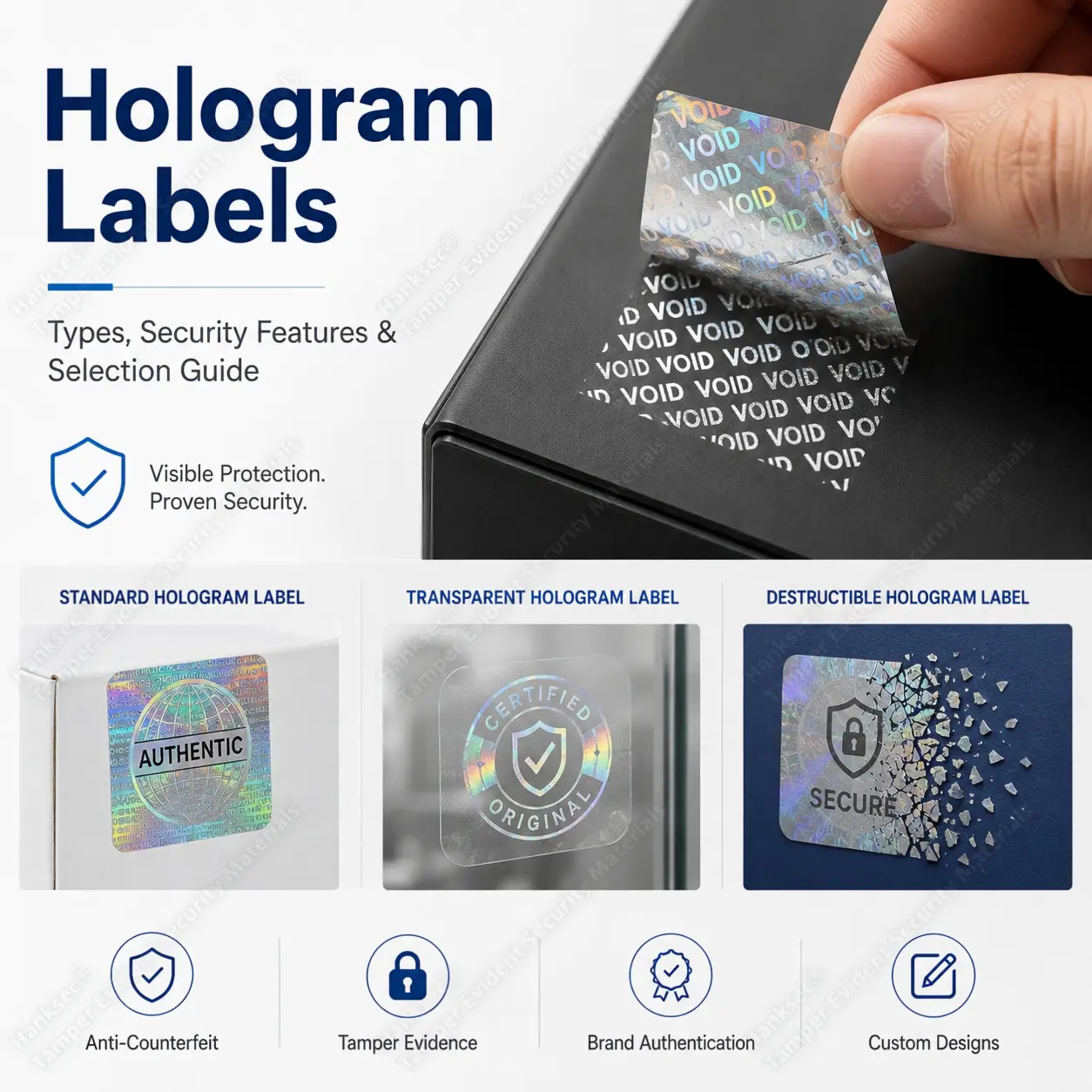
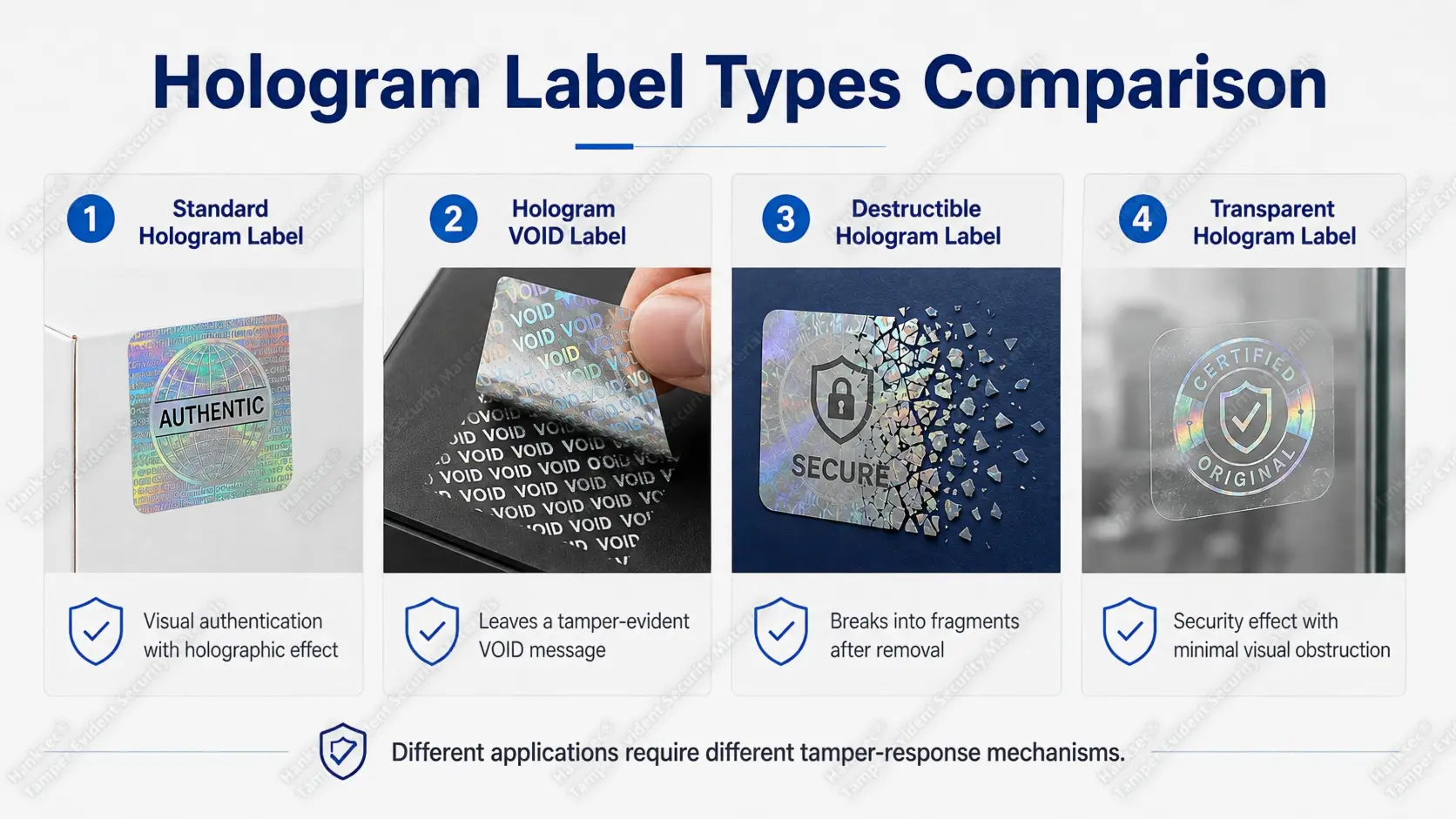
Hologram security labels combine a holographic optical feature with a pressure-sensitive label construction for product authentication, brand protection and, when engineered for it, visible tamper evidence. A standard holographic label mainly supports visual authentication. A hologram VOID label adds a hidden removal message, a destructible hologram label fractures during removal, and a serialized hologram label adds unique identification for verification or traceability.
For B2B buyers, label converters, security printers and packaging teams, the correct choice depends on more than the holographic image. Buyers should define the authentication objective, tamper response, application surface, adhesive requirement, printing process, converting method and supply format before approving a hologram label or holographic material.
| Hologram Label Type | Main Function | Tamper Response | Typical Starting Use |
|---|---|---|---|
| Standard holographic label | Visual authentication / brand recognition | Not automatically tamper evident | Packaging, documents, branded products |
| Custom hologram label | Brand-specific authentication | Depends on the base construction | Anti-counterfeit programs, premium packaging |
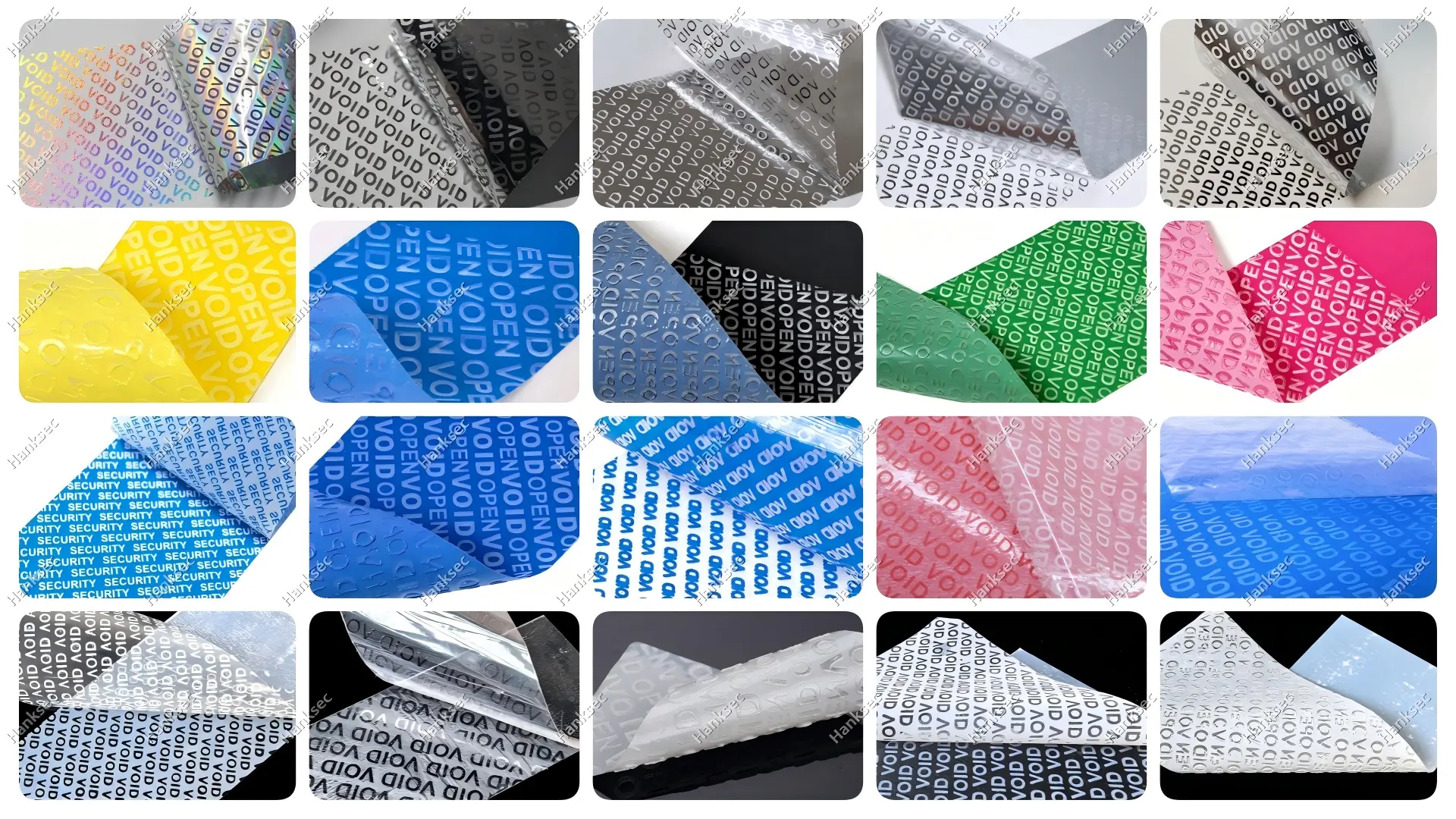
| Hologram VOID label | Authentication + removal evidence | VOID / OPENED / custom hidden message | Electronics, packaging, warranty and access seals |
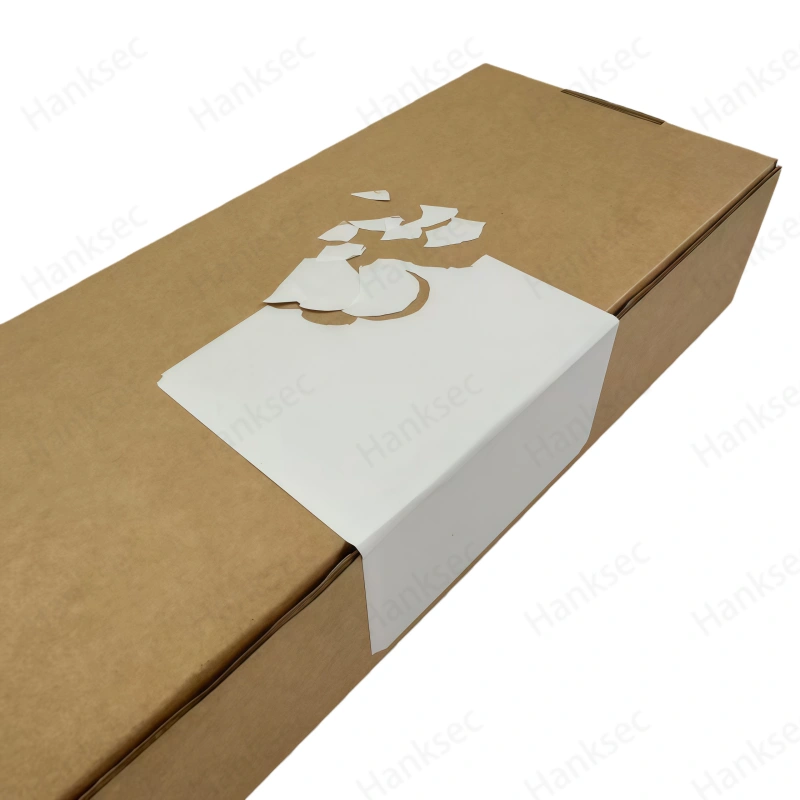
| Destructible hologram label | Authentication + anti-removal response | Facestock fractures or fragments | Small seals, assets, electronics, components |
| Transparent hologram label | Authentication with less coverage of artwork | Depends on the security construction | Cosmetics, cartons, certificates, premium packaging |
| Serialized hologram label | Authentication + unique identification | Can be combined with VOID or destructible behavior | RMA, asset tracking, distribution and verification programs |
What Are Hologram Security Labels?
A hologram security label is a label that uses a holographic or diffractive optical surface as an authentication feature. Fine optical structures interact with light so the appearance changes with the viewing angle, producing effects that ordinary printing alone does not reproduce in the same way.
The holographic feature can be decorative, security-oriented, or both. In a security application, the important question is not only whether the label looks holographic, but what an inspector is expected to verify.
That may include:
- a recognizable holographic logo or optical pattern;
- a hidden VOID or OPENED message after removal;
- physical fragmentation during removal;
- a serial number, barcode or QR code;
- overt features visible to customers or distributors;
- project-specific covert features for trained inspection.
For a broader comparison of tamper-evident technologies, see Hanksec’s Types of Tamper-Evident Security Labels Guide.
Holographic Authentication Is Not the Same as Tamper Evidence
This distinction is one of the most important points in hologram-label selection.
A standard holographic label can support visual authentication because the optical feature helps distinguish the intended label from an ordinary printed copy. However, the holographic appearance alone does not define what happens when the label is removed.
To create visible removal evidence, the holographic feature must be combined with an engineered tamper-evident construction such as:
- full-transfer VOID;
- partial-transfer VOID;
- non-transfer VOID;
- destructible facestock;
- or another project-specific irreversible removal response.
Authentication and tamper evidence therefore solve related but different problems:
| Security Question | Typical Feature |
|---|---|
| “Does this look like the intended security label?” | Holographic image, custom logo, optical effect |
| “Has this label been removed or disturbed?” | VOID transfer, destructible response, delamination |
| “Which specific item is this?” | Serial number, barcode, QR code, variable data |
| “Can this identity be checked against a record?” | Controlled database or verification workflow |
For higher-risk products, these functions can be layered rather than treated as substitutes for one another.
How Hologram Security Labels Work
Holographic appearance comes from microscopic optical structures that diffract or redirect reflected light. The visual effect changes as the viewing angle changes, allowing a trained inspector or customer to recognize motion, color, depth or pattern effects that are part of the intended design.
In a pressure-sensitive security label, the holographic layer is only one part of the construction. A typical system can include:
- printable or holographic facestock;
- optical holographic layer;
- optional hidden VOID / OPENED security layer;
- optional transfer or release layer;
- pressure-sensitive adhesive;
- release liner;
- and, where required, a printable topcoat or overprint layer.
If the construction is a hologram VOID material, controlled layer separation reveals the hidden security message when removal is attempted. If the construction is destructible, the facestock is designed to crack or fragment before it can be removed intact.
The final result depends on the complete material system rather than the holographic film alone. For a PET-based example, see Hanksec’s Holographic PET Security Label Material.
Main Types of Hologram Security Labels
Standard Holographic Labels
Standard holographic labels use a stock optical pattern or a general holographic effect. They are useful when visible identification, decorative security, faster sampling or lower customization requirements are the main priorities.
Because the optical design is not necessarily unique to one brand, standard holographic material should not automatically be treated as a complete product-authentication system.
Custom Hologram Labels
Custom hologram labels use brand-specific optical elements such as logos, names, symbols, patterns or project-specific visual effects. The custom image becomes part of the authentication feature instead of relying only on a generic stock hologram.
Custom holographic designs typically require an origination or master-making stage before production. Buyers should therefore separate custom hologram origination from ordinary surface printing. Printing a logo on top of a stock holographic film is not the same as embedding brand-specific optical information within the holographic design.
Hologram VOID Labels
Hologram VOID labels combine a holographic authentication surface with an engineered removal response.
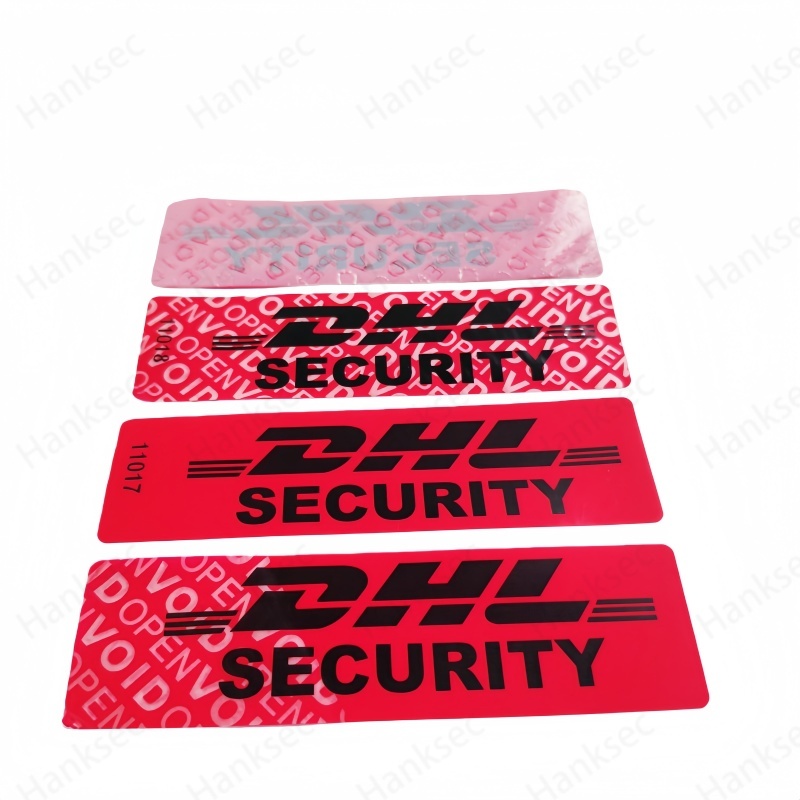
When the label is peeled, a hidden VOID, OPENED, SECURITY or custom pattern becomes visible. Depending on the construction, the evidence can transfer mainly to the substrate, appear on both the label and substrate, or remain mainly within the removed label.
The best transfer type depends on the inspection requirement and the amount of residue the customer will accept.
Destructible Hologram Labels
Destructible hologram labels combine optical authentication with a fragile security facestock. During removal, the label is designed to crack, tear or fragment rather than lift intact.
The adhesive must still be matched to the real application surface. If adhesion is too weak, the label may lift before the facestock breaks. If the facestock is too fragile for the converter’s die geometry, matrix stripping can also become unstable.
For fracture behavior and converting considerations, see the Destructible Label Materials Guide.
Transparent Hologram Labels
Transparent or semi-transparent holographic constructions allow the underlying packaging, document or printed artwork to remain partly visible while adding an optical security feature.
They are useful where brand graphics should not be heavily covered, but the buyer still needs to confirm adhesive clarity, surface compatibility and the required removal response.
Serialized Hologram Labels
Serialized hologram labels combine the physical security label with a unique identifier such as a sequential number, barcode or QR code. This can support RMA records, distribution control, asset identification or an external verification workflow.
Serialization does not make a copied hologram impossible, and a hologram does not create traceability by itself. The identifier must be managed through an appropriate data or record system if item-level verification is required.
Overt, Covert and Digital Security Features
Holographic projects are often described in layers of inspection. The exact feature set should be based on the risk level and who is expected to authenticate the label.
Overt Features
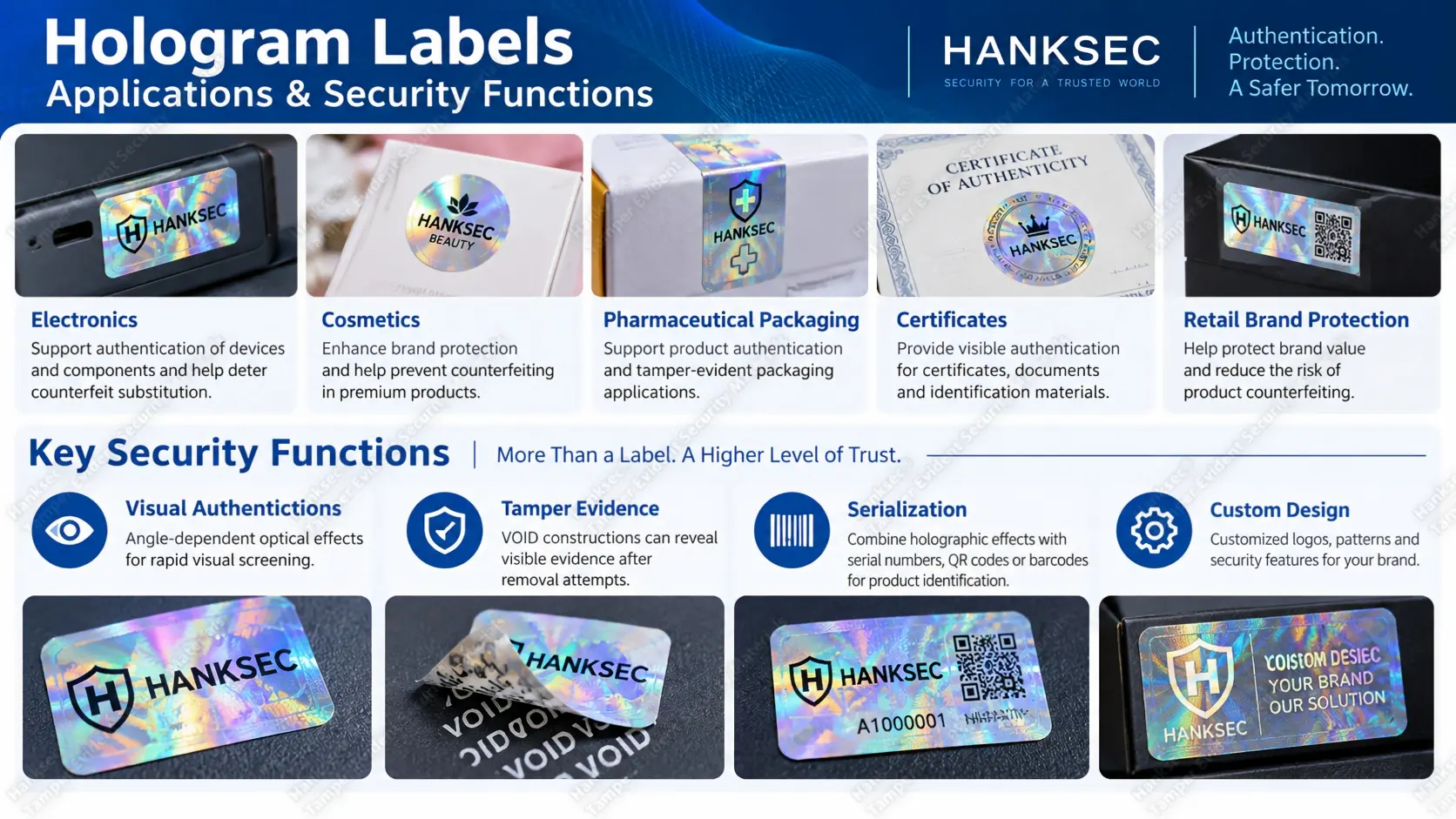
Overt features are intended to be checked without specialized laboratory equipment. Examples can include a custom holographic logo, movement or color-shift effects, recognizable patterns, serial numbers and visible VOID behavior.
Covert Features
Covert features are intended for trained or controlled inspection and can include project-specific microtext, hidden optical elements, UV-responsive printing or other features that are not obvious during casual viewing.
Not every hologram project requires covert features. Adding complexity without a defined inspection method can increase cost without improving real-world verification.
Digital Identification
QR codes, barcodes and serial numbers can connect the physical label to a digital record. Their security depends on how the identifier is generated, controlled and verified. A visible printed code can be copied, so higher-risk systems should consider how the backend determines whether an identifier is valid, duplicated or previously used.
Choose the Adhesive and Construction for the Real Surface
A hologram can have an excellent optical appearance and still fail as a security label if the adhesive does not bond correctly to the real substrate.
| Application Surface | Useful Starting Direction | Main Risk to Check |
|---|---|---|
| Coated paperboard / cartons | Holographic PET, transparent or VOID construction | Varnish interaction, fiber or coating damage, transfer clarity |
| PP / PE / HDPE | Holographic security material with substrate-matched adhesive | Low surface energy, edge lift, weak wet-out |
| ABS / PC / rigid plastics | VOID, destructible or standard holographic construction | Texture, additives, coatings and cosmetic residue |
| Glass | Transparent, non-transfer or controlled-residue construction | Residue visibility, condensation and cleaning chemistry |
| Painted / powder-coated metal | PET holographic VOID or destructible construction | Coating lift, surface texture and adhesive contact |
| Documents / certificates | Standard, transparent or destructible holographic label | Paper damage, replacement risk and final appearance |
Surface energy, roughness, coatings, contamination, dwell and temperature can all affect the final bond. Sample testing should therefore use the actual production surface. For adhesive qualification, see Hanksec’s Tamper Evident Label Adhesive Guide.
Printing and Converting Requirements for Holographic Materials
Converters and security printers need to evaluate more than the holographic image. The material must also run through the intended press and converting process.
Printing Compatibility
Holographic surfaces can require suitable topcoats, inks, ribbons or curing conditions. UV flexographic, screen, thermal-transfer, digital and inkjet systems should be qualified using the actual press and consumables.
For print-process selection, see the Printable Security Label Materials Guide.
Die Cutting and Matrix Stripping
Die-cut geometry, small label sizes, sharp corners and fragile tamper-evident constructions can affect matrix stripping. Destructible holographic materials require particular care because the same fragility that supports anti-removal behavior can reduce the converting window.
Release Liner and Dispensing
Glassine, kraft and PET release liners can influence die cutting, web stability, release force and automatic dispensing. The liner should be selected together with the label size, adhesive and application equipment.
Supply Format
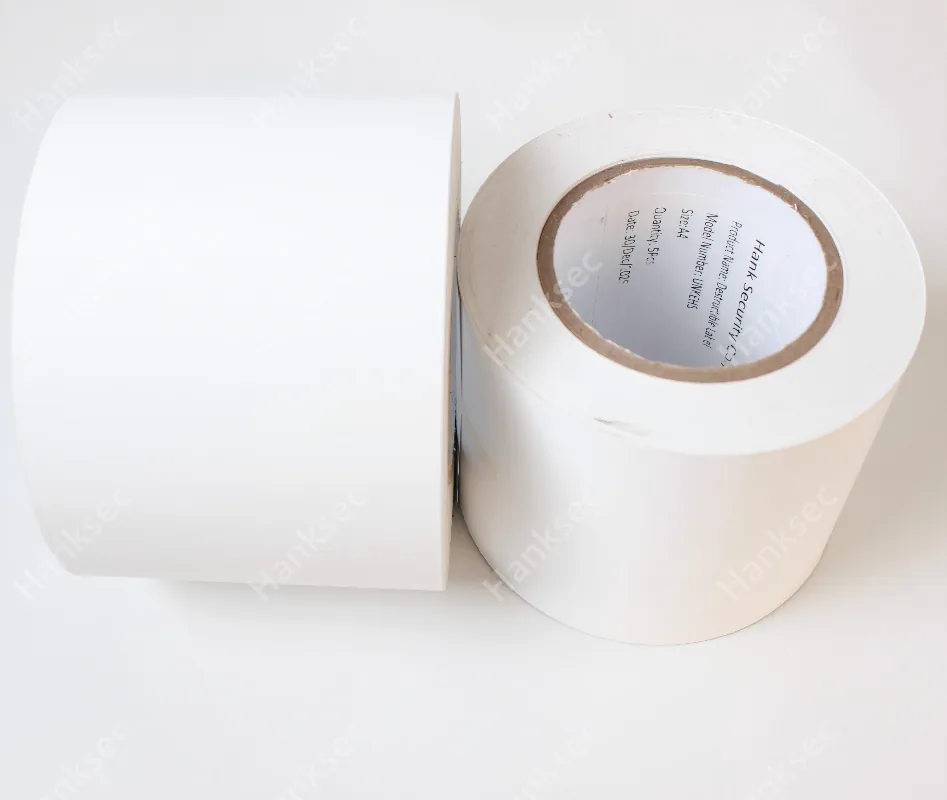
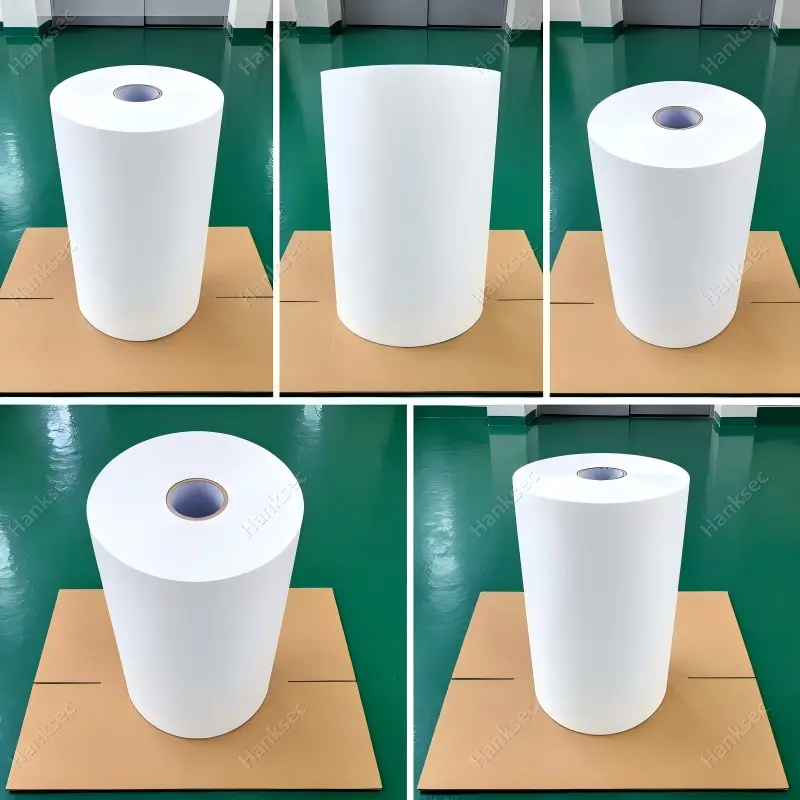
Depending on the project, holographic security materials can be supplied as finished labels, sheets, slit rolls or converter-ready jumbo rolls. Converters requiring base film for further processing can review Hanksec’s Hologram Film Sticker Material.
Custom Hologram Design and Origination: What Buyers Should Specify
Before requesting a custom hologram, buyers should define what must be customized at the optical level and what can be added later by printing.
| Project Item | Questions to Confirm |
|---|---|
| Optical design | Stock pattern or brand-specific custom holographic image? |
| Authentication | Which feature should a customer, distributor or inspector verify? |
| Tamper response | Standard, full-transfer VOID, partial-transfer, non-transfer or destructible? |
| Variable data | Serial number, barcode, QR code, batch or other identifier? |
| Substrate | Paperboard, PP, PE, ABS, PC, PET, glass, painted metal or another surface? |
| Printing | Will the converter overprint logos, text, numbers or variable data? |
| Converting | Finished labels, sheets, slit rolls or jumbo rolls? |
| Inspection method | How will an authentic label be recognized and how will tampering be checked? |
This specification is more useful than asking only for a “high-security hologram,” because different projects require different combinations of optical authentication, tamper evidence and data control.
Applications of Hologram Security Labels
Electronics and Equipment
Holographic security labels can be applied to device housings, accessories, spare parts, control units, warranty areas and packaging. VOID or destructible constructions can be added when removal evidence is required.
Cosmetics and Premium Packaging
Cosmetics, fragrances, gift boxes and premium retail products often use holographic effects because authentication and shelf appearance can be combined. Transparent constructions may be useful when original artwork should remain visible.
Pharmaceutical Secondary Packaging
Holographic features can support visual authentication on cartons and secondary packaging. If opening evidence is also required, the holographic feature should be combined with a validated tamper-evident construction. A hologram label by itself should not be described as creating regulatory compliance for the complete package.
Documents, Certificates and Cards
Holographic labels can provide a visible authentication feature on certificates, documents and cards. Higher-security document programs may require specialized overlays, films or authentication systems rather than a standard pressure-sensitive label.
Brand Protection and Distribution
Custom holograms, serialization and controlled verification can help distinguish intended labels from ordinary replacements and support product or distribution inspection. The label should be part of a defined authentication process rather than treated as a stand-alone guarantee of authenticity.
How to Choose the Right Hologram Security Label
| Buyer Requirement | Starting Direction | Next Check |
|---|---|---|
| Basic visual authentication | Standard holographic label | Define who will inspect the optical feature |
| Brand-specific authentication | Custom hologram | Confirm optical origination vs printed customization |
| Visible evidence after removal | Hologram VOID label | Choose full, partial or non-transfer response |
| Label should break during removal | Destructible hologram label | Confirm adhesive and converting window |
| Original artwork should remain visible | Transparent holographic construction | Check clarity, adhesive and surface appearance |
| Authentication plus traceability | Serialized hologram label | Define identifier and verification workflow |
| Converter will print and die cut in-house | Holographic film / jumbo-roll material | Confirm topcoat, liner, print method and die cutting |
For structured authentication-solution selection, ISO 22383:2020 provides guidelines for selecting and evaluating authentication solutions for material goods based on risk and performance criteria.
How to Qualify Hologram Labels Before Bulk Production
Approval should evaluate both the optical feature and the physical label system.
- Confirm the real application surface. Do not approve only on a generic test panel.
- Verify adhesive wet-out and edge lift. Include curved, textured or low-surface-energy surfaces where relevant.
- Check the intended tamper response. Confirm VOID transfer, non-transfer behavior or destructibility after realistic dwell.
- Inspect the holographic feature under expected lighting. Make sure the intended effect can actually be recognized in the use environment.
- Test printing. Verify ink, toner or ribbon anchorage and variable-data readability.
- Run die-cutting and matrix-stripping trials. Especially important for small or destructible labels.
- Check environmental exposure. Heat, cold, humidity, cleaners and abrasion should be included when relevant.
- Retain an approved reference. Production batches should be compared against the approved construction and visible security response.
For a broader QC workflow covering peel adhesion, release force, die cutting, VOID response and print durability, see Hanksec’s Security Label Material Quality Control Guide.
Common Hologram Label Selection Mistakes
- Assuming every hologram is tamper evident: optical authentication and removal evidence are separate functions unless the construction combines them.
- Selecting by visual effect only: adhesive, substrate, residue and converting can determine whether the project succeeds.
- Treating a stock hologram as unique authentication: a stock optical pattern may be available to more than one buyer.
- Confusing optical customization with surface printing: overprinting a logo is not the same as creating a brand-specific holographic master.
- Ignoring the application surface: a construction that bonds well to coated carton may behave differently on PP, PE, glass or powder-coated metal.
- Adding QR codes without a verification plan: a visible code can be copied unless the identity is controlled through an appropriate data workflow.
- Ignoring converting: a security material that cannot print, die cut, matrix strip or dispense consistently is not ready for production.
Frequently Asked Questions
What is a hologram security label?
A hologram security label is a pressure-sensitive or converted label that uses a holographic optical feature for visual authentication. It can also include VOID transfer, destructibility, serialization or other security features depending on the construction.
Are all hologram labels tamper evident?
No. A holographic image can support visual authentication without creating an irreversible removal response. Tamper evidence requires an additional construction such as VOID transfer, non-transfer VOID, destructibility or another engineered separation mechanism.
What is a hologram VOID label?
A hologram VOID label combines holographic authentication with a hidden security message. When removal is attempted, the VOID, OPENED or custom pattern becomes visible according to the transfer construction.
What is the difference between a stock hologram and a custom hologram?
A stock hologram uses a general optical pattern that is not unique to one brand. A custom hologram incorporates brand-specific optical elements such as logos, names or security patterns into the holographic design itself.
Can hologram security labels include QR codes and serial numbers?
Yes. Holographic labels can be combined with serial numbers, barcodes, QR codes and variable data. If digital authentication is required, the identifier should be connected to an appropriate verification or record system.
Can hologram materials be supplied in rolls for label converters?
Yes. Depending on the project, holographic materials can be supplied as jumbo rolls, slit rolls, sheets or finished labels for further printing and converting.
Which adhesive should be used for hologram labels?
The adhesive should be selected for the actual substrate, surface energy, texture, environment and residue requirement. PP and PE can require a different adhesive direction from glass, coated paperboard or painted metal, so sample qualification is recommended.
How should hologram labels be tested before production?
Test samples on the real substrate and evaluate adhesion, edge lift, optical appearance, printing, converting and the required VOID or destructible response after realistic dwell and environmental exposure.
Request Hologram Security Label Samples & Technical Recommendation
The correct hologram security label depends on the complete application: authentication objective, tamper response, optical design, substrate, adhesive, printing process, converting method and supply format.
For a faster recommendation, send Hanksec your application surface, required security function, hologram style, tamper-evident requirement, printing method, label or roll dimensions, service environment, estimated quantity and preferred supply format.
Hanksec can recommend a starting holographic construction and prepare samples for adhesion, printing, converting and tamper-response qualification before bulk production.
REQUEST HOLOGRAM SECURITY LABEL SAMPLES & TECHNICAL RECOMMENDATION