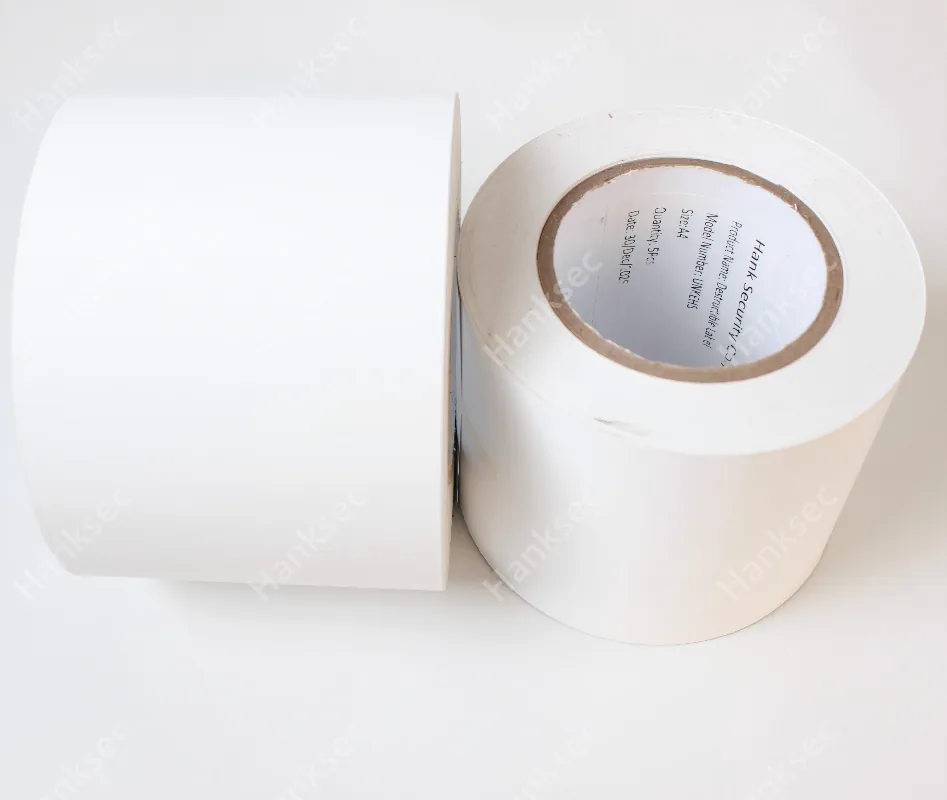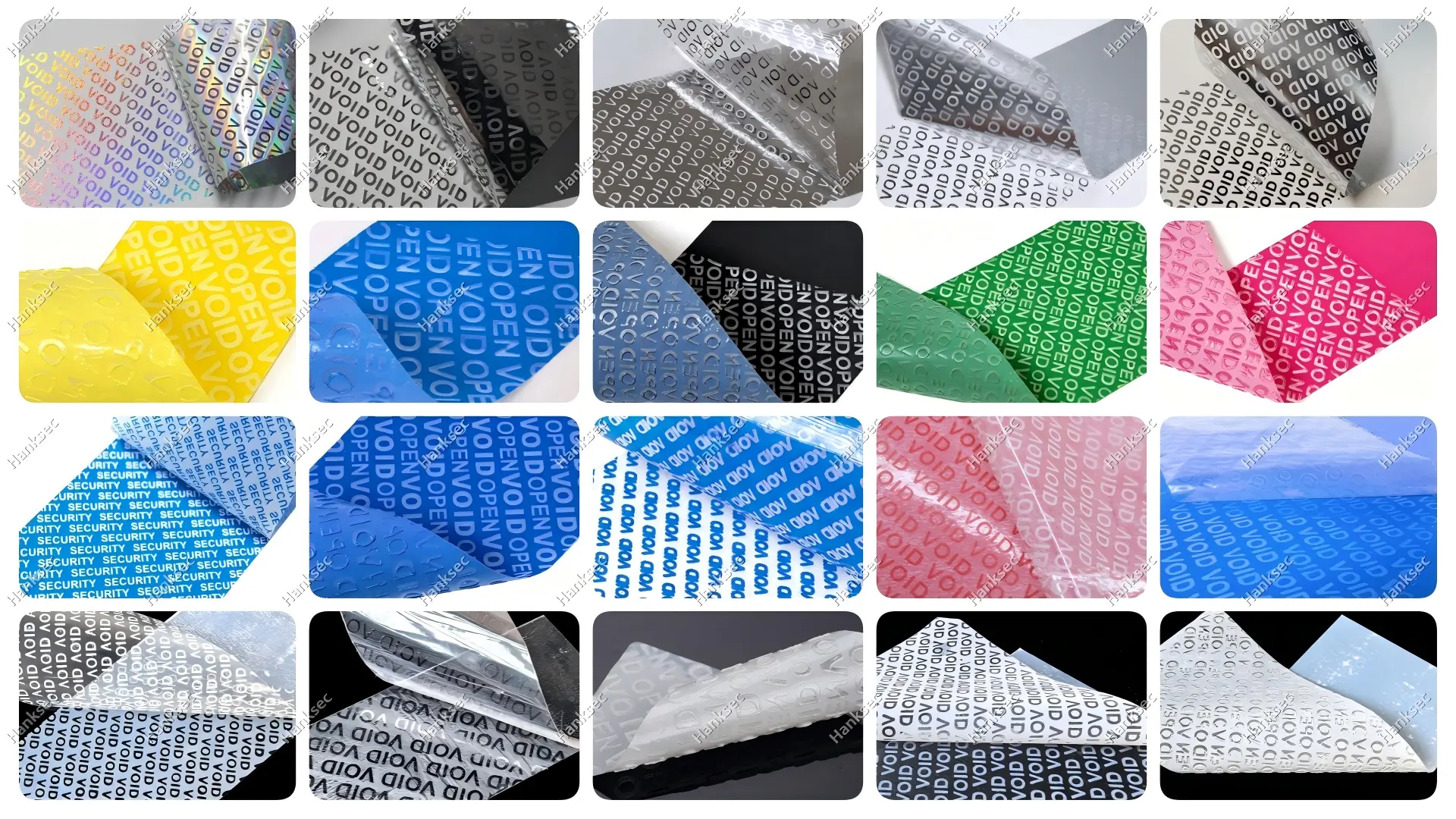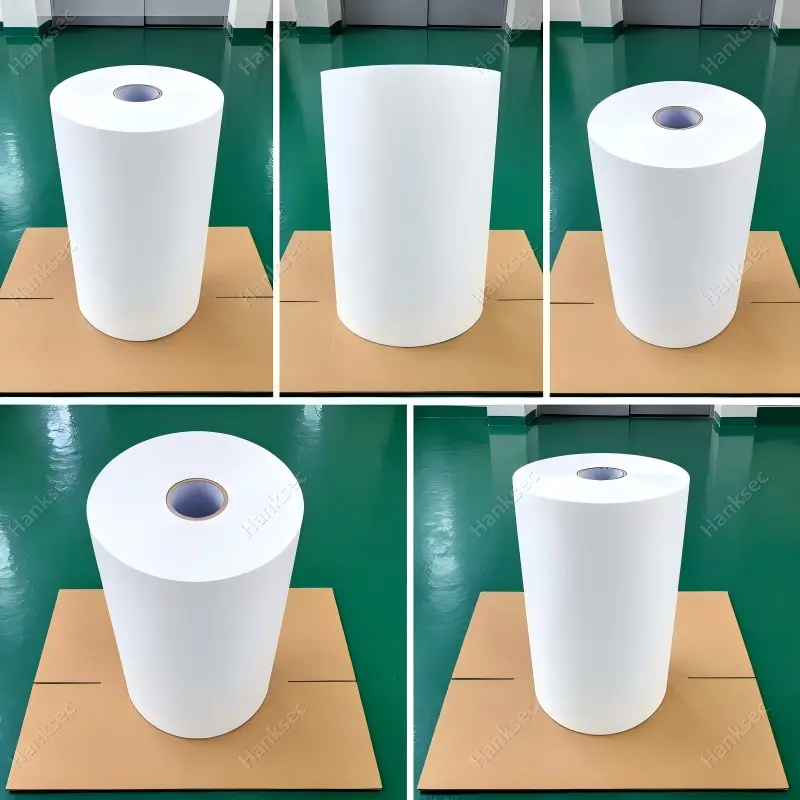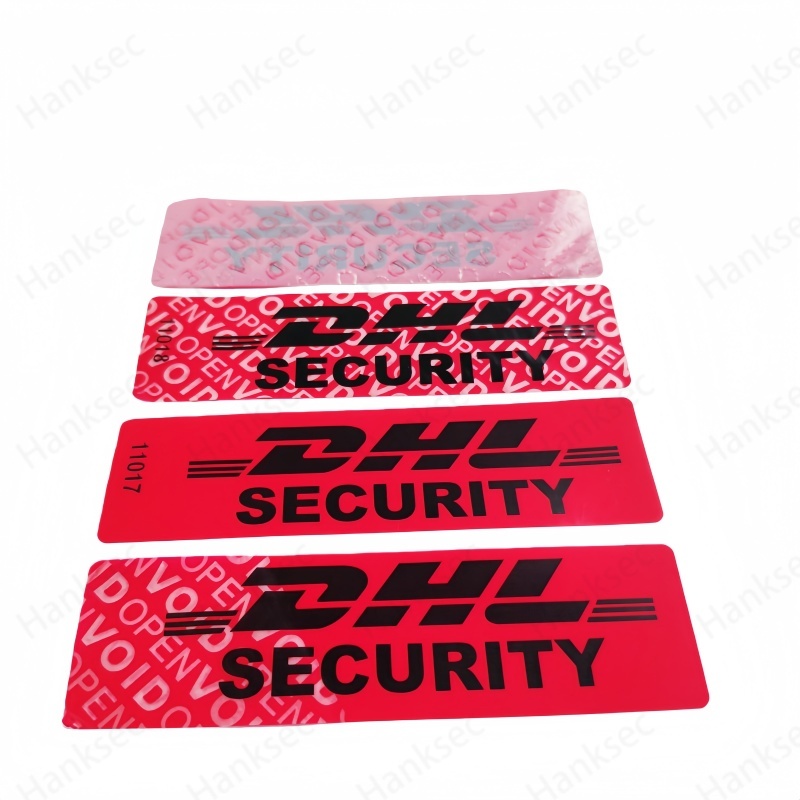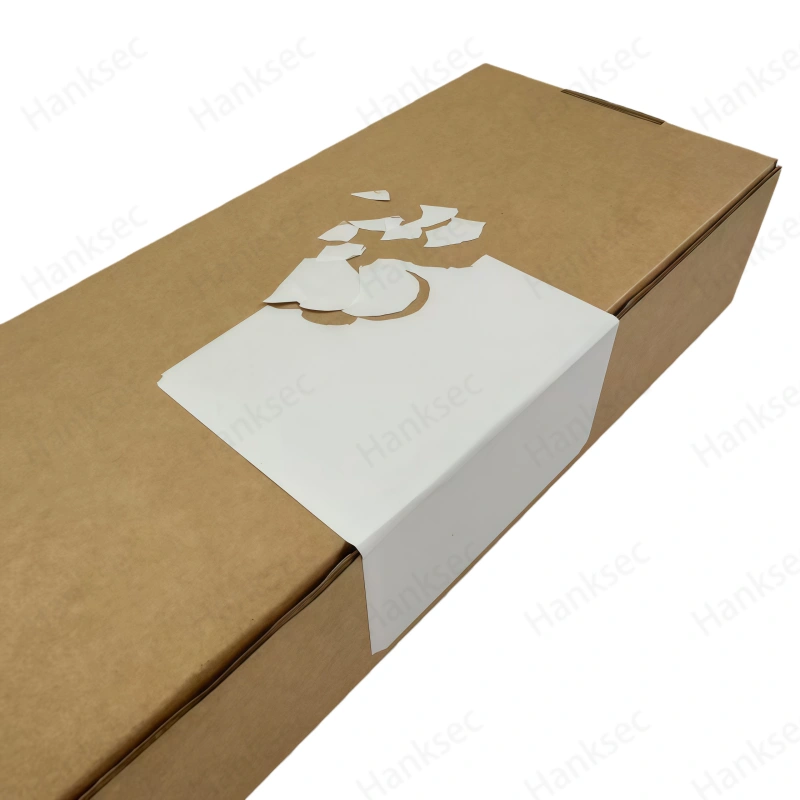
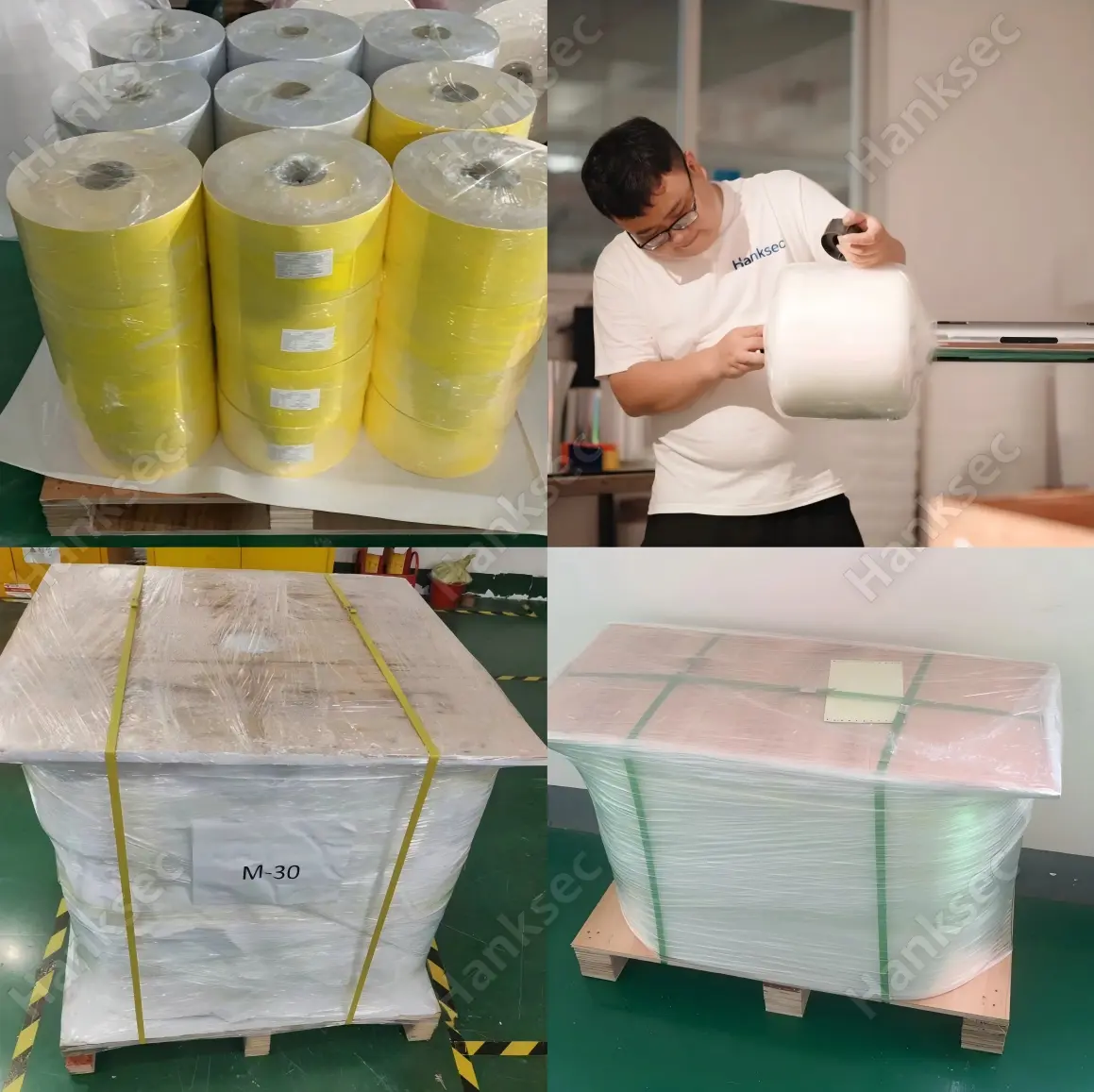
VOID label material rolls are supplied to label converters, security printers and packaging manufacturers that want to print, die-cut, slit or rewind tamper-evident materials in-house.
For converters, the first decision is not simply the color of the VOID film. The correct construction depends on five factors: transfer type, application substrate, adhesive system, printing method and roll format.
A material that works well on a coated carton may perform differently on PP, PE, glass or painted metal. For this reason, Hanksec recommends confirming the complete material construction on the actual application surface before bulk production.
Quick Selection Matrix for VOID Label Material Rolls
| Material Construction | Tamper Result | Residue on Substrate | Typical Application | Converter Selection Point |
|---|---|---|---|---|
| Full Transfer VOID | Security message transfers strongly to the applied surface | Yes | Cartons, warranty seals, high-value packaging | Choose when visible permanent residue is required |
| Partial Transfer VOID | Tamper evidence appears on both film and substrate | Partial | Electronics, logistics, retail packaging | Choose when evidence is needed on both sides |
| Non-Transfer VOID | VOID / OPENED message appears mainly on the removed film | Normally clean | Glass, electronics, reusable or premium surfaces | Choose when substrate cleanliness matters |
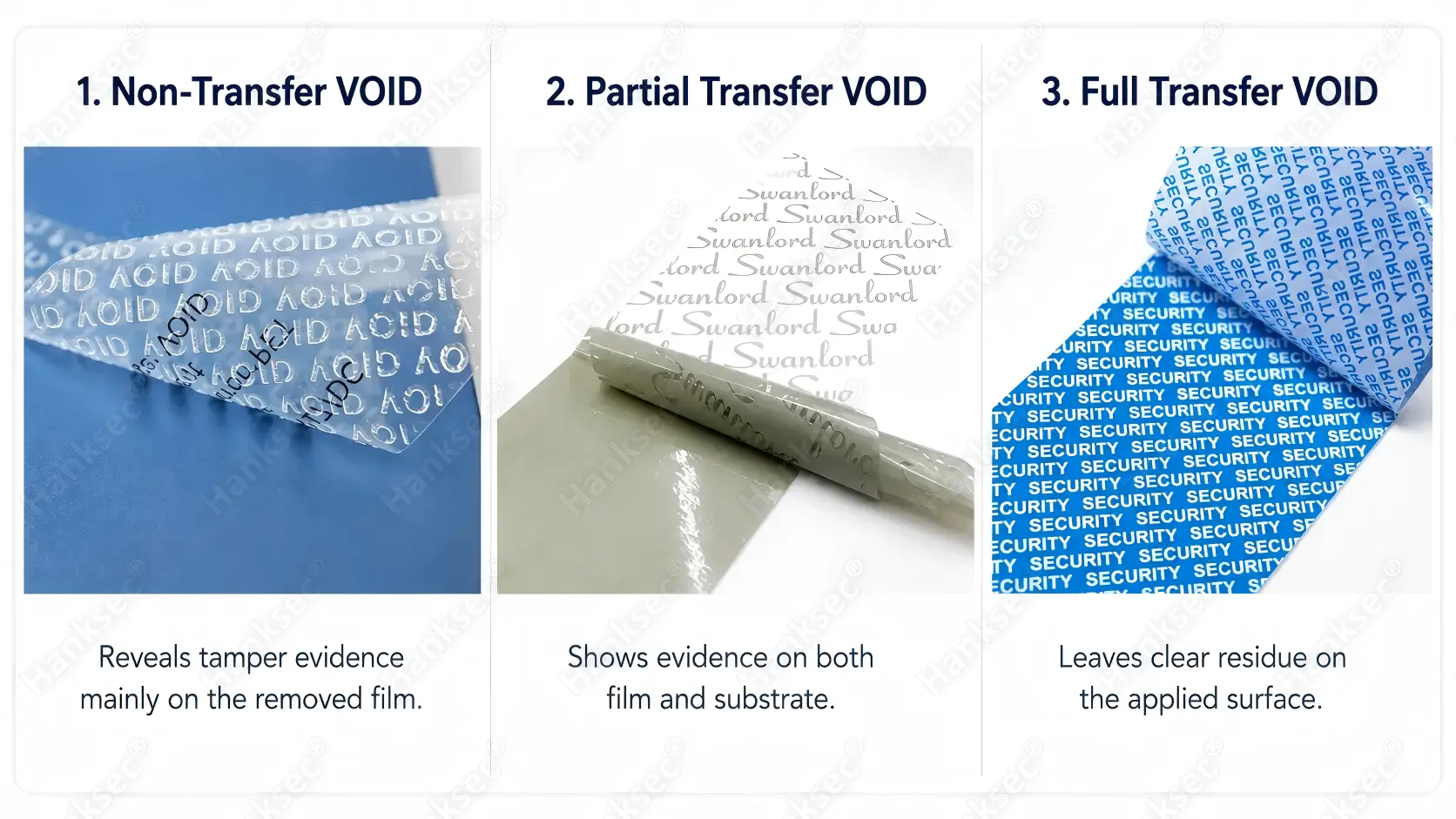
Fast selection rule: use full transfer when permanent residue is important, partial transfer when inspection of both surfaces is preferred, and non-transfer when the application surface should remain relatively clean.
For a deeper explanation of the security-layer mechanism, see the VOID Label Material Guide.
Technical Specifications Buyers Should Confirm
A buyer should not approve VOID material only by appearance or peel effect. A converter-ready specification should define the complete material stack.
| Parameter | Typical Options | What the Buyer Should Confirm |
|---|---|---|
| Security Construction | Full / Partial / Non-Transfer | Required residue and inspection result |
| Facestock | Primarily PET security film; other constructions by project | Durability, flexibility and printing requirement |
| Typical PET Thickness | 23 / 36 / 50 μm | Printing, die cutting and final label stiffness |
| Surface | Silver / White / Transparent / project-specific colors | Artwork contrast and final appearance |
| Hidden Security Message | VOID / OPENED / VOIDOPEN / custom text or logo | Standard or customized security pattern |
| Adhesive | Pressure-sensitive acrylic system selected by application | PP, PE, PET, glass, metal, coated carton or other substrate |
| Release Liner | Glassine / PET depending on construction | Die cutting, dispensing and machine compatibility |
| Printable Surface | Standard / primer / inkjet-receptive coating depending on process | Actual printer and ink system |
| Supply Format | Jumbo roll / slit roll / sheet / finished label | Converter production workflow |
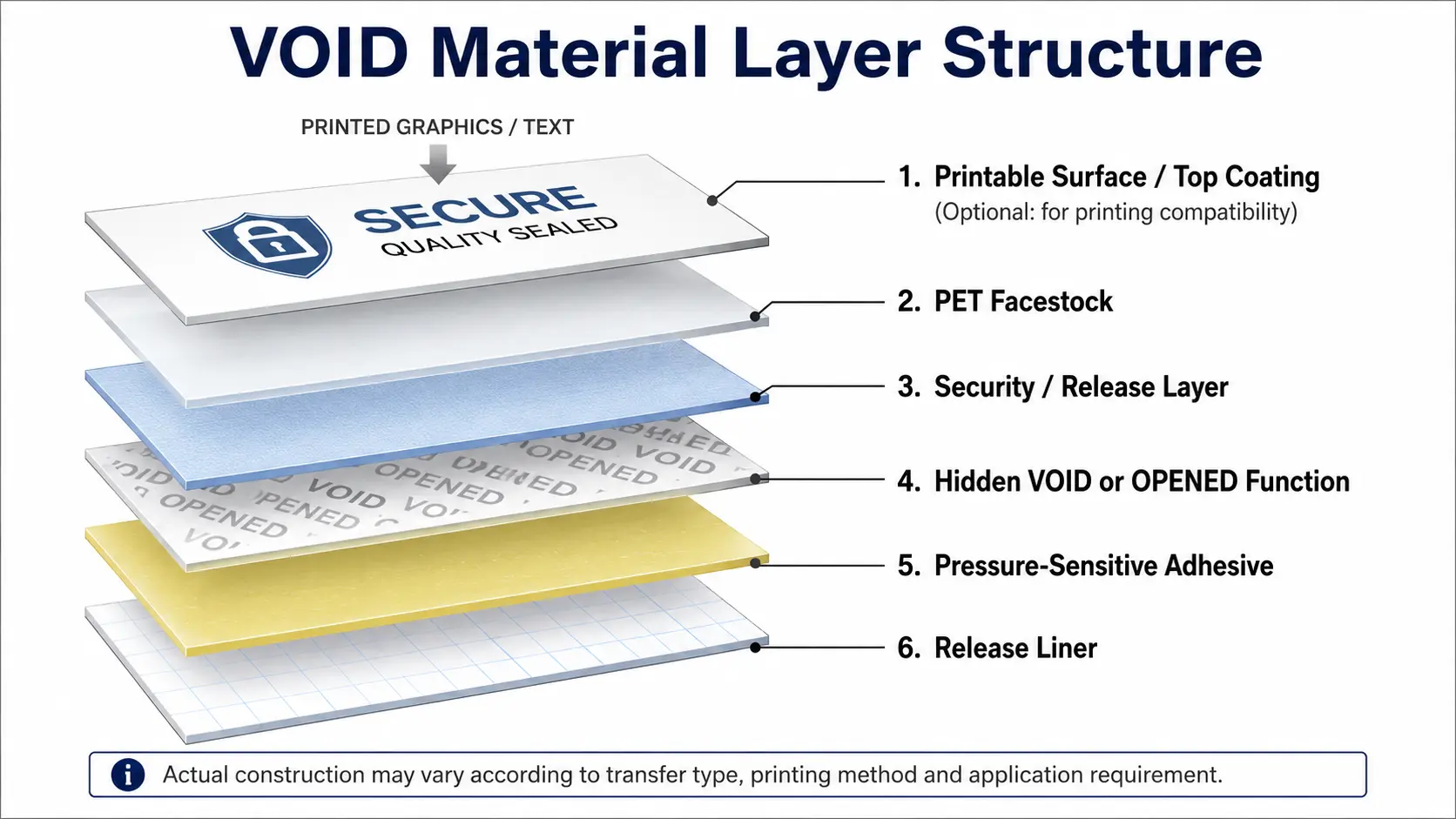
The values above are selection directions rather than a universal specification. Final material structure should be confirmed against the buyer’s printing process, converting equipment and application substrate.
Jumbo Roll vs Slit Roll: Which Format Should a Converter Buy?
| Supply Format | Best For | Buyer Must Confirm |
|---|---|---|
| Jumbo Roll / Master Roll | Converters with internal slitting and rewinding capability | Usable width, roll OD, core requirement, liner and winding |
| Slit Roll | Converters wanting narrower production-ready material | Final roll width, winding direction, core ID and roll length |
| Sheet Material | Sampling, prototyping or sheet-fed converting | Sheet size and flatness requirement |
| Finished Labels | Buyers without internal printing or die cutting | Label size, artwork, printing, quantity and roll configuration |
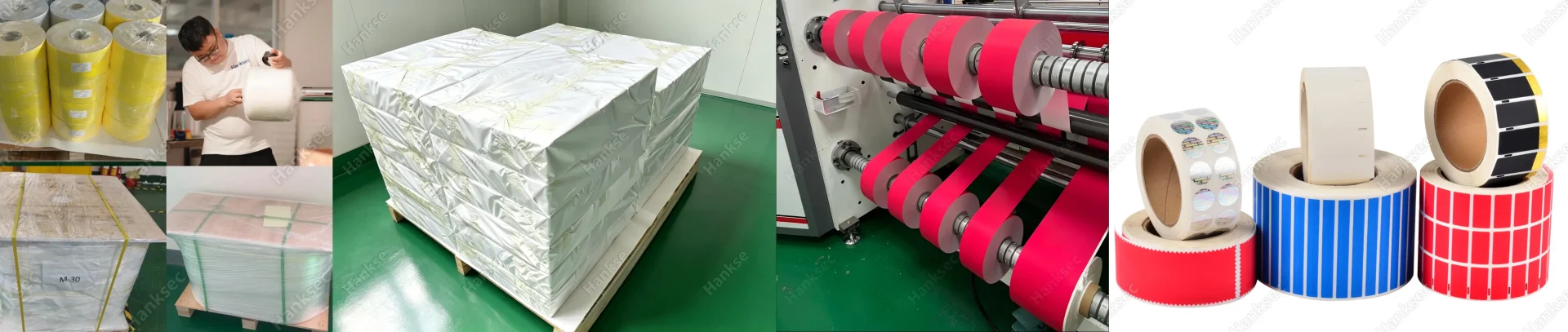
For label converters sourcing VOID label material rolls, jumbo roll supply is normally useful when the factory wants maximum control over slitting, printing, die cutting and downstream production. Slit roll is more suitable when the converter wants material supplied closer to the required machine width.
Before production, the buyer should specify roll width, core size, maximum roll diameter, winding direction, liner type and required roll length. These parameters should match the converter’s printing, die-cutting and rewinding equipment.
Full, Partial or Non-Transfer: Do Not Select by Price Alone
Full Transfer VOID Material
Full-transfer material is selected when the buyer wants strong visible evidence remaining on the substrate after removal. It is commonly evaluated for cartons, warranty seals, electronics packaging and other applications where permanent residue is acceptable.
Buyers should verify residue clarity, adhesive bonding and whether the transferred message remains readable on the actual substrate.
Partial Transfer VOID Material
Partial-transfer material divides the tamper evidence between the removed film and the applied surface. It is useful where operators need to inspect both surfaces after an opening attempt.
The key qualification points are split consistency, message clarity, adhesive balance and repeatability between production lots.
Non-Transfer VOID Material
Non-transfer material is intended for applications where the tamper message should appear on the removed film while the substrate remains relatively clean.
This construction is often considered for electronics, glass, reusable containers and premium surfaces where visible adhesive residue may be undesirable.
Buyers evaluating clean-removal applications can also review Hanksec’s Non-Transfer VOID Security Material.
Adhesive Selection Depends on the Actual Substrate
The same VOID label material rolls can perform differently on PP, PE, HDPE, PET, glass, coated carton or powder-coated metal because adhesive behavior depends on the actual substrate.
Surface energy, roughness and contamination all affect adhesive wet-out and final bond strength. Low-surface-energy plastics such as PP and HDPE can require a different adhesive direction from PET or glass.
Material suppliers also distinguish adhesive systems according to substrate surface characteristics and end-use requirements. For additional background on adhesive and substrate compatibility, see Avery Dennison’s adhesive selection guidance.
| Application Surface | Main Risk | What to Test |
|---|---|---|
| PP / PE / HDPE | Low surface energy, weak wet-out | Initial tack, dwell adhesion, edge lifting |
| PET | Coating or contamination | Peel, VOID activation, print compatibility |
| Glass | Condensation or cleaning residue | Cold-condition adhesion and clean removal |
| Coated Carton | Varnish, recycled fiber, roughness | VOID transfer and edge lifting |
| Metal | Oil, coating or surface texture | Bond strength and residue behavior |
This is why a laboratory peel value alone should not be treated as proof of final tamper performance. ASTM D3330/D3330M can be used as a pressure-sensitive tape peel-adhesion quality-assurance method, but the finished security construction still needs application-specific testing.
For more detail on how coating, carrier, adhesive and release layers interact, see Hanksec’s security label material system technical guide.
Printing and Converting Compatibility
Converters should tell the material supplier how the roll will be processed before ordering.
Important production information includes:
- flexographic, UV, thermal-transfer, digital or pigment-inkjet printing;
- printer and ink model;
- corona, primer or printable top-coating requirement;
- die-cutting method;
- slitting and rewinding process;
- barcode, QR code or serial-number requirement;
- finished label size and gap;
- automatic or manual application.
A material that passes through a printer is not automatically production-ready. Ink adhesion, die-cutting stability, liner release and final tamper response should all be checked on the complete converted label.
Converters using pigment inkjet systems can review the Inkjet Printable Label Materials Guide before requesting samples.
OEM and Custom VOID Material Capabilities
Hanksec can evaluate VOID label material rolls for standard and customized security projects.
| Customization Item | Available Direction |
|---|---|
| Security Pattern | VOID / OPENED / VOIDOPEN / custom logo or text |
| Transfer Type | Full / Partial / Non-Transfer |
| Facestock | Different film thicknesses, colors and surface constructions |
| Adhesive | Matched to the actual application substrate |
| Release Liner | Glassine or PET depending on converting requirement |
| Printing Surface | Primer or special printable coating where required |
| Roll Format | Jumbo roll, slit roll or other converter-ready format |
| Variable Information | Barcode, QR code, serial number or project-specific printing |
Procurement Notes
- MOQ: Depends on stock material, roll format and custom construction.
- Samples: Standard material samples can be provided for compatibility testing; custom constructions may require sample or tooling costs.
- Lead Time: Confirm according to stock availability, customization and roll specifications.
For custom brand-specific VOID structures, buyers can also review Hanksec’s Custom Brand Protection VOID Materials.
What Should Buyers Send Before Requesting a Sample Roll?
Before requesting VOID label material rolls for testing, buyers should provide the actual substrate, transfer requirement, printing process and roll specifications.
| Required Information | Example |
|---|---|
| Application substrate | PP box / PET bottle / coated carton / glass |
| Transfer requirement | Full / Partial / Non-Transfer |
| Material color | Silver / White / Transparent |
| Printing method | Flexo / UV / Epson pigment inkjet |
| Material or roll width | Required converter width |
| Core and winding | According to machine specification |
| Application environment | Room temperature / cold storage / elevated heat |
| Estimated quantity | Trial order or bulk-production requirement |
If possible, buyers should also provide a sample of the actual carton, plastic, glass or metal surface. Testing the real substrate is more useful than approving a security material only from a generic data sheet.
Pre-Production Qualification Checklist
Before bulk production, a VOID label material roll should be checked for:
- initial adhesion;
- 24-hour or project-defined dwell behavior;
- peel adhesion;
- VOID / OPENED message clarity;
- full, partial or non-transfer consistency;
- edge lifting;
- printing and rub resistance;
- liner release;
- die-cutting and rewinding stability;
- reapplication resistance;
- temperature and humidity behavior where required.
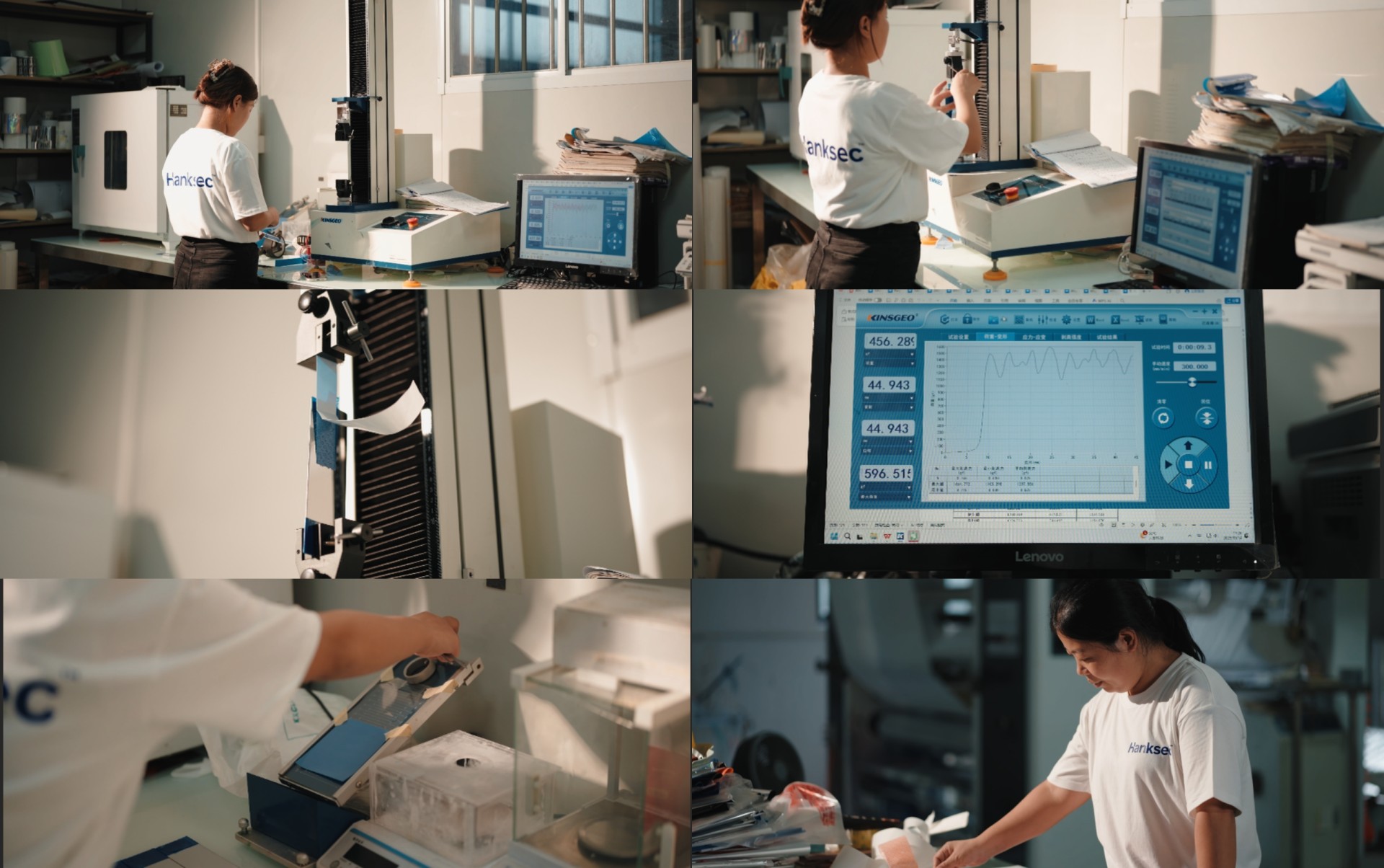
The final approval should be based on the complete combination of facestock + security layer + adhesive + liner + printing + converting + substrate.
Technical FAQ
Can VOID label material rolls be supplied as jumbo rolls?
Yes. Jumbo-roll supply can be evaluated for label converters that perform their own slitting, printing, die cutting and rewinding. Final roll width, core, roll diameter, liner and winding requirements should be confirmed before production.
Should a converter choose full, partial or non-transfer VOID material?
Full transfer is suitable when strong residue on the substrate is required. Partial transfer provides evidence on both surfaces. Non-transfer is more suitable where the substrate should remain relatively clean. The final choice should be verified on the actual application surface.
Can blank VOID label material be printed by the converter?
Yes, but the surface construction must be compatible with the intended printing process and ink system. Printing, ink adhesion, die cutting and final VOID performance should be qualified together before bulk production.
Can one adhesive work on PP, PET, glass and coated cartons?
Not necessarily. Surface energy, roughness, coatings and contamination affect adhesive performance. The adhesive system should be selected according to the real substrate rather than assuming one construction will perform equally on every surface.
What should a buyer provide before requesting samples?
Provide the application substrate, transfer type, material color, printing method, roll width, winding requirement, operating environment and estimated quantity. Providing the actual substrate sample can significantly improve material-selection accuracy.
Request a VOID Material Sample Roll & Technical Data
For a faster material recommendation, send Hanksec the application substrate, required transfer type, printing method, roll width and estimated quantity.
Hanksec can evaluate suitable VOID label material rolls and prepare a material construction for sample testing before bulk production.