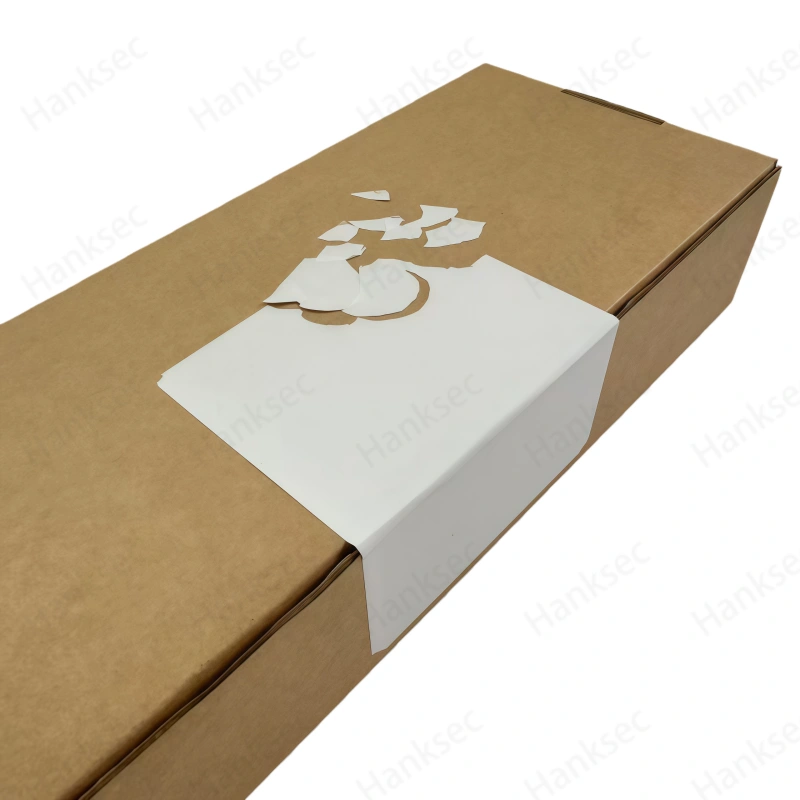
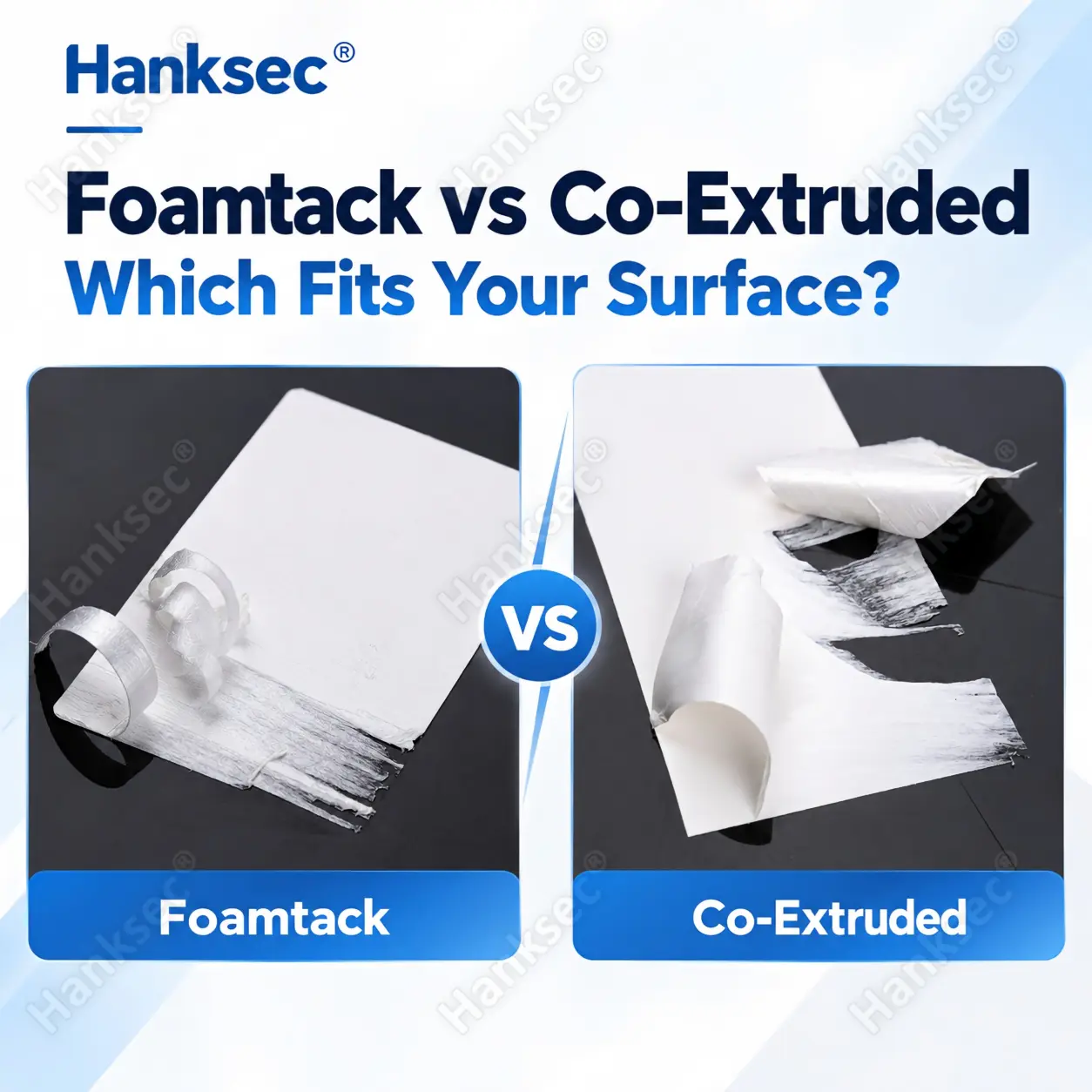
Quick Answer: Foamtack vs co-extruded destructible labels is mainly a choice between surface conformity and controlled film handling. Foamtack constructions are useful when a rough or textured surface makes intimate contact difficult. Co-extruded destructible films are often a practical starting point for larger labels, stable converting and automatic application. Neither is automatically more secure: the adhesive must bond well enough for the finished label to break when removal is attempted.
Foamtack vs Co-Extruded Destructible Labels: Quick Comparison
| Selection Point | Foamtack Destructible Material | Co-Extruded Destructible Film |
|---|---|---|
| Main design priority | Surface contact on uneven substrates | Balance of breakage and handling strength |
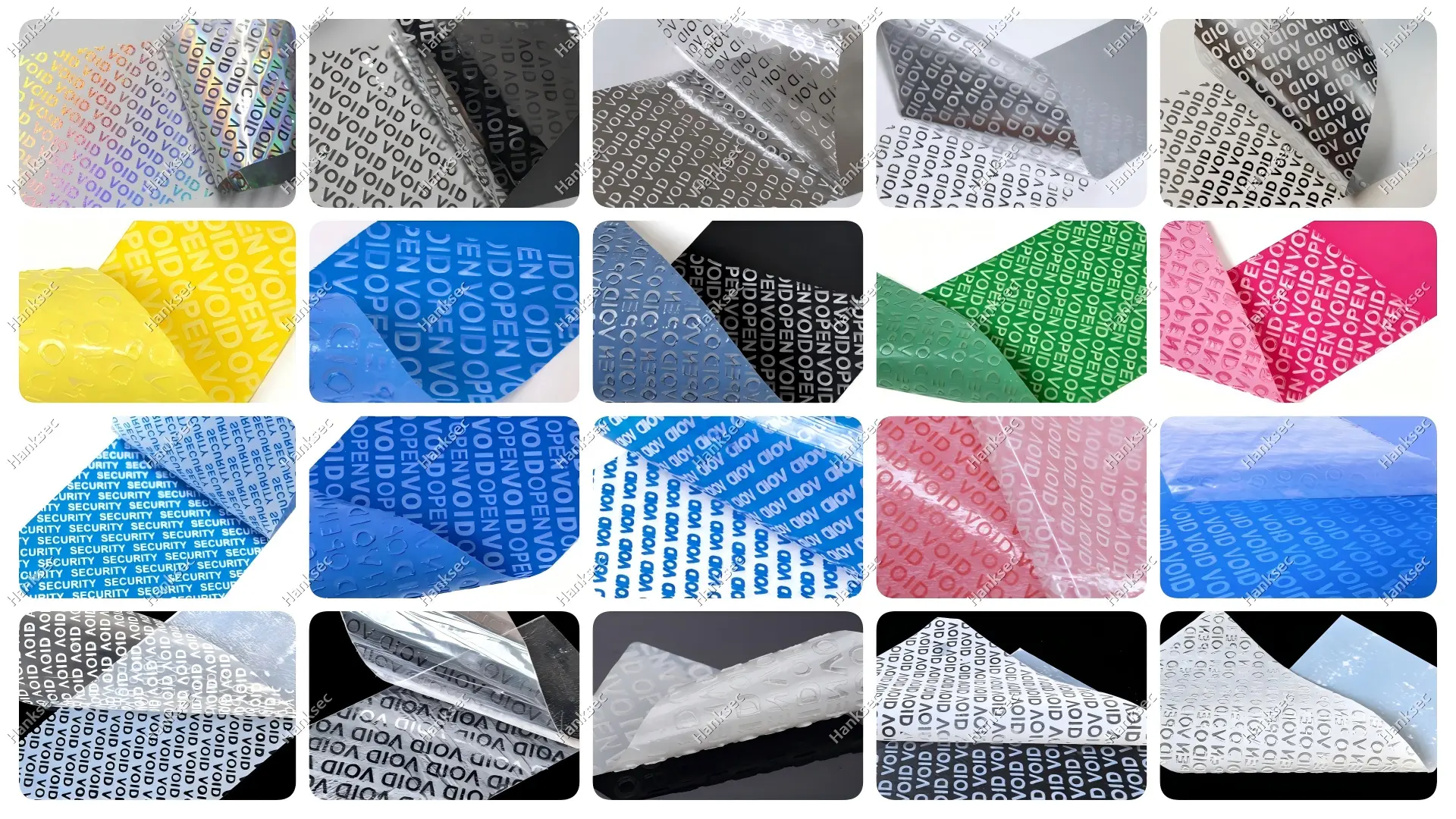
| Construction direction | Foam-based/conformable layer with destructible function | Engineered multi-layer film with adjustable destructibility |
| Typical starting surfaces | Textured plastic, slightly uneven panels, rough cartons | Smooth or moderately curved housings, flat equipment panels |
| Converting priority | Check compression, cutting depth and edge stability | Check fragmentation grade, matrix stripping and dispensing |
| Main risk to investigate | Incomplete adhesion despite apparent contact | Film lifts intact or breaks during converting |
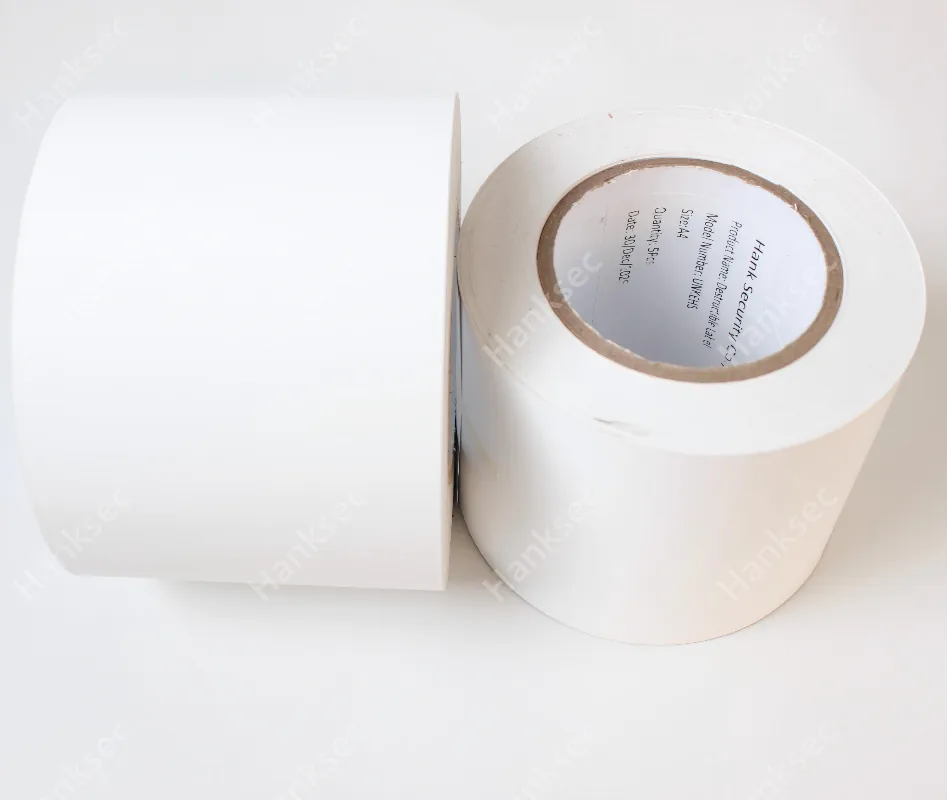
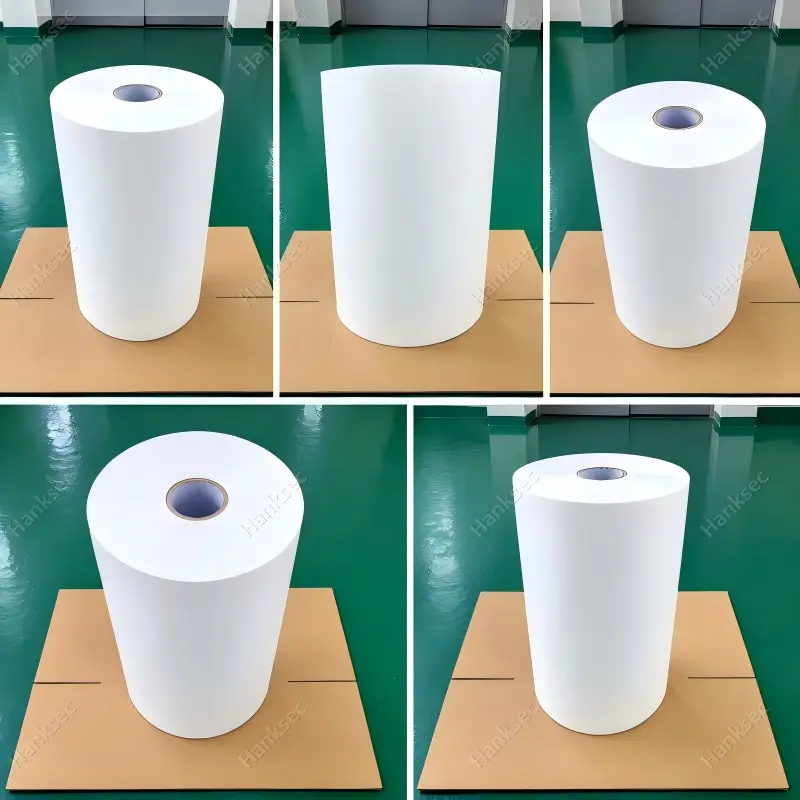
| Supply format | Jumbo rolls or slit rolls for converters | Jumbo rolls or slit rolls for converters |
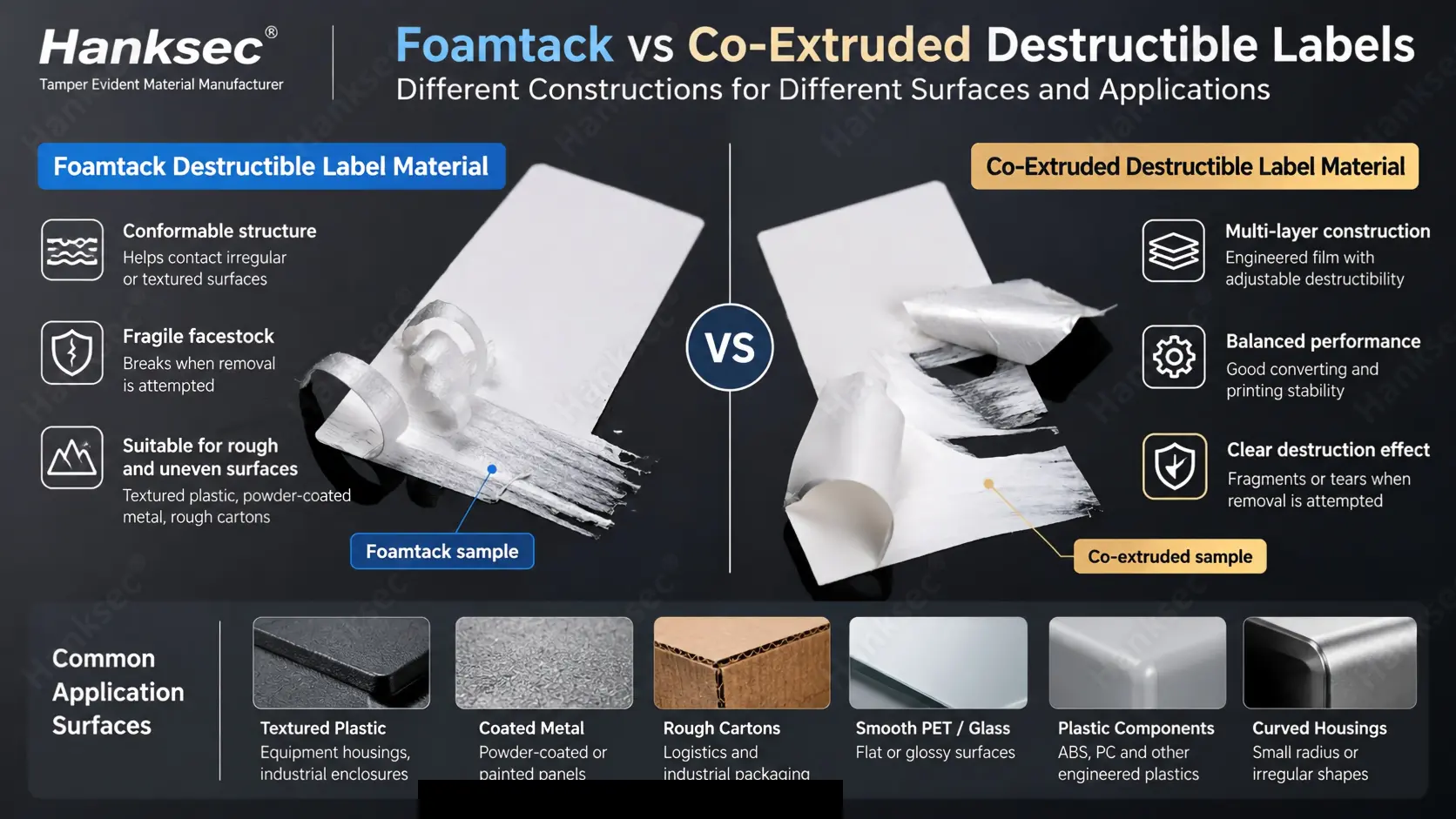
Selection rule: Start with the real surface, then confirm the required breakage effect, label size and converting method. The table describes material directions, not guaranteed performance on every substrate.
How Foamtack Destructible Material Works on Rough Surfaces
A thin, relatively stiff label may bridge over fine surface texture instead of making full adhesive contact. This can become a problem on molded plastic, powder-coated metal or uneven packaging.
Hanksec Foamtack Destructible Label Material uses a foam-based construction intended to improve contact with such irregularities. Its fragile functional material is designed to show visible damage when removal is attempted.
This does not mean foam automatically solves every adhesion problem. A low-surface-energy PP or PE housing, silicone contamination or an oily panel may still need a different adhesive system or surface preparation. Final approval must use the actual substrate.
Best starting applications: textured equipment housings, irregular industrial packaging and selected component-security seals.
Why Choose Co-Extruded Destructible Film?
A co-extruded destructible film uses an engineered multi-layer construction to adjust breakage behavior while maintaining enough handling stability for downstream production.
Hanksec Co-Extruded Destructible Label Material is positioned for equipment labels, asset identification, electronics warranty seals and projects where printing, die cutting and automatic dispensing matter.
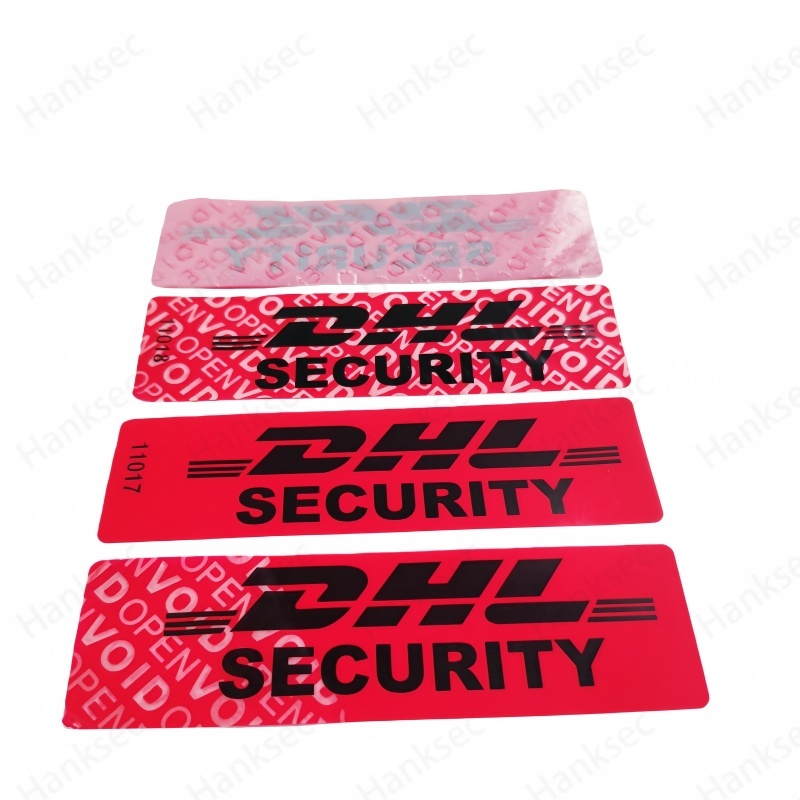
Compared with very fragile single-layer films, a suitable co-extruded grade may offer a wider processing window. However, the finished label must still show the agreed physical damage after an attempted removal. A material that converts cleanly but peels off intact is not a successful security solution.
Best starting applications: larger flat labels, machinery identification, production-line security labels and automated labeling projects.
Which Material Fits Your Application Surface?
Textured ABS or coated metal: Trial Foamtack when thin-film contact is incomplete. Compare edge lifting and removal damage after a consistent dwell period.
Smooth PET, glass or painted panels: A co-extruded grade may be an efficient first trial, particularly for medium or larger labels. Confirm the required fracture behavior on the specific finish.
PP or PE plastic: Do not select by foam thickness alone. Verify adhesive compatibility with the actual low-surface-energy substrate for either construction.
Curved or small housings: Evaluate the label’s bending stress, corner lifting and premature cracking. Neither construction is universally best for tight radii.
Rough cartons: Consider the texture and whether paper-fiber tearing is acceptable. Test whether the label destroys as specified rather than detaching with surface fibers.
The useful question is not “Which label is stronger?” but “Which complete construction fails visibly in the intended way on this actual surface?”
Printing and Die Cutting: What Converters Should Check
For B2B converters, a successful material must survive production before it is expected to break during tampering.
Foamtack: A thicker conformable construction can change cutting depth, edge compression, label feeding and liner separation. Check print quality, matrix stripping and finished-label flatness.
Co-extruded film: Match destructibility grade to label size and speed. Check web tension, die pressure, matrix breaks and whether the film cracks before application.
For both materials, verify printing-ink or ribbon compatibility, barcode readability, release force and roll consistency. Hanksec’s Destructible Label Material Rolls Guide explains how brittleness grade and converter requirements affect material selection.
How to Test Before Bulk Production
A simple side-by-side trial should use the same actual substrate and realistic label dimensions.
- Apply both candidate constructions with recorded pressure, surface preparation and temperature.
- Keep application dwell time, peel angle and removal speed consistent for comparison.
- Inspect edge lifting, adhesive contact and the final fracture or peeling pattern.
- Test converted—not only unconverted—samples after printing, die cutting and matrix stripping.
- Repeat after relevant storage or temperature exposure and document the results.
Peel-adhesion data is useful, but it does not alone prove destructible performance. The ASTM D3330/D3330M peel-adhesion method describes adhesive testing, while 3M’s destructible vinyl application guidance also emphasizes adequate bonding and pre-testing on the intended surface.
For broader quality checks, see the Security Label Material Quality Control Guide.
What Should Buyers Tell a Material Manufacturer?
To compare Foamtack and co-extruded material efficiently, send the application surface and coating, photographs of its texture, required breakage behavior, finished label dimensions, print method, converting equipment, service environment and required jumbo-roll or slit-roll specifications.
Hanksec can review these requirements and recommend sample constructions for converters to evaluate before production. Final adhesive, liner, thickness and destructibility grades should be confirmed against project requirements rather than assumed from a generic material name.
Frequently Asked Questions
Is Foamtack always better on rough plastic?
No. Its conformable structure can help surface contact, but low surface energy, contamination and adhesive chemistry can still prevent the required bond. Test the real plastic.
Is co-extruded destructible film easier to die-cut?
A properly selected grade can provide better handling than an ultra-fragile film. The result depends on thickness, destructibility, label geometry, liner and press settings.
Can both materials be supplied in rolls?
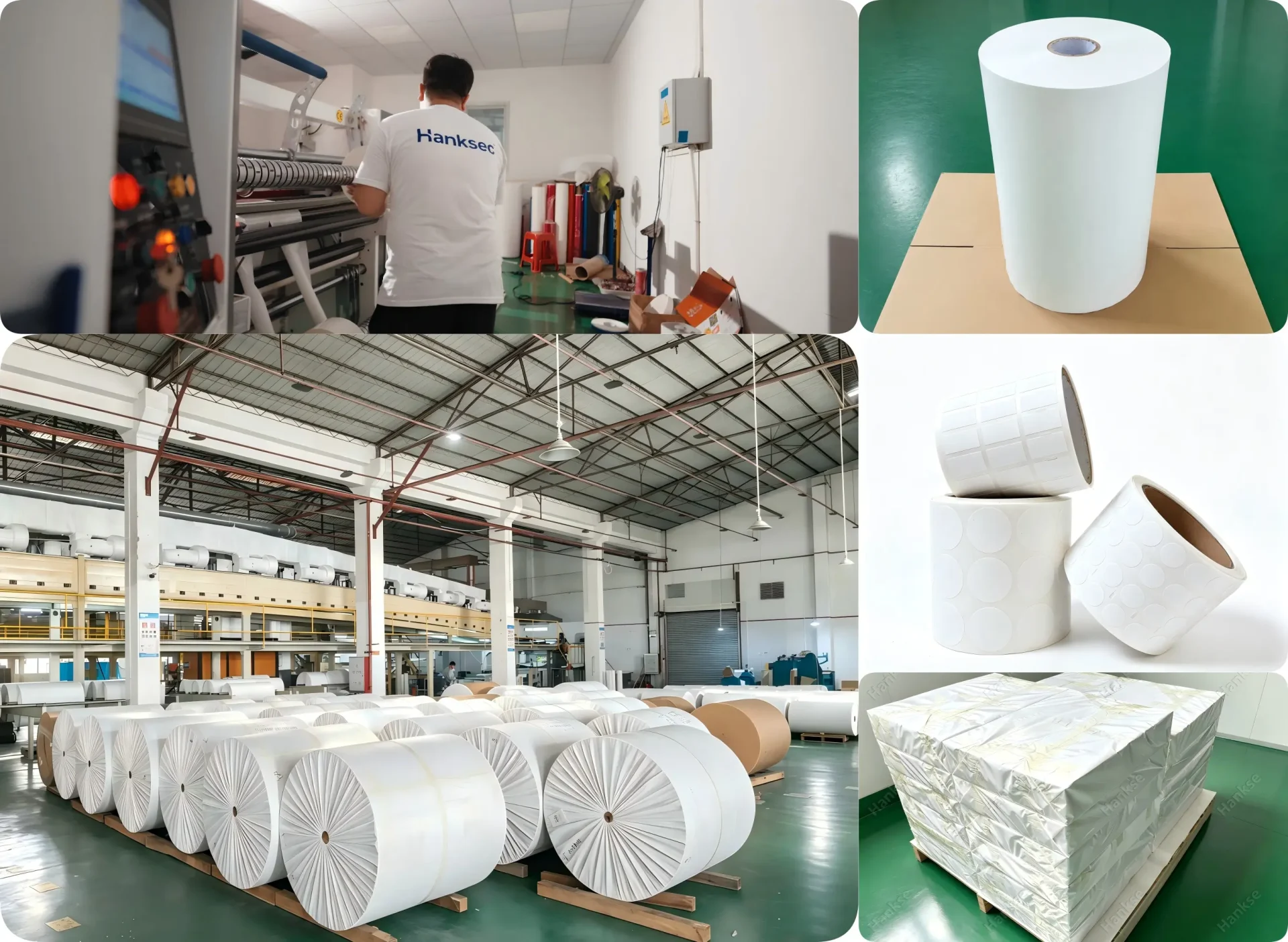
Yes. Hanksec offers Foamtack and co-extruded material options for converter-ready jumbo rolls or slit rolls; specifications are agreed for each project.
Why does a destructible label peel off intact?
The adhesive-to-substrate bond may be weaker than the force needed to fracture the label. Check surface contamination, application pressure, dwell time, adhesive selection and the actual breakage grade.
Need Help Selecting Foamtack or Co-Extruded Material?
Hanksec® manufactures tamper-evident label materials for label converters, security printers and material distributors. Share your substrate, required tamper effect, printing method and roll specifications. Our technical team can recommend suitable sample constructions for application and converting trials.
REQUEST DESTRUCTIBLE MATERIAL SAMPLES →
Hanksec® | Tamper Evident Security Label Materials Manufacturer · Jumbo Rolls · Slit Rolls · Custom Material Solutions