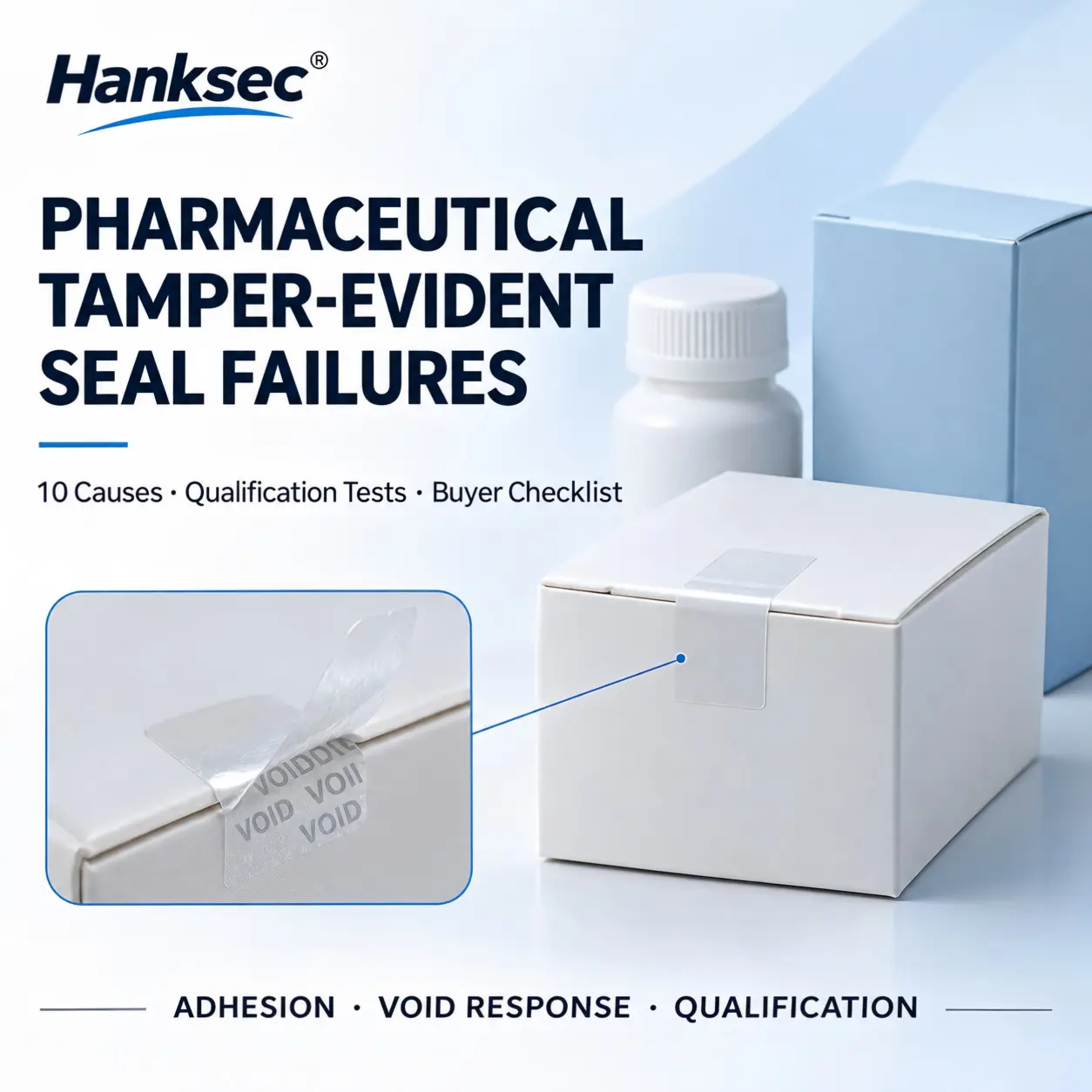
Quick Answer: Pharmaceutical tamper-evident seal failures occur when the finished seal-and-package system does not produce the specified, repeatable opening evidence under actual manufacturing, storage or handling conditions. Common causes include poor adhesive wet-out, carton-coating release, incomplete VOID activation, incorrect facestock fracture, condensation, edge lifting, application-line variation and inconsistent converting. Buyers should investigate which interface fails first, then qualify the proposed material on real production cartons, bottles or other secondary packaging before approving bulk supply. A seal that lifts cleanly, a carton coating that detaches and a VOID layer that activates only partially require different corrective actions.
For pharmaceutical packaging manufacturers, security-label converters and purchasing teams, a label that feels strongly adhesive is not necessarily a successful tamper-verification feature. The critical question is whether an attempted opening creates the agreed evidence without causing premature failure during printing, application, distribution or ordinary handling.
This guide focuses on pressure-sensitive tamper-evident labels and tapes for medicinal-product secondary packaging and specified external closure surfaces. It does not address direct contact with a drug product, and it does not claim that an individual adhesive film automatically meets pharmaceutical regulations. Hanksec supplies security label and tape materials, including printable rolls for further converting, rather than validating a customer’s entire medicinal-product package. The final tamper-verification feature must be qualified by the responsible packaging organization.
What Does a Pharmaceutical Tamper-Evident Seal Failure Look Like?
A failure is any result that deviates from the approved closure and inspection specification. It can occur during production, before a consumer or inspector touches the package, or during an intentional opening test. An apparent failure may also arise when the packaging substrate itself changes unexpectedly, even though the security material has behaved as designed.
Consider three distinct outcomes. A seal lifting by itself during normal distribution is a premature bond failure. A seal that peels off cleanly during a controlled opening test is an evidence-activation failure. A seal that produces an expected VOID message but removes too much printed carton coating may be an unacceptable package-damage outcome. These outcomes require different corrective actions; replacing every problem with a more aggressive adhesive can make the situation worse.
Buyers should approve the expected condition of the untouched package, the intended response after opening, and the acceptable condition of surrounding artwork, printed codes and package components. The failure definition should therefore include both tamper evidence and normal-use durability.
Which Pharmaceutical Packaging Surfaces Are Most Likely to Cause Seal Failure?
Pharmaceutical cartons, bottles and transport packaging may look similar while presenting very different surfaces to a pressure-sensitive adhesive. Coating chemistry, recycled-fiber content, surface texture, molding additives, cleaning agents and temperature can all alter the bond and the location of separation.
| Package Surface | Typical Risk | What to Qualify |
|---|---|---|
| Varnished folding carton | Adhesive releases from varnish; varnish lifts from board | Final print-and-varnish batch, seal position, coating attachment |
| Recycled or uncoated board | Dust, porous texture, fiber tear, variable surface strength | Board batches, dust level, fiber damage and VOID readability |
| PP / HDPE bottle or closure | Lower surface energy and variable molding surface | Actual resin, additives, curvature, dwell adhesion |
| PET, glass or coated metal | Cleaning residue, condensation, unexpected adhesive traces | Cleaning method, wet/dry condition, visible evidence after removal |
| Flexible overwrap / pouch film | Film deformation, low-energy interface, closure geometry mismatch | Actual film construction and complete closure design |
A security seal approved on standard stainless steel or laboratory glass is not automatically qualified for a laminated pharmaceutical carton. To compare adhesive choices across real packaging surfaces, use Hanksec’s Tamper Evident Label Adhesive Guide. The guide addresses substrate selection; the present article addresses failure diagnosis and procurement acceptance.
10 Common Causes of Pharmaceutical Tamper-Evident Seal Failures
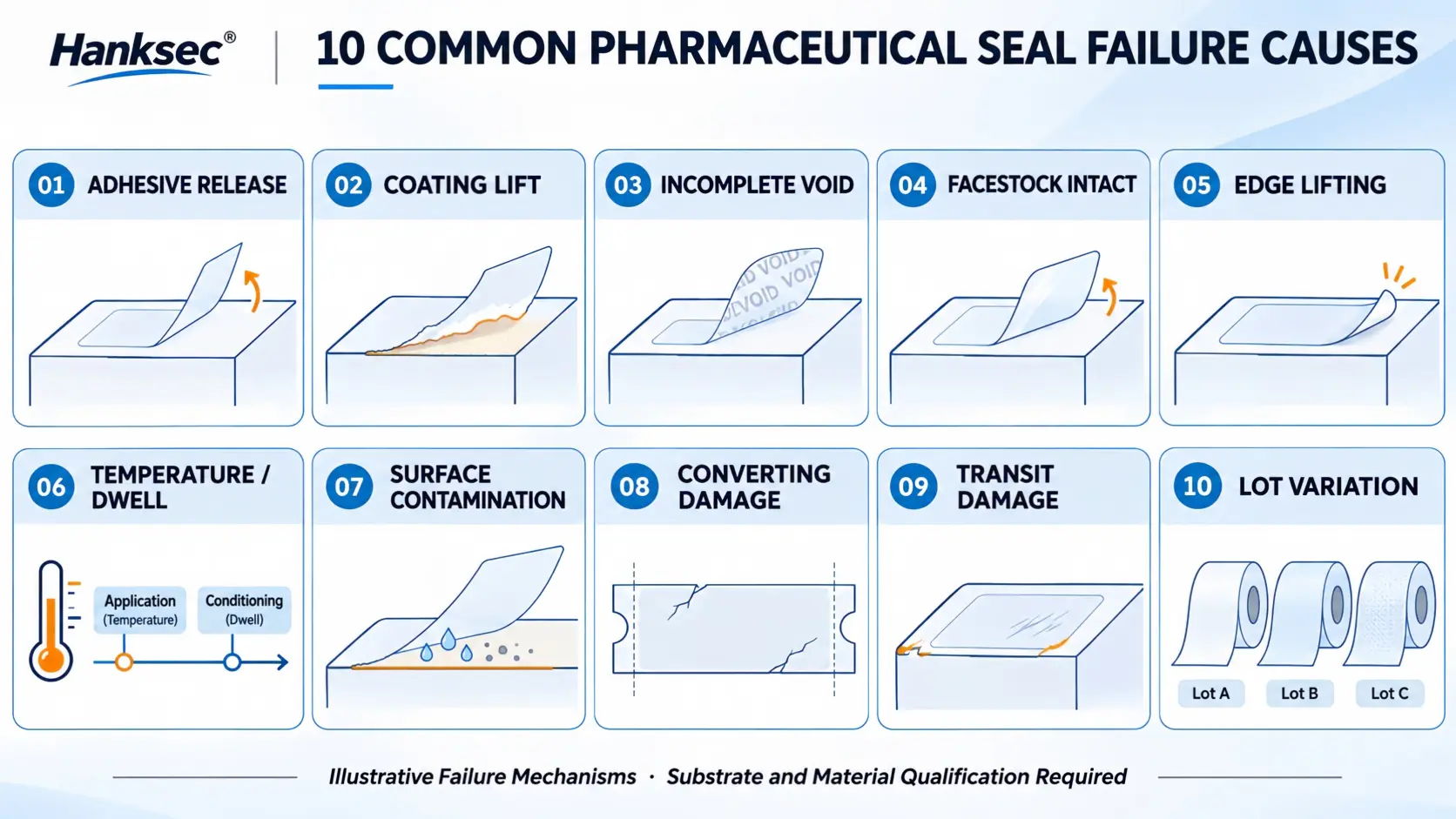
Why Does a Pharmaceutical Seal Peel Off Cleanly? Adhesive Wet-Out
Pressure-sensitive adhesive must make adequate intimate contact with the substrate. Rough fibers, coating texture and low-surface-energy polymers can limit that contact even when a seal feels tacky to a finger. A buyer may see clean film removal, incomplete VOID evidence or lifting at corners. First check: compare the actual package surface, application pressure and dwell against an approved reference sample. Increasing adhesive coat weight without identifying the failure plane may create a new problem.
For a PP or HDPE bottle, ask whether the trial used the same molding resin, color concentrate, slip additives and surface geometry as production. For a folding carton, ask whether the sample included the final printing and varnish. An adhesive matched to an artificial trial substrate can fail when the commercial package arrives.
Why Does Carton Varnish Lift When a Seal Is Peeled?
When a seal is bonded to varnished board, the effective stack includes the paper substrate, ink, coating, adhesive and security film. During peeling, the weakest plane may be the varnish-to-board interface rather than the intended security layer. The operator may see large flakes of coating pulled away or apparently strong adhesion with little readable VOID evidence.
Coating lift should not automatically be recorded as successful tamper activation. It may be visible damage, but it can obscure required opening evidence or damage mandatory carton printing. Ask the carton supplier about coating adhesion and whether a compatible, unvarnished seal zone is feasible within the approved packaging artwork.
Why Is the VOID Message Incomplete After Peeling?
A VOID construction relies on controlled separation among functional coatings. Even if the pressure-sensitive adhesive bonds well, the hidden message may be patchy when layer-release balance, coating uniformity or peel direction is unsuitable. A thin, incomplete message may not be recognizable by the intended inspection staff.
Inspect both the removed film and the applied surface. Record message legibility, location, continuity and repeatability under a defined peel procedure. Do not classify the result as a pass merely because some lettering appeared. A seal that can be removed and replaced without the required evidence is not meeting its intended tamper-verification function. A full-, partial- or non-transfer construction should be judged against the supplier-approved response and the customer’s inspection criteria.
Why Does a Destructible Seal Peel Off Intact?
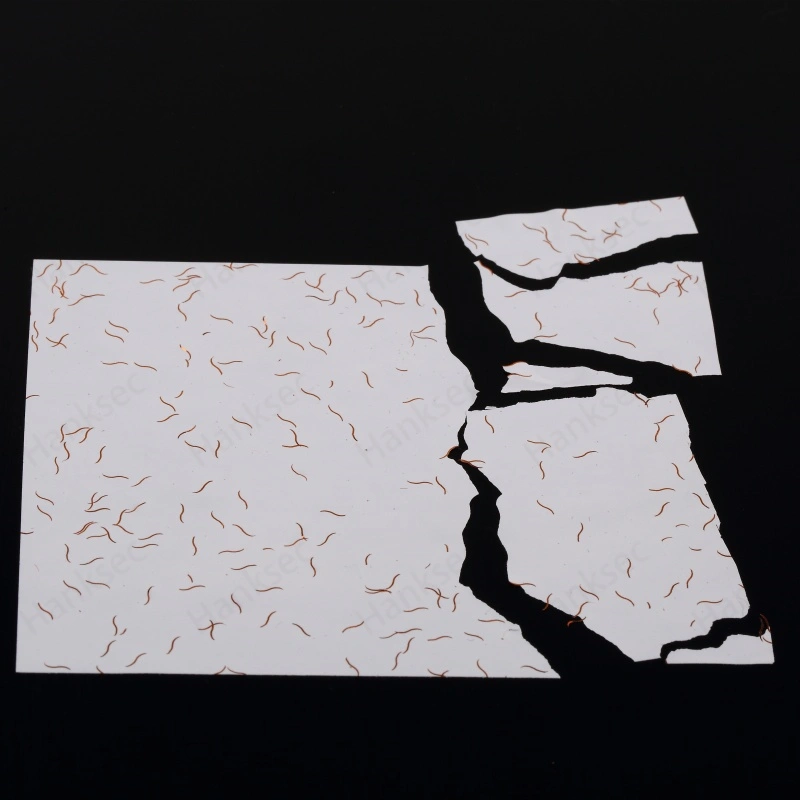
Fragile paper or ultra-destructible polymer film is intended to tear when a removal attempt places stress on the facestock. If the bond to a bottle or carton is weaker than the facestock under the test conditions, the entire sticker can detach instead of fragmenting. This is a different mechanism from incomplete VOID activation.
Investigate substrate adhesion, label area, film grade, application pressure and dwell. Conversely, an excessively fragile facestock may crack during die cutting or dispensing before it reaches the package. Material selection must balance intended fracture on removal with stable converting and line application. See the Ultra Destructible Vinyl Material product information for a material-level starting point.
What Causes Seal Edge Lifting on Medicine Cartons?
A label bridging a carton flap or cap interface experiences bending and concentrated stress at its edges. A sharp corner, narrow bond area, unprotected opening seam or uneven application pressure can initiate a lift that grows during transport. A seal spanning a curved bottle closure must also accommodate curvature and differential movement.
The buyer should specify the exact placement drawing, minimum bonded area, corner shape and required inspection view. Run trials using the approved label dimensions rather than an oversized hand-applied coupon. Record the applied pressure or roller setup and look for bubbles, tenting, wrinkles and corners that fail before the package is intentionally opened.
Application Temperature and Dwell Are Confused with Service Temperature
A label may be designed to survive a cold shipping environment but still require application to a dry, adequately warm package. Application temperature describes the condition needed to establish the bond. Service temperature describes the environment the finished seal must endure after bonding. They are not interchangeable specifications.
For example, a carton sealed on a packaging line and then refrigerated presents a different challenge from a label applied directly to a cold, damp carton. The procurement specification should state both operations, including dwell before shipment and the expected time at each condition. Supplier claims such as “cold-chain compatible” need test conditions and defined evidence, not merely a minimum temperature number.
Condensation, Dust, Oil or Cleaning Residue Contaminates the Bond
Moisture can interrupt adhesive contact, especially when a cold package enters a humid room. Dust and paper fibers reduce effective contact, while fingerprints, mold-release agents and cleaning chemicals can change the adhesive interface. These problems may appear as isolated patchy adhesion rather than consistent failure across all packages.
Set a documented pre-application surface condition. For production troubleshooting, compare untreated production samples with cleaned reference samples while keeping the label construction constant. If cleaning improves adhesion, the result identifies a process variable; it does not automatically prove that the material is defective.
Release Liner or Die-Cutting Conditions Damage the Seal Before Use
Security materials must be converted into labels at commercial speed. A liner with unsuitable release force can cause premature VOID activation, fractured facestock, adhesive stretching or label loss during dispensing. Excessive die strike may damage the liner, while insufficient die strike makes matrix stripping difficult. Both can produce defects that later resemble adhesion problems.
Converters should evaluate print pressure, cutting depth, matrix stripping, rewinding tension, label pitch, dispenser peel-plate geometry and liner consistency. Request trial rolls with realistic roll diameter and winding direction. Hand-applying a laboratory sheet is not enough to approve an automatic packaging line.
Transport, Abrasion and Handling Create False Tamper Alarms
A seal can show scratches, bent edges or unplanned coating damage after ordinary handling, even if nobody opened the package. Conversely, vibration and carton flexing can weaken a poorly designed closure until the seal lifts without a deliberate peel. Such effects undermine the usefulness of the inspection signal.
Reproduce relevant shipment stages: case packing, rubbing against neighboring units, pallet compression, temperature cycling and handling after storage. The aim is not to claim the label survives every possible distribution condition; it is to distinguish expected wear from the defined opening response under the approved route.
Short-term peel strength and long-term bond durability are not equivalent. A seal can resist a rapid peel but creep or lift under sustained stress; peel rate can also change whether a fragile facestock breaks. Smithers discusses premature seal failure under temperature, humidity, sustained load and extended storage. Buyers should qualify the intended shelf-life conditions where relevant.
Material, Carton or Packaging-Line Lots Are Inconsistent
A sample may pass because it represents one unusually favorable combination of adhesive coating, carton varnish and application pressure. Commercial production introduces different film rolls, coating batches, substrates, shifts and line speeds. A seal that works only in a narrow process window will create intermittent failures, and those are harder to diagnose than a complete failure.
A meaningful qualification plan samples more than one relevant batch where the risk warrants it, captures machine settings and records approved changes. Buyers should require traceability from material lots to converting orders and finished packaging trials, with a defined process for investigating nonconforming tamper responses.
How Can Buyers Identify Which Layer Failed First?
Diagnosing pharmaceutical tamper-evident seal failures begins with identifying which material interface failed first. This approach helps buyers avoid repeated trial-and-error adhesive changes. When a seal fails, photograph the untouched package, the initiation point, the peeled film and the substrate. Record whether material stayed on the label, moved to the carton, fragmented or carried a coating with it.
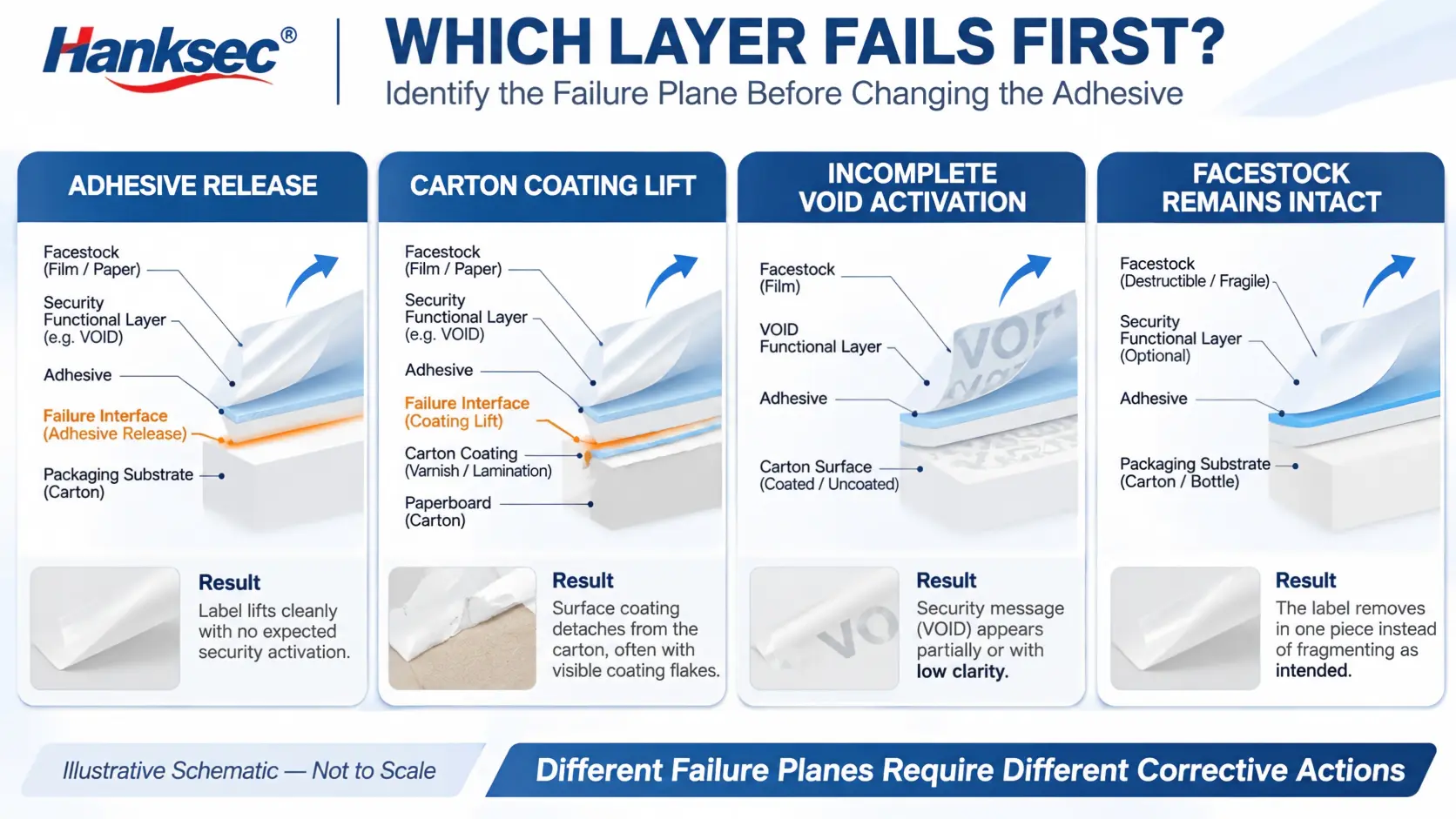
| Observed Result | Likely First Failure Plane | Priority Check |
|---|---|---|
| Tape lifts cleanly, no message | Adhesive / package interface | Surface, dwell, adhesive compatibility, pressure |
| Carton varnish comes away | Coating / board interface | Coating anchorage, approved seal zone |
| Bond holds; VOID is patchy | Functional separation layer | Coating balance, peel protocol, sample lot |
| Fragile label removes intact | Adhesive releases before facestock fractures | Bond-versus-fracture balance, label area |
| Label breaks during dispensing | Facestock / liner / converting interface | Liner release, die cut, peel plate, speed |
Rapid triage: Clean peeling suggests an adhesive-to-substrate problem; coating fragments suggest carton-coating attachment; patchy VOID suggests functional-layer activation; premature cracking suggests a converting or liner-release issue. These are diagnostic hypotheses, not automatic root-cause determinations. Several mechanisms can occur together. A coated carton can release locally while the VOID layer activates elsewhere. Record the primary and secondary outcomes separately, then repeat the test under controlled conditions before approving a material or process change.
Which Material Construction Should a Pharmaceutical Packaging Buyer Evaluate?
The correct material is selected from the intended evidence and substrate, not a single ranking of “strongest security seal.” Full-transfer, partial-transfer and non-transfer describe the location of a designed security image. They do not automatically define how much adhesive residue remains. Destructible facestock fracture is a different mechanism again.
| Construction | Potential Advantage | Buyer Limitation to Test |
|---|---|---|
| Full-transfer VOID | Package-side warning is prominent | Residue, coating damage, printed-code interference |
| Partial-transfer VOID | Evidence can appear on film and substrate | Pattern clarity and repeatable split |
| Non-transfer VOID | Reduced designed transfer to the package | Message readability on removed film; adhesive traces |
| Destructible material | Visible facestock fracture | Premature breakage during converting or dispensing |
| Combined / serialized | Tamper evidence plus controlled identification | Print integrity, data handling and feature interaction |
For a general comparison of PET VOID, paper-based, destructible and other options for pharmaceutical packaging, see Hanksec’s existing Tamper-Evident VOID Materials: Pharma Options. For available film categories and roll construction choices, review the VOID Label Materials range. Neither page replaces finished-package qualification.
How Should Buyers Build a Practical Seal Qualification Plan?
Qualification should answer a precise question: does this approved material and applying process produce acceptable evidence on this approved package, across the conditions that matter? A test plan that only checks whether tape adheres to a standard plate cannot answer that question.
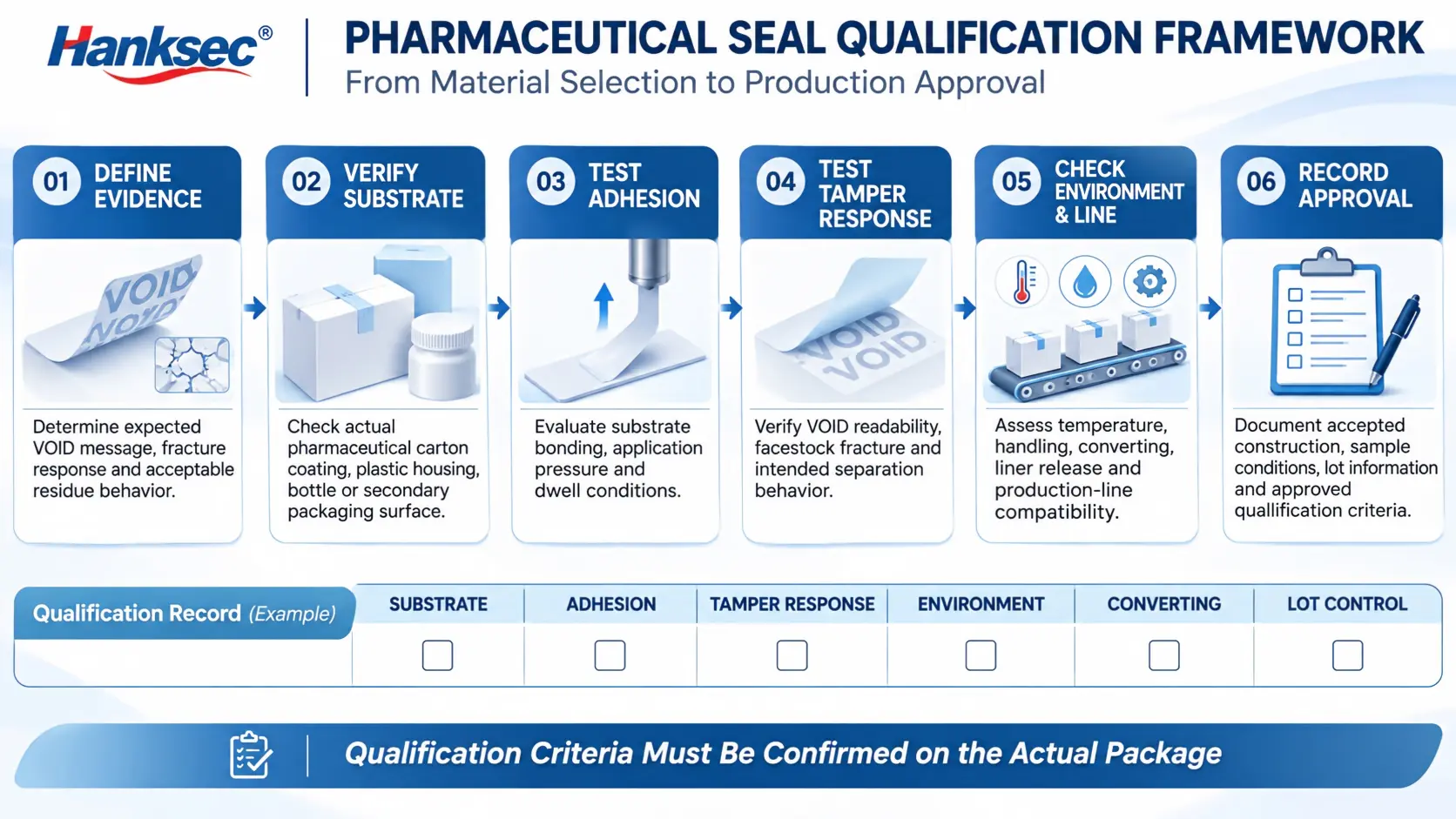
Define the Inspection Requirement Before Selecting Samples
Document the package format, closure path, operator inspection method and intended removal evidence. Specify whether the warning must remain on the carton, appear in the removed label, fracture into pieces or meet a combined condition. Define the normal unopened appearance and examples of unacceptable damage. Where relevant, include an opening-and-reapplication challenge to check whether the feature can be restored to an apparently untouched condition; do not use a successful first peel alone as proof of tamper evidence. If a packaging line uses machine vision, include camera view, illumination and acceptance images rather than relying only on a laboratory technician’s judgment.
Control the Material and Package Variables
Record facestock grade and nominal thickness, security construction, adhesive identification, liner, label geometry and print system. Record the final carton or bottle material, decoration, coating, surface treatment, application pressure and line speed. If the package has multiple artwork variants or varnish batches, identify which combinations are inside the qualification scope.
Include representative samples from relevant material and carton lots according to a risk-based plan. Do not state a universal required sample count: an appropriate sampling strategy depends on manufacturing variability, failure consequences and the quality system adopted by the packaging organization.
Separate Adhesion Tests from Tamper-Activation Tests
Peel adhesion testing helps compare bonding performance under specified geometry, speed, conditioning and substrate conditions. ASTM D3330/D3330M provides standardized methods for pressure-sensitive tape peel adhesion. FINAT also publishes methods for self-adhesive label materials, including 180-degree peel adhesion approaches.
Neither a single peel-force number nor a standard test panel proves that the required security feature activates on a finished carton. The test report should therefore include separate results for bond behavior, tamper-message clarity, removal damage and any residue or coating lift. Record the peel angle and speed as well as the chosen test surface, because changing the procedure can change the apparent failure mode. Record dwell and environmental conditioning before every comparison.
Test Normal Handling Before Intentional Opening
Evaluate liner release, print quality, die-cut integrity and machine application first. Then subject unopened packages to relevant handling or environmental exposure. Inspect them for premature lifting, cracking or false activation. Only after normal-use checks should the package undergo the defined opening test. This sequence distinguishes poor line processing and shipment durability from the security response under deliberate removal.
Define Clear Acceptance and Rejection Examples
Use approved photo references with labels such as Acceptable unopened seal, Acceptable tamper indication, Incomplete activation, Premature lift and Unacceptable carton damage. Images should be captured from representative physical samples. Avoid using decorative renderings as proof of actual laboratory performance.
Set acceptance criteria jointly among the package owner, quality unit, material supplier and converter. The criteria may include objective limits for edge lifting, readable security-message area, barcode legibility, print durability and the maximum acceptable effect on coated artwork. These limits are application-specific: this article does not invent numerical pass thresholds.
Which Qualification Records Should a Supplier Provide?
A useful purchasing dossier makes later failure investigations traceable. It should identify what was supplied, how samples were made and what was actually tested. The goal is to prevent a demonstration from being mistaken for a production-approved specification.
| Record | Minimum Question to Answer |
|---|---|
| Material identification | Which facestock, functional structure, adhesive and liner were used? |
| Roll / converter specification | Which width, length, winding, core, die cut and printing method were approved? |
| Test substrate and package | Was the actual production carton or bottle used, including its final coating? |
| Test method and conditioning | What pressure, dwell, temperature, peel procedure and sample plan were applied? |
| Evidence and defects | Are both acceptable and rejected sample photographs recorded? |
| Lot traceability and change control | Can a later material, coating or converting change be linked to its approval? |
For label converters, a peel-test report is one element of this dossier. Additional checks may include print rub, barcode readability, liner release, die-cut stability and repeatability of the intended VOID response. Hanksec’s Security Label Material Quality Control Guide explains how these production and application tests relate.
How Do Packaging-Line Speed and Automation Affect Seal Performance?
An automatic line applies labels during a narrow time window. The substrate may move, flex or carry residual coating dust. The roll may experience changing unwind tension as its diameter decreases. Label placement can drift slightly across shifts. A material that passes a slow bench peel may still fail if it cannot be dispensed consistently or pressed into contact at operating speed.
Buyers should ask for a trial on the actual labeling equipment, including normal startup, stable production and relevant stop-start conditions. Observe liner release, label separation at the peel plate, registration over the closure, application pressure and post-application quality checks. Include the intended inspection system and packaging artwork in the trial.
Do not automatically treat the fastest line setting as the only qualification point. Some defects occur during reduced-speed startup or after a temporary stop, when contact pressure, web tension or label position may differ. Packaging-process acceptance and material acceptance should be documented as connected but distinct decisions.
What Changes for Cold-Chain or Temperature-Cycled Pharmaceutical Packaging?
Cold-chain qualification must distinguish an already-bonded seal exposed to low temperature from a seal newly applied to a cold surface. These are different adhesive challenges. Packaging may also move through humid areas where condensation forms on a bottle, carton or cold pack. Moisture at application may interfere with the bond before normal dwell adhesion develops.
Build an application timeline: surface condition at labeling, dwell before cooling, storage temperature and duration, transfers between environments, shipment handling and final inspection. Test after representative cycles. Record whether the intended VOID or fracture response remains readable and whether the unopened seal develops edge lift or false damage.
The same principle applies to heat exposure, warehouse humidity and long storage. A statement such as “works from minus 20 to 80 degrees Celsius” is incomplete without describing whether those are application, service, short-term test or exposure conditions. A temperature claim should be tied to the exact adhesive, substrate, duration and qualification method used.
What Do FDA, EU and ISO Requirements Mean for a Material Buyer?
The legal and technical framework depends on the medicinal product, packaging level and destination market. A material supplier should not declare that an adhesive seal automatically makes an entire medicinal package compliant.
In the United States, 21 CFR 211.132 establishes tamper-evident packaging provisions for covered over-the-counter human drug products, subject to the regulation’s scope and exceptions. The complete packaging configuration, required labeling statement and applicable use conditions must be assessed by the responsible manufacturer or packer.
In the European Union, Commission Delegated Regulation (EU) 2016/161 addresses safety features for medicinal products within its scope, including a unique identifier and an anti-tampering device. The anti-tampering device and a serialized data identifier serve different functions; a QR or data code alone is not equivalent to physical opening evidence.
ISO 21976:2018 provides requirements and guidance on tamper-verification features for medicinal-product packaging. In European adoption it is also referenced as EN ISO 21976:2020. Buyers should identify the standard and edition used in their qualification documentation rather than treating a material’s marketing description as certification.
For a risk-based framework, ICH Q9(R1) Quality Risk Management is useful background for defining, controlling and reviewing quality risks. Its existence does not imply that every Hanksec material has been tested to a particular pharmaceutical regulatory standard.
For Australian-market projects, the TGA code of practice for tamper-evident packaging provides practical guidance on feature design, validation and inspection, including the need not to obscure mandatory labelling information. This guidance applies in its own regulatory context and is not a substitute for the EU or US requirements.
Scope warning: FDA 21 CFR 175.105 concerns certain food-packaging adhesive uses; citing it does not, by itself, demonstrate that an adhesive seal is suitable for direct contact with medicines. If chemical-contact, migration, sterilization or other material-safety requirements apply, these require a separate assessment of the actual packaging design and destination market.
What Should a Pharmaceutical Packaging RFQ Include?
A strong request for quotation defines the failure risk, not just the width and color of the seal. Suppliers can only recommend an appropriate construction when they understand the interface and the required inspection response. For the first inquiry, the buyer should supply the following information:
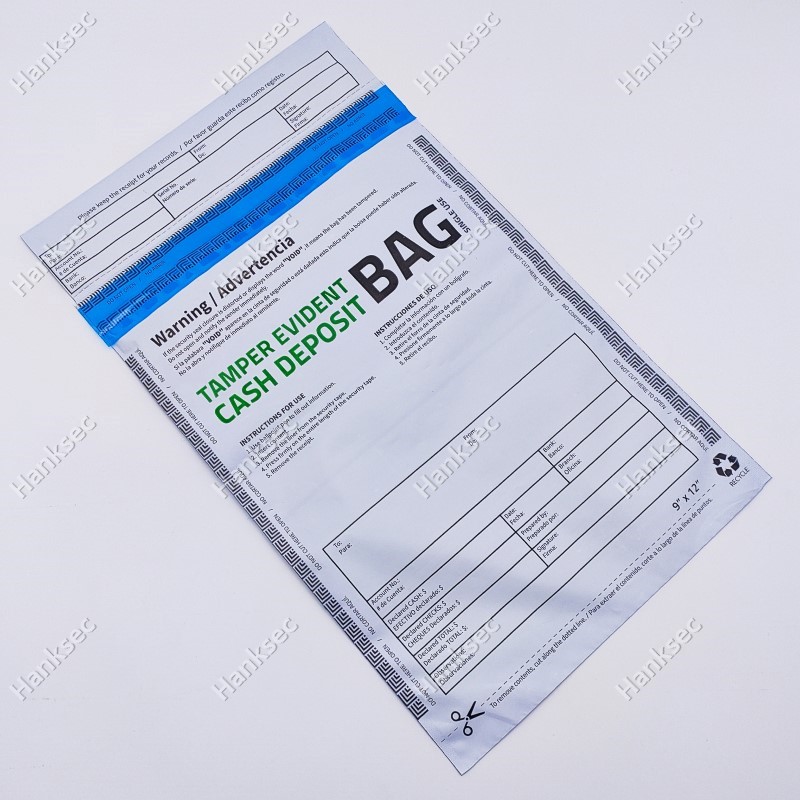
- Packaging format: Folding carton, bottle-and-cap seal, overwrap, transport carton or another approved closure.
- Application surface: Actual carton board, varnish, lamination or bottle resin; include coating and treatment information where available.
- Seal geometry: Label dimensions, corner radius, seam coverage and required placement drawing.
- Opening evidence: Full-, partial- or non-transfer VOID; destructible fracture; custom warning pattern; or approved combined response.
- Residue target: Whether visible residue, carton fiber damage or clean-surface behavior is acceptable, stated separately from transfer type.
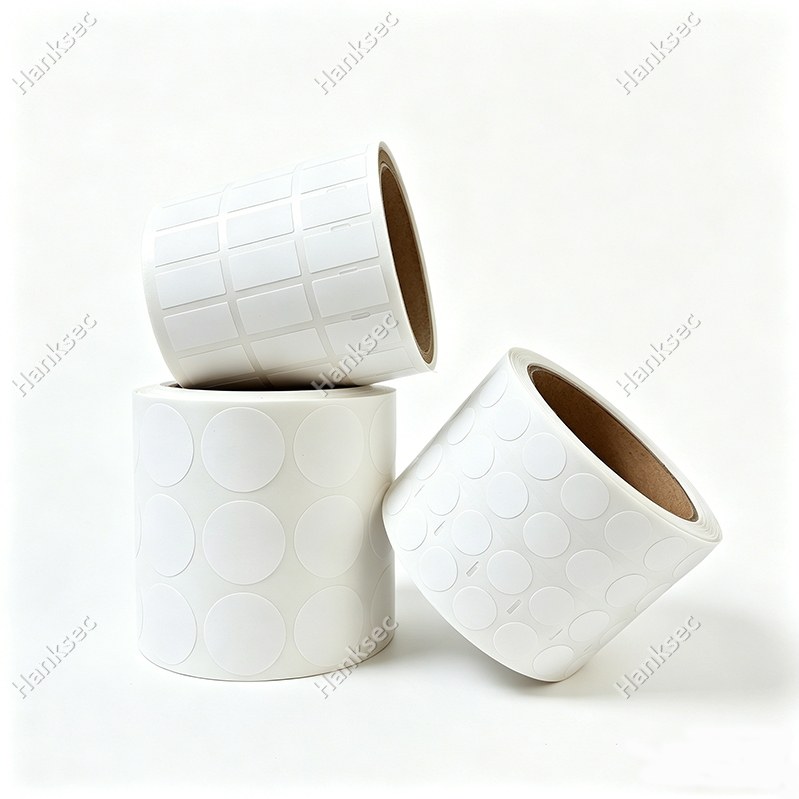
- Production route: Jumbo or slit roll, printing method, label-converting process, liner, automatic dispenser and operating speed.
- Identification needs: Brand text, security numbering, barcode or other variable data, with data ownership and inspection method specified.
- Environment: Application temperature, humidity, dwell, cold-chain exposure, storage duration and expected handling.
- Qualification plan: Test substrate, sampling approach, desired evidence, rejection examples and documentation requirements.
- Commercial details: Estimated demand, target roll width and length, delivery schedule, sample requirement and change-control expectations.
When these items are supplied, the material producer can discuss the proposed film, functional layers, adhesive and liner without substituting generic promises for actual test data. Buyers can then convert the approved sample into a written material specification that downstream printers and packagers can reproduce.
How Should Buyers Compare Two Tamper-Evident Material Suppliers?
Two samples can look identical before peeling yet behave differently after die cutting, labeling or storage. A supplier comparison should therefore examine both the material system and the support needed to maintain it during production. A factory claim or a strong single demo does not replace qualification.
Request a clear construction description at the level required for approval, realistic roll and liner options, manufacturing-lot identification, approved change notification and sample support on the buyer’s actual substrate. Ask whether the supplier can reproduce the intended security effect after printing or converting, not merely supply a film that works immediately after coating.
Check how deviations are investigated. Can the supplier distinguish adhesive release from varnish lift? Can it record label fracture separately from VOID activation? Can it provide representative control samples and explain the limits of its tests? A technically useful supplier will identify uncertainties and testing needs instead of stating that one adhesive works on every package.
Hanksec can support B2B projects requiring VOID label films, destructible security materials and roll-format customization for converters. Final release for a specific pharmaceutical packaging line remains a decision for the responsible packaging manufacturer and its quality organization, based on approved trials and applicable requirements.
Illustrative Failure Investigation: A Carton Seal Passes in the Lab but Fails on the Line
Consider a hypothetical medicine-carton project. A supplier’s label shows clear VOID evidence on a laboratory test panel. The production team then applies the same label across a varnished carton opening seam. In line trials, some labels lift at their corners; others remove part of the varnish, while the intended warning is only partly visible.
The wrong response would be to reject every batch as weak adhesive without examining the package and process. The first investigation should compare final cartons with unvarnished board, record pressure and dwell, inspect liner release and identify the first separation plane. If varnish anchorage is poor, a stronger adhesive may increase carton damage rather than improve the legibility of the designed security message.
A structured corrective-action trial might compare an approved alternative coating zone, a compatible adhesive construction and a revised label geometry while holding the remaining variables constant. The team should document which change improved normal-use durability and which improved tamper activation. Only the final approved combination becomes the purchasing and process specification.
This example illustrates a diagnostic method; it is not presented as a Hanksec laboratory result or a customer case study.
Frequently Asked Questions
Can a pharmaceutical tamper-evident seal fail even when peel adhesion is high?
Yes. Peel adhesion measures one aspect of bonding under defined conditions. The security coating may still activate incompletely, the carton varnish may detach or the facestock may break at an unintended point. Qualify the final security response separately from the peel result.
Why do tamper-evident seals peel off cleanly from pharmaceutical cartons?
Clean removal often points to insufficient adhesive contact with the actual coated or contaminated carton, unsuitable application pressure or inadequate dwell. Investigate the substrate interface before changing the adhesive, then verify the designed VOID or fracture response on production cartons.
Does a non-transfer VOID label guarantee a residue-free medicine carton?
No. Non-transfer describes the intended location of the hidden security message, not a universal promise of zero adhesive traces. Residue must be specified and tested on the actual package.
Which test standard proves that a pharmaceutical seal is compliant?
No single peel-adhesion standard proves finished-package regulatory compliance. ISO 21976:2018 addresses tamper-verification features; ASTM D3330/D3330M provides peel-test methods. The responsible packaging manufacturer must evaluate the complete package against applicable market requirements.
Should buyers choose destructible labels or VOID labels for medicine cartons?
Choose according to the required inspection evidence and actual substrate. Destructible labels emphasize facestock fracture; VOID labels emphasize a designed message created by controlled layer separation. Both need converting and package qualification.
What is the difference between a seal failure and normal transport damage?
A seal failure is a departure from the approved specification, while normal handling damage is wear anticipated by the defined distribution route. The qualification program should establish how inspectors distinguish routine scuffs from true opening evidence or unacceptable premature activation.
Can a supplier’s laboratory test replace a pharmaceutical packaging-line trial?
No. Laboratory tests support material screening and consistency checks, but they may not reproduce production pressure, carton coatings, dispensing equipment, storage or inspection conditions. Final approval requires representative trials on the intended package and process.
What should be recorded when a VOID seal shows patchy activation?
Record the film and carton lots, test location, surface condition, application pressure, dwell, peel direction, removed-film appearance, package-side evidence and any coating or fiber damage. Repeat the procedure before changing the material specification.
Conclusion: Diagnose the Failure Plane Before Changing the Seal
Preventing pharmaceutical tamper-evident seal failures starts with the intended tamper response and the actual packaging interface. A pharmaceutical tamper-evident seal should remain intact during approved production and distribution, yet produce recognizable, repeatable evidence during the defined opening attempt. Achieving both outcomes requires coordinated film, adhesive, substrate and converting selection.
For buyers, the practical sequence is: define the evidence → identify the substrate → choose the material structure → qualify the line and environment → document acceptance criteria → control production changes. This approach is more effective than choosing the strongest adhesive or treating every carton defect as the same failure.
Share your carton or bottle surface, required opening evidence, roll specification and application conditions. Hanksec can discuss VOID and destructible material options, adhesive and liner selection, printing/converting compatibility and representative samples for your qualification process.
Jumbo rolls · Slit rolls · Customized security response · OEM/ODM · Sample qualification
Hanksec® | Tamper-Evident Security Label Materials · Converting Rolls · Technical Support